The device could comply with the local
national regulations.
In Canada, it should comply with
CAN ICES-3(B)/NMB-3(B).
In USA, this device complies with part 15
of the FCC Rules. Operation is subject to
the following two conditions:
(1) This device may not cause harmful
interference, and
(2) this device must accept any interference
received, including interference that
may cause undesired operation.
Reorient or relocate the receiving antenna.
Increase the separation between the
equipment and receiver.
Connect the equipment into an outlet on
a circuit different from that to which the
receiver is connected.
Consult the dealer or an experienced
radio/TV technician for help.
Changes or modifications not approved by
the party responsible for compliance could
void user’s authority to operate the
equipment.
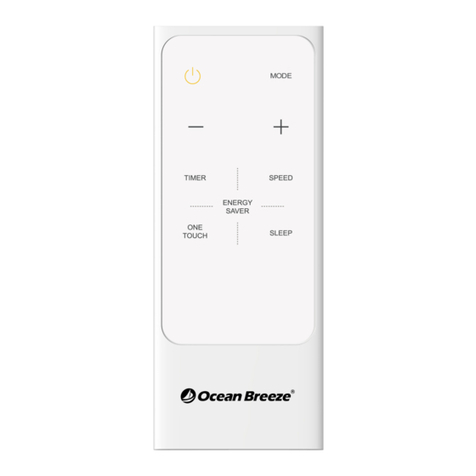
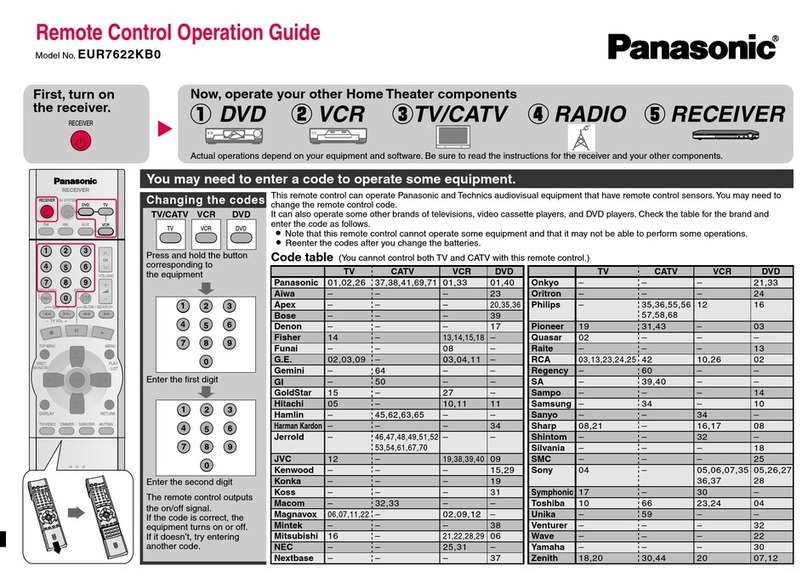
TIPS FOR USING REMOTE CONTROL
NOTES FOR USING REMOTE CONTROL
• The remote control must be used within
26.24 FT of the unit.
The unit will beep when remote signal is
received.
Curtains, other materials and direct sunlight
can interfere with the infrared signal
receiver.
•
•
•
•
•
•
•
•
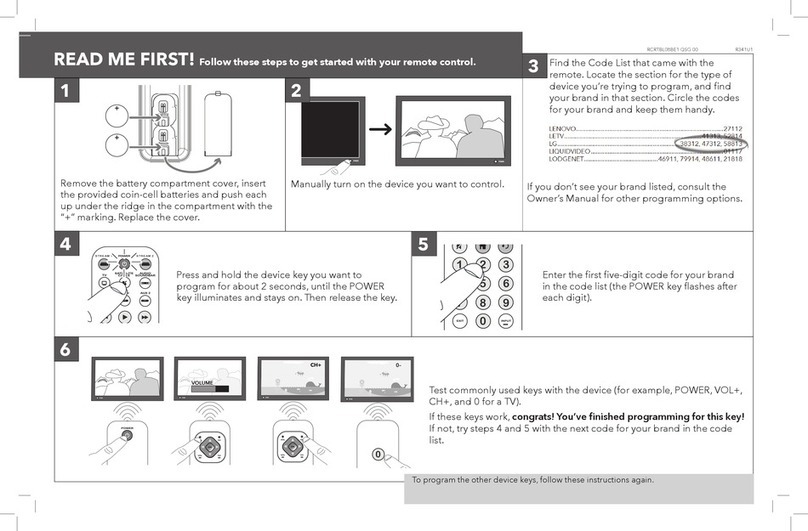
Inserting and Replacing Batteries
Your air conditioning unit may come with two
batteries. Insert the batteries in the remote
control before use.
1. Slide the back cover from the remote control
downward, exposing the battery
compartment.
Insert the batteries, paying attention to align
the (+) and (-) ends of the batteries with the
symbols inside the battery compartment.
Slide the battery cover back into place.
2.
3.
BATTERY NOTES
For optimum product performance:
• Do not mix old and new batteries or
batteries of different types.
• Do not leave batteries in the remote control
if you don’t plan on using the device for
more than 2 months.
BATTERY DISPOSAL
Do not dispose of batteries as unsorted
municipal waste. Refer to local laws for
proper disposal of batteries.
03
This equipment has been tested and found
to comply with the limits for a Class B
digital device, pursuant to part 15 of the
FCC Rules.
These limits are designed to provide
reasonable protection against harmful
interference in a residential installation.
This equipment generates, uses and can
radiate radio frequency energy and, if not
installed and used in accordance with the
instructions, may cause harmful
interference to radio communications.
However, there is no guarantee that
interference will not occur in a particular
installation. If this equipment does cause
harmful interference to radio or television
reception, which can be determined
by turning the equipment off and on, the
user is encouraged to try to correct the
interference by one or more of the
following measures:
Handling the Remote Control