1 - 2 99906549_r02 (06/13/2023)
SECTION 1: SAFETY
IOWA MOLD TOOLING CO., INC.
(641) 923-3711
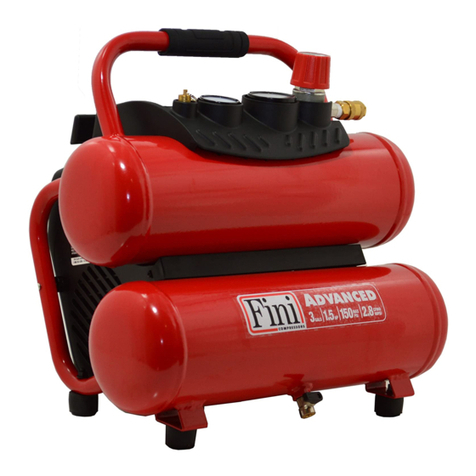
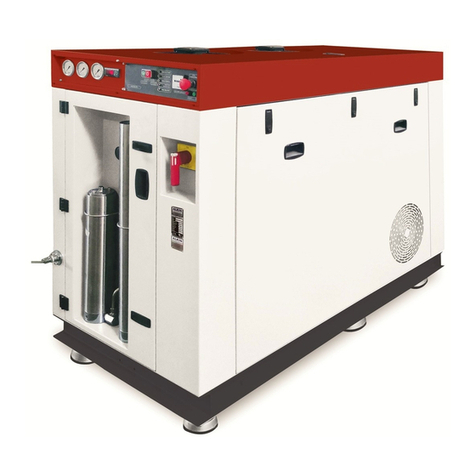
CAS40PL, CAS40PL-CW
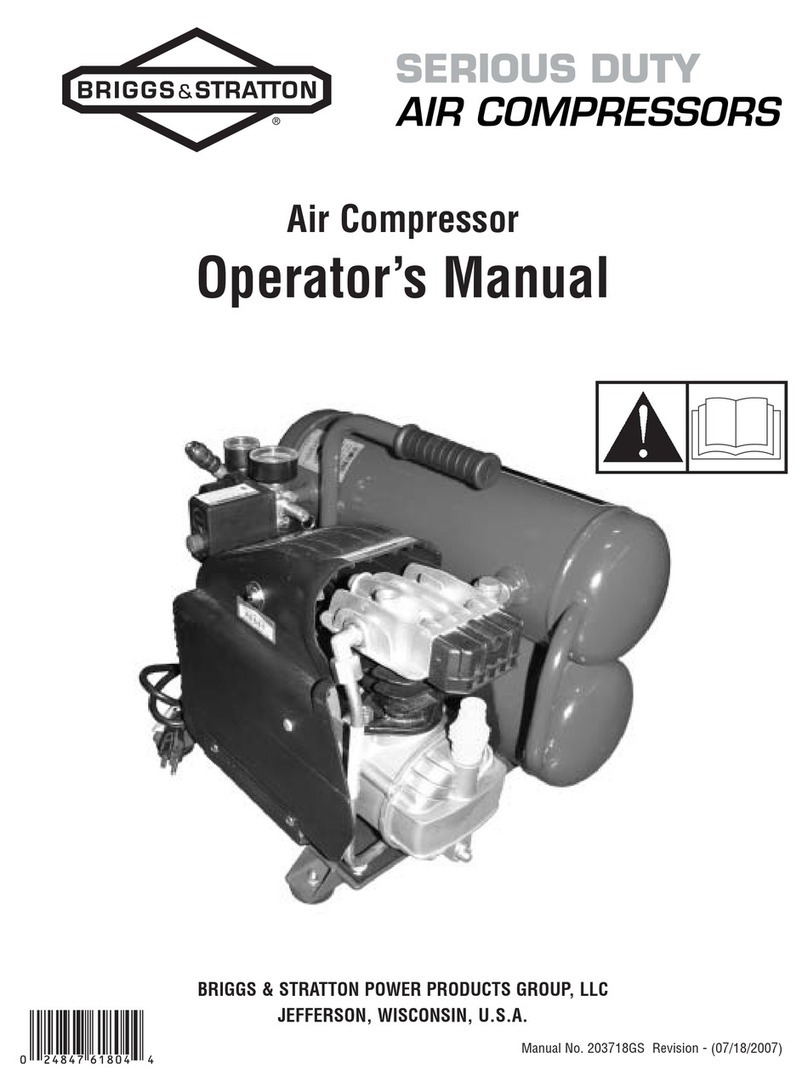
RECIPROCATING AIR COMPRESSOR
• DO NOT perform any modications to this
equipment without prior factory approval.
• DO NOT operate the compressor or any of its
systems if there is a known unsafe condition.
Disable the equipment by disconnecting it
from its power source. Install a lock-out tag to
identify the equipment as inoperable to other
personnel.
• DO NOT operate the compressor with any by-
pass or other safety systems disconnected or
rendered inoperative.
• DO NOT operate the equipment while you are
under the inuence of alcohol or drugs.
• DO NOT operate the equipment while you are
feeling ill.
• DO NOT attempt to service the equipment
while it is operating.
• Before performing maintenance, or replacing
parts, relieve the entire system pressure,
after the system has blown down, by opening
a service valve which will vent all pressure
to the atmosphere. After that, remove any
remaining residual pressure by slowly
opening the ll cap. Remove all electrical
power.
NOTE
Slowly remove ll cap to vent compressor sump
pressure.
• DO NOT use the compressor for purposes
other than for which it is intended. High
pressure air can cause serious and even fatal
injuries.
• DO NOT operate the compressor outside of its
specied pressure and speed ratings. (See
Section 2: Specications or refer to the
equipment data plate.).
• DO NOT use ammable solvents or cleaners
for cleaning the compressor or its parts.
• DO NOT operate the compressor in areas
where ammable, toxic, corrosive fumes, or
other damaging substance can be ingested
by the compressor intake.
• Keep arms, hands, hair and all other body
parts, and clothing away from fans, drive
shafts, and other moving parts.
• DO NOT wear jewelry, unbuttoned cus, ties,
or loose-tting clothing when you are working
near moving/rotating parts.
• ALWAYS conne long hair when working near
moving/rotating parts.
• NEVER operate the equipment while wearing
a headset to listen to music or the radio.
• Wear personal protective equipment such as
gloves, work shoes, and eye and hearing
protection as required for the task at hand.
• DO NOT operate the compressor with any
guards removed or damaged, or other safety
devices inoperative.
• DO NOT operate the compressor in enclosed
or conned spaces where ventilation is
restricted or closed-o.
• Ensure that hoses connected to service valves
are tted with correctly sized and rated ow
limiting devices which comply with applicable
codes. Pressurized broken or disconnected
hoses can whip, causing injuries or damage.
• DO NOT use tools, hoses, or equipment that
have maximum ratings below that of this
compressor.
• Keep metal tools, and other conductive objects
away from live electrical components.
• Before performing maintenance or repair
operations on the compressor, ensure that all
power has been removed and been locked
out to prevent accidental application.
• DO NOT assume that because the
compressor is in a STOPPED condition that
hydraulic power has been removed.
• Use this compressor only to compress
atmospheric air. Use of this equipment as a
booster pump and/or to compress any other
gaseous or aerosol substance constitutes
improper use. It can also cause damage
or injuries. Such misuse will also void the
warranty.
• Install, operate, and maintain this equipment
in full compliance with all applicable OSHA,
other Federal, state, local codes, standards,
and regulations.
• When lifting objects, be aware of proper lifting