EnglishDeutsch
 logo
Brands
  1. Home
  2. •
  3. Brands
  4. •
  5. Polk Audio
  6. •
  7. Subwoofer
  8. •
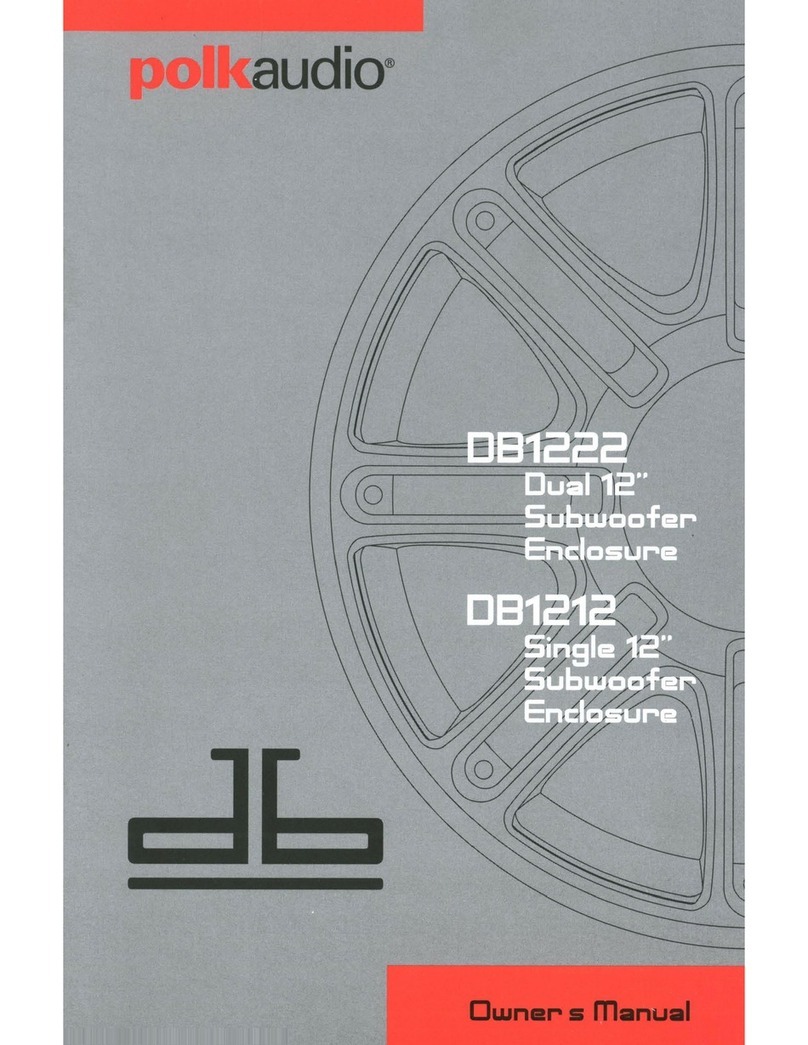
  9. Polk Audio db1222 User manual

Polk Audio db1222 User manual

Other manuals for db1222

1

This manual suits for next models

1

Other Polk Audio Subwoofer manuals

Polk Audio Atrium Sat30 User manual

Polk Audio

Polk Audio Atrium Sat30 User manual

Polk Audio PSW303 User manual

Polk Audio

Polk Audio PSW303 User manual

Polk Audio PSW PSW10 User manual

Polk Audio

Polk Audio PSW PSW10 User manual

Polk Audio GNX Series User manual

Polk Audio

Polk Audio GNX Series User manual

Polk Audio MM842 User manual

Polk Audio

Polk Audio MM842 User manual

Polk Audio DB1040 User manual

Polk Audio

Polk Audio DB1040 User manual

Polk Audio 107GXR10 User manual

Polk Audio

Polk Audio 107GXR10 User manual

Polk Audio DXi 124 SVC User manual

Polk Audio

Polk Audio DXi 124 SVC User manual

Polk Audio MM1040 User manual

Polk Audio

Polk Audio MM1040 User manual

Polk Audio DB+ Series User manual

Polk Audio

Polk Audio DB+ Series User manual

Polk Audio PSWi-8M User manual

Polk Audio

Polk Audio PSWi-8M User manual

Polk Audio PSW505 User manual

Polk Audio

Polk Audio PSW505 User manual

Polk Audio SR 124 User manual

Polk Audio

Polk Audio SR 124 User manual

Polk Audio PSW550 User manual

Polk Audio

Polk Audio PSW550 User manual

Polk Audio MM10 User manual

Polk Audio

Polk Audio MM10 User manual

Polk Audio MM1240 User manual

Polk Audio

Polk Audio MM1240 User manual

Polk Audio DSW PRO 440wi User manual

Polk Audio

Polk Audio DSW PRO 440wi User manual

Polk Audio DSWmicroPRO1000 User manual

Polk Audio

Polk Audio DSWmicroPRO1000 User manual

Polk Audio db1222 User manual

Polk Audio

Polk Audio db1222 User manual

Polk Audio DXi1240 User manual

Polk Audio

Polk Audio DXi1240 User manual

Polk Audio DSWPRO400 User manual

Polk Audio

Polk Audio DSWPRO400 User manual

Polk Audio EX II User manual

Polk Audio

Polk Audio EX II User manual

Polk Audio CSW155 User manual

Polk Audio

Polk Audio CSW155 User manual

Polk Audio SWA500 User manual

Polk Audio

Polk Audio SWA500 User manual

Popular Subwoofer manuals by other brands

Sony XS-AW8 operating instructions

Sony

Sony XS-AW8 operating instructions

Sony XS-L836 Specifications

Sony

Sony XS-L836 Specifications

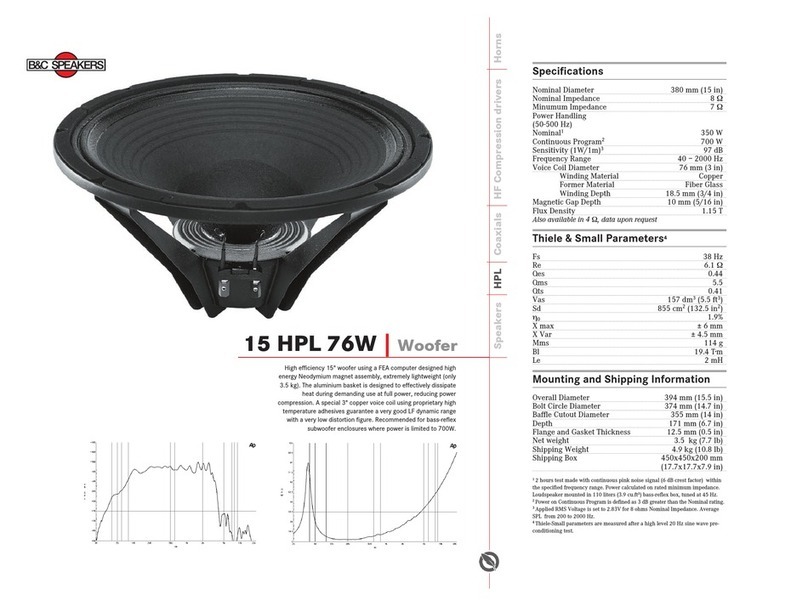
B&C Speakers 15 HPL 76W Specifications

B&C Speakers

B&C Speakers 15 HPL 76W Specifications

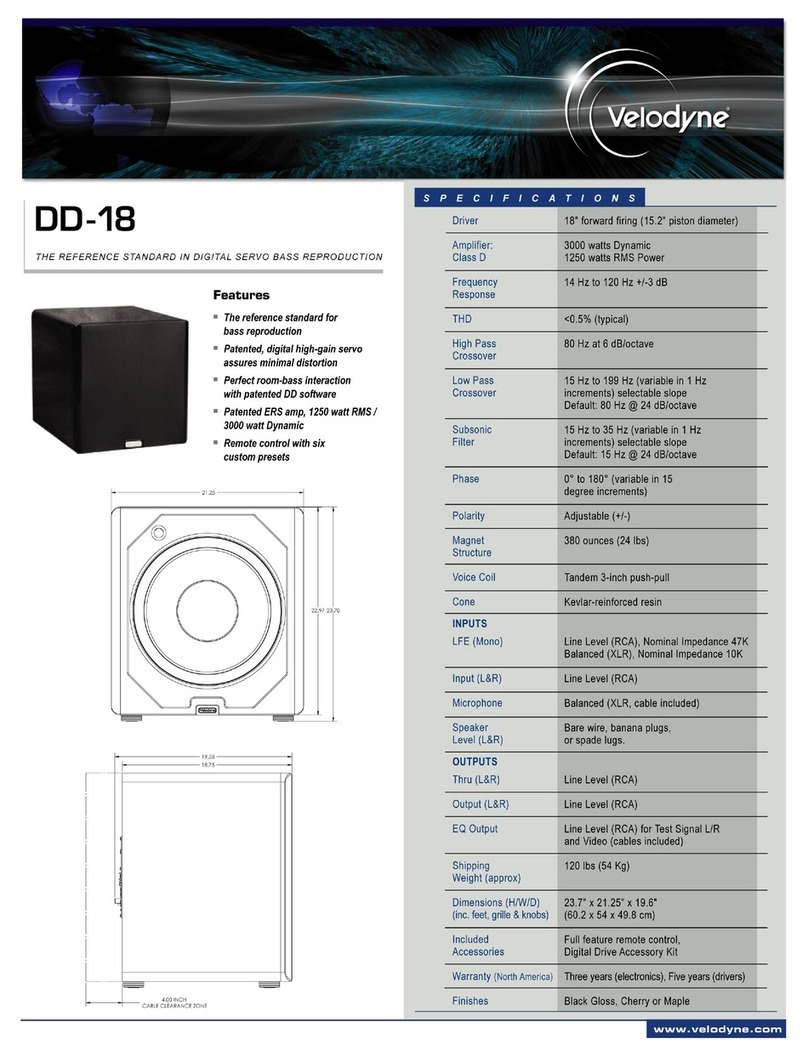
Velodyne DD-18+ Specifications

Velodyne

Velodyne DD-18+ Specifications

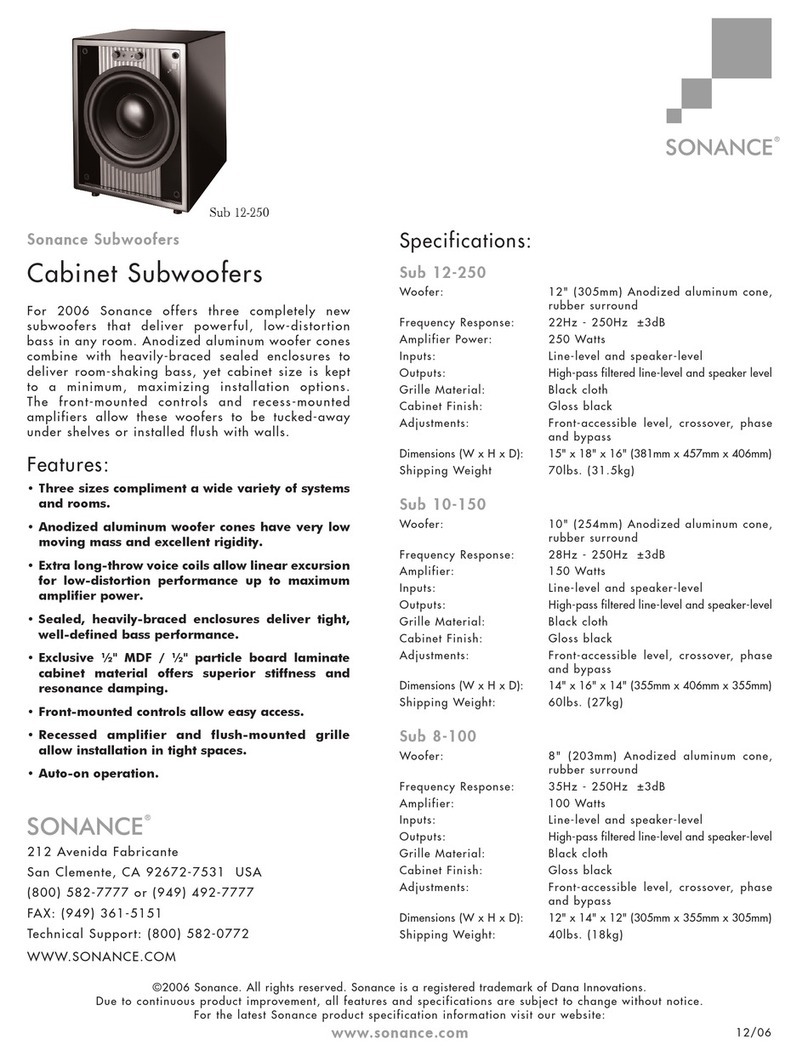
Sonance Cinema Series SUB 10-150 Specifications

Sonance

Sonance Cinema Series SUB 10-150 Specifications

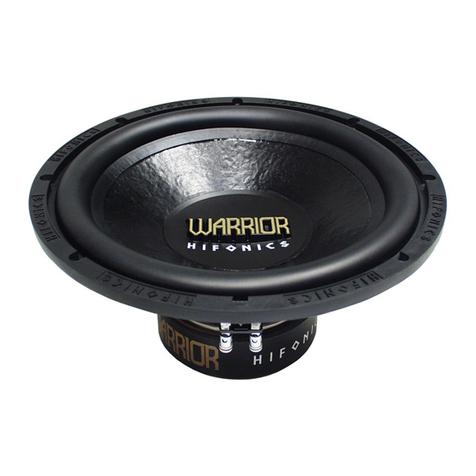
Hifonics HW-12 Owners & installation manual

Hifonics

Hifonics HW-12 Owners & installation manual

Magnat Audio ADR 130 BP user manual

Magnat Audio

Magnat Audio ADR 130 BP user manual

Blitz BZP106 Specifications

Blitz

Blitz BZP106 Specifications

Technics SB-AS500 Operaing instructions

Technics

Technics SB-AS500 Operaing instructions

Lyngdorf BW-2 owner's manual

Lyngdorf

Lyngdorf BW-2 owner's manual

Lyngdorf BW-3 owner's manual

Lyngdorf

Lyngdorf BW-3 owner's manual

Pyle Pro PYLE PRO PDW15125 owner's manual

Pyle Pro

Pyle Pro PYLE PRO PDW15125 owner's manual

REL Acoustics Q Series operating instructions

REL Acoustics

REL Acoustics Q Series operating instructions

L-Acoustics KIVA SB15M Rigging manual

L-Acoustics

L-Acoustics KIVA SB15M Rigging manual

Pioneer Elite S-W1EX Service manual

Pioneer

Pioneer Elite S-W1EX Service manual

B&C Speakers Woofer 12 HPL 76 specification

B&C Speakers

B&C Speakers Woofer 12 HPL 76 specification

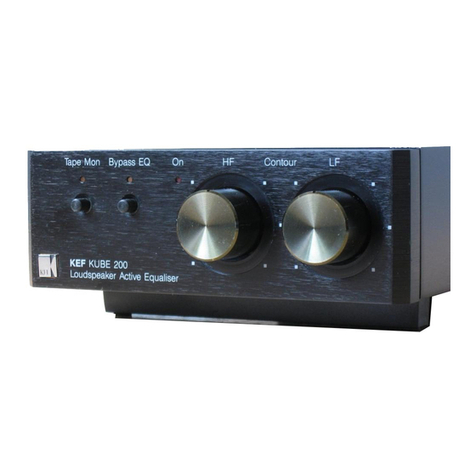
KEF KUBE 200 installation manual

KEF

KEF KUBE 200 installation manual

Yamaha SW500 owner's manual

Yamaha

Yamaha SW500 owner's manual

https://manuals.online logo
https://manuals.online logoBrands
  • About & Mission
  • Contact us
  • Privacy Policy
  • Terms and Conditions

Copyright 2026 Manuals.Online. All Rights Reserved.

2
ENGLISH
AMPLIFIER HOOKUP
NOTE: USE WITH 2 OHM COMPATIBLE AMPLIFIERS.
NOT ALL AMPLIFIERS ARE STABLE INTO A 2 OHM LOAD
(ESPECIALLY IN BRIDGED MODE). PLEASE CONSULT
YOUR AMPLIFIER’S OWNER’S MANUAL.
GETTING STARTED
Please inspect your loudspeaker(s) carefully. Notify your
Polk Audio dealer if you notice any damage or missing items.
Keep the carton and packing material; this will do the best
job of protecting your speaker(s) if they must be transported.
SAFE LIMITS OF OPERATION
Polk Audio specifies the recommended amplification range
for each of its passive (non-amplified) loudspeakers. Typically
that specification will be expressed as a range of power such
as 20-200 W (per channel). It is important to understand
what those numbers mean when choosing a receiver or
amplifier for your Polk loudspeakers. The lower number
indicates the lowest continuous rated power that will yield
acceptable performance in a typical listening environment.
The higher number indicates the highest per channel power
that should be used with your Polk speakers. That number
should not be confused with a “Power Handling” specification
and it does not imply that the speaker will safely handle
that full amount of power on a long-term basis. We specify
a wide range of power ratings because not all electronics
manufacturers use the same method for rating power.
In fact, high quality lower-rated amplifiers sound better and
play louder than low quality units with a higher power rating.
Automobile horsepower is a good analogy. Your car probably
has far more horsepower than it needs for your daily commute
and is likely capable of going well over 120mph (190km/hr).
Having that extra power is good for on-ramp acceleration
and danger avoidance (like getting away from brain-eating
zombies) but that doesn’t mean that it is advisable to operate
your car on North American highways at full power and
maximum speed for an extended period of time. Just ask
your local state trooper if you are in doubt. Similarly, we
recommend using amplifiers and receivers with rated power
above the Power Handling limits of our speakers because
having extra power available for short term peaks is conducive
to better sound quality, maximum dynamic range and effortless
high volume output. But we strongly urge you not to use the
full power of your amplifier or receiver for daily listening.
Loudspeakers can be damaged when an amplifier, regardless
of its wattage, is made to play at higher listening levels than its
power can clearly produce. Operation at this level can result in
very high levels of audible distortion originating in the
amplifier, which can add a harsh, gritty sound to your listening
material. If you hear distortion—turn the volume down
or risk damaging your speakers. You can damage just
about any speaker, regardless of power rating, if you drive an
amplifier to or beyond the point of distortion.

SPECIFICATIONS
db1212
Type subwoofer enclosure/slot ported
Frequency Response 26 Hz - 200 Hz
Driver Complement 1 - 12" subwoofer
Nominal Impedance 2 Ohms
Power Handling (RMS) 360 Watts
Recommended Amplification Range 50 - 500 Watts
Power Handling (Peak) 720 Watts
Efficiency 97 dB
Dimensions Bottom Depth - 18 11/16" (47.47 cm)
Top Depth - 15 11/16" (39.85 cm)
Height - 14 3/4" (37.47 cm)
Width - 17 1/4" (43.82 cm)
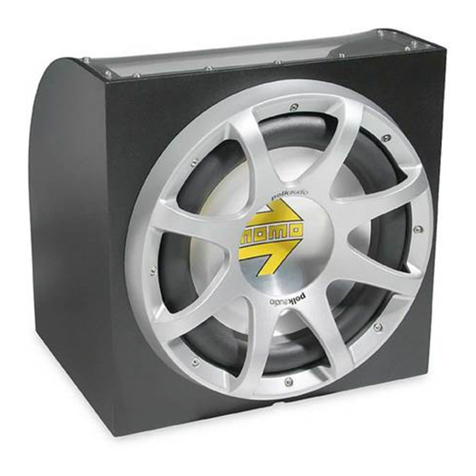
db1222
Type subwoofer enclosure/slot ported
Frequency Response 27 Hz - 200 Hz
Driver Complement 2 - 12" subwoofers
Nominal Impedance 2 Ohms
Power Handling (RMS) 720 Watts
Recommended Amplification Range 50 - 1000 Watts
Power Handling (Peak) 1440 Watts
Efficiency 103 dB
Dimensions Bottom Depth - 18 1/2" (46.99 cm)
Top Depth - 15 1/2" (39.37 cm)
Height - 14 3/4" (37.47 cm)
Width - 32 1/2" (82.55 cm)
WARNING: LISTEN CAREFULLY
Polk Audio loudspeakers and subwoofers are capable of playing at extremely high volume levels,
which could cause serious or permanent hearing damage. Polk Audio, Inc. accepts no liability
for hearing loss, bodily injury or property damage resulting from the misuse of its products.
Keep these guidelines in mind and always use your own good judgment when controlling volume:
• You should limit prolonged exposure to volumes that exceed 85 decibels(dB).
• High volume in an automobile can hinder your ability to safely operate a vehicle.