Storage
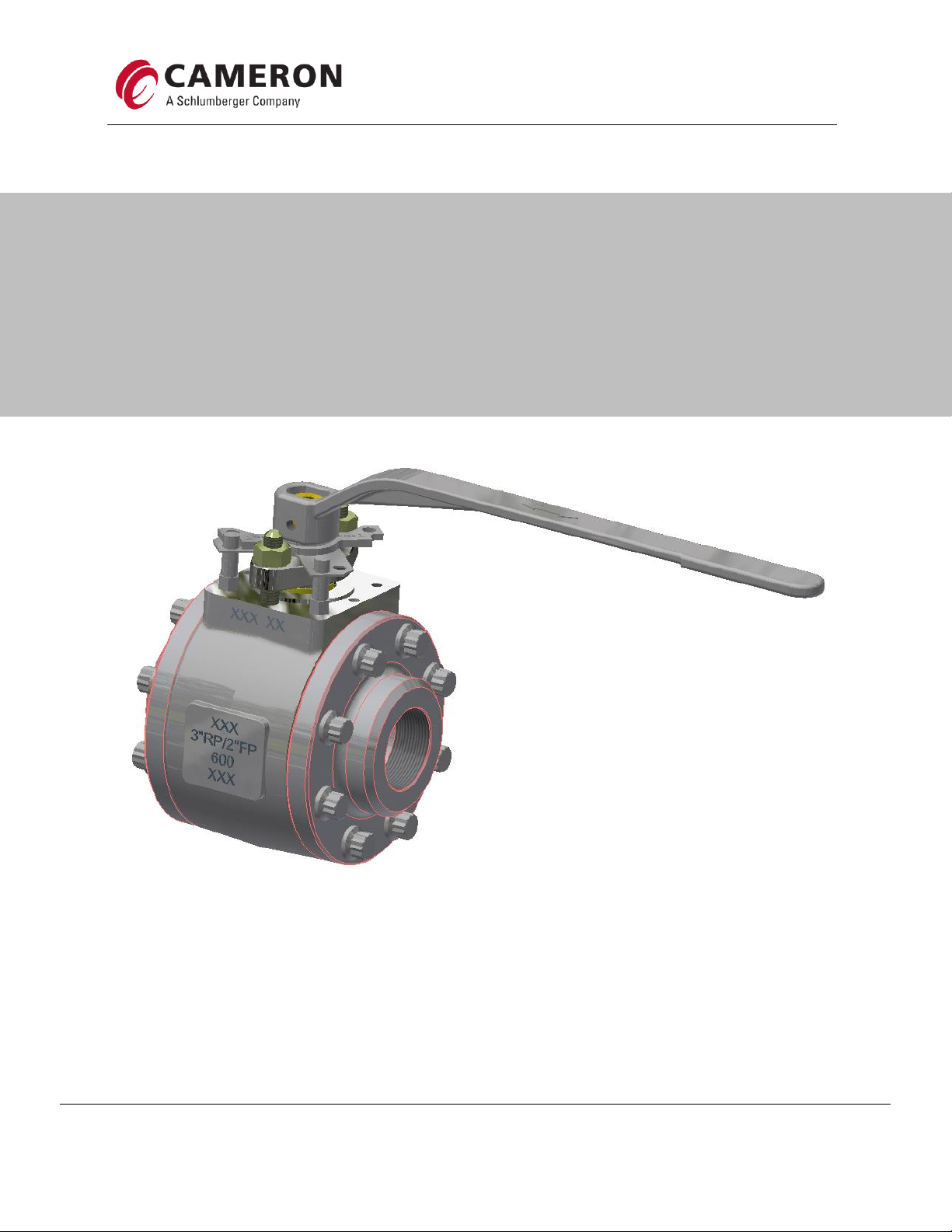
Valves Delivered by NUTRON
After valves are assembled and tested, they are placed in the full open position, flange seal surfaces and
bores are greased and end protectors are installed. This will provide adequate protection for indoor
storage. Extended outdoor storage or storage in particularly harsh environments (i.e. an uncovered
marine atmosphere) requires periodic inspection and the addition of a corrosion inhibitor. Contact your
NUTRON representative for extended storage guidelines. Valves should only be stored in the fully open
or fully closed position to prevent seat distortion.
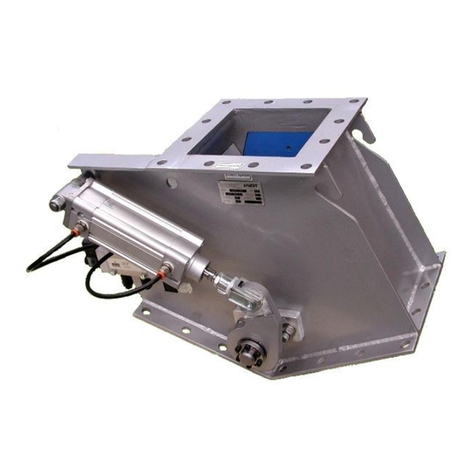
Lifting and Handling Guidelines
Always use suitable lifting equipment and supports.
Make sure that devices (including but not limited to
lifting cranes, chains, or slings) are in good condition and
properly rated for the weight of the valve plus any
mounted actuation components before lifting loads.
Ensure that staff who take part in the lifting process have
sufficient training for the job. Participate in a pre-job
safety meeting or lift plan prior to any operation.
Establish red zones (no-go zones) prior to the lift.
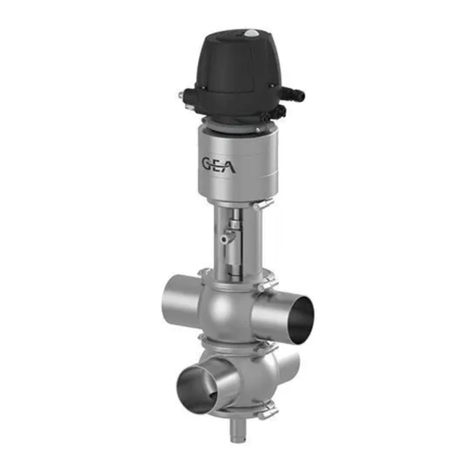
Always secure the lifting to the valve body, never to the
actuator; otherwise, the stem/shaft may be damaged.
Before attaching the load, be aware of the weight of the
load to be lifted and locate the center of gravity to
prepare for how the load will behave and to ensure
balanced lifting. Lift the valve in the position in which
is it to be installed. Lift and move the load at an even pace to avoid swaying. Never leave the load
suspended in mid-air.
Make sure that the valve and actuator (if equipped) are correctly in place and secured prior to detaching
the supports. Make sure the load does not fall over when you undo the supports.
Refer to the packing list or product catalogue for specific valve weight
Refer to detail lifting drawings (available upon request) for specific weight and center of gravity.