Introduction
About this manual
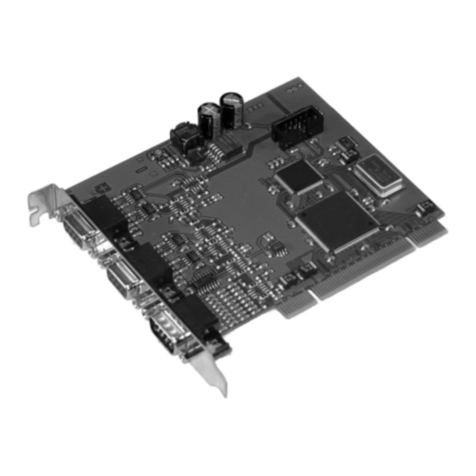
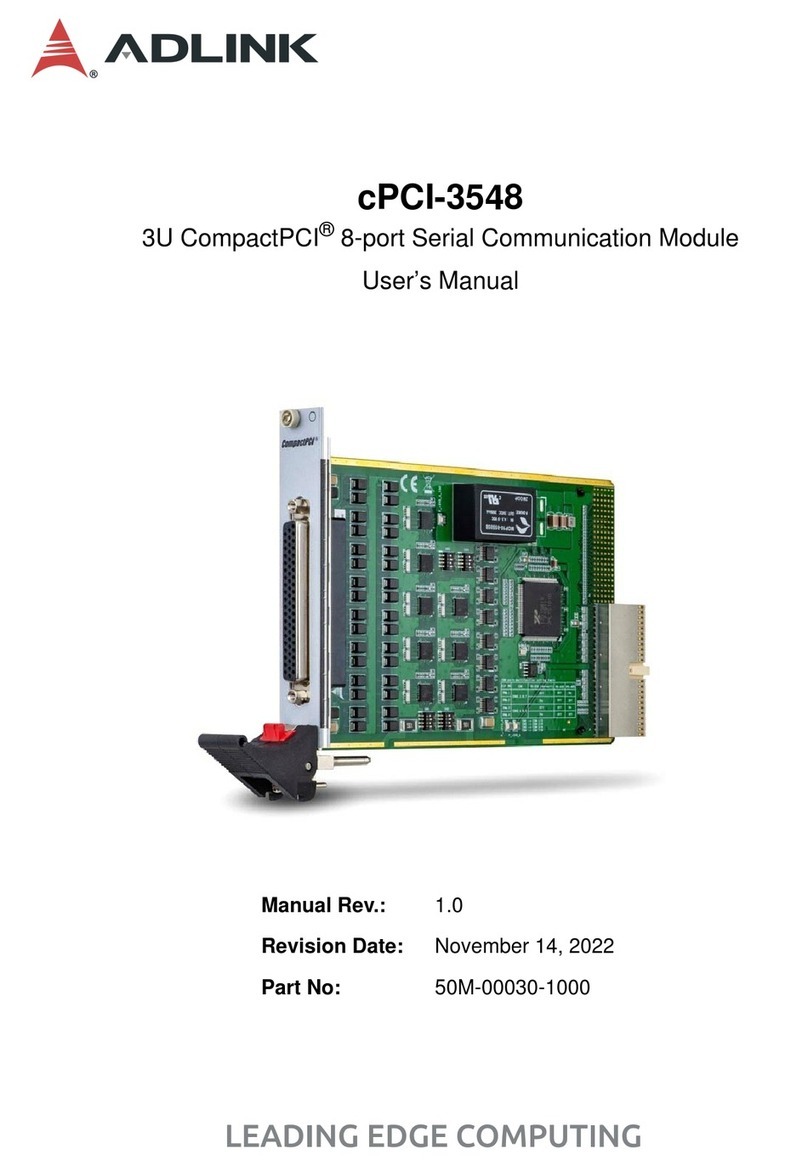
Please note that this manual covers two versions of the Eclipse: the CS-450 external
version, and the CS-460 internal PCI/ISA card version. While they share much of the
internal circuitry with each other, some control methods are not available on the internal
card version. Therefore, some parts of the manual may not apply to the version you have
bought. Side-tabs are used in the manual to highlight areas that apply to the internal
version, the external version, or both.
Features
The Eclipse provides high quality scan conversion (converting computer-type video
signals into television-type video signals), along with easy to use genlock and overlay
features. Its features and controllability make it the ideal method of overlaying computer
titles and graphics - for studio use, data/time overlay, presentations, video titling and
exhibitions.
The external unit is controllable via the on-screen display and push-buttons, infra-red
remote control or directly by a computer's RS232 port - so all features can be easily
accessed. The internal unit is limited to RS232 as standard, as it is intended mostly for
system integration - infra-red control is possible with an optional Infra-Red Receiver
Module. All settings can also be stored in non-volatile memory, and the external version
also features button-lock and Microsoft® serial mouse emulation.
For use in conjunction with other video equipment, the unit's built-in synchronization
(genlock) ability also means it can lock to an external video signal. Fine tuning of the
subcarrier phase adjustment is also possible.
This manual outlines the many features of the Eclipse, how to use them, and how to get
the best out of them. The different control methods are explained to allow you to choose
the most appropriate for your own uses.