manuals.online logo
Brands
  1. Home
  2. •
  3. Brands
  4. •
  5. Warren rupp
  6. •
  7. Control Unit
  8. •
  9. Warren rupp SANDPIPER Signature Series Parts list manual

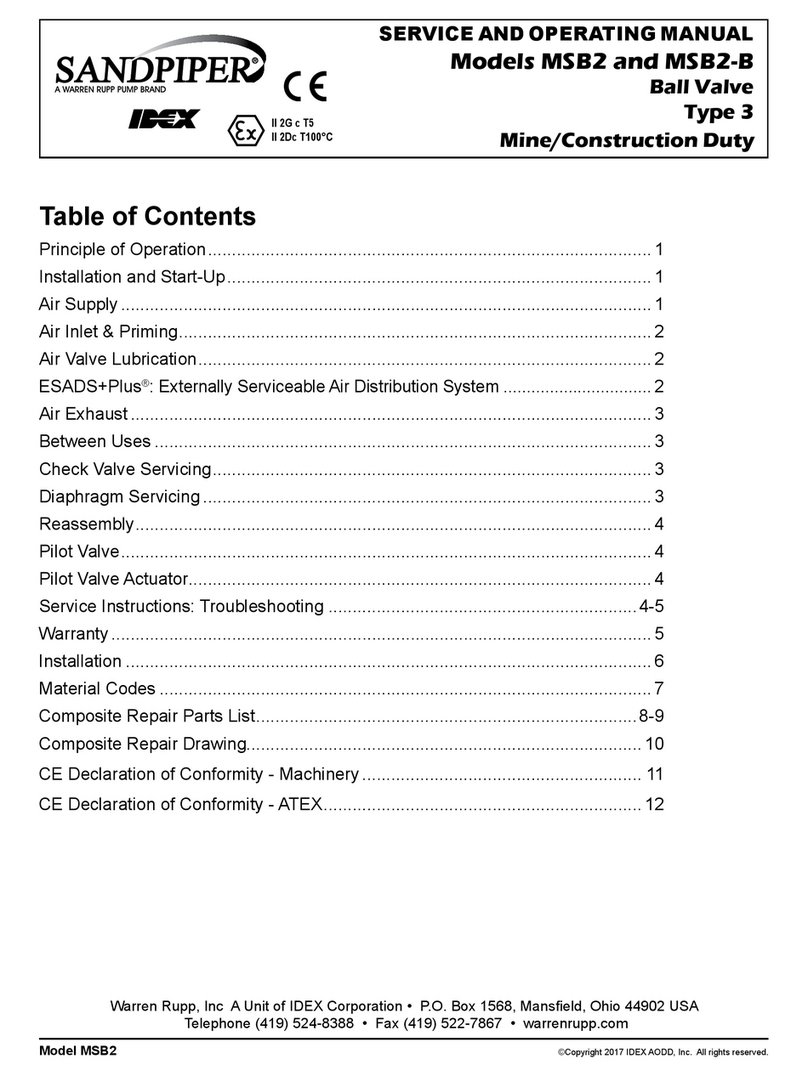
Warren rupp SANDPIPER Signature Series Parts list manual

This manual suits for next models

2

Other Warren rupp Control Unit manuals

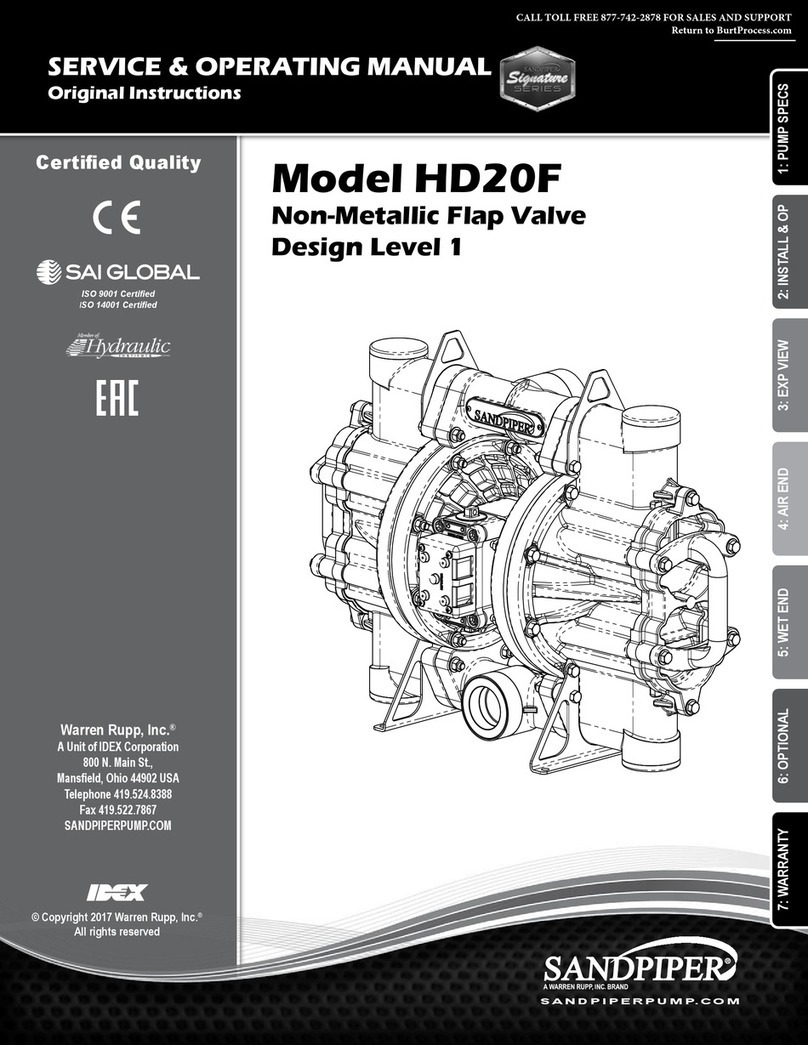
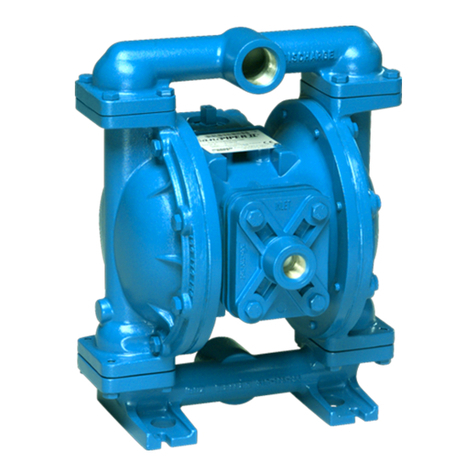
Warren rupp Sandpiper HD20F Parts list manual

Warren rupp

Warren rupp Sandpiper HD20F Parts list manual

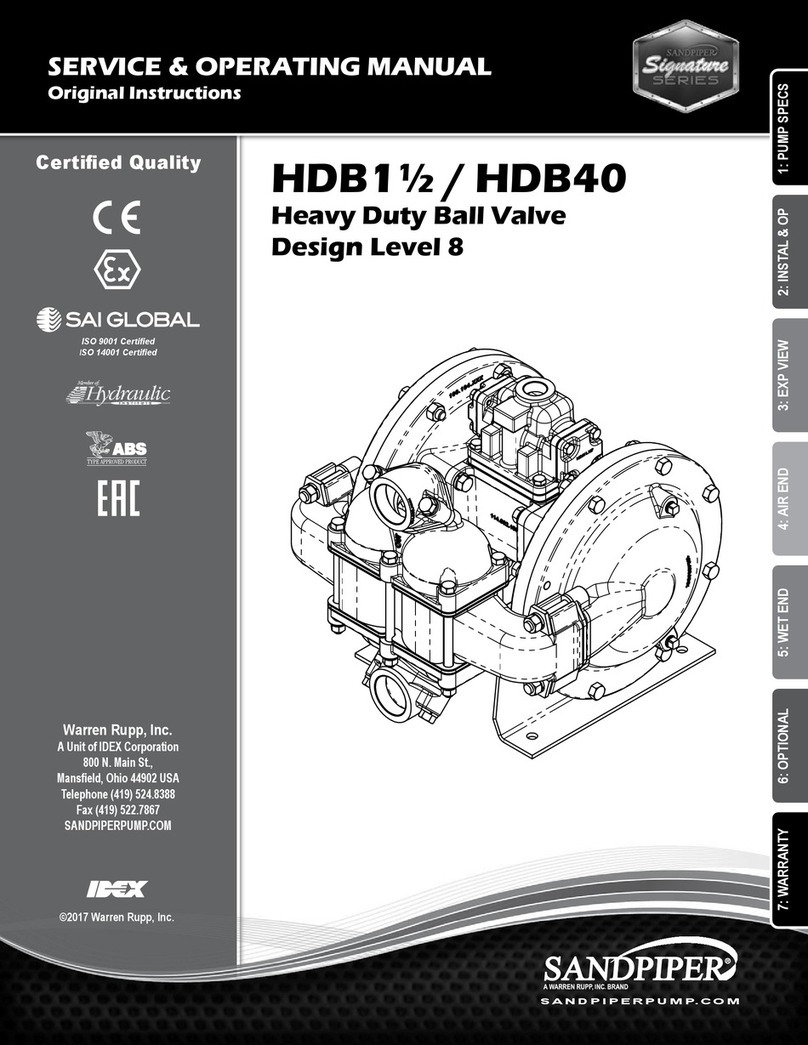
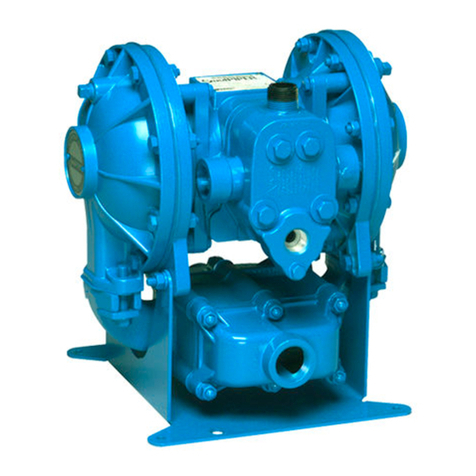
Warren rupp Sandpiper HDB1 1/2 Parts list manual

Warren rupp

Warren rupp Sandpiper HDB1 1/2 Parts list manual

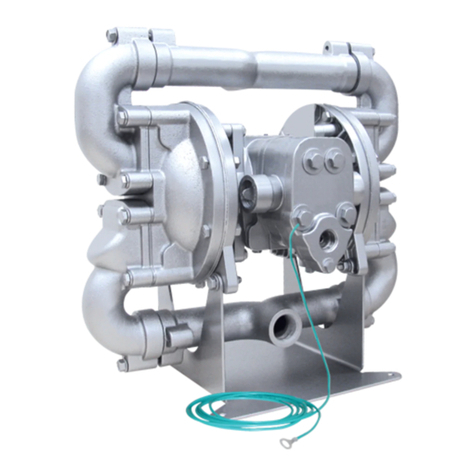
Warren rupp SANDPIPER G Series User manual

Warren rupp

Warren rupp SANDPIPER G Series User manual

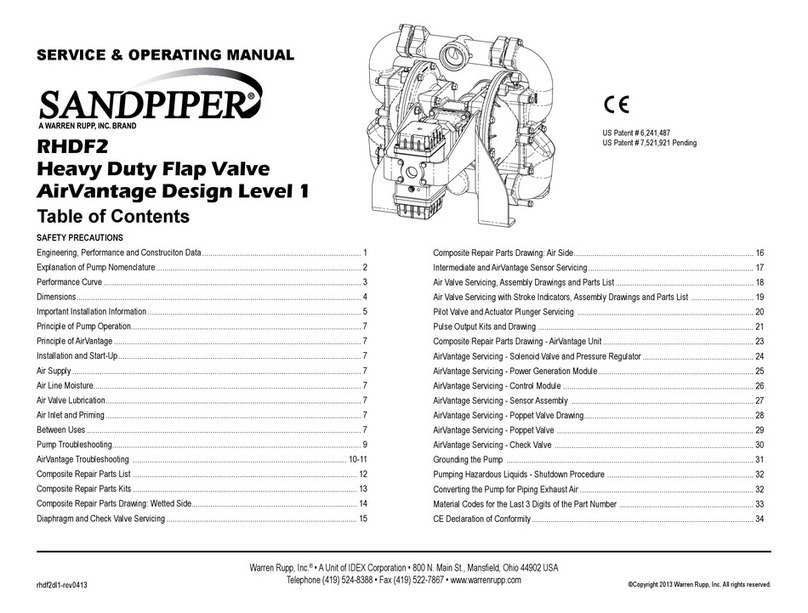
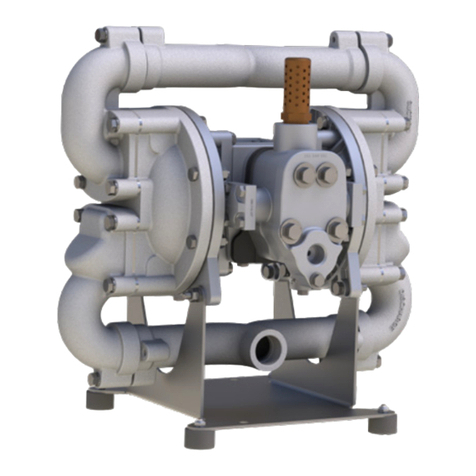
Warren rupp SANDPIPER RHDF2 Parts list manual

Warren rupp

Warren rupp SANDPIPER RHDF2 Parts list manual

Warren rupp SANDPIPER MSB2 User manual

Warren rupp

Warren rupp SANDPIPER MSB2 User manual

Warren rupp HDF3-A User manual

Warren rupp

Warren rupp HDF3-A User manual

Warren rupp SANDPIPER S1FB1ABWANS000 Parts list manual

Warren rupp

Warren rupp SANDPIPER S1FB1ABWANS000 Parts list manual

Warren rupp Sandpiper HDF1 Parts list manual

Warren rupp

Warren rupp Sandpiper HDF1 Parts list manual

Warren rupp Sandpiper SA1 Parts list manual

Warren rupp

Warren rupp Sandpiper SA1 Parts list manual

Popular Control Unit manuals by other brands

Seitz 14A80 user manual

Seitz

Seitz 14A80 user manual

Wilo RS485 Installation and operating instructions

Wilo

Wilo RS485 Installation and operating instructions

Becker CentralControl CC41 Commissioning Instruction

Becker

Becker CentralControl CC41 Commissioning Instruction

SICK CDB650 operating instructions

SICK

SICK CDB650 operating instructions

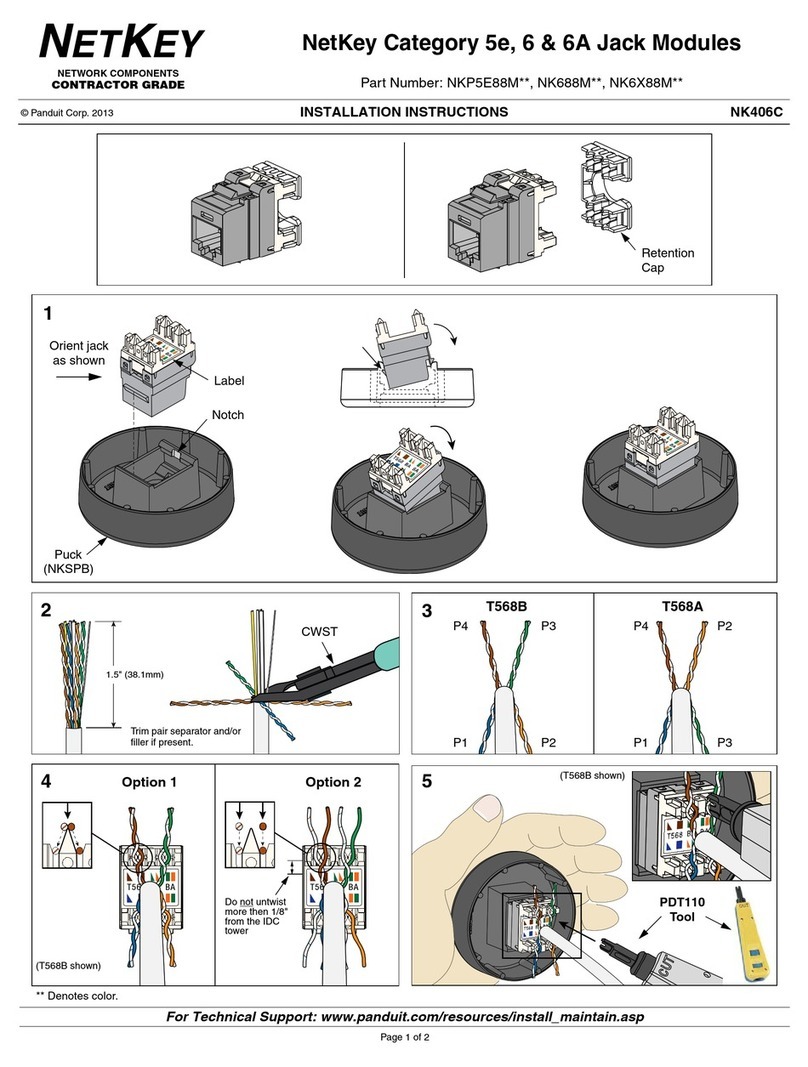
Panduit NetKey NKP5E88M Series installation instructions

Panduit

Panduit NetKey NKP5E88M Series installation instructions

MX Options Concentric Petite Fitting instructions

MX

MX Options Concentric Petite Fitting instructions

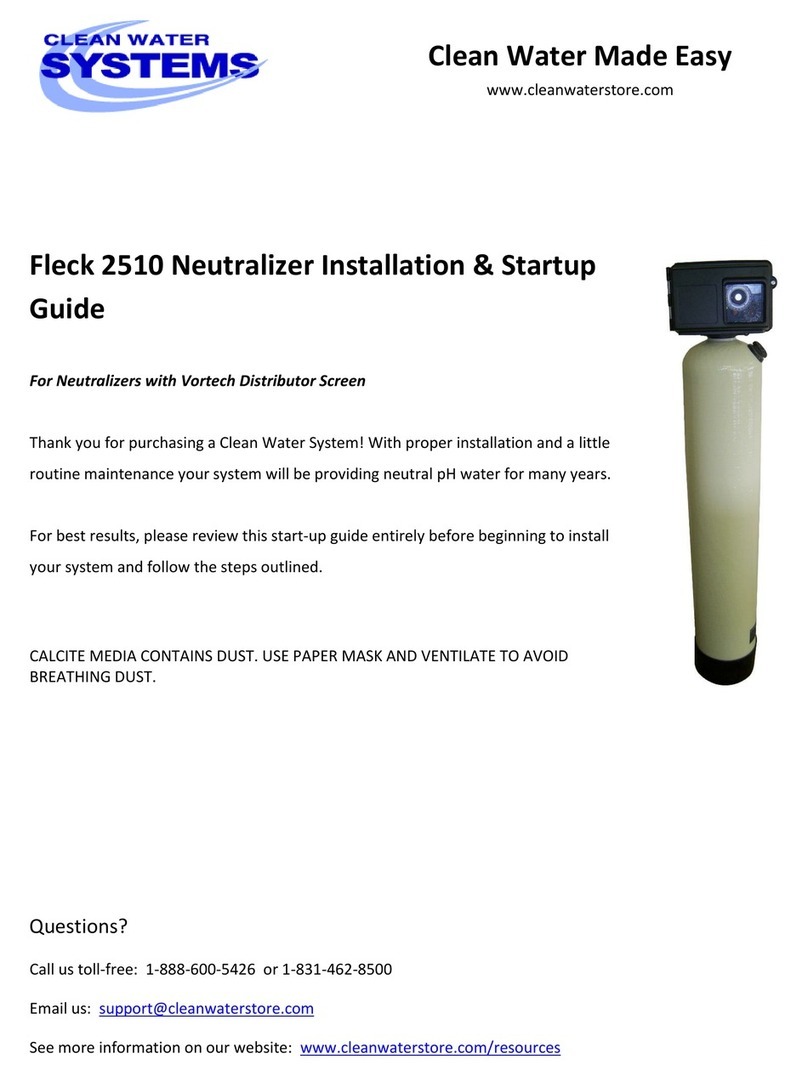
Clean Water Systems Fleck 2510 Installation & start?up guide

Clean Water Systems

Clean Water Systems Fleck 2510 Installation & start?up guide

Fairchild FSB44104A user guide

Fairchild

Fairchild FSB44104A user guide

LEGRAND Wattstopper LMIN-104 installation instructions

LEGRAND

LEGRAND Wattstopper LMIN-104 installation instructions

PMK ATT10BNCS instruction manual

PMK

PMK ATT10BNCS instruction manual

Tektronix TDS3FFT user manual

Tektronix

Tektronix TDS3FFT user manual

Woodward easYgen Technical manual

Woodward

Woodward easYgen Technical manual

Balluff BNI EIP-502-105-R015 user guide

Balluff

Balluff BNI EIP-502-105-R015 user guide

NXP Semiconductors TWR-LS1021A Getting started

NXP Semiconductors

NXP Semiconductors TWR-LS1021A Getting started

Advantech PCM-3117 Startup manual

Advantech

Advantech PCM-3117 Startup manual

Danfoss MCO 101 manual

Danfoss

Danfoss MCO 101 manual

Moons' Lin Engineering R701P user manual

Moons'

Moons' Lin Engineering R701P user manual

Aventics RV1 operating instructions

Aventics

Aventics RV1 operating instructions

manuals.online logo
manuals.online logoBrands
  • About & Mission
  • Contact us
  • Privacy Policy
  • Terms and Conditions

Copyright 2025 Manuals.Online. All Rights Reserved.


Model HDF3M
& HDF4M
Heavy Duty Flap Valve
Design Level 2

A Unit of IDEX Corporation
800 N. Main St.,
Manseld, Ohio 44902 USA
Telephone (419) 524.8388
Fax (419) 522.7867
SANDPIPERPUMP.COM
© Copyright 2017 Warren Rupp, Inc.
All rights reserved
Certied Quality
ISO 9001 Certied
ISO 14001 Certied
SERVICE & OPERATING MANUAL
Original Instructions
1: PUMP SPECS2: INSTAL & OP3: EXP VIEW4: AIR END5: WET END6: OPTIONAL7: WARRANTY
hdf3dl2sm-rev1218
sandp ipe rpu mp.c om
Model HDF3M/HDF4M
IMPORTANT
Read the safety warnings and instructions in this manual
before pump installation and start-up. Failure to comply with
the recommendations stated in this manual could damage the
pump and void factory warranty.
When used for toxic or aggressive uids, the pump should
always be ushed clean prior to disassembly.
Airborne particles and loud noise hazards. Wear eye and ear
protection.
Before maintenance or repair, shut off the compressed air line,
bleed the pressure, and disconnect the air line from the pump.
Be certain that approved eye protection and protective clothing
are worn at all times. Failure to follow these recommendations
may result in serious injury or death.
When the pump is used for materials that tend to settle out
or solidify, the pump should be ushed after each use to
prevent damage. In freezing temperatures the pump should be
completely drained between uses.
Before pump operation, inspect all fasteners for loosening
caused by gasket creep. Retighten loose fasteners to prevent
leakage. Follow recommended torques stated in this manual.
CAUTION
WARNING
Nonmetallic pumps and plastic components are not UV
stabilized. Ultraviolet radiation can damage these parts and
negatively affect material properties. Do not expose to UV light
for extended periods of time.
In the event of diaphragm rupture, pumped material may enter
the air end of the pump, and be discharged into the atmosphere.
If pumping a product that is hazardous or toxic, the air exhaust
must be piped to an appropriate area for safe containment.
This pump is pressurized internally with air pressure
during operation. Make certain that all fasteners and piping
connections are in good condition and are reinstalled properly
during reassembly.
Take action to prevent static sparking. Fire or explosion can
result, especially when handling ammable liquids. The pump,
piping, valves, containers and other miscellaneous equipment
must be properly grounded.
Safety Information
ATEX Pumps - Conditions For Safe Use
WARNING
Pump not designed, tested or certied to be powered by
compressed natural gas. Powering the pump with natural
gas will void the warranty.
Use safe practices when lifting
kg
WARNING
The use of non-OEM replacement parts will void (or negate)
agency certications, including CE, ATEX, CSA, 3A and EC1935
compliance (Food Contact Materials). Warren Rupp, Inc. cannot
ensure nor warrant non-OEM parts to meet the stringent
requirements of the certifying agencies.
1. Ambient temperature range is as speci ed in tables 1 to 3 on the next page (per Annex I of DEKRA 18ATEX0094X)
2. ATEX compliant pumps are suitable for use in explosive atmospheres when the equipment is properly grounded in
accordance with local electrical codes
3. Non-Metallic ATEX Pumps only — See Explanation of Pump Nomenclature / ATEX Details Page
Conductive Polypropylene, conductive Acetal or conductive PVDF pumps are not to be installed in applications where the
pumps may be subjected to oil, greases and hydraulic liquids.
4. The optionally provided solenoids shall be protected by a fuse corresponding to its rated current (max 3*Irat according
to EN 60127) or by a motor protecting switch with short circuit and thermal instantaneous tripping (set to the rated
current) as short circuit protection. For solenoids with a very low rated current, a fuse with the lowest current value
according to the indicated standard will be suffi cient. The fuse may be accommodated in the associated supply unit
or shall be separately arranged. The rated voltage of the fuse shall be equal or greater than the stated rated voltage of the
solenoid. The breaking capacity of the fuse shall be as high as or higher than the maximum expected short circuit current
at the location of the installation (usually 1500 A). The maximum permissible ripple is 20% for all dc solenoids.
*Not applicable for all pump models — See Explanation of Pump Nomenclature / ATEX Details Page
5. When operating pumps equipped with non-conductive diaphragms that exceed the maximum permissible projected area,
as de ned in EN ISO 80079-36 : 2016 section 6.7.5 table 8, the following protection methods must be applied
- Equipment is always used to transfer electrically conductive fl uids or
- Explosive environment is prevented from entering the internal portions of the pump, i.e. dry running.
6. Pumps provided with the pulse output kit and used in the potentially explosive atmosphere caused by the presence of
the combustible dust shall be installed in such a way that the pulse output kit is protected against impact
*Not applicable for all pump models — See Explanation of Pump Nomenclature / ATEX Details Page
UNIVERSAL ALL AODD
hdf3dl2sm-rev1218
sa ndp ipe rpu mp.c om Model HDF3M/HDF4M • 3
Temperature Tables
Ambient Temperature
Range [°C]
Process Temperature
Range [°C]1
Temperature
Class
Maximum Surface Tem-
perature [°C]
-20°C to +60°C
-20°C to +80°C T5 T100°C
-20°C to +108°C T4 T135°C
-20°C to + 160°C T3
T200°C
-20°C to +177°C (225°C) T2

Ambient Temperature
Range [°C]
Process Temperature
Range [°C]
Temperature
Class
Maximum Sur-
face Temperature
[°C]
Options
Pulse Output
Kit
Integral Solenoid
-20°C to +60°C -20°C to +100°C T5 T100 X
-20°C to +50°C -20°C to +100°C T5 T100 X
Ambient Temperature
Range [°C]
Process Temperature
Range [°C]
-20°C to +60°C -20°C to +150°C
1Per CSA standards ANSI LC6-2018 US & Canadian Technical Letter R14, G-Series Natural Gas Models are restricted to (-20°C to + 80°C) process temperature
Note: The ambient temperature range and the process temperature range should not exceed the operating
temperature range of the applied non-metallic parts as listed in the manuals of the pumps.
2ATEX Pulse output or Intergral Solenoid Not Available For All Pump Models See Explanation of Pump Nomenclature / ATEX Details Page


hdf3dl2sm-rev1218
4 • Model HDF3M/HDF4M sa ndp ipe rpu mp.c om
Table of Contents
SECTION 1: PUMP SPECIFICATIONS ..............1
• Explanation of Nomenclature
• Performance
• Materials
• Dimensional Drawings
SECTION 2: INSTALLATION & OPERATION ...4
• Principle of Pump Operation
• Recommended Installation Guide
• Troubleshooting Guide
SECTION 3: EXPLODED VIEW ..........................7
• Composite Repair Parts Drawing
• Composite Repair Parts List
• Material Codes
SECTION 4: AIR END ......................................10
• Air Distribution Valve Assembly
• Air Valve with Stroke Indicator Assembly
• Pilot Valve Assembly
• Intermediate Assembly
SECTION 5: WET END.....................................13
• Diaphragm Drawings
• Diaphragm Servicing
SECTION 7: WARRANTY & CERTIFICATES . . 15
• Warranty
• EC Declaration of Conformity - Machinery
• EC Declaration of Conformity - ATEX
MODEL SPECIFIC
1: PUMP SPECS2: INSTAL & OP3: EXP VIEW4: AIR END5: WET END6: OPTIONAL7: WARRANTY
hdf3dl2sm-rev1218
sa ndp ipe rpu mp.c om Model Model HDF3M/HDF4M • 5
Explanation of Pump Nomenclature
ATEX Detail
Wet End Materials
A Neoprene/Urethane
B Nitrile
 Neoprene/Hytrel
N Neoprene
S Santoprene
Design Level

Construction
II Cast Iron Wetted, Cast Iron Air
Options
P0 10-30 VDC Pulse Output Kit
P1 Intrinsically Safe ATEX Compliant
Pulse Output
 110/120 or 220/240 VAC Pulse output Kit
Pump Series
HD Heavy Duty
Pump Design
F Flap
Pump Size
3M 3" 150# ANSI Style Flange
4M 4" 150# ANSI Style Flange
Discharge Porting Position
D Top Suction / Bottom Discharge
Your Serial #: (ll in from pump nameplate) _____________________________________
__ __ _____ __ ___ __ __ __
Pump Pump Pump
Options
Discharge Diaphragm/ Design Construction
Series Design Size Porting
Valve
Level
XX X XXXX, X XX X XX X
Model #:
(ll in from pump
nameplate)
Your Model #:
ATEX Details
Wetted
Material
Options
Non-Wetted
Material
Options
Pump
Options

Options
II 1 G Ex h IIC T5...225°C (T2) Ga
II 1D Ex h IIIC T100°C...T200°C Da
I M1 Ex h I Ma
H, S C6 00
II 2 G Ex h IIC T5...225°C (T2) Gb
II 2 D Ex h IIIC T100°C...T200°C Db A, H, S A, C, Y **0, 6 00
II 2 G Ex h ia IIC T5 Gb
II 2 D Ex h ia IIIC T100°C Db A, H, S A, C, Y **0, 6 P1
II 2 G Ex h mb IIC T5 Gb
II 2 D Ex h mb tb IIIC T100°C Db A, H, S A, C, Y **0, 6 A1, A2, A3, A4
S05 M
ATEX Details
Wetted
Material
Options
Non-Wetted
Material
Options
Pump
Options

Options
II 1 G Ex h IIC T5...225°C (T2) Ga
II 1D Ex h IIIC T100°C...T200°C Da
I M1 Ex h I Ma
H, I, S I, Z 6 00
II 2 G Ex h IIC T5...225°C (T2) Gb
II 2 D Ex h IIIC T100°C...T200°C Db A, H, I, S, X A, I, Y, Z 6 00
II 2 G E x h ia IIC T5 Gb
II 2 D Ex h ia IIIC T100°C Db A, H, I, S, X A, I, Y, Z 6 P1
II 2 G Ex h mb IIC T5 Gb
II 2 D Ex h mb tb IIIC T100°C Db A, H, I, S, X A, I, Y, Z 6 A1, A2, A3, A4
S1F M, M1F Remove wetted material option X
**Pump option 0 is only ATEX compliant with non-wetted material option C
ATEX Details
Wetted
Material
Options
Non-Wetted
Material
Options
Pump
Options

Options
II 1 G Ex h IIC T5...225°C (T2) Ga
II 1D Ex h IIIC T100°C...T200°C Da
I M1 Ex h I Ma
H, I, S I, S, Z 6 00
II 2 G Ex h IIC T5...225°C (T2) Gb
II 2 D Ex h IIIC T100°C...T200°C Db A, H, I, S, X A, I, S, Y, Z 6 00
II 2 G Ex h ia IIC T5 Gb
II 2 D Ex h ia IIIC T100°C Db A, H, I, S, X A, I, S, Y, Z 6 P1
II 2 G Ex h mb IIC T5 Gb
II 2 D Ex h mb tb IIIC T100°C Db A, H, I, S, X A, I, S, Y, Z 6 A1, A2, A3, A4
S15,S20,S30 M
ATEX Details
Wetted
Material
Options
Non-Wetted
Material
Options
Pump
Options

Options
II 1 G Ex h IIC T5...225°C (T2) Ga
II 1D Ex h IIIC T100°C...T200°C Da
I M1 Ex h I Ma
C, V C6 00
II 2 G Ex h IIC T5...225°C (T2) Gb
II 2 D Ex h IIIC T100°C...T200°C Db C, V C0, 6 00
II 2 G Ex h ia IIC T5 Gb
II 2 D Ex h ia IIIC T100°C Db C, V C0, 6 P1
II 2 G Ex h mb IIC T5 Gb
II 2 D Ex h mb tb IIIC T100°C Db C, V C0, 6 A1, A2, A3, A4
S05, S1F NM
ATEX Details
Wetted
Material
Options
Non-Wetted
Material
Options
Pump
Options

Options
I 1 G Ex h IIC T5...225°C (T2) Ga
II 1D Ex h IIIC T100°C...T200°C Da
I M1 Ex h I Ma
C C 6 00
II 2 G Ex h IIC T5...225°C (T2) Gb
II 2 D Ex h IIIC T100°C...T200°C Db C C 0, 6 00
II 2 G Ex h ia IIC T5 Gb
II 2 D Ex h ia IIIC T100°C Db C C 0 ,6 P1
II 2 G Ex h mb IIC T5 Gb
II 2 D Ex h mb tb IIIC T100°C Db C C 0 ,6 A1, A2, A3, A4
S15,S20 NM
ATEX Details Construction Options
II 2 G Ex h IIC T5...225°C (T2) Gb
II 2 D Ex h IIIC T100°C...T200°C Db CA 00
II 2 G Ex h ia IIC T5 Gb
II 2 D Ex h ia IIIC T100°C Db CA P1
PB1/4
ATEX Details
Wetted
Material
Options
Non-Wetted
Material
Options
II 1 G Ex h IIC T5...225°C (T2) Ga
II 1D Ex h IIIC T100°C...T200°C Da
I M1 Ex h I Ma
S S, T, 7, 8, 9
II 2 G Ex h IIC T5...225°C (T2) Gb
II 2 D Ex h IIIC T100°C...T200°C Db All Options All Options
G15, G20, G30
ATEX Details Construction Options
II 1 G Ex h IIC T5...225°C (T2) Ga
II 1D Ex h IIIC T100°C...T200°C Da
I M1 Ex h I Ma
II, SI, HI N/A
II 2 G Ex h IIC T5...225°C (T2) Gb
II 2 D Ex h IIIC T100°C...T200°C Db A, CI, II, HI, HC, SI, SS P1
ST1 1/2
ATEX Details Construction Options
II 1 G Ex h IIC T5...225°C (T2) Ga
II 1D Ex h IIIC T100°C...T200°C Da
I M1 Ex h I Ma
II, SI 00
II 2 G Ex h IIC T5...225°C (T2) Gb
II 2 D Ex h IIIC T100°C...T200°C Db A, I, SI, SS 00
II 2 G Ex h ia IIC T5 Gb
II 2 D Ex h ia IIIC T100°C Db A, I, II, SI, SS P1
ATEX Details Construction Options
II 1 G Ex h IIC T5...225°C (T2) Ga
II 1D Ex h IIIC T100°C...T200°C Da
I M1 Ex h I Ma
SI, HI 00
II 2 G Ex h IIC T5...225°C (T2) Gb
II 2 D Ex h IIIC T100°C...T200°C Db A, SI, SS, HC, HI 00
II 2 G Ex h ia IIC T5 Gb
II 2 D Ex h ia IIIC T100°C Db A, HC, HI, SI, SS P1
HDF1, HDF2
SB1, SA1
ATEX Details Construction Options
II 1 G Ex h IIC T5...225°C (T2) Ga
II 1D Ex h IIIC T100°C...T200°C Da
I M1 Ex h I Ma
II 00
II 2 G Ex h ia IIC T5 Gb
II 2 D Ex h ia IIIC T100°C Db II P1
HDF3M
ATEX Details Construction Options
II 1 G Ex h IIC T5...225°C (T2) Ga
II 1D Ex h IIIC T100°C...T200°C Da
I M1 Ex h I Ma
CI, SI 00
II 2 G Ex h ia IIC T5 Gb
II 2 D Ex h ia IIIC T100°C Db CI, SI P1
HDB3
ATEX Details Construction Options
II 1 G Ex h IIC T5...225°C (T2) Ga
II 1D Ex h IIIC T100°C...T200°C Da
I M1 Ex h I Ma
SI, HI, II 00
II 2 G Ex h IIC T5...225°C (T2) Gb
II 2 D Ex h IIIC T100°C...T200°C Db A, CI, SS, HC 00
II 2 G Ex h ia IIC T5 Gb
II 2 D Ex h ia IIIC T100°C Db A, CI, II, HI, HC, SI, SS P1
HDB2
ATEX Details Construction Options
II 1 G Ex h IIC T5...225°C (T2) Ga
II 1D Ex h IIIC T100°C...T200°C Da
I M1 Ex h I Ma
SI, II 00
II 2 G Ex h IIC T5...225°C (T2) Gb
II 2 D Ex h IIIC T100°C...T200°C Db A, CI, SS 00
II 2 G Ex h ia IIC T5 Gb
II 2 D Ex h ia IIIC T100°C Db A, CI, II, SI, SS P1
HDB1
ATEX Details Construction Options
II 1 G Ex h IIC T5...225°C (T2) Ga
II 1D Ex h IIIC T100°C...T200°C Da
I M1 Ex h I Ma
II, SI 00
II 2 G Ex h IIC T5...225°C (T2) Gb
II 2 D Ex h IIIC T100°C...T200°C Db A, I, SI, SS 00
HDF3A

MODEL SPECIFIC
1: PUMP SPECS
hdf3dl2sm-rev1218
sa ndp ipe rpu mp.c om
6 • Model HDF3M/HDF4M
Performance
HDF3M/HDF4M
SUCTION/DISCHARGE PORT SIZE
• HDF3-M: 3" ANSI 150# Style Flange
• HDF4-M: 4" ANSI 150# Style Flange
CAPACITY
• 0 to 303 gallons per minute
(0 to 1,147 liters per minute)
AIR DISTRIBUTION VALVE
• No-lube, no-stall design
SOLIDS-HANDLING
• Up to 3" (75mm)
HEADS UP TO
• 125 psi or 289 ft. of water
(8.8 Kg/cm2or 88 meters)
MAXIMUM OPERATING PRESSURE
• 125 psi (8.6 bar)
DISPLACEMENT/STROKE
• 1.15 Gallon / 4.37 liter
SHIPPING WEIGHT
• HDF3M 400 lbs. (175 kg)
• HDF4M 470 lbs. (206 kg)
Materials
Material Prole: Operating
Temperatures:
Max. Min.
Conductive Acetal: Tough, impact resistant, ductile. Good
abrasion resistance and low friction surface. Generally inert, with
good chemical resistance except for strong acids and oxidizing
agents.
190°F
88°C
-20°F
-29°C
EPDM: Shows very good water and chemical resistance. Has
poor resistance to oils and solvents, but is fair in ketones and
alcohols.
280°F
138°C
-40°F
-40°C
FKM: (Fluorocarbon) Shows good resistance to a wide range
of oils and solvents; especially all aliphatic, aromatic and
halogenated hydrocarbons, acids, animal and vegetable oils.
Hot water or hot aqueous solutions (over 70°F(21°C)) will
attack FKM.
350°F
177°C
-40°F
-40°C
Hytrel®: Good on acids, bases, amines and glycols at room
temperatures only.
220°F
104°C
-20°F
-29°C
Neoprene: All purpose. Resistance to vegetable oils. Generally
not affected by moderate chemicals, fats, greases and many
oils and solvents. Generally attacked by strong oxidizing acids,
ketones, esters and nitro hydrocarbons and chlorinated aromatic
hydrocarbons.
200°F
93°C
-10°F
-23°C
Nitrile: General purpose, oil-resistant. Shows good solvent, oil,
water and hydraulic uid resistance. Should not be used with
highly polar solvents like acetone and MEK, ozone, chlorinated
hydrocarbons and nitro hydrocarbons.
190°F
88°C
-10°F
-23°C
Nylon: 6/6 High strength and toughness over a wide
temperature range. Moderate to good resistance to fuels, oils
and chemicals.
180°F
82°C
32°F
0°C
Polypropylene: A thermoplastic polymer. Moderate tensile
and ex strength. Resists stong acids and alkali. Attacked by
chlorine, fuming nitric acid and other strong oxidizing agents.
180°F
82°C
32°F
0°C
PVDF: (Polyvinylidene Fluoride) A durable uoroplastic with
excellent chemical resistance. Excellent for UV applications.
High tensile strength and impact resistance.
250°F
121°C
0°F
-18°C
Santoprene®: Injection molded thermoplastic elastomer with
no fabric layer. Long mechanical ex life. Excellent abrasion
resistance.
275°F
135°C
-40°F
-40°C
UHMW PE: A thermoplastic that is highly resistant to a broad
range of chemicals. Exhibits outstanding abrasion and impact
resistance, along with environmental stress-cracking resistance.
180°F
82°C
-35°F
-37°C
Urethane: Shows good resistance to abrasives. Has poor
resistance to most solvents and oils.
150°F
66°C
32°F
0°C
Virgin PTFE: (PFA/TFE) Chemically inert, virtually impervious.
Very few chemicals are known to chemically react with PTFE;
molten alkali metals, turbulent liquid or gaseous uorine and
a few uoro-chemicals such as chlorine triuoride or oxygen
diuoride which readily liberate free uorine at elevated
temperatures.
220°F
104°C
-35°F
-37°C
Maximum and Minimum Temperatures are the limits for which these materials can be operated.
Temperatures coupled with pressure affect the longevity of diaphragm pump components.
Maximum life should not be expected at the extreme limits of the temperature ranges.

Alloy C: Equal to ASTM494 CW-12M-1 specication for nickel and nickel alloy.
Stainless Steel: Equal to or exceeding ASTM specication A743 CF-8M for corrosion
resistant iron chromium, iron chromium nickel and nickel based alloy castings for
general applications. Commonly referred to as 316 Stainless Steel in the pump industry.
For specic applications, always consult the Chemical Resistance Chart.
CAUTION! Operating temperature limitations are as follows:
40 PSI
60 PSI
80 PSI
100 PSI
(6.8 Bar)
(2.72 Bar)
(4.08 Bar)
(5.44 Bar)
(1.36 Bar)
PSI
125 PSI
(8.6 Bar)
20 PSI Air Inlet Pressure
BAR
0
1
2
7
3
4
5
6
HEAD
AIR CONSUMPTION
SCFM (M3/hr)
MODEL HDF3M/HDF4M Performance Curve
Performance based on the following: elastomer fitted pump, flooded suction, water at ambient temperature. .
The use of other materials and varying hydraulic conditions may result in deviations in excess of 5%.
0
20
40
60
80
100
120
140
0 20 40 60 80 100 120 140 160 180 220 240 280 320
10(17)
20(34)
40(68)
60(102)
80(136)100(170)
120(204)
140(238)
160(272)
0 200100 400
300 500 600 700 800 900 1000 1100 1200
200 260 300
9
8
Liters per Minute
Capacity
US Gallons per Minute
MODEL SPECIFIC UNIVERSAL ALL AODD
1: PUMP SPECS
hdf3dl2sm-rev1218
sa ndp ipe rpu mp.c om Model Model HDF3M/HDF4M • 7
HDF3-M Heavy Duty Flap Valve
Dimensions in inches (metric dimensions in brackets). Dimensional Tolerance .125" (3mm).
2X
7.50
191
15.93
405
2X
6.00
152
8X
.75
19
2X
2.00
51
32.31
821
30.31
770
AIR INLET
3/4" NPT (FEMALE)
13.13
333
14.63
371
7.06
179
5.30
135
10.38
264
11.63
295
2X
3.00
76
4X
.56
14
3.75
95
3.75
95
5.06
129
26.56
675
16.19
411
DISCHARGE PORT
3" 150# ANSI
STYLE FLANGE
SUCTION PORT
3" 150# ANSI
STYLE FLANGE
Dimensional Drawings
MODEL SPECIFIC
1: PUMP SPECS
hdf3dl2sm-rev1218
sa ndp ipe rpu mp.c om
8 • Model HDF3M/HDF4M
32.31
821
2X
9.00
229
15.93
405
2X
2.00
51
2X
7.50
191
16X
.53
13
31.06
789
AIR INLET
3/4" NPT (FEMALE)
6.75
171
5.06
129
15.93
405
26.56
675
16.19
411
SUCTION PORT
4" 150# ANSI
STYLE FLANGE
DISCHARGE PORT
4" 150# ANSI
STYLE FLANGE
7.06
179
5.30
135
13.13
333
10.38
264
14.63
371
11.63
295
4X
.56
14
2X
3.00
76
EXHAUST PORT
1" NPT (FEMALE)
HDF4-M Heavy Duty Flap Valve
Dimensions in inches (metric dimensions in brackets). Dimensional Tolerance .125" (3mm).
Dimensional Drawings
1: PUMP SPECS
hdf3dl2sm-rev1218
sa ndp ipe rpu mp.c om Model HDF3M/HDF4M • 9
Principle of Pump Operation
Air-Operated Double Diaphragm (AODD) pumps are powered by compressed
air or nitrogen.
The main directional (air) control valve ①distributes compressed air to
an air chamber, exerting uniform pressure over the inner surface of the
diaphragm
②. At the same time, the exhausting air ③ from behind the
opposite diaphragm is directed through the air valve assembly(s) to an
exhaust port ④.
As inner chamber pressure (P1) exceeds liquid chamber pressure (P2),
the rod ⑤connected diaphragms shift together creating discharge on one
side and suction on the opposite side. The discharged and primed liquid’s
directions are controlled by the check valves (ball or ap)⑥orientation.
The pump primes as a result of the suction stroke. The suction stroke lowers
the chamber pressure (P3) increasing the chamber volume. This results in
a pressure differential necessary for atmospheric pressure (P4) to push the
uid through the suction piping and across the suction side check valve and
into the outer uid chamber ⑦.
Suction (side) stroking also initiates the reciprocating (shifting, stroking
or cycling) action of the pump. The suction diaphragm’s movement is
mechanically pulled through its stroke. The diaphragm’s inner plate makes
contact with an actuator plunger aligned to shift the pilot signaling valve.
Once actuated, the pilot valve sends a pressure signal to the opposite end
of the main directional air valve, redirecting the compressed air to the
opposite inner chamber.
UNIVERSAL ALL AODD
2: INSTAL & OP
hdf3dl2sm-rev1218
sa ndp ipe rpu mp.c om
10 • Model HDF3M/HDF4M
Recommended Installation Guide
Installation and Start-Up
Locate the pump as close to the product being pumped as possible. Keep the suction line length and number of ttings to a minimum. Do not reduce the suction line
diameter.
Air Supply
Connect the pump air inlet to an air supply with sufcient capacity and pressure to achieve desired performance. A pressure regulating valve should be installed to
insure air supply pressure does not exceed recommended limits.
Air Valve Lubrication
The air distribution system is designed to operate WITHOUT lubrication. This is the standard mode of operation. If lubrication is desired, install an air line lubricator
set to deliver one drop of SAE 10 non-detergent oil for every 20 SCFM (9.4 liters/sec.) of air the pump consumes. Consult the Performance Curve to determine air
consumption.
Air Line Moisture
Water in the compressed air supply may cause icing or freezing of the exhaust air, causing the pump to cycle erratically or stop operating. Water in the air supply can
be reduced by using a point-of-use air dryer.
Air Inlet and Priming
To start the pump, slightly open the air shut-off valve. After the pump primes, the air valve can be opened to increase air ow as desired. If opening the valve
increases cycling rate, but does not increase the rate of ow, cavitation has occurred. The valve should be closed slightly to obtain the most efcient air ow to pump
ow ratio.
CAUTION
The air exhaust should
be piped to an area
for safe disposition
of the product being
pumped, in the event of
a diaphragm failure.
1
Surge Suppressor
Flexible Connector
Pipe Connection
(Style Optional)
Shut-Off Valve
Pressure Gauge
Drain Port
Muffler
(Optional Piped Exhaust)
Flexible
Connection
3
Dryer
Unregulated Air
Supply to Surge
Suppressor
Shut Off
Valve
Flexible Connector
Pipe Connection
(Style Optional
Drain Port
Shut-Off
Valve
Compound
Gauge
Suction Port
Discharge Port
Air Inlet
2
Filter Regulator
4
Lubricator
Check Valve
Note
: Surge Suppressor and
Piping, including air line,
must be supported after
the flexible connections.

 Surge Suppressor
Filter/Regulator
Air Dryer
Lubricator
UNIVERSAL ALL AODD, EXCEPT FLAP
2: INSTAL & OP