• What does the alarm do?
The alarm system doesn’t run the AirTech™ system, it is
an audible and visual alarm to alert the homeowner of
possible issues with the system
• My septic tank is starting to smell, what do I do?
Your systems anaerobic bacteria has died or is dying –
check the points in the guidelines section (pages 6 & 7) of
this manual. If you are still not happy with the results, please
consult your independent service supplier for assistance
• My septic tank is overflowing, what do I do?
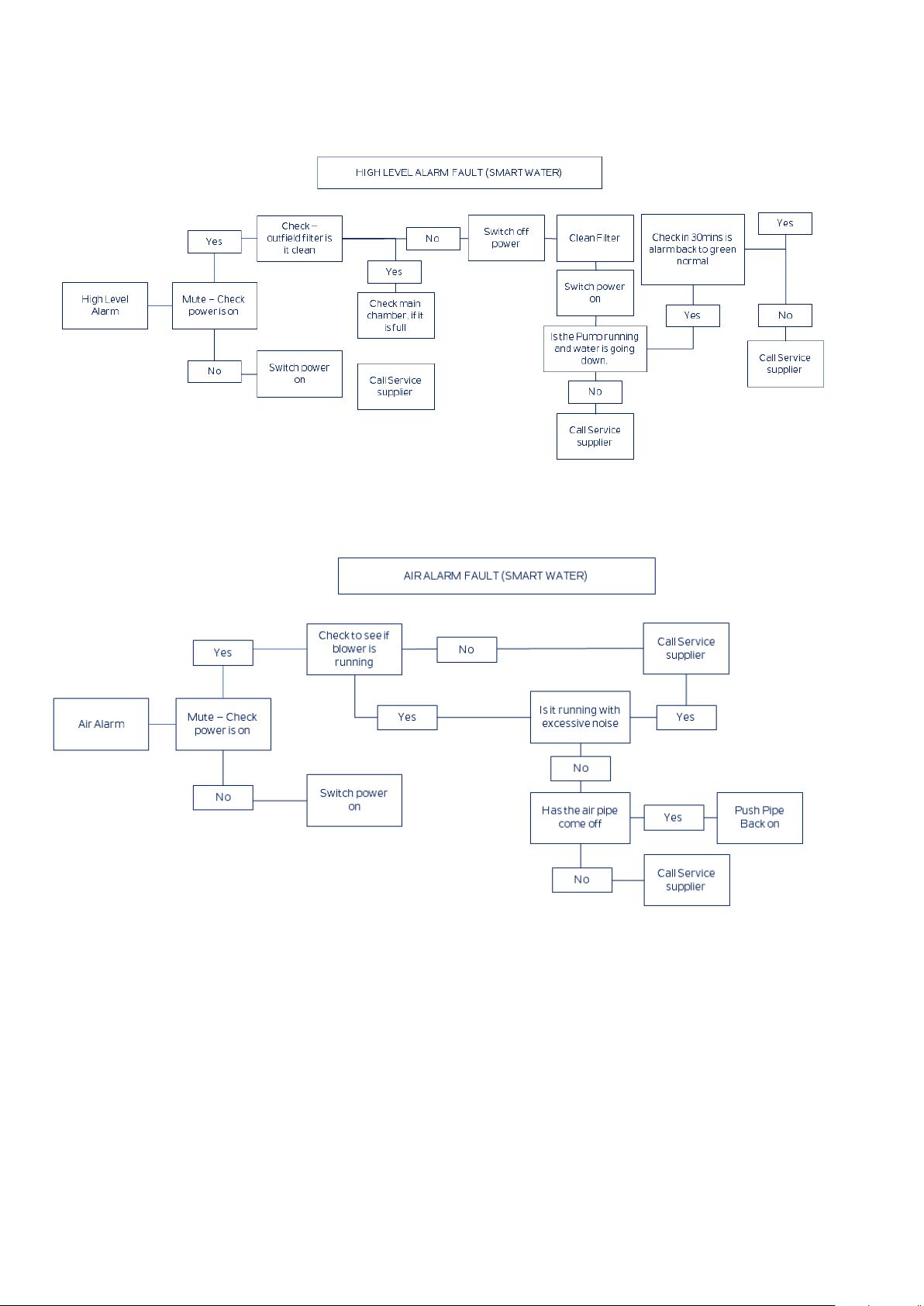
Either the internal/external filter is blocked and needs
cleaning, the power is off, or the pump has failed. Firstly,
check that the power is turned on to your system, if it is,
check to see if the internal or outlet filter is blocked and
needs cleaning. If the pump has failed, call your
independent service agent/installer for assistance
• Will reception be reduced if trees or walls are in
between the AirTechTM and LCD unit?
Any wireless system will have range and reception reduced
by obstacles. Similar to the poor reception of radio stations in
valleys and near power lines. It is recommended to minimise
obstructions in the direct path of the wireless signal. Metal
clad walls will cause a drop in signal and use of an external
aerial should be considered if tank is downhill of house.
• What happens if there is a power cut or the power to
the LCD is interrupted?
Once power is restored the LCD unit will communicate
with the tank and previous readings/data will be restored
to the screen automatically. No data will be lost and you
will not need to re-connect the LCD to the AirTech™ unit.
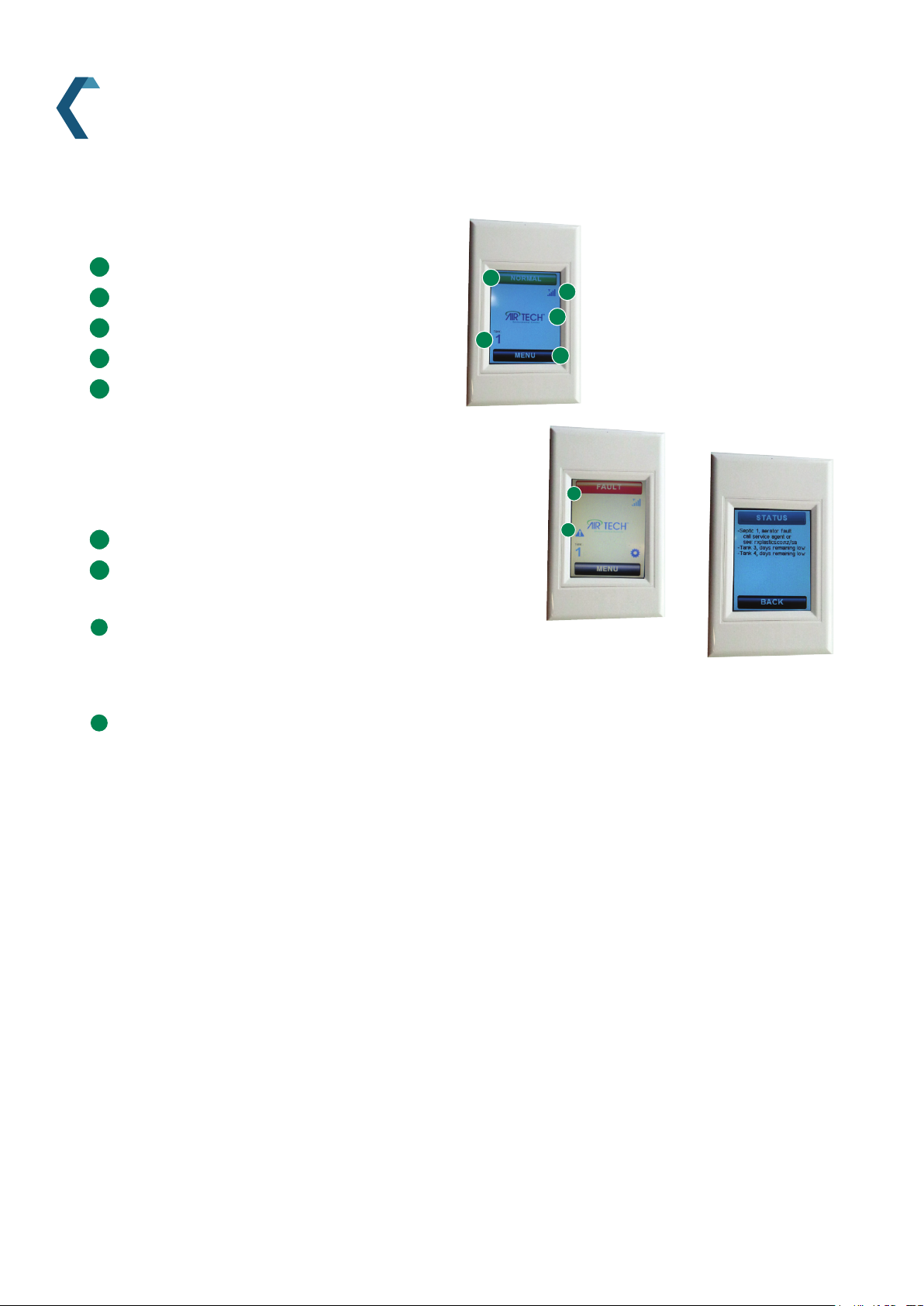
If power is lost to the outside tank unit an alarm will sound
only after 3 hrs, alerting the home owner to this signal loss
as (septic 1 not reporting). If an electrical strike has
occurred it is possible for the LCD screen to revert to it’s
original state of a water tank monitor the picture of an
empty water beaker will be displayed in this instance a
reset and repairing will be required.
Frequently asked
questions:
General do’s and don’ts
- Don’t turn your system off
- Do call your supplier when you encounter a
problem
- We recommend that you do your washing up on a
daily basis so as not to shock load the system
- Try to avoid using showers, washing machines,
dishwashers etc. all at the same time
- Don’t try to service the system yourself as
there are health risks to consider and you may
compromise your warranty
- Do use common sense, adhering to the basic
rules provided throughout this manual will ensure
a trouble free, and cost effective system
Suitable plants for
Evapo-transpiration systems
Evapo-transpiration systems employ the combined
effects of evaporation from soil and transpiration
from plants to dispose of wastewater effluent to the
atmosphere. Moisture is wicked up to plant roots and
to the soil surface. The plants use the moisture in their
growing processes and subsequently transpire the
excess through their leaves to the atmosphere.
Native Shrubs and Trees
Coprosma Coprosma Propinqua
Hebe Lacebark (fast)
Manuka Leptospermum Scoparium
Flax (fast) Phormium Tenax
Grasses
Jointed Twig Sedge Baumea Articulata
Longwood Tussock Carex Comans
Pukio Carex Secta
Introduced Species
Canna Lillies Taro
Aralia Fuschia
Philodendrons Begonias
| 7