manuals.online logo
Brands
  1. Home
  2. •
  3. Brands
  4. •
  5. Bakers Pride
  6. •
  7. Oven
  8. •
  9. Bakers Pride FC-516 User manual

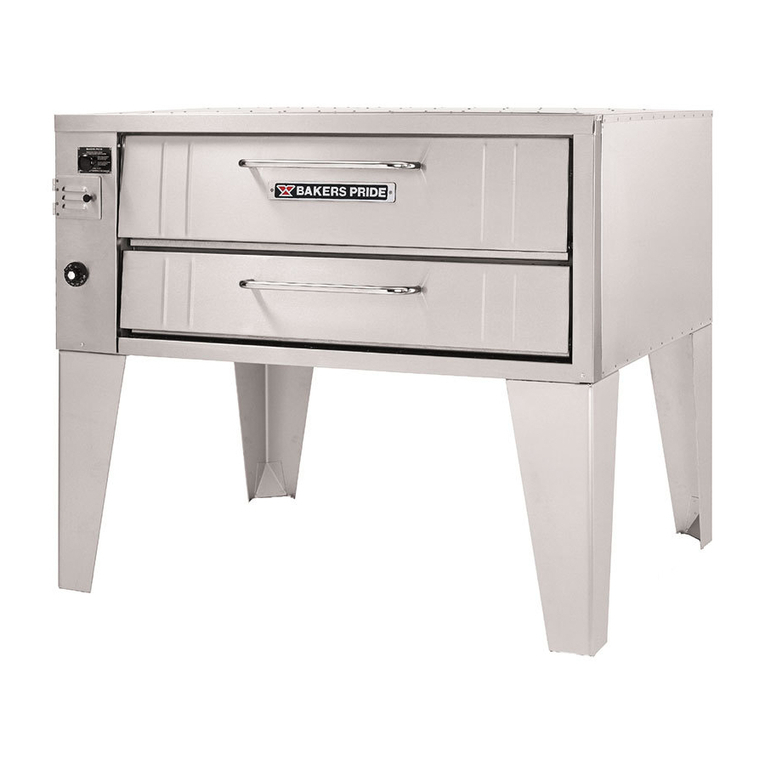
Bakers Pride FC-516 User manual

Other manuals for FC-516

9

This manual suits for next models

5

Other Bakers Pride Oven manuals

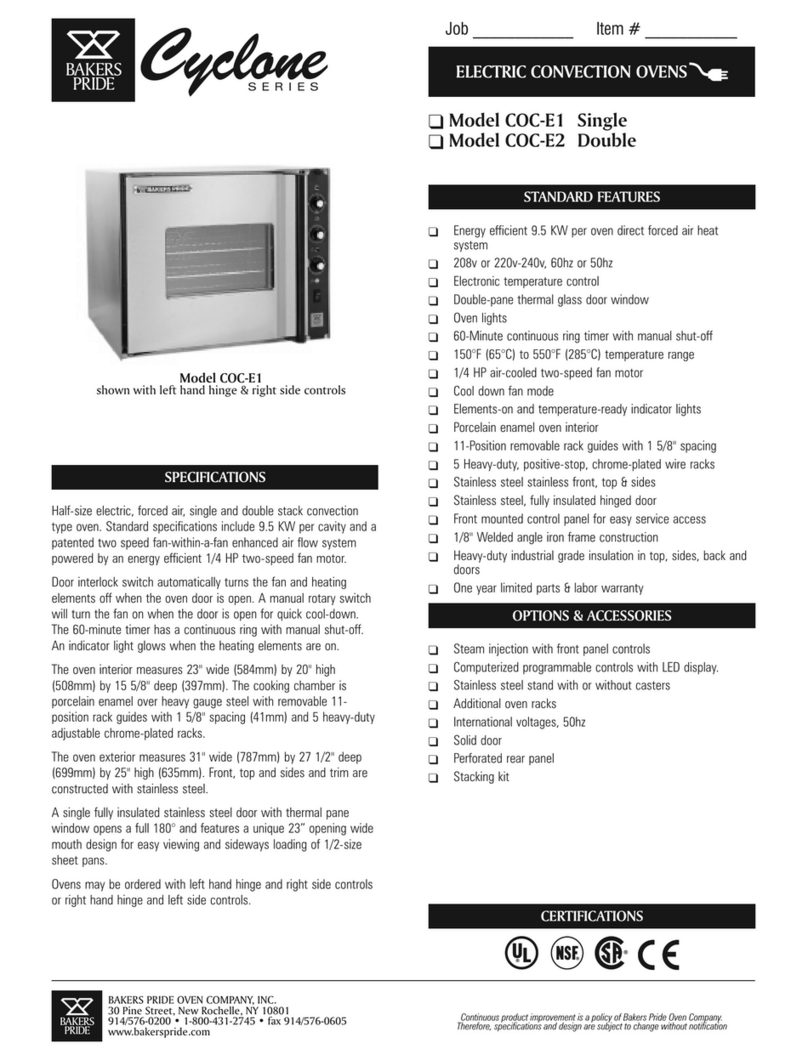
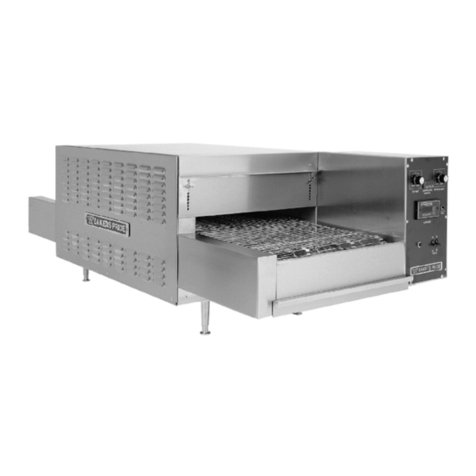
Bakers Pride Cyclone COC-E1 User manual

Bakers Pride

Bakers Pride Cyclone COC-E1 User manual

Bakers Pride BCO-G User manual

Bakers Pride

Bakers Pride BCO-G User manual

Bakers Pride D-250 DSP Double Use and care manual

Bakers Pride

Bakers Pride D-250 DSP Double Use and care manual

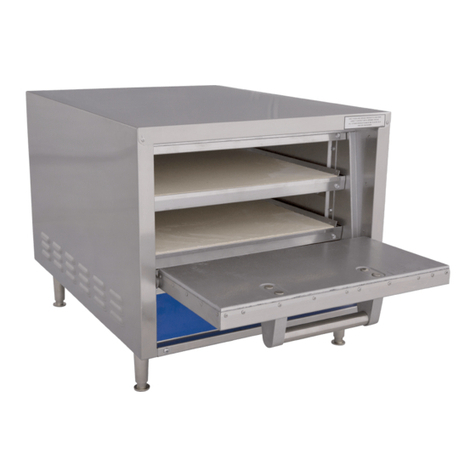
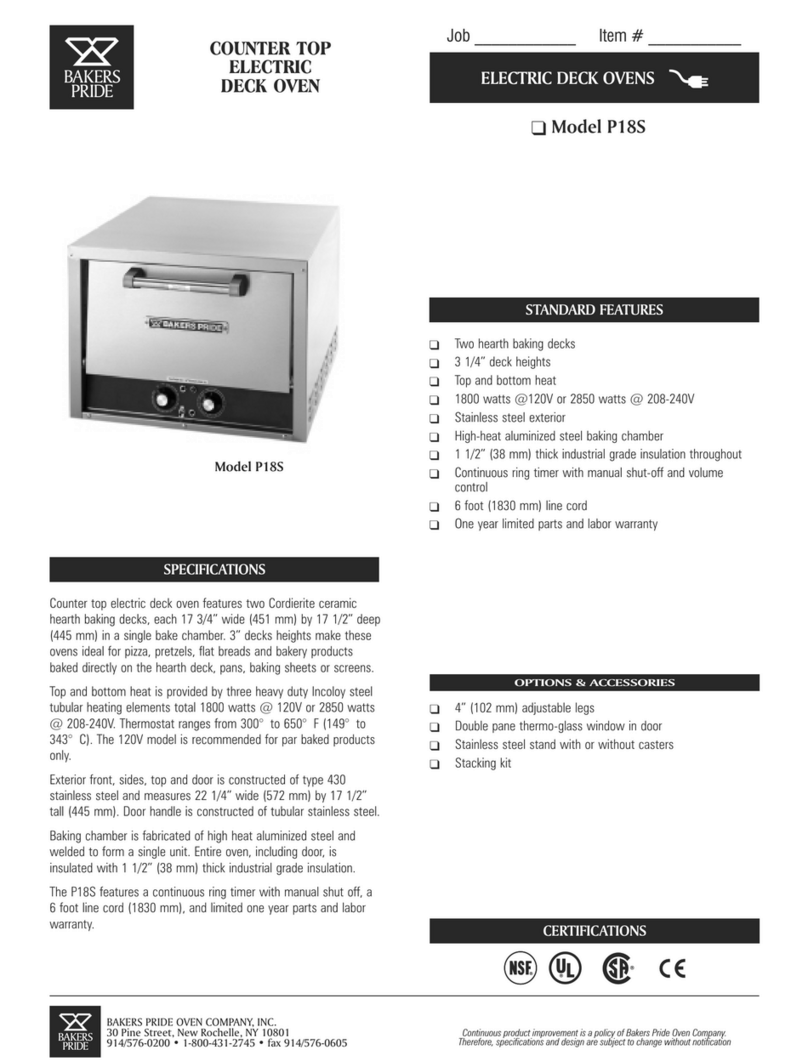
Bakers Pride P-18S User manual

Bakers Pride

Bakers Pride P-18S User manual

Bakers Pride COC-E Series Installation manual

Bakers Pride

Bakers Pride COC-E Series Installation manual

Bakers Pride VH-1620-E1 User manual

Bakers Pride

Bakers Pride VH-1620-E1 User manual

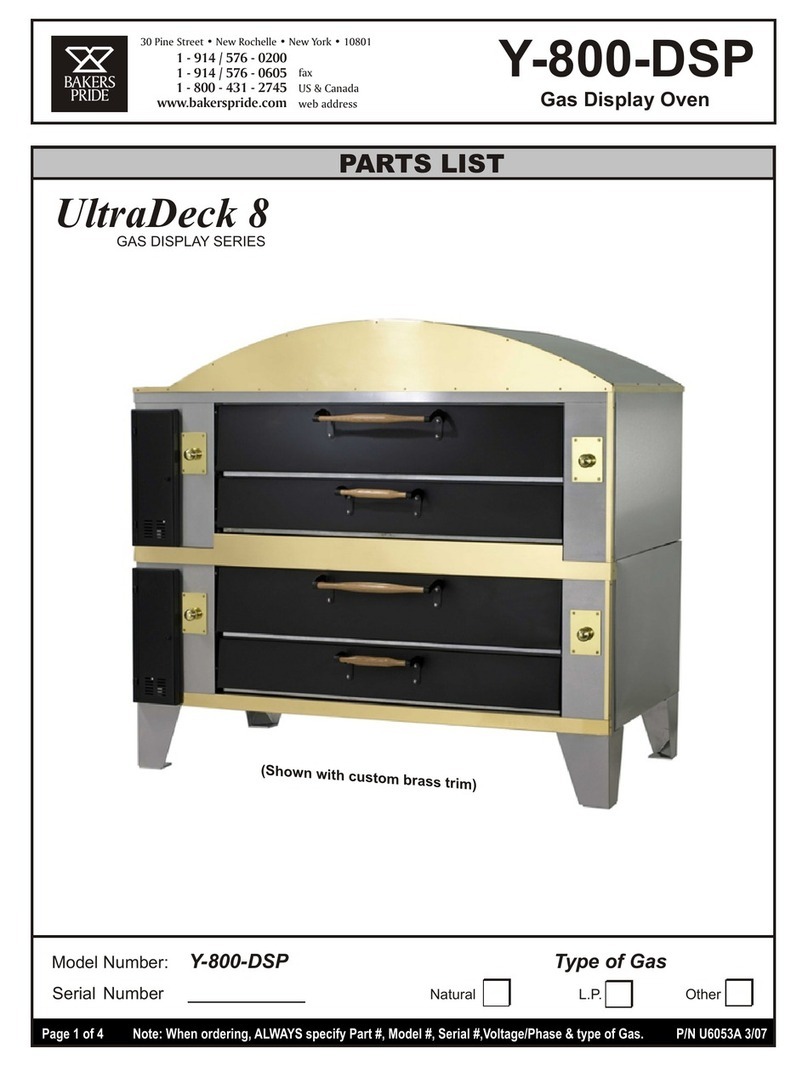
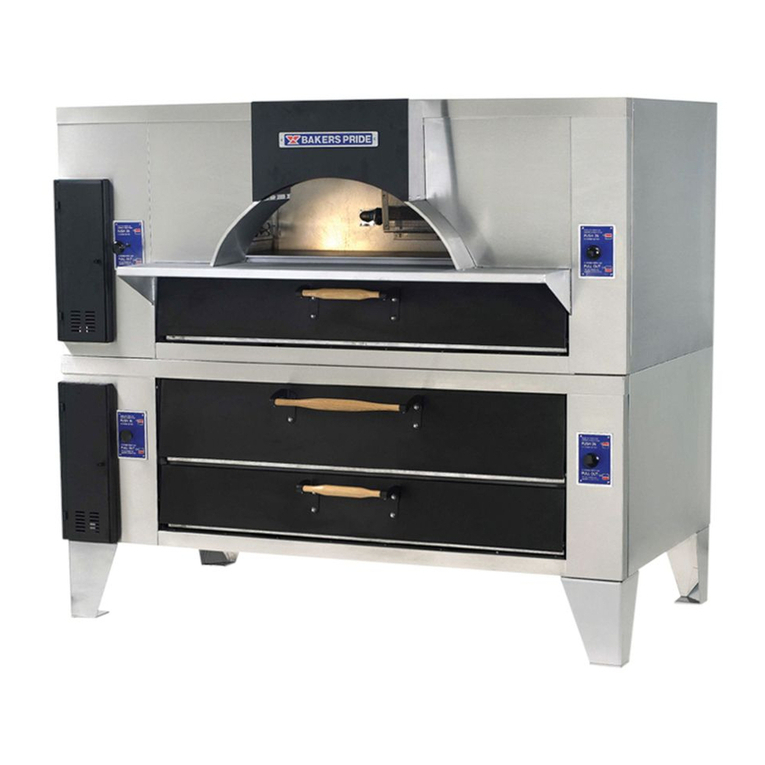
Bakers Pride Y-800 User manual

Bakers Pride

Bakers Pride Y-800 User manual

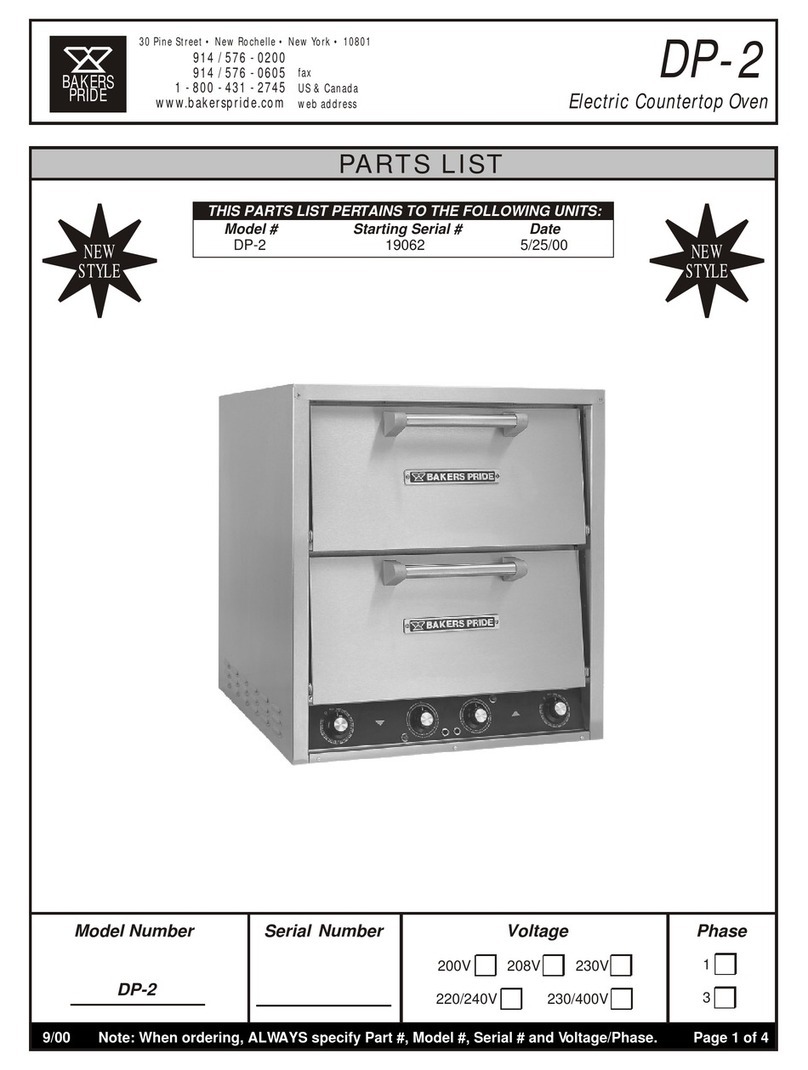
Bakers Pride DP-2 User manual

Bakers Pride

Bakers Pride DP-2 User manual

Bakers Pride 251 User manual

Bakers Pride

Bakers Pride 251 User manual

Bakers Pride P-44S Quick start guide

Bakers Pride

Bakers Pride P-44S Quick start guide

Bakers Pride FC-616 User manual

Bakers Pride

Bakers Pride FC-616 User manual

Bakers Pride DS-805 Single User manual

Bakers Pride

Bakers Pride DS-805 Single User manual

Bakers Pride APC-18-2 User manual

Bakers Pride

Bakers Pride APC-18-2 User manual

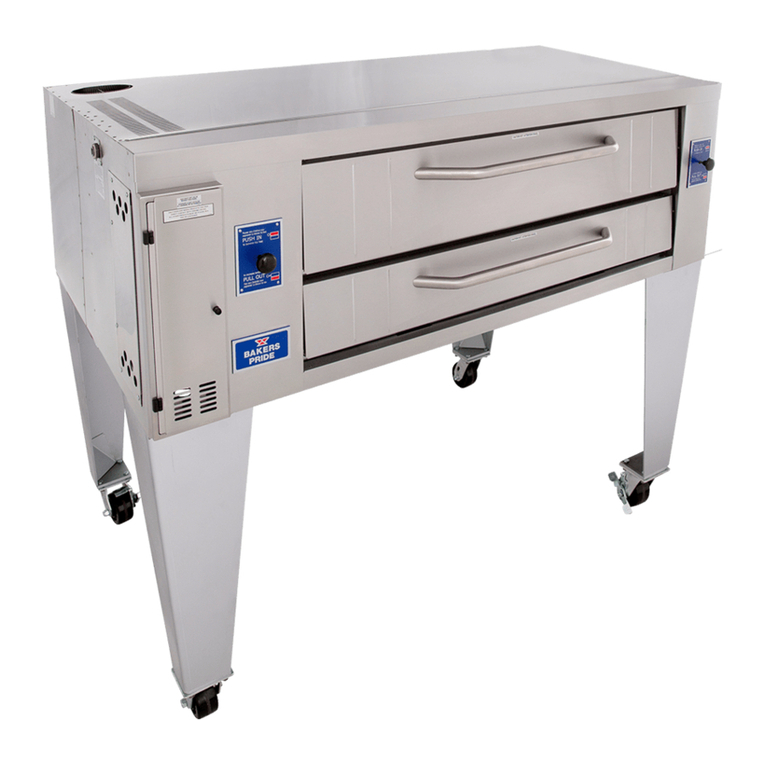
Bakers Pride SUPER DECK Y-600 User manual

Bakers Pride

Bakers Pride SUPER DECK Y-600 User manual

Bakers Pride P48-BL User manual

Bakers Pride

Bakers Pride P48-BL User manual

Bakers Pride Vantage 100 Series Operating manual

Bakers Pride

Bakers Pride Vantage 100 Series Operating manual

Bakers Pride GP-51 Series User manual

Bakers Pride

Bakers Pride GP-51 Series User manual

Bakers Pride GP-54 User manual

Bakers Pride

Bakers Pride GP-54 User manual

Bakers Pride FC-516 User manual

Bakers Pride

Bakers Pride FC-516 User manual

Bakers Pride FC-516 User manual

Bakers Pride

Bakers Pride FC-516 User manual

Bakers Pride APC-18 User manual

Bakers Pride

Bakers Pride APC-18 User manual

Bakers Pride CONVEVTION-FLO 401 User manual

Bakers Pride

Bakers Pride CONVEVTION-FLO 401 User manual

Bakers Pride EP-2-2828 Single User manual

Bakers Pride

Bakers Pride EP-2-2828 Single User manual

Bakers Pride BPCV-1 User manual

Bakers Pride

Bakers Pride BPCV-1 User manual

Popular Oven manuals by other brands

Brandt FC 222 user manual

Brandt

Brandt FC 222 user manual

aumate TOA20M04N-1E instruction manual

aumate

aumate TOA20M04N-1E instruction manual

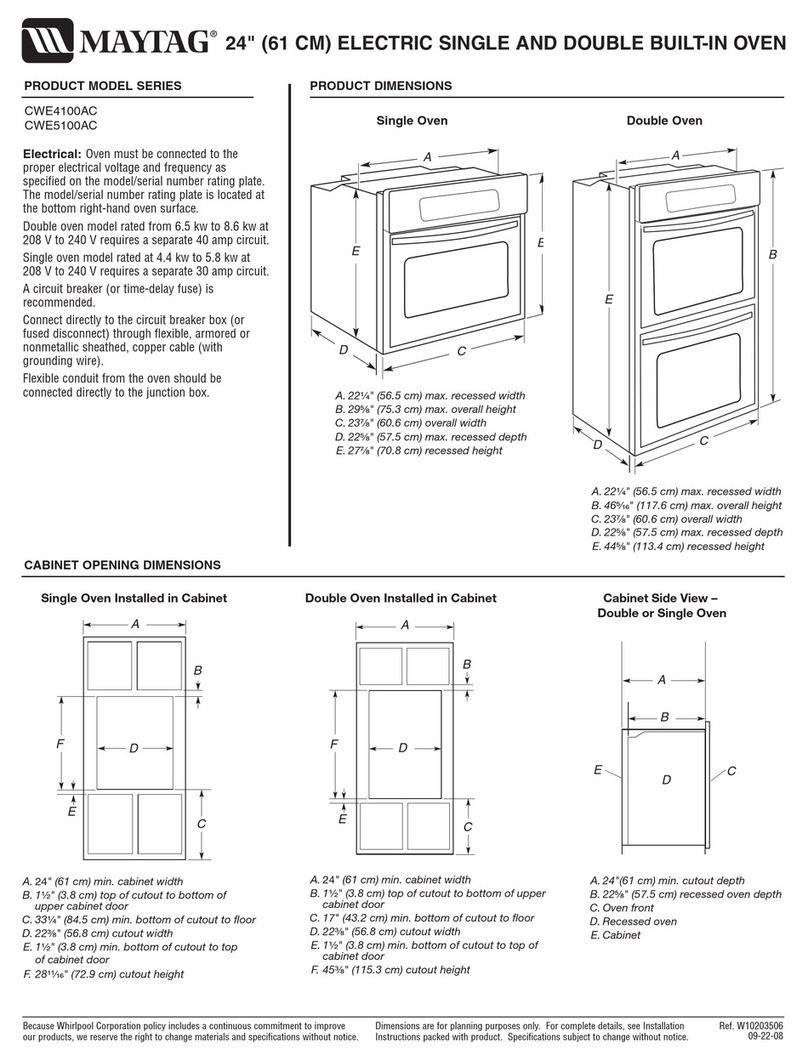
Maytag CWE4100AC - 24" Single Electric Wall Oven Dimension Guide

Maytag

Maytag CWE4100AC - 24" Single Electric Wall Oven Dimension Guide

Kernau KBO 1076 S PT B instruction manual

Kernau

Kernau KBO 1076 S PT B instruction manual

Bosch HB 37 N Series User manual and installation instructions

Bosch

Bosch HB 37 N Series User manual and installation instructions

Electrolux EOD5420AA user manual

Electrolux

Electrolux EOD5420AA user manual

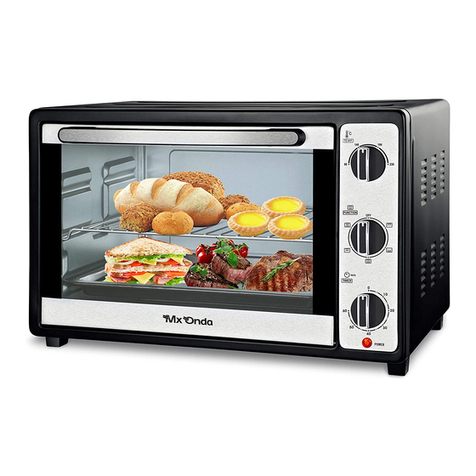
Mx Onda MX-HC2183 instruction manual

Mx Onda

Mx Onda MX-HC2183 instruction manual

Daewoo F6EV19SM2 Service manual

Daewoo

Daewoo F6EV19SM2 Service manual

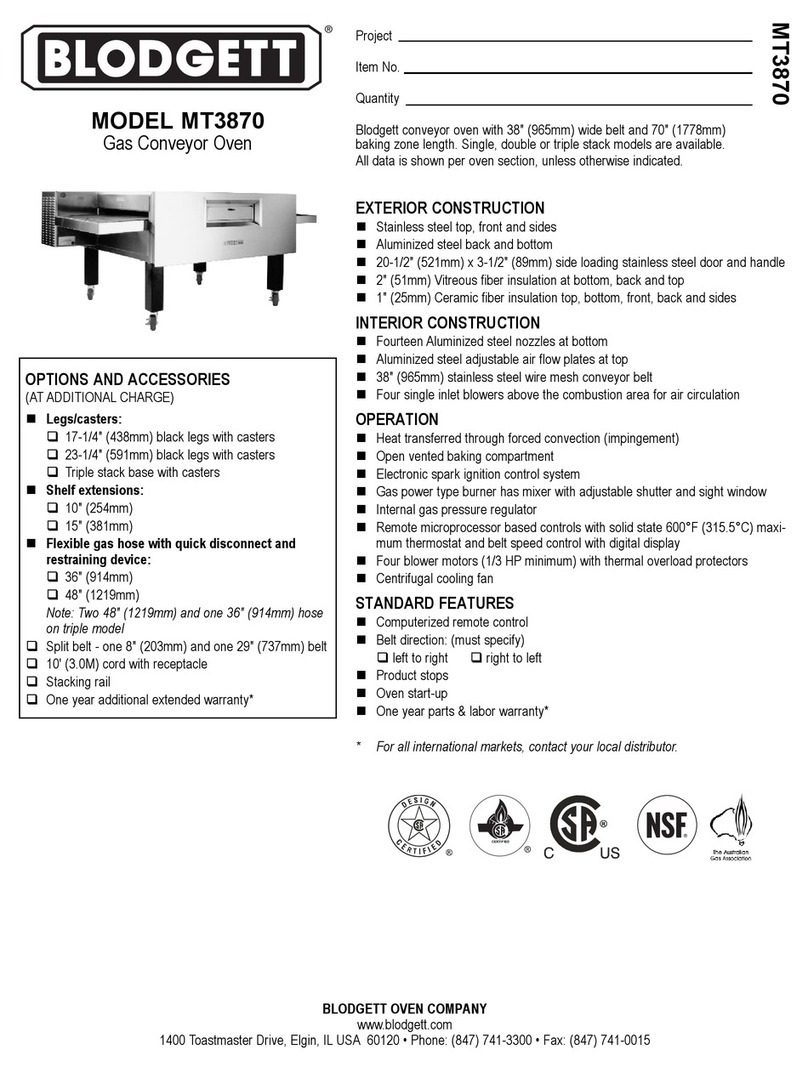
Blodgett MT3870 Specifications

Blodgett

Blodgett MT3870 Specifications

GE ZET2F owner's manual

GE

GE ZET2F owner's manual

GE JK3000DF3WW owner's manual

GE

GE JK3000DF3WW owner's manual

eka EKF 523 NT Operating and instruction manual

eka

eka EKF 523 NT Operating and instruction manual

AEG Electrolux E3191-5 user manual

AEG Electrolux

AEG Electrolux E3191-5 user manual

Pratica Rocket Express quick start guide

Pratica

Pratica Rocket Express quick start guide

Viking Professional VGSO260T user guide

Viking

Viking Professional VGSO260T user guide

FM RX203 instruction manual

FM

FM RX203 instruction manual

Bosch HBN331 9B Series instruction manual

Bosch

Bosch HBN331 9B Series instruction manual

NEFF B95M42N0MK Instructions for use

NEFF

NEFF B95M42N0MK Instructions for use

manuals.online logo
manuals.online logoBrands
  • About & Mission
  • Contact us
  • Privacy Policy
  • Terms and Conditions

Copyright 2025 Manuals.Online. All Rights Reserved.

BAKERS PRIDE OVEN CO., INC.
30 Pine Street
New Rochelle, NY 10801
(914) 576-0200 Phone (800) 431-2745 US & Canada
(914) 576-0605 Fax www.bakerspride.com Web Address
INSTALLATION AND OPERATING INSTRUCTIONS
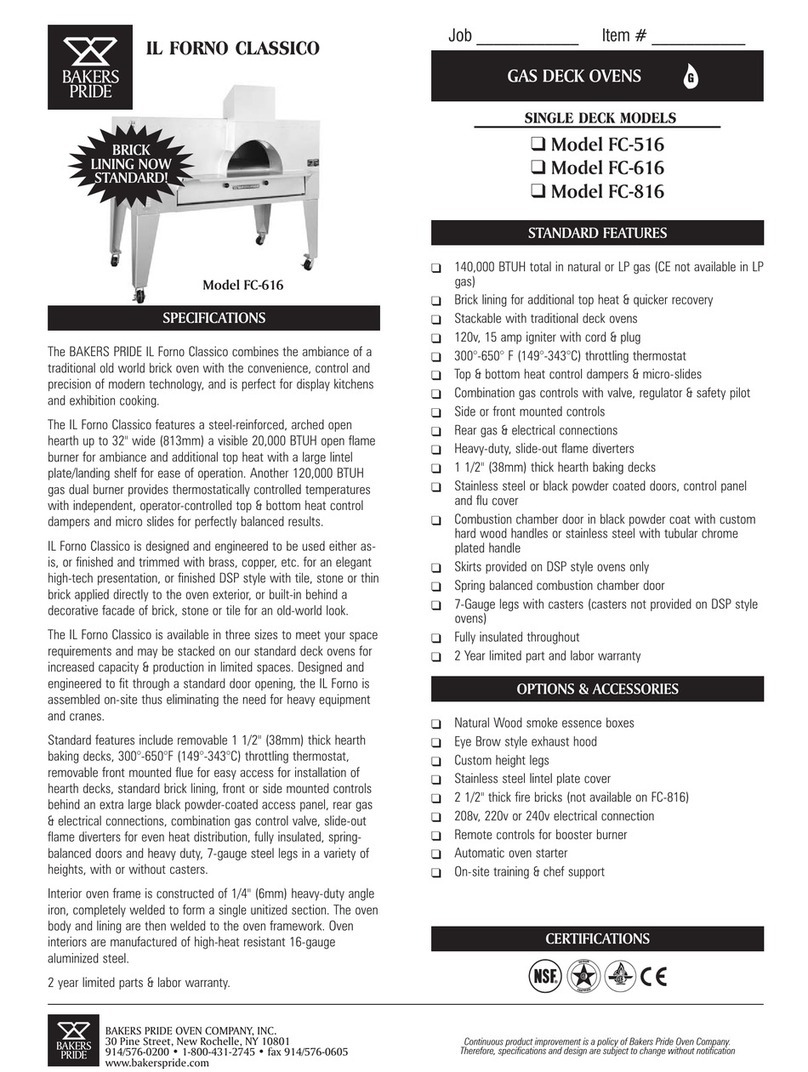
IL FORNO CLASSICO OVENS
Series: FC-516, FC-616 and FC-816
RETAIN THIS MANUAL FOR FUTURE REFERENCE
P/N U4116A 9/07
1
IMPORTANT INSTRUCTIONS
After the gas supply has been connected to your unit, it is extremely important to check piping for
possible leaks. To do this, use soap and water solutions, or solutions which are expressly made for this
purpose. DO NOT USE matches, candles, flames, or other sources of ignitions since these methods are
extremely dangerous.
In a prominent location post instructions to be followed in the event you smell gas. Obtain these
instructions from your local gas supplier.
G
I
S
E
N
D
C
E
D
E
R
I
T
F
I
R
CERTIFIED
R
BAKERSBAKERS
PRIDEPRIDE
INTENDED FOR OTHER THAN HOUSEHOLD USE
OVEN MUST BE KEPT CLEAR OF COMBUSTIBLES AT ALL TIMES
NOTE: Only Pizza and Bread Products can have direct contact with Ceramic Decks. All other food products
must be placed in pans or containers to avoid direct contact with Ceramic Decks.
This equipment has been engineered to provide you with year round dependable service when used
according to the instructions in this manual and standard commercial kitchen practices.
For Your Safety: Do not store or use flammable liquids or vapors in the vicinity of this
or any other appliance.
!
!
Warning: Improper installation, adjustment, alteration, service or maintenance can
cause property damage, injury or death. Read the Installation, Operating and
Maintenance instructions thoroughly before installing or servicing this equipment.
Initial heating of oven may generate smoke or fumes and must be done in a well
ventilated area. Overexposure to smoke or fumes may cause nausea or dizziness.
!
!
2
I. INSTALLATION INSTRUCTIONS
1. Receiving 3
2. Clearances 3
3. Set-up 4
A. Mounting Legs with Casters 5
4. Pizza Decks & Optional Ceramic Top 6
A. Three Deck Installation 6
B. Four Deck Installation 6
C. Optional Ceramic Top Installation 7
5. Booster Burner Installation 7
6. Gas and Electric Connections 7
7. Main Burner Safety Pilot Operations 9
A. Pilot Burner Lighting Procedure 9
B. Pilot Burner Flame Adjustment 10
8. Burner Operation 10
A. Main Burner 10
B. Booster Burner 10
C. Aeration & By-Pass Flame Adj. 11
9. Thermostat Calibration 11
10. Flame Diverters 11
II. OPERATING INSTRUCTIONS
1. Lighting Procedures 11
2. Breaking-In 11
3. Baking 11
4. Recommended Operating Procedure 12
5. Helpful Hints 12
III. CLEANING and MAINTENANCE
1. Stainless Steel Surfaces 12
2. Painted Surfaces 13
3. Door Mechanism 13
4. Flue Vent 13
5. Oven Interior 13
A. Baking Chamber 13
B. Bake Decks 13
C. Burner Compartment 13
Wiring Diagram 14
Warranty 15
TABLE OF CONTENTS
2H
I
2L
I
2E
I
2E+
I
G20 @ 20mbar
G25 @ 25mbar
G20 @ 20mbar
G20/25 @ 20/25mbar
EN 437
Gas Cat.
Gases and Supply
Pressures A
T
B
E
D
K
F
R
G
R
D
E
I
E
I
T
N
L
P
T
E
S
S
E
G
B
L
U
F
I
Designated European Market =
FOR EUROPEAN COMMUNITY COUNTRIES: 230 VOLTS, 1 PHASE, 50 HZ.
FOR NORTH AMERICA: 120 or 208/240 VOLTS, 1 PHASE, 60 HZ.
Type of Gas
Natural
LP
Manifold Pressure
3.5” Water Column
10” Water Column
FC-516 Pizza Oven 140,000 BTU/Hr (41 kw)
FC-616 Pizza Oven 140,000 BTU/Hr (41 kw)
FC-816 Pizza Oven 140,000 BTU/Hr (41 kw)
MODELS COVERED
3
Sketch “A”
3/4 NPT
Gas Inlets
Lintel Plate
Louvered Service Panel
115VAC, 15 Amp
NEMA 5-15P
60°
16” (406mm)
Left Side View
I. INSTALLATION INSTRUCTIONS
1. RECEIVING:
Read the notice on the outside carton regarding damage in transit. Damage discovered after
opening the crate(s) / carton(s) is “CONCEALED DAMAGE” and the carrier must be notified
immediately to send an inspector and also furnish the forms for the consignee's claim against the
carrier.
When oven arrives, it should consist of : A crate, or carton, containing your new oven, a carton,
containing 4 legs with mounting hardware, and a strapped skid, containing baking decks.
Installation must conform with local codes and/or with the latest edition of the ANS Z-233.1 National
Fuel/Gas Code in USA / CAN/CGA-B 149.1 or 2 Installation Code in Canada.
This appliance must be installed by a competent person. In the U.K., Corgi registered Installers
(including the regions of British Gas) undertake to work to safe and satisfactory standards. This
appliance must be installed in accordance with the current Gas Safety (Installation and Use)
Regulations and the relevant Building Regulations / IEE Regulations. Detailed
recommendations are contained in the British Standard Codes Of Practice BS 6172, BS 5440:Part
2 and BS 6891.
Place the oven and parts as close as possible to the area of final installation before un-crating.
2. CLEARANCES:
Minimum Clearance From Combustible Construction Non-Combustible Construction
Left Side 3” (76 mm) 0
Right Side 1” (25 mm) 0
Rear 3(76mm) 2” (51 mm)
Front and Flue Area - Enclose only with non-combustible materials.
In MASSACHUSETTS: All gas products must be installed by a “Massachusetts” licensed plumber
or gas fitter. Ventilation hoods must be installed in accordance with NFPA-96, current edition, with
interlocks as described in that standard.
4
Sketch “B”
Sketch “C”
DE
BAKERSPRI
Flue v rtr
Di e e
2 1/4
(57mm)
30" STD.
(762mm)
FRONT VIEW
12"
(305mm)
33"
(838mm)
10”
(254mm)
Main Burner
Oven Controls
Push-Pull Knobs
A. Provisions must be made for easy access to the louvered service panel on the left side of the unit.
A removable panel at least 16” x 31” (406 x 787 mm) in line with the service panel to facilitate a
service man to work will be satisfactory. See installation sketch “A”.
B. Reference to back panels deleted. No longer necessary.
C. Easy accessibility through the front of the oven to the main burner, oven controls and flue slide push
/pull knobs must be provided. See installation sketch “B”.
3. SET-UP: The oven must be installed in a well-ventilated area.
Your oven is packed standing on its back. Leave in on it's back while unpacking. The skid may be
left under the oven for convenience in further handling. Unpack carefully to avoid damage to the
oven. If concealed damage is found, follow the instructions detailed in Section 1.
Keep the area around the oven free and clear of combustible materials. Do not store any materials
on top of or under any oven. Provisions for adequate air supply to your oven for ventilation and
proper gas combustion is essential. As a minimum, observe the clearances detailed in Section 2.
Provide adequate ventilation and make up air in accordance with local codes.
The oven must be installed under a ventilation hood. Fit the flue diverter (see Sketch “C”) into the
hole in the top front of the oven and secure with the screws supplied. Local inspectors and
ventilation specialists should be consulted to make sure that the installation of the hood conforms to
the local codes and requirements (see Sketch “D”).
In the U.K., ventilation requirements detailed in BS 5440 should be followed.
Access to the bottom front door and left side control panel is required for day to day operation of the
oven and for servicing. Make sure that these areas are kept unobstructed for easy access.
5
Sketch “D”Sketch “D”
BA ER P IDK S R E
V d (No I
ent Hoo t ncluded)
A. MOUNTING LEGS WITH CASTERS:
Legs are shipped in a separate carton complete with mounting hardware and casters, (two of them
with wheel brakes).
NOTE : Installation should be made with a connector that complies with the latest edition of the
Standard for Connectors for Movable Gas Appliances ANSI Z21.69 in the USA (CAN CGA6.16 in
Canada) and a quick disconnect device that complies with the latest edition of the Standard for
Quick Disconnect Devices for use with gas fuel ANSI Z21.41 in the USA (CAN CGA 1-6.9 in
Canada) and adequate means must be provided to limit the movement of the appliance without
depending on the connector and any quick disconnect device or its associated piping. The restraint
should be attached to the rear legs of the oven on which casters are mounted. If disconnection of
the restraint is necessary to move the oven for servicing needs, the restraint should be reconnected
after the appliance has been returned to its originally installed position.
a) Bolt two (2) legs with casters and wheel brakes firmly to the two (2) upper (front) corners of
the oven as it stands on the skid (see Sketch “E”).
b) Using proper lifting equipment, lower the oven down so that the two bolted legs rest on the
floor (see Sketch “F”).
c) Using proper lifting equipment, raise the back side of the oven to a height slightly higher
than the height of the legs, remove the skid and place a sturdy support under the back side
(see Sketch “G”). Mount remaining two (2) legs and tighten bolts. Lift the oven and remove
the supports.
d) Move the oven to its final location, keeping the minimum clearances from the back of the
oven to the wall. This clearance is necessary for safe operation and to provide proper air
flow to the burner chamber.
6
4. PIZZA DECKS AND OPTIONAL CERAMIC TOP:
a) Remove all packaging material, samples, shims, etc., from the bake chamber, leaving the two
metal hearth liner sheets in place on the bake chamber floor. Make sure that the two metal
hearth liner sheets cover the entire bottom of the chamber.
b) Three (model FC-616) and four (models FC-516 and FC-816) slabs of the Pizza Deck are
provided with the oven. This material is heavy and fragile and should be handled carefully.
NOTE 1: When sliding in the slabs, be very careful not to hit the booster burner
components at the rear of the bake chamber.
NOTE 2: If the side wedge is pushed in too tightly, the heat control slides, operated by the
black knobs located on the front of the oven, will not slide freely.
A. Three Deck Installation: (Model FC-616)
a) Slide one slab into the bake chamber and push it as far as possible to one side.
b) Slide the second slab into the bake chamber on the side opposite to the first slab.
c) Slide the third slab into the center section.
d) Use metal shims as needed to level the slabs.
e) Use two wedges in the back and another on one side of the decks. The three slabs should be
tight against each other with no gap in between them (See Sketch “H”).
Sketch “H”
Thr e eck
eD
Wedges
B. Four Deck Installation: (Models FC-516 and FC-816)
a) Slide one slab into the bake chamber and push it as far as possible to one side towards the rear.
b) Slide the second slab into the bake chamber and push it next to the first slab in the rear.
c) Slide the third and fourth slabs in front of the slabs already in place.
d) Use metal shims as needed to level the slabs.
e) Use one (FC-516) or two (FC-816) wedges in the back and another on one side of the decks.
The four slabs should be tight against each other with no gap in between them (See Sketch “I”).
Sketch “E”
E
RS RID
BAKE P
Sketch “F”
KRSRD
PI
BA
EE
Sketch “G”
P E
AES RDB KRI
Front View
Left Deck
Wedge
Left Interior Oven Wall
7
Sketch “I”
Four Deck
Wedges
C. Optional Ceramic Top Installation (Refer to “Top Brick Lining”, Page 8):
If the oven was ordered with the ceramic top option, the two top supports are already installed.
Simply slide in the ceramic tops as per instructions below. If this option is an add-on, you must follow
the instructions provided with the Ceramic Top Installation kit.
a) Through the arched front opening, insert one of the center slabs (20 13/16 x 20 13/16 for FC616
and FC816)(17 1/2 x 17 3/4 (left to right) for the FC516) into the bake chamber, raise one side
until the other side comes to rest onto the center support, then lower the first side to lock it in
between the two center supports. Push it to the rear as far as possible to make room for the
second center slab.
b) Install the second center slab (20 13/16 x 20 13/16 for FC816)(14 3/16 x 20 13/16 (left to right)
for FC616)(17 1/2 x 17 3/4 (left to right) for FC516) into the bake chamber and push it tightly
against the first slab.
c) Install the side slabs (20 13/16 x 20 13/16 for FC816)(17 1/2 x 17 3/4 (left to right) for FC616)(17
1/2 x 13 3/4 (left to right) for FC516) in a similar fashion, raising the slab in the center until the
lower side edge rests on the side support, then lowering the upper edge onto the center support.
First the ones in the rear, then the ones in the front, pushing them tightly against the first slabs.
5. BOOSTER BURNER INSTALLATION:
NOTE: The Booster Burner and the Booster Burner Guard are shipped inside the burner
compartment and have to be installed before the booster burner can be used for the first
time.
a) Once the Pizza Deck Slabs are installed as per instructions above, place the booster burner and
guard inside the bake chamber, as far back as possible, then follow with your upper torso and do
the following:
b) Center the guard in front of the booster burner brackets, flange down, wings back, then push it
all the way back and under the booster burner brackets.
c) Reach over the guard, slip the throat of the booster burner over the gas nozzle, then lower it and
insert the two burner ends into the locating slots of the booster burner brackets and push them
all the way down.
6. GAS AND ELECTRIC CONNECTIONS:
NOTE: Propane Gas Units are not available in the European Community.
a) Normal factory connections are made for 120 Volts AC, 60 Hz operation in USA and Canada.
For use in Europe, the connections are made for 230 Volts AC, 50 Hz operation.
b) The appliance, when installed, must be electrically grounded in accordance with local codes
and/or the latest edition of the National Electric Code ANSL/NFPA 70 in USA (Canadian Electric
Code CSA C22.2 in Canada).
Front View
Left Deck
Wedge
Left Interior Oven Wall
8
13 3/4 17 3/4 13 3/4
17 ½
17 ½
37” Overall
2” Spacers In Front
FC-516
13 3/4 17 3/4 13 3/4
37” Overall
17 ½ 17 ½
17 ½ 17 ½
2” Spacers In Front
FC-616
17 3/4
17 3/4
20 3/4
20 13/16
20 3/4
20 3/4
20 13/16
16 13/16
37” Overall
3 3/8”” Spacers In Front
FC-816
20 13/16
20 3/4
20 13/16
20 3/4
20 13/16
20 13/16
20 13/16
20 3/4
TOP BRICK LINING LAYOUT
FC-516: 13 3/4”
FC-61 : 17 3/4”
6
C / ”F -816: 20 3 4
FC-51 : 13 3/4”6
F -616: 1 3/4C 7”
FC:816: 20 3/4”
FC-516: 17 3/4”
FC-616: 20 13/16”
FC-816: 20 13/16”}
}
}
{
{
{
FC-516
Top View
FC-816
Top View
FC-616
Top View
Front
View
NOTE: Brick Lining ships separately - Installation by others.
9
c) In Europe, the appliance must be connected by an earthing cable to all other units in the complete
installation and thence to an independent earth connection in compliance with EN 60335-1 and/or
local codes.
d) The hot surface ignition system, all related switches, indicator light and fuse, are all connected
through the 6 ft (1830 mm) power supply cord. The power supply cord must be plugged into a
properly grounded three-prong receptacle.
Do not cut or remove the ground prong from the plug.
e) A wiring diagram may be found behind the service panel on the left side of the unit and also in this
manual.
f) The ovens should not be installed on the same line with space heaters, boilers or other gas
equipment with high intermittent demand.
g) Use a pipe joint compound that is resistant to the action of liquefied petroleum gases when making
gas connections.
h) For Propane gas, use a least ½” pipe or tubing with a 5/8” inside diameter. For Natural gas, use ¾”
pipe.
i) The appliance must be isolated from the gas supply piping system by closing its manual shut-off
valve during any pressure testing of the gas supply piping system at test pressures equal to or less
than ½” psig (3.45 kpa).
j) The appliance and its shut-off valve must be disconnected from the gas supply piping system
during any pressure testing of that system at test pressures in excess of ½” psig (3.45 kpa).
k) The gas pressure regulators are part of the combination valves and are adjusted to yield a pressure
of 3.5” water column (9 mbar) for Natural Gas. If the oven has been ordered for use on Propane
Gas, the pressure regulators in the combination valves are preset at the factor to yield a pressure of
10” water column (25 mbar).
l) A separate shut-off valve for each oven must be provided. It should be as close as possible to the
place where the gas line enters the oven. It must be located where it is easily and quickly
accessible.
m) When stacking with another type of oven, two (2) shut-off valves, one for each of the two ovens,
must be provided.
After the gas supply has been connected, it is extremely important to check all the piping for leaks. Use a
soap and water solution or a product made expressly for this purpose. Do not use matches, candles or a
flame etc. to check leaks since these methods are extremely dangerous.
7. SAFETY PILOT OPERATION:
The purpose of the safety pilot system is to lock the gas supply to the burner at the combination
valve, if for any reason the pilot burner is not lit. The pilot should be re-lighted by following the steps
given below. However, in normal service, the pilot flame stays lit indefinitely, day and night,
including weekends. This prolongs the life of the safety valve.
The safety pilot valve is in effect a two-stage control. After initial lighting, the pilot burner stays on
without the gas cock dial being held pressed in. After 1-2 minutes, the valve opens fully to let the gas
flow past the safety pilot valve and into the burner system.
A. PILOT BURNER LIGHTING PROCEDURE:
a) Partially depress and turn the gas cock dial to the “OFF” position.
b) Wait for five minutes to allow gas, which may have accumulated in the burner compartment, to
escape.
c) Turn gas cock dial to “PILOT” position.
d) Depress gas cock dial.
e) For Main Burner: With a match or igniter light pilot burner. Hold gas cock dial in pressed
position for about 1/2” minute and then release it. The Pilot Burner flame should now remain
lit. If Pilot Burner fails to ignite or does not remain lit, repeat steps (a) thru (e).
f) For Booster Burner: Flip toggle switch to the “ON” (I) position. The amber indicator lamp will
light up and the igniter will be energized and start to glow. Hold gas cock dial in pressed position
for about 2-3 minutes and then release it. The Pilot Burner flame should now remain lit. If Pilot
Burner fails to ignite or does not remain lit, repeat steps (a) thru (d) and (f).
Note: The built-in igniter is for convenience of lighting only and not necessary for the booster
burner operation. In case of power failure, or if the igniter will not light the pilot flame, the pilot
flame can also be lit with a long hand-held igniter or with a long, lit taper.

10
Sketch “J”
Correct Flame
3/8” - 1/2”
Sketch “K”
THTH
TPTP T HTH
TPTP
VENTVENT
ONON OFFOFF
FFFF
PILOTPILOT
PP
II
LL
OO
TT
5
605
60
00
600
6
550550
500500
450
450
400400
350
350
300300
ININ
Pilot
Feed
Gas
Cock
Dial
Pressure
Regulator
Pilot
Adjust
Screw
Thermostat
B. PILOT BURNER FLAME ADJUSTMENT:
It is important to have the correct Pilot Burner Flame size as shown in (Sketch “J”). If necessary,
adjust the Pilot Burner Flame by turning the Pilot Adjustment Screw (see Sketch “K”) clockwise to
reduce or counter-clockwise to increase.
8. BURNER OPERATION:
A. MAIN BURNER:
After the pilot burner is ignited, when heat is desired, turn gas cock dial to the “ON” position and set
the thermostat dial to the desired temperature. The oven burner flame should always have a blue
appearance. That indicates a good mixture of gas and air. When using LP gas, the flame will have
a blue-yellow appearance.
B. BOOSTER BURNER:
Do not turn on the booster burner until the oven is well pre-heated and the pre-set
temperature has been reached. The oven has to be hot in order to draw fresh air in to the
booster burner.

After the pilot burner is ignited, when the booster burner flame is desired, turn gas cock dial to the
“ON” position. The booster burner is set to have a yellow flickering flame, but should not soot.