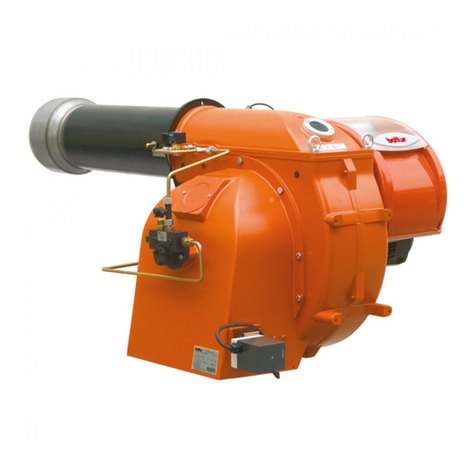
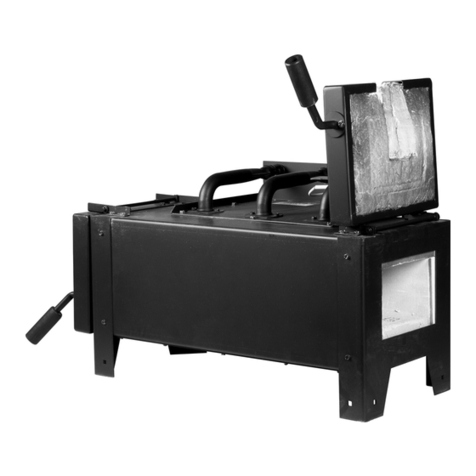
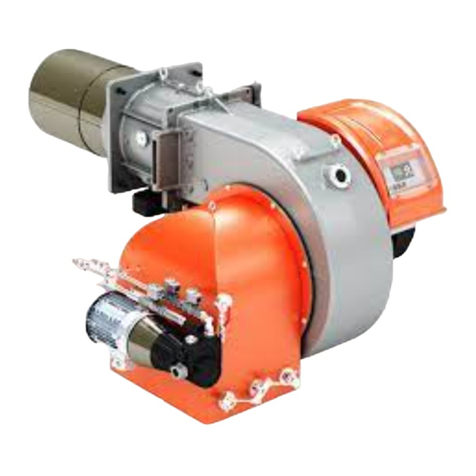
Bull 96000 Quick reference guide

ASSEMBLY & OPERATING INSTRUCTIONS
MODEL #96000 POWER BURNER, L.P. (PROPANE)
MODEL #96001 POWER BURNER, N.G. (NATURAL GAS)

TABLE OF CONTENTS PAGE #
SAFETY INSTRUCTIONS……………………...…………………………………………………….………………………..………………………...2
THE LOCATION FOR YOUR POWER BURNER………………………………………………………….....……….…………………........2
CHECKING FOR GAS LEAKS………………………………………………………………………………………...…..……………………..2
NATURAL GAS SAFETY…………………………………….……………………….……..………………….……………….…..…….……...3
PROPANE GAS SAFETY…………………………………………………………………………………………………….….………………..4
INSTALLATION INSTRUCTIONS…………………………………………………………………………………………..………………….…….....5
SPECIFICATIONS FOR POWER BURNER STRUCTURE….………………….……………………………...………..……………………5
CONNECTING TO GAS SOURCE…………………………………………………..………………...…………………………………….......5
NATURAL GAS CONNECTIONS……………………………………………..….………….….….….……….…….……………………….….5
PROPANE GAS CONNECTIONS………………………………………...….……..…..….…….………….…….…...…….…….…….….......5
OUTDOOR NATURAL GAS POWER BURNER INSTALLATION SPECIFICATIONS……...………….….….…..…………………..……6
OUTDOOR PROPANE GAS POWER BURNER INSTALLATION SPECIFICATIONS…….….….….……………………..…..………….7
INSPECTING / CLEANING BURNER AND GAS ORIFICES………...............…….….…….…….………………..……….……....….……….…8
BURNER CLEANING.................................................................................................................................................................................8
BURNER SHUTTER CLIP INSPECTION / ADJUSTMENT…………………….……………………………..….….….….…………….…..10
BURNER REPLACEMENT INTO INSERT……………………………….……….….………..…..………...…..…………...…...…...…....…10
IGNITER / ELECTRODE CHECK…………………………………………………………………………….…..….….…….…………...…….11
BURNER OPERATION CHECK………………………….………………….….….….….….….….….….…..…..….…...……………….…...11
LIGHTING & OPERATING INSTRUCTIONS……………………….….…….………………...…….....….………………....…...…………..……..12
LIGHTING PROCEDURES……………………………………………………….……………..…...….….…..…......…......….…............…...12
OPERATING PROCEDURE…………………………………………………….…………..….….……………………….…….…..…...….….12
CLEANING & MAINTENANCE…………………………………………………………………………………………..……………..………………13
TROUBLESHOOTING………………………………................................................................................................................. ..........................14
IF POWER BURNER FAILS TO OPERATE PROPERLY.......................................................................................................................14
YELLOW FLAME......................................................................................................................................................................................14
FLASH BACK............................................................................................................................................................................................14
PARTS LIST…………………………………………………………………………………………….…….…….…………………….......................15
EXPLODED ILLUSTRATION………………………………………………………………………….……….…….……….…….….….……………16
LIMITED WARRANTY…………………………………….………….…….……….……………….…………….………...….…..…...…...…………17
- READ THE FOLLOWING INSTRUCTIONS CAREFULLY AND BE SURE YOUR POWER BURNER IS PROPERLY INSTALLED, ASSEMBLED
AND CARED FOR. FAILURE TO FOLLOW THESE INSTRUCTIONS MAY RESULT IN SERIOUS BODILY INJURY AND/OR PROPERTY
DAMAGE. IF YOU HAVE QUESTIONS CONCERNING ASSEMBLY OR OPERATION, CONSULT YOUR DEALER, GAS APPLIANCE SERVICE
REPRESENTATIVE OR YOUR GAS COMPANY.
- NOTE TO INSTALLER:
LEAVE THESE INSTRUCTIONS WITH THE CONSUMER AFTER INSTALLATION.
- NOTE TO THE CONSUMER:
RETAIN THESE INSTRUCTIONS FOR FUTURE REFERENCE.
- THIS OUTDOOR COOKING GAS APPLIANCE IS NOT INTENDED TO BE INSTALLED IN OR ON RECREATIONAL VEHICLES AND/OR
BOATS.
*FOR WARRANTY PURPOSES, PLEASE RECORD YOUR MODEL NUMBER, SERIAL NUMBER, DATE OF PURCHASE & A COPY OF YOUR
RECEIPT OR INVOICE IN THE BACK OF YOUR MANUAL ON PAGE 17.
1

SAFETY INSTRUCTIONS
This power burner must be installed in accordance with local codes or, if in an area without local codes, with the latest edition of the National Fuel
Gas Code ANSI Z223.1. In Canada, installation must conform to the standard CAN/ CGA 1-b149.1 and/or .2 (Installation Code for Gas Burning
Appliances and Equipment) and any local codes.
WARNING: Fuels used in gas or oil-fired appliances and the products of combustion of such fuels, contain chemicals known to the State of
California to cause cancer, birth defects and/or reproductive harm. This warning is issued pursuant to California Health & Safety Code Sec.
25249.6.
THE LOCATION FOR YOUR POWER BURNER
DO NOT use your power burner in garages, porches, breezeways, sheds or other enclosed areas. Your power burner is to be used
OUTDOORS ONLY, with at least 21 inches clearance from the back and side of any combustible surface. The power burner should not be placed
under or on top of any surface that will burn. Do not obstruct the flow of combustion and ventilation air around the power burner housing.
PROTECT CHILDREN: Keep children away from the power burner during use and until the power burner has cooled after you are finished. Do not
allow children to operate the power burner.
CHECKING FOR GAS LEAKS
NEVER TEST FOR GAS LEAKS WHILE THE POWER BURNER IS LIT! Prior to the first use and at the beginning of each new season (or, if using
LP, whenever gas cylinder is changed), it is a must that you check for gas leaks. Follow these steps:
1. Make a soap solution by mixing one part liquid detergent and one part water.
2. Turn off heat control valve(s), and then turn on gas at source.
3. Apply the soap solution to all gas connections: bubbles will appear in the soap solution if connections are not properly sealed. Tighten or repair
as necessary.
4. If you have a gas leak that you cannot repair, turn off the gas at the source, disconnect fuel line from the power burner and immediately call your
burner dealer and gas supplier for professional assistance.
2
FOR YOUR SAFETY...
DO NOT store or use gasoline or other flammable vapors and liquids in the vicinity of this or any other appliance.
DO NOT store empty or full spare gas cylinders and/or chemicals under or near this or any other appliance.
Keep the fuel hose away from hot surfaces. Protect the fuel hose from dripping grease and/or liquids. Avoid unnecessary
twisting of the hose. Visually inspect the hose prior to each use for cuts, cracks excessive wear or other damage and replace if
necessary.
NEVER test for gas leaks with a lighted match or open flame.
NEVER light power burner with lid on or before checking to ensure burner tubes are fully seated over gas orifices.
NEVER lean over cooking surface while lighting power burner. Use good quality insulated potholder mitts. Use dry mitts only;
damp or wet mitts on a hot surface may cause steam which could result in personal injury.
IF YOU SMELL GAS...
1. Shutoff gas to the appliance at its’ source.
2. Extinguish any open flame.
3. Remove power burner lid to release any accumulation of fumes.
4. If gas odor persists, immediately contact your gas supplier.
READ CAREFULLY BEFORE ASSEMBLY AND OPERATION OF YOUR POWER BURNER

SAFETY INSTRUCTIONS (CONT.)
NATURAL GAS SAFETY
Your Natural Gas power burner is designed to operate on natural gas ONLY, at a pressure of 4” water column (W.C.) regulated at the natural gas
regulator attached at the back of the power burner. Check with your gas utility for local gas pressure and with your local municipality for building
code requirements.
Check with your gas utility or with local building codes for instructions to install gas supply line, or call a licensed and knowledgeable installer.
It is recommended that an “ON-OFF” shutoff valve be installed at the gas supply source:
- Outdoors after gas line piping exits outside wall or before gas line piping enters ground.
- Indoors in the branch fuel line in an accessible location near the supply line.
Pipe sealing compound or pipe thread tape of the type resistant to the action of natural gas must be used on all male pipe thread. Apply
compound or tape to at least the first three threads when making the connection.
Disconnect your power burner from fuel source when the gas supply is being tested at high pressures. This appliance and its individual shutoff
valve must be disconnected from the gas supply piping system during any pressure testing of that system at pressures in excess of 1/2 psig (3.5
kPa).
Turn off your power burner when the gas supply is being tested at low pressures. This appliance must be isolated from the gas supply piping
system by closing its individual valve.
WARNING: Gas valves are preset at the factory to operate on LP or natural gas. If you wish to convert to a different gas type, be sure to contact
your power burner dealer, licensed plumber or authorized service center for further details. Conversion kits are not sold to the general public and
require a professional to perform service. Failure to properly convert a unit can cause serious injury to yourself and/or others, irreparable damage
to your power burner and void of warranty.
3
SAFETY! BEWARE OF SPIDERS
CAUTION: BURNERS MUST BE INSPECTED AND CLEANED BEFORE FIRST USE.
Spiders and small insects occasionally spin webs or make nests in the burners during warehousing, transit and/or after long periods of non-use.
These webs can lead to a gas flow obstruction, which could result in a fire in and around the burner tubes. This type of fire is known as “FLASH-
BACK” and can cause serious damage to your power burner and create an unsafe operating condition for the user. Although an obstructed burner
tube is not the only cause of “FLASH BACK” it is the most common cause, and frequent inspection and cleaning of the burners is necessary.

SAFETY INSTRUCTIONS (CONT.)
PROPANE GAS SAFETY
Your Propane power burner is designed to operate on propane gas ONLY, at a pressure regulated at 11” water column (W.C.) when equipped with
the correct propane orifices and a propane regulator on the supply line regulated at the residential meter.
Your propane power burner is designed to be used with a standard 20 lb gas cylinder. In the United States, the gas cylinder must be constructed
and marked in accordance with specifications of the US Department of Transportation for Propane Gas Cylinders.
Always keep cylinder securely fastened in an upright position.
Never connect an unregulated propane gas cylinder to the power burner.
Do not subject Propane cylinders to excessive heat.
CAUTION: Never store a Propane gas cylinder inside a building or in the vicinity of any gas-burning appliance.
WARNING: Gas valves are preset at the factory to operate on LP or natural gas. If you wish to convert to a different gas type, be sure to contact
your power burner dealer, licensed plumber or authorized service center for further details. Conversion kits are not sold to the general public and
require a professional to perform service. Failure to properly convert a unit can cause serious injury to yourself and/or others, irreparable damage
to your power burner and void of warranty.
4
SAFETY! BEWARE OF SPIDERS
CAUTION: BURNERS MUST BE INSPECTED AND CLEANED BEFORE FIRST USE.
Spiders and small insects occasionally spin webs or make nests in the burners during warehousing, transit and/or after long periods of non-use.
These webs can lead to a gas flow obstruction, which could result in a fire in and around the burner tubes. This type of fire is known as “FLASH-
BACK” and can cause serious damage to your power burner and create an unsafe operating condition for the user. Although an obstructed burner
tube is not the only cause of “FLASH BACK” it is the most common cause, and frequent inspection and cleaning of the burners is necessary.
WARNING
•Do not store a spare or disconnected liquid propane cylinder under or near
this power burner.
•A dented or rusty liquid propane cylinder may be hazardous and should be
check by your liquid propane provider.
•Do not use a liquid propane cylinder with a damaged valve.

INSTALLATION INSTRUCTIONS
Your power burner comes to you fully assembled. We strongly recommend professional installation and hookup of the gas power burner. These
instructions will provide you with the measurements necessary for you or your builder to construct a masonry structure to house your outdoor gas
power burner.
NOTE TO INSTALLER: Leave these instructions with the consumer for future reference. The power burner must be installed in accordance with all
local building codes.
SPECIFICATIONS FOR POWER BURNER STRUCTURE
1. Your choice of masonry can be used for cabinet construction for the power burner; however it must be non-combustible material. Keep in mind
when choosing a location for your power burner that it should NOT be located under any overhead combustible construction.
2. The power burner requires a wall opening of the following dimensions: See PAGES 6 & 7 for different models.
3. Place power burner assembly into wall opening as shown in illustration on pages 6 & 7.
4. For propane gas LP TANK STORAGE AREA MUST BE ISOLATED FROM POWER BURNER AND VENTED.
5. Do not use any combustible materials for this construction. Minimum horizontal clearance to adjacent combustible surface from side and back of
the power burner must be 21 inches.
CONNECTING TO GAS SOURCE
Refer to the following instructions and illustrations for typical gas supply connections. We strongly suggest professional installation and hook-up of
the power burner.
IMPORTANT: Before connecting power burner to gas source, make sure power burner control knobs are in “OFF” position.
5
PLEASE READ THESE INSTRUCTIONS BEFORE INSTALLING YOUR POWER BURNER
NATURAL GAS CONNECTIONS
IMPORTANT: Bull Outdoor Products does not recommend the use of any quick connect
fittings or lines to the unit. Use of these types of fittings or lines could cause low gas flow
and greatly reduce the performance of the unit.
- Pipe sealing compound or pipe thread tape of the type resistant to the
action of natural gas must be used on all male pipe thread.
- Apply compound or tape to at least the first three threads when making the connection.
- Remove plastic or rubber cap from regulator installed on power burner.
- Attach stainless steel flex line 3/8” flare-female end to the regulator.
- Attached the other end of flex line to shut-off valve through a nipple.
- Attach a shut-off valve to gas supply pipe.
PERFORM GAS LEAK CHECK –REFER TO PAGE 2
PROPANE GAS CONNECTIONS
- In the United States, the LP gas pressure regulator and hose assembly supplied with this
unit must be used without alteration. If this assembly needs to be replaced, use only the
type 1 specified in the parts list supplied with this unit. Use a LP tank with a type 1 cylinder
valve.
- Make sure the tank is firmly secured in an upright position.
- Turn the black coupling nut of the hose and regulator assembly in a clockwise direction.
- Make sure it is completely threaded onto the cylinder valve before turning gas supply on.
PERFORM GAS LEAK CHECK –REFER TO PAGE 2

INSTALLATION INSTRUCTIONS (CONT.)
OUTDOOR NATURAL GAS POWER BURNER INSTALLATION SPECIFICATIONS
NOTE:
- When choosing a location for your power burner keep in mind that it should never be located under any overhead combustible construction.
- The sides and back of the power burner should not be any closer than 21 inches to combustible construction.
6

INSTALLATION INSTRUCTIONS (CONT.)
OUTDOOR PROPANE GAS POWER BURNER INSTALLATION SPECIFICATIONS
NOTE:
- When choosing a location for your power burner keep in mind that it should never be located under any overhead combustible construction.
- The sides and back of the power burner should not be any closer than 21 inches to combustible construction.
- DO NOT store empty or full spare tanks under or near this or any other appliance.
7

INSPECTING I CLEANING BURNER AND GAS
ORIFICES
By following these cleaning procedures on a timely basis, your power burner will be kept clean and working properly with minimum effort.
CAUTION –Always turn off the gas supply prior to clearing your power burner.
BURNER CLEANING
1. Remove burner from the grill insert (see instructions below).
2. Remove the insert clip by unfastening the two screws.
3. Remove necessary parts (grates, brass cap, etc.) in order to get to the four screws that hold the burner onto the insert assembly.
8

INSPECTING I CLEANING BURNER AND GAS
ORIFICES (CONT.)
4. Remove the burner by sliding it through the cutout in the insert assembly. Note: It’s easiest to remove the burner by rotating it 90° so that the
burner tube faces the front.
5. Bend a stiff wire and run it through the burner tube several times. Check all burner ports and clean any clogged hole.
6. Inspect the burner assembly for any openings caused by corrosion.
7. Inspect the ports on the brass cap and clean any clogged hole.
9
This manual suits for next models
1
Table of contents
Other Bull Burner manuals