SKU 95219 For technical questions, please call 1-800-444-3353 PAGE 5
Never leave the Stone Grinder unattended when it is plugged into an electrical
outlet. Turn off the Grinder and unplug the tool before leaving.
Carefully inspect the condition of the Stone Grinder before use, and check
the tool continually during use. If any damage is noted, stop immediately and
repair or replace the Grinder.
Make sure the Stone Grinder is unplugged from its electrical outlet prior to
performing any inspection, maintenance, or cleaning procedures.
Use the right product for the job. There are certain applications for which this
product was designed. Do not use small tools, equipment, or accessories to do the
work of larger industrial tools, equipment, or accessories. Do not use this product
for a purpose for which it was not intended.
Do not allow children or other unauthorized people to handle or play with
this product.
Industrial applications must follow OSHA requirements.
Performance of this tool (if powered by line voltage) may vary depending on
variations in local line voltage. Extension cord usage may also affect tool per-
formance.
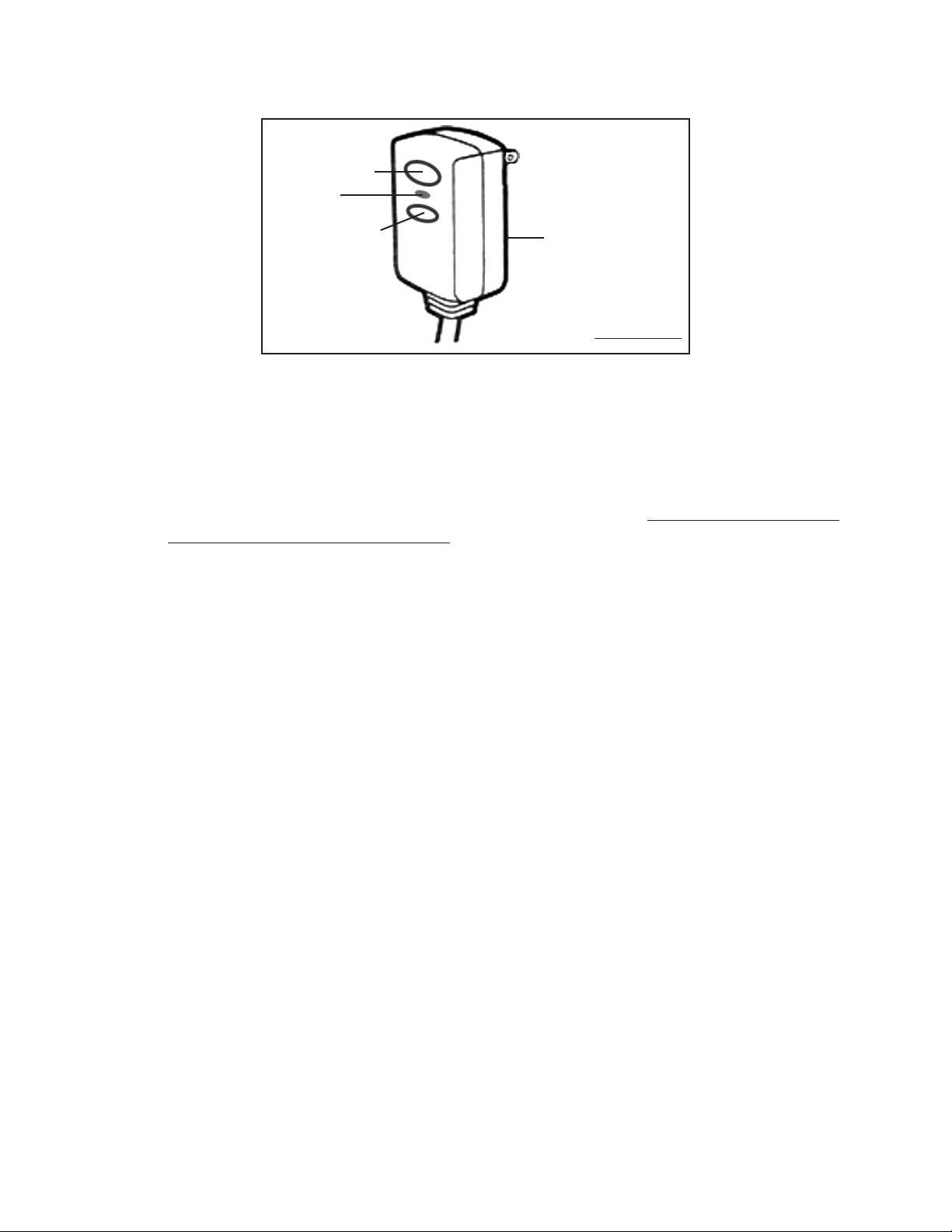
Do not allow the GFCI Plug to become wet. Do not handle the GFCI Plug with
wet hands. Always place the GFCI Plug in a dry location and as far away as
possible from the stone being ground. Keep all electrical connections dry and
off the ground.
Do not pull or carry the Stone Grinder by its Power Cord, or pull the Cord
around sharp corners or edges. Do not unplug the Stone Grinder by pulling on
the Cord. Keep the Cord away from heated surfaces.
Never remove or alter the Splash Guard.
Prolonged vibration resulting from extensive use of this tool could lead to
personal injury.
This product contains brass, which is a chemical known to the State of California
to cause cancer and birth defects and other reproductive harm.
(California Health & Safety Code § 25249.5, et seq.)
Some dust created by power sanding, sawing, grinding, drilling, and other construc-
tion activities, contain chemicals known (to the State of California) to cause cancer,
birth defects or other reproductive harm. Some examples of these chemicals are:
lead from lead-based paints, crystalline silica from bricks and cement or other ma-
sonry products, arsenic and chromium from chemically treated lumber. Your risk
from these exposures varies, depending on how often you do this type of work. To
reduce your exposure to these chemicals: work in a well ventilated area, and work
6.
7.
8.
9.
10.
11.
12.
13.
14.
15.
16.
17.
18.