manuals.online logo
Brands
  1. Home
  2. •
  3. Brands
  4. •
  5. Craftsman
  6. •
  7. Cordless Saw
  8. •
  9. Craftsman 973.113080 User manual

Craftsman 973.113080 User manual

Other Craftsman Cordless Saw manuals

Craftsman 315.274050 User manual

Craftsman

Craftsman 315.274050 User manual

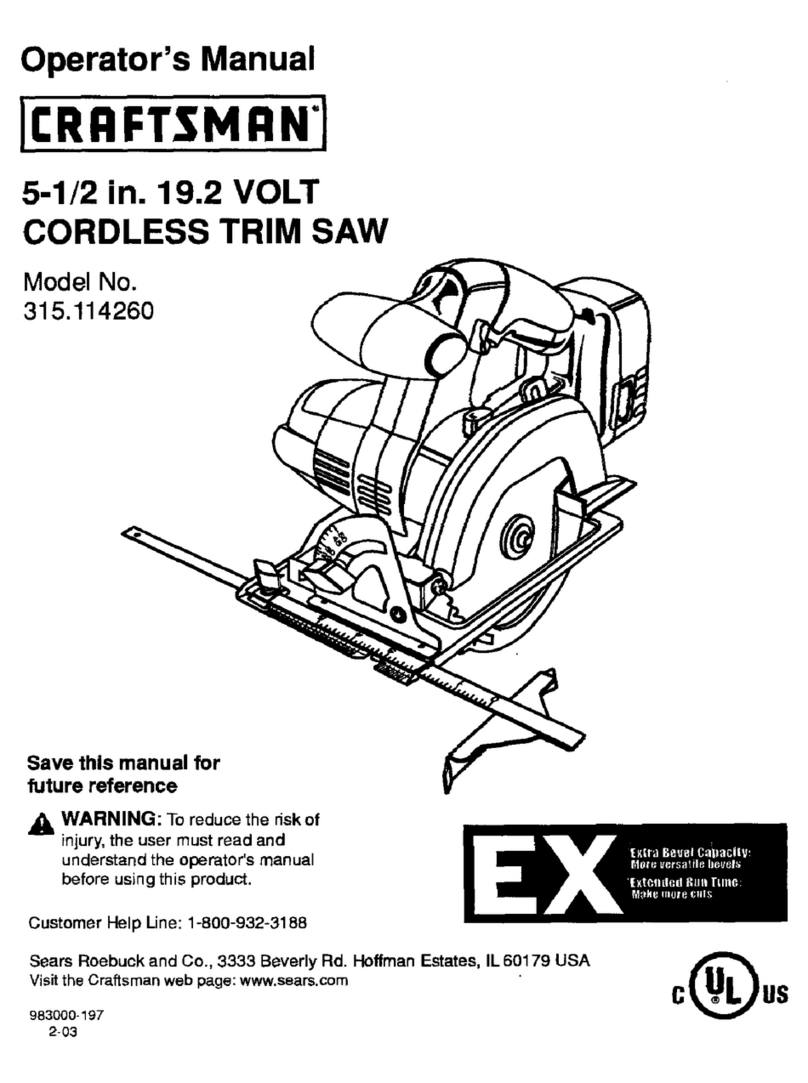
Craftsman 315.114260 User manual

Craftsman

Craftsman 315.114260 User manual

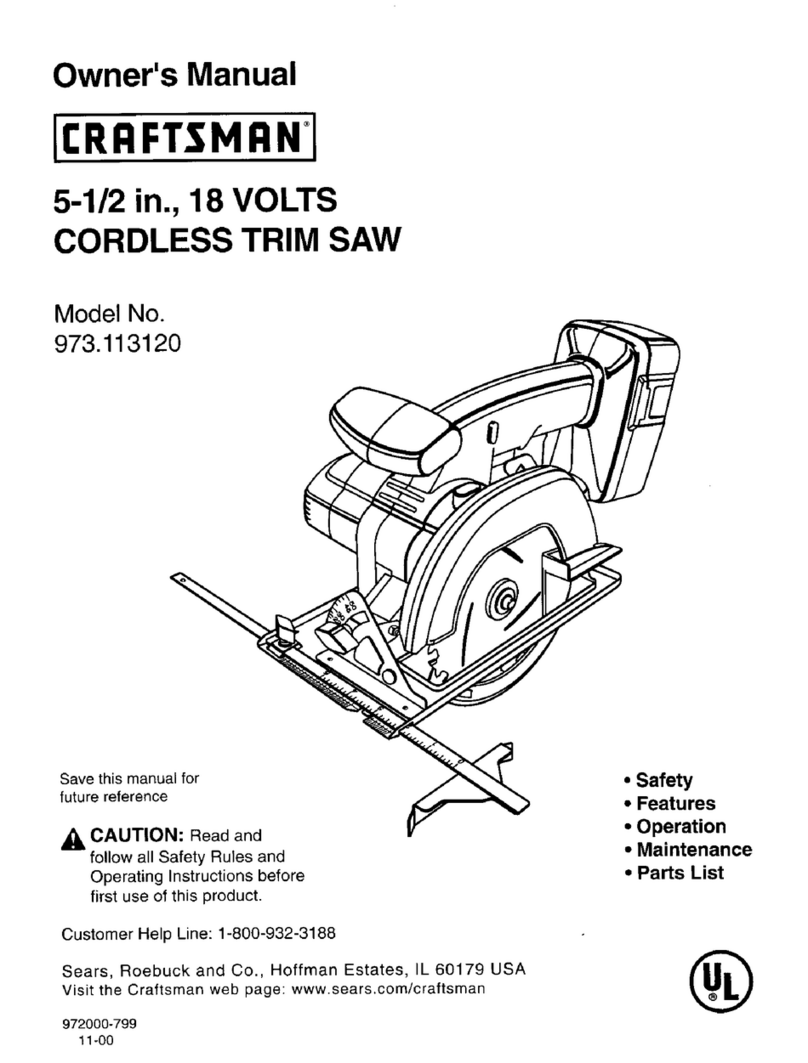
Craftsman 973.113120 User manual

Craftsman

Craftsman 973.113120 User manual

Craftsman 125.46569 User manual

Craftsman

Craftsman 125.46569 User manual

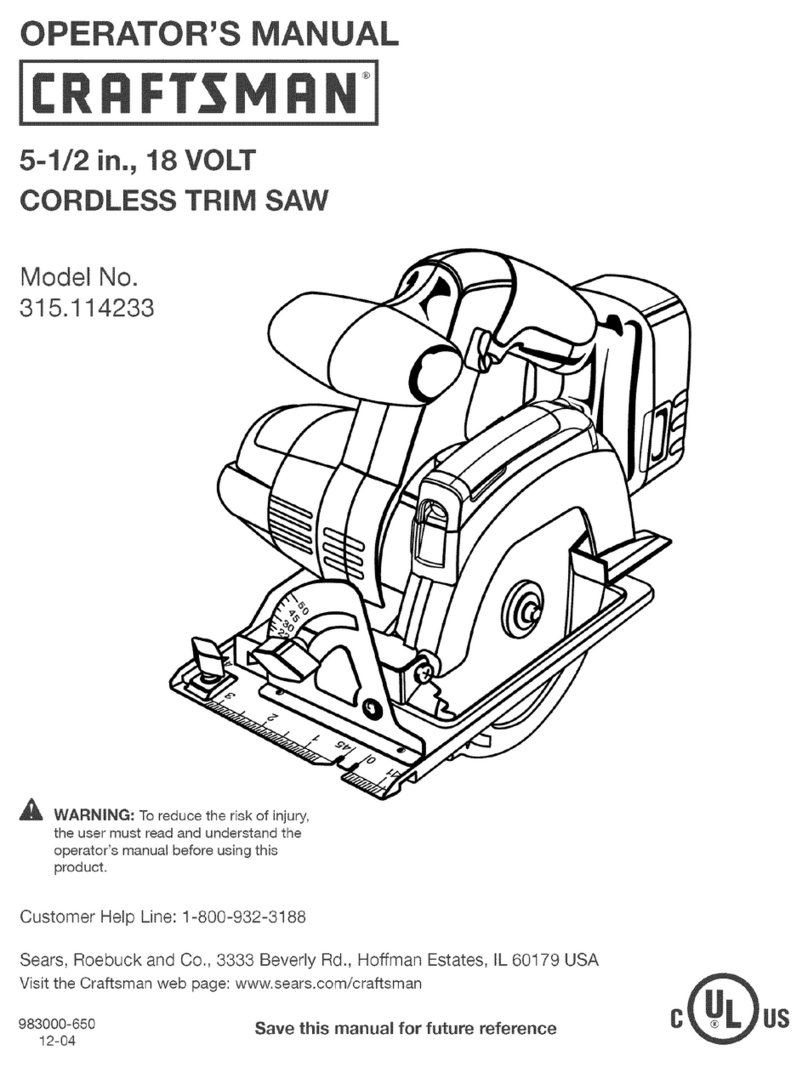
Craftsman 315.114233 User manual

Craftsman

Craftsman 315.114233 User manual

Craftsman 315.114231 User manual

Craftsman

Craftsman 315.114231 User manual

Craftsman 315.114261 User manual

Craftsman

Craftsman 315.114261 User manual

Craftsman CMCS600D1 User manual

Craftsman

Craftsman CMCS600D1 User manual

Craftsman 320.26314 User manual

Craftsman

Craftsman 320.26314 User manual

Craftsman 315.114280 User manual

Craftsman

Craftsman 315.114280 User manual

Craftsman 315.113082 User manual

Craftsman

Craftsman 315.113082 User manual

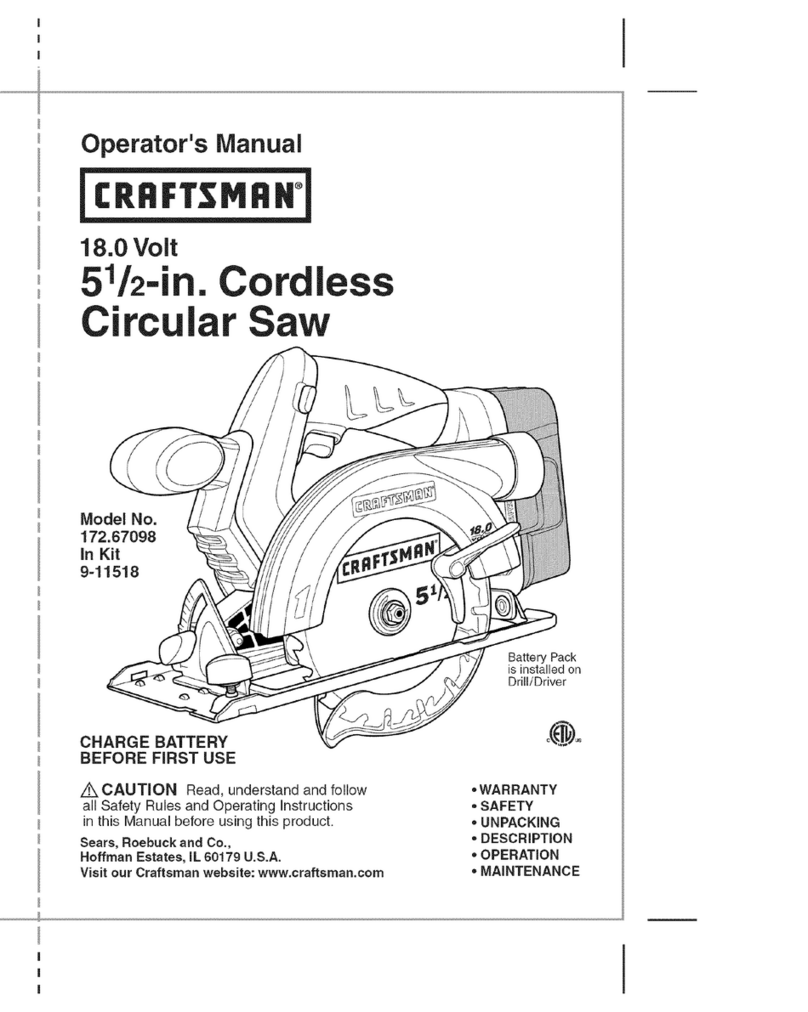
Craftsman 172.67098 User manual

Craftsman

Craftsman 172.67098 User manual

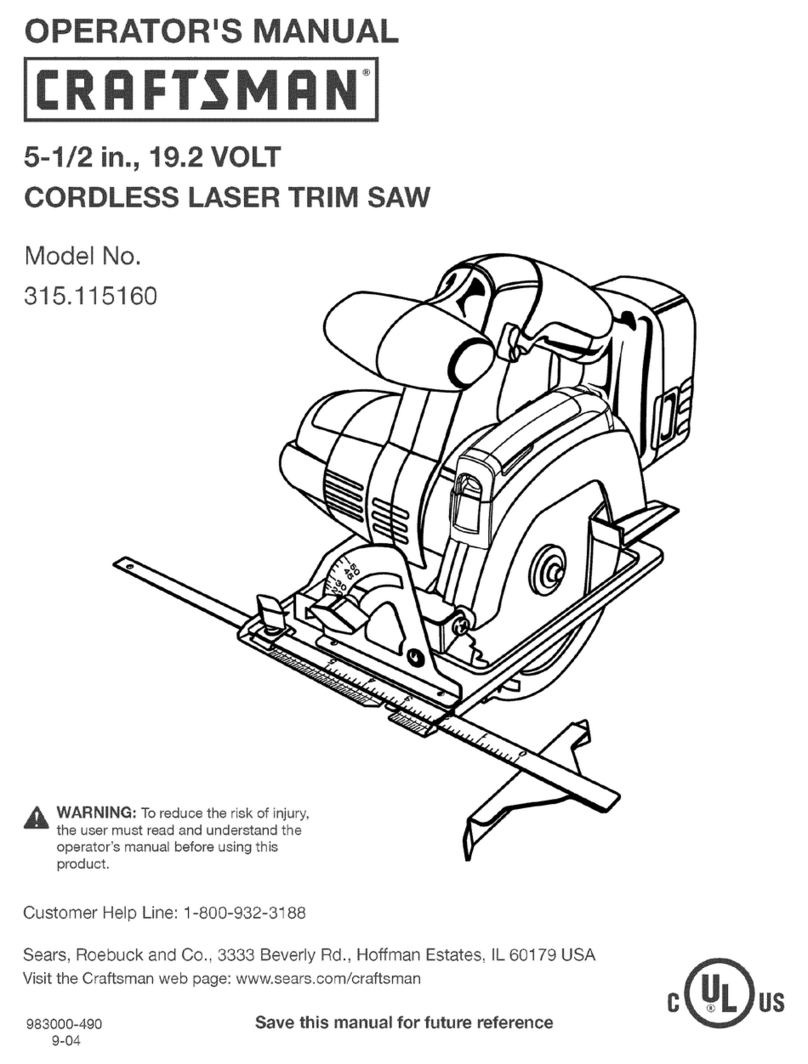
Craftsman 315.115160 User manual

Craftsman

Craftsman 315.115160 User manual

Craftsman 315.115690 User manual

Craftsman

Craftsman 315.115690 User manual

Craftsman 315.115160 User manual

Craftsman

Craftsman 315.115160 User manual

Craftsman CMCS600 User manual

Craftsman

Craftsman CMCS600 User manual

Craftsman 315.114281 User manual

Craftsman

Craftsman 315.114281 User manual

Craftsman 315.271020 User manual

Craftsman

Craftsman 315.271020 User manual

Craftsman 973.112930 User manual

Craftsman

Craftsman 973.112930 User manual

Craftsman 315.115161 User manual

Craftsman

Craftsman 315.115161 User manual

Craftsman 315.114232 User manual

Craftsman

Craftsman 315.114232 User manual

Craftsman 973.113121 User manual

Craftsman

Craftsman 973.113121 User manual

Craftsman nextec 320.10004 User manual

Craftsman

Craftsman nextec 320.10004 User manual

Popular Cordless Saw manuals by other brands

Milwaukee 18 Volt Sawzall Operator's manual

Milwaukee

Milwaukee 18 Volt Sawzall Operator's manual

EDM Product 08754 instruction manual

EDM Product

EDM Product 08754 instruction manual

GreenWorks GD24JS Operator's manual

GreenWorks

GreenWorks GD24JS Operator's manual

AEG BKS18LI-401B Instructions for use

AEG

AEG BKS18LI-401B Instructions for use

Black & Decker BDEJS4C instruction manual

Black & Decker

Black & Decker BDEJS4C instruction manual

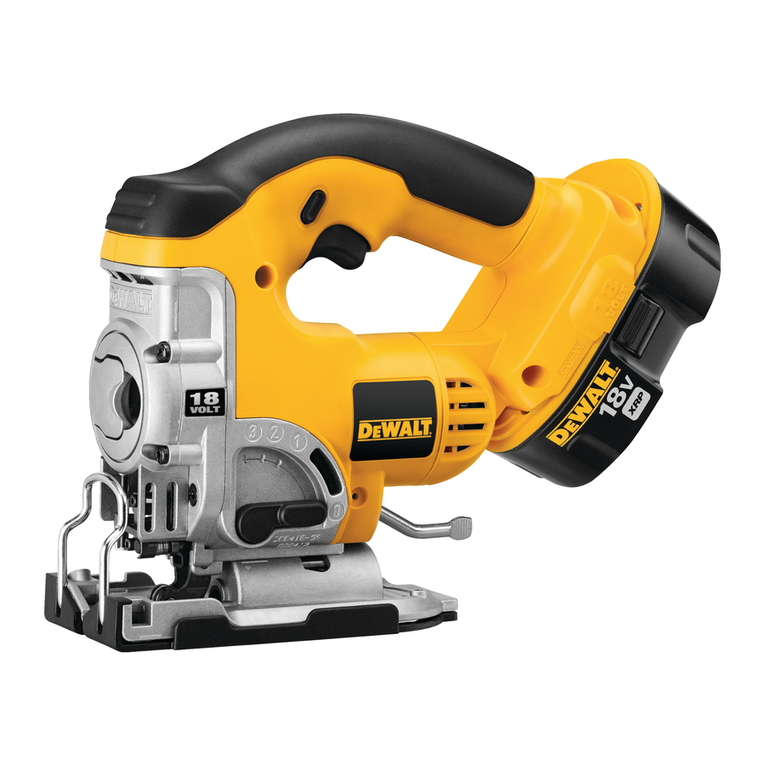
DeWalt DC330 instruction manual

DeWalt

DeWalt DC330 instruction manual

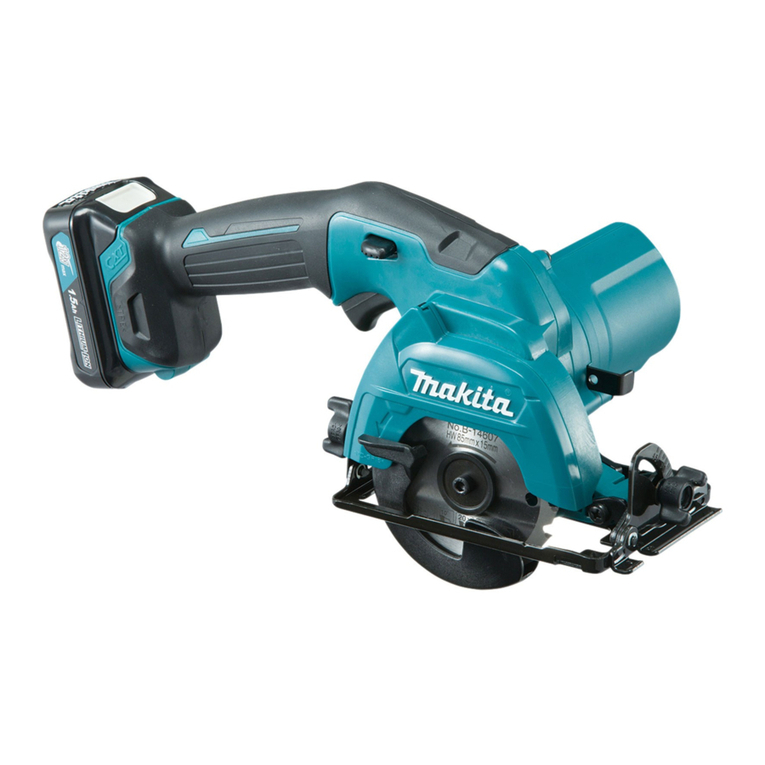
Makita HS301D instruction manual

Makita

Makita HS301D instruction manual

Makita RS001GM101 instruction manual

Makita

Makita RS001GM101 instruction manual

Metabo HPT C 3607DWA instruction manual

Metabo HPT

Metabo HPT C 3607DWA instruction manual

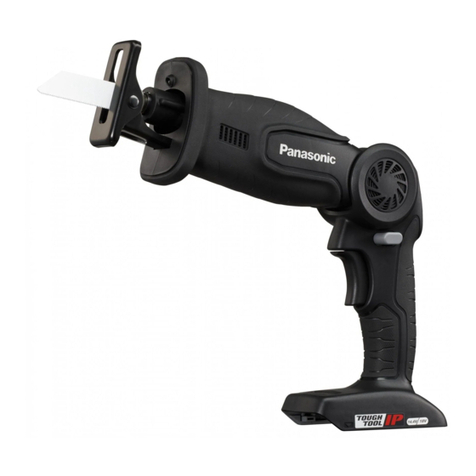
Panasonic EY47A1 Service manual

Panasonic

Panasonic EY47A1 Service manual

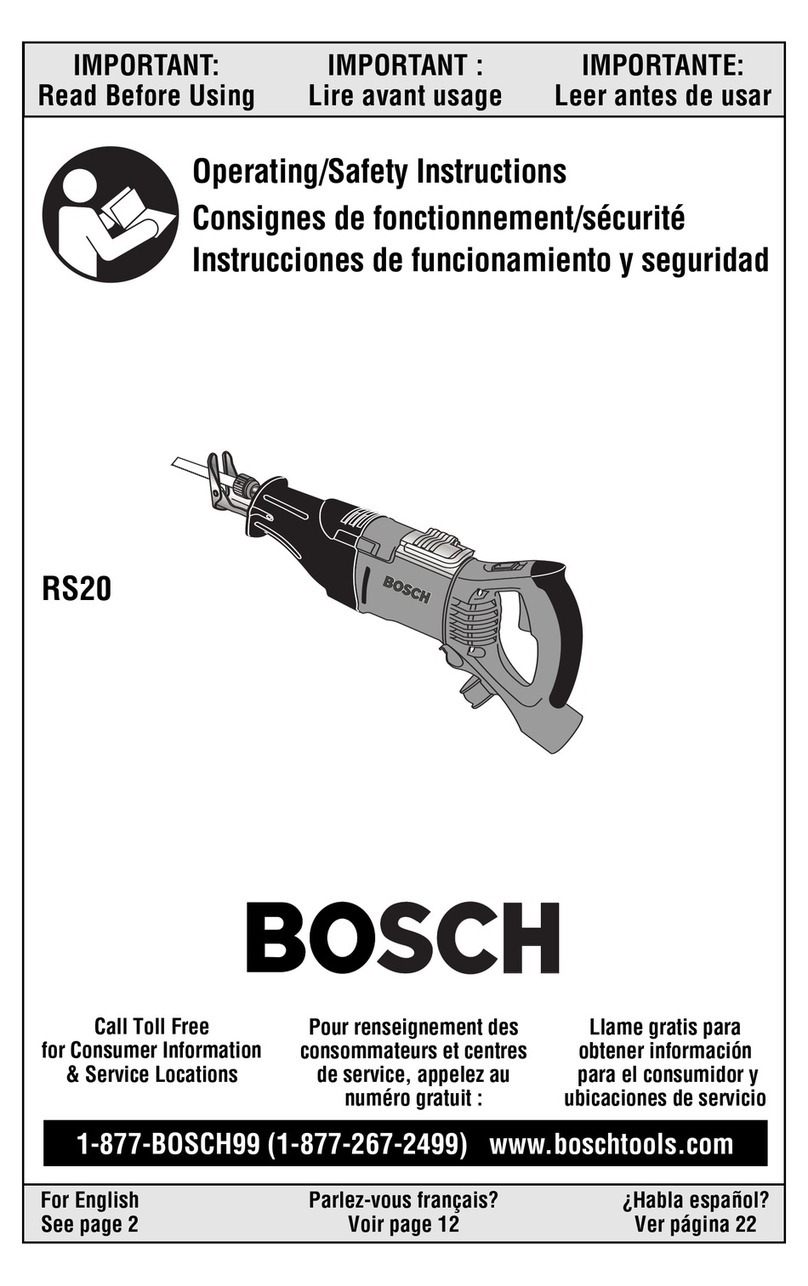
Bosch RS20 Operating/safety instructions

Bosch

Bosch RS20 Operating/safety instructions

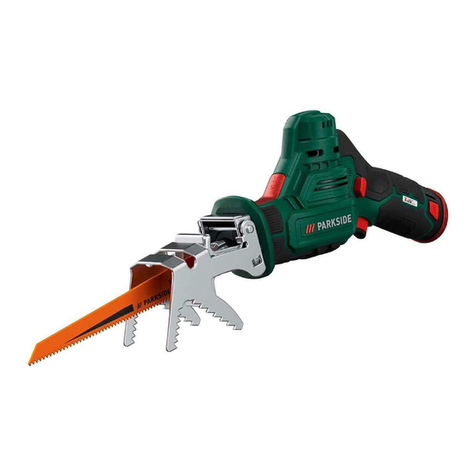
Parkside PAAS 12 A2 Translation of the original instructions

Parkside

Parkside PAAS 12 A2 Translation of the original instructions

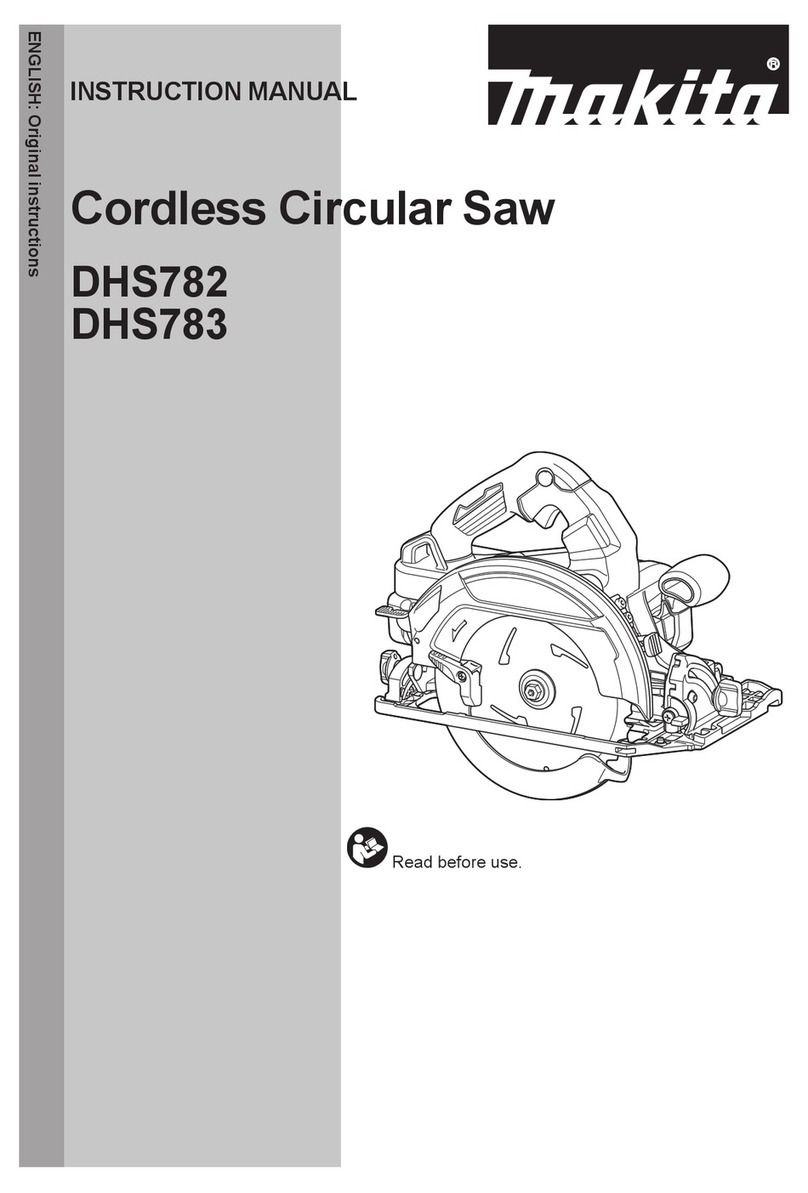
Makita DHS783ZJU instruction manual

Makita

Makita DHS783ZJU instruction manual

Makita DJR188Z instruction manual

Makita

Makita DJR188Z instruction manual

Makita DJV181 instruction manual

Makita

Makita DJV181 instruction manual

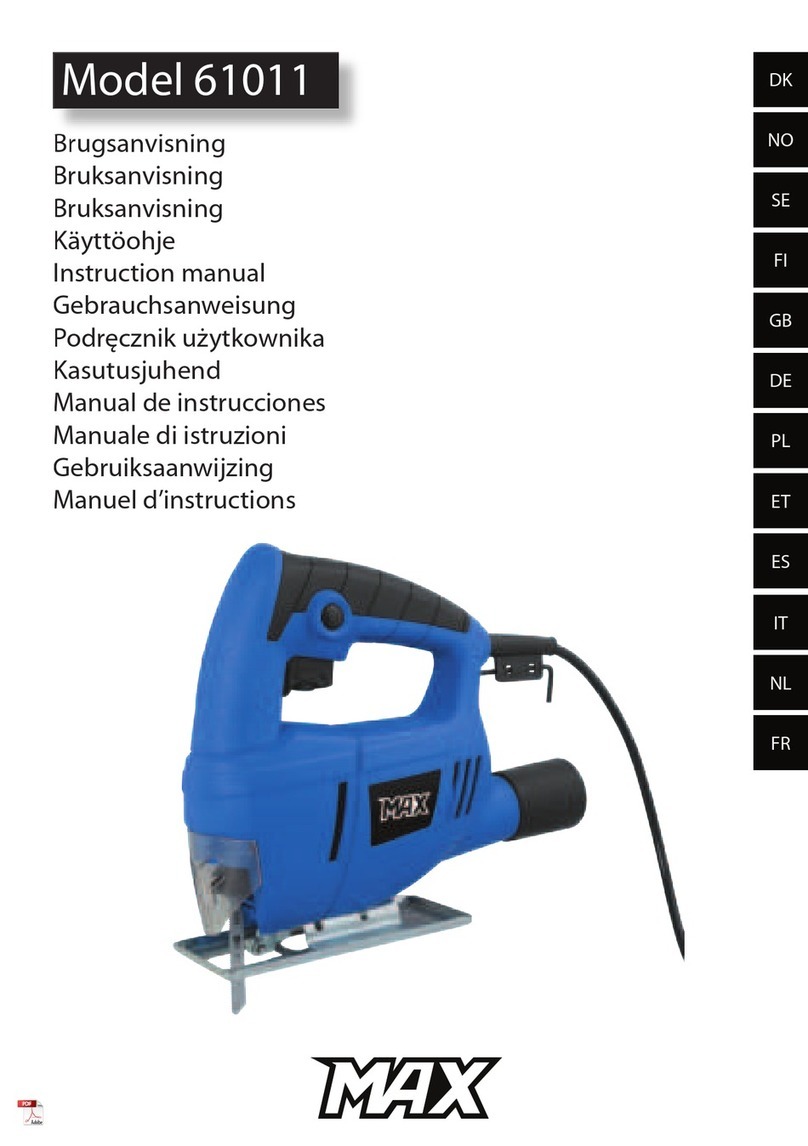
Max 61011 instruction manual

Max

Max 61011 instruction manual

Makita 4390D instruction manual

Makita

Makita 4390D instruction manual

Hitachi CR 18DV Handling instructions

Hitachi

Hitachi CR 18DV Handling instructions

manuals.online logo
manuals.online logoBrands
  • About & Mission
  • Contact us
  • Privacy Policy
  • Terms and Conditions

Copyright 2025 Manuals.Online. All Rights Reserved.

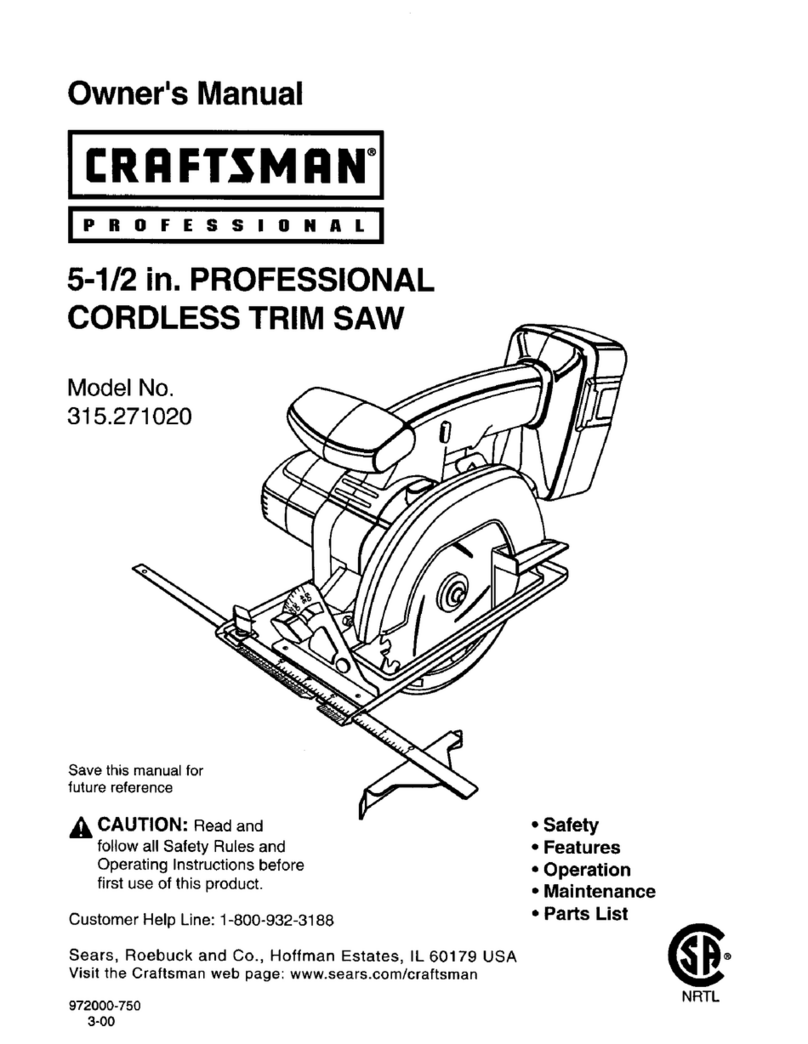
Owner's Manual
CRFIFTSMI:INI
5-1/2 in., 14.4 VOLTS
CORDLESS TRIM SAW
Model No.
973.113080
Save this manual for
future reference
CAUTION: Read and
follow all Safety Rules and
Operating Instructions before
first use of this product.
• Safety
•Features
•Operation
•Maintenance
•Parts List
Customer Help Line: 1-800-932-3188
Sears, Roebuck and Co., Hoffman Estates, IL 60179 USA
Visit the Craftsman web page: www.sears.com/craftsman
972000-806
10-00 ®
• Table of Contents ........................................................................................................................................... 2
• Warranty and Introduction .............................................................................................................................. 2
• Rules For Safe Operation ........................................................................................................................... 3-6
A. Important Safety Rubes For Battery Tools .............................................................................................. 4
B. Important Safety Instructions For Charger ............................................................................................. 4
C. Important Safety Instructions For Trim Saws ......................................................................................... 5
• Product Specifications and Unpacking .......................................................................................................... 6
•Accessories ................................................................................................................................................... 6
• Features ............. :...._..................................................................................................................................... 7
• Operation .................................................................................................................................................. 8-16
• Maintenance ................................................................................................................................................ 17
• Battery Pack Removal and Preparation For Recycling ................................................................................ 17
• Exploded View and Repair Parts List ...................................................................................................... 18-19
• Parts Ordering /Service ............................................................................................................................... 20
_1_ Look for this symbol to point out important safety precautions. It means attention!H Your
safety is involved.
FULL ONE YEAR WARRANTY ON CRAFTSMAN CORDLESS TRIM SAW
If this CRRI=TSMRNCordless Trim Saw fails to give complete satisfaction within one year from the date of
purchase, RETURN IT TO THE NEAREST SEARS STORE OR SEARS SERVICE CENTER IN THE UNITED
STATES, and Sears will repair it, free of charge,
If this I"RAFTSI_I_N Trim Saw is used for commercial or rental purposes, this warranty applies for only 90 days
from the date of purchase.
This warranty gives you specific legal rights, and you may also have other rights which vary from state to state.
Sears, Roebuck and Co., Dept. 817WA, Hoffman Estates, IL 60179
Your trim saw has many features for making cutting
operations more pleasant and enjoyable. Safety,
performance and dependability have been given top
priority in the design of this trim saw making it easy to
maintain and operate.
_, CAUTION: Carefully read through this entire
owner's manual before using your new trim saw.
Pay close attention to the RuLes For Safe
Operation, Warnings and Cautions. tf you use
your trim saw properly and only for what it is
intended, you will enjoy years of safe, reliable
service.
,_ WARNING:
The operation of any power tool can result in foreign objects being thrown into your eyes,
which can result in severe eye damage. Before beginning power tool operation, always wear
safety goggles or safety glasses with side shields and a full face shield when needed. We
recommend Wide Vision Safety Mask for use over eyeglasses or standard safety glasses
with side shields, available at Sears Retail Stores.
The purpose of safety symbols is to attract your attention to possible dangers. The safety symbols, and
the explanations with them, deserve your careful attention and understanding. The safety warnings do
not by themselves eliminate any danger. The instructions or warnings they give are not substitutes for
proper accident prevention measures.
SYMBOL MEANING
,& SAFETY ALERT SYMBOL:
Indicates danger, warning or caution. May be used in conjunction with other symbols or pictographs.
ADANGER: Failure to obey a safety warning will result in serious injury to yourself or to others.
Always folJow*the safety precautions to reduce the risk of fire, electric shock and personal injury.
AWARNING: Failure to obey a safety warning can result in serious injury to yourself or to others.
Always follow the safety precautions to reduce the risk of fire, electric shock and personal injury.
ACAUTION: Failure to obey a safety warning may result in property damage or personal injury to
yourself or to others. Always follow the safety precautions to reduce the risk of fire, electric shock
and personal injury.
NOTE: Advises you of information or instructions vital to the operation or maintenance of the equipment.
_k WARNING: Do not attempt to operate this tool •
until you have read thoroughly and understand
completely all instructions, safety rules, etc.
contained in this manual. Failure to comply can
result in accidents involving fire, electric shock,
or serious personal injury. Save owner's manual
and review frequently for continuing safe
operation, and instructing others who may use
this tool. •
READ ALL INSTRUCTIONS
KNOW YOUR POWER TOOL. Read owner's
manual carefully. Learn its applications and
limitations as well as the specific potential
hazards related to this tool.
GUARD AGAINST ELECTRICAL SHOCK by
preventing body contact with grounded surfaces.
For example: Pipes, radiators, ranges, refrigera-
tor enclosures.
•KEEP WORK AREA CLEAN. Cluttered areas
and benches invite accidents.
•AVOID DANGEROUS ENVIRONMENT. Don't
use power tool in damp or wet locations or
expose to rain. Keep work area well lit.
KEEP CHILDREN AND VISITORS AWAY. All
visitors should wear safety glasses and be kept a
safe distance from work area. Do not let visitors
contact tool or extension cord.
• STORE IDLE TOOLS. When not in use tools
should be stored in a dry and high or locked-up
place - out of the reach of children.
3
DON'T FORCE TOOL. It will do the job better
and safer at the rate for which it was designed.
USE RIGHT TOOL. Don't force small tool or
attachment to do the job of a heavy duty tool.
Don't use tool for purpose not intended - for
example - A circular saw should never be used
for cutting tree limbs or logs.
WEAR PROPER APPAREL. Do not wear loose
clothing or jewelry that can get caught in tool's
moving parts and cause personal injury. Rubber
gloves and nonskid footwear are recommended
when working outdoors. Wear protective hair
covering to contain long hair and keep it from
being drawn into nearby air vents.
ALWAYS WEAR SAFETY GLASSES. Everyday
eyeglasses have only impact-resistant lenses;
they are NOT safety glasses.
PROTECT YOUR LUNGS. Wear a face mask or
dust mask if operation is dusty.
PROTECT YOUR HEARING. Wear hearing
protection during extended periods of operation.
SECURE WORK. Use clamps or a vise to hold
work. It's safer than using your hand and it frees
both hands to operate tool.
DON'T OVERREACH. Keep proper footing and
balance at all times. Do not use while standing
on a ladder or unstable support.
RULES FOR SAFE OPERATION (Continued)
MAINTAIN TOOLS WITH CARE. Keep tools
sharp at all times, and clean for best and safest
performance. Follow instructions for lubricating
and changing accessories.
REMOVE ADJUSTING KEYS AND
WRENCHES. Form habit of checking to see that
keys and adjusting wrenches are removed from
tool before turning it on.
NEVER USE IN AN EXPLOSIVE ATMO-
SPHERE. Normal sparking of the motor could
ignite flammable liquids, gases, or fumes.
KEEP HANDLES DRY, CLEAN, AND FREE
FROM OIL AND GREASE. Always use aclean
cloth when cleaning. Never use brake fluids,
gasoline, petroleum-based products or any
strong solvents to clean your tool.
•STAY ALERT. Watch what you are doing and
use common sense. Do not operate tool when
you are tired. Do not rush.
CHECK DAMAGED PARTS. Before further use
of the tool, a guard or other part that is damaged
should be carefully checked to determine that it
will operate properly and perform its intended •
function. Check for alignment of moving parts,
binding of moving parts, breakage of parts,
mounting, and any other conditions that may
affect its operation. A guard or other part that is •
damaged should be properly repaired or
replaced by an authorized service center unless •
indicated elsewhere in this instruction manual.
•DO NOT USE TOOL IF SWITCH DOES NOT
TURN IT ON AND OFF. Have defective switches
replaced by an authorized service center.
• DRUGS, ALCOHOL, MEDICATION. Do not
operate tool while under the influence of drugs,
alcohol, or any medication.
making adjustments to it, or when changing
accessories.
USE ONLY THE CHARGER PROVIDED WITH
YOUR BATTERY TOOL. Do not substitute any
other charger. Use of another charger could
cause batteries to explode causing possible
serious injury.
DO NOT PLACE BATTERY TOOLS OR THEIR
BATTERIES NEAR FIRE OR HEAT. They may
explode.
DO NOT CHARGE BATTERY TOOL IN A
DAMP OR WET LOCATION.
Your battery tool should be charged in a location
where the temperature is more than 50°F but
less than 100°F.
Under extreme usage or temperature conditions,
battery leakage may occur. If liquid comes in
contact with your skin, wash immediately with
soap and water, then neutralize with lemon juice
or vinegar. If liquid gets in your eyes, flush them
with clean water for at least 10 minutes, then
seek immediate medical attention.
If carrying your battery tool at your side, make
sure it is not running and your finger is not on the
switch. Avoid accidental starting.
SECURE WORK before applying power. NEVER
hold workpiece in your hand or across your legs.
WHEN SERVICING USE ONLY IDENTICAL
CRAFTSMAN REPLACEMENT PARTS.
IMPORTANT SAFETY INSTRUCTIONS FOR
CHARGER
CUTTING INTO ELECTRICAL WIRING IN
WALLS AND FLOORS CAN CAUSE THE •
BLADE AND METAL PARTS TO BECOME
ELECTRICALLY LIVE. Do not touch metal parts
when cutting into walls and floors; grasp only the
insulated handle(s) provided on the tool. Make
sure hidden electrical wiring, water pipes, and
mechanical hazards are not in the blade path
when cutting into a wall or floor.
• INSPECT FOR and remove all nails from lumber
before cutting.
IMPORTANT SAFETY RULES FOR BATTERY
TOOLS
Battery tools do not have to be plugged into an
electrical outlet; therefore, they are always in an
operating condition. Be aware of possible
hazards when carrying your battery tool, when
SAVE THESE INSTRUCTIONS. This manual
contains important safety and operating
instructions for battery charger item number
9-11012 (981481-001 ).
Before using battery charger, read all instructions
and cautionary markings in this manual, on
battery charger, and product using battery
charger.
WARNING: To reduce risk of injury, charge
only nickel-cadmium type rechargeable batteries.
Other types of batteries may burst causing
personal injury and damage.
Do not expose charger to rain or snow.
Use of an attachment not recommended or sold
by the battery charger manufacturer may result
in a risk of fire, electric shock, or injury to
persons.
To reduce risk of damage to charger body and
cord, pull by charger body rather than cord when
disconnecting charger.
4

RULES FOR SAFE OPERATION (Continued)
• Make sure cord is located so that it will not be •
stepped on, tripped over, or otherwise subjected
to damage or stress. •
• An extension cord should not be used unless
absolutely necessary. Use of improper
extension cord could result in a risk of fire and
electric shock. If extension cord must be used,
make sure:
a. That pins on plug of extension cord are the _i,
same number, size and shape as those of •
plug on charger.
b. That extension cord is properly wired and in
good electrical cSndition; and
c. That wire size is large enough for AC
ampere rating of charger as specified
below:
Cord Length (Feet) 25' 50' 100'
Cord Size (AWG) 16 16 16
Note: AWG = American Wire Gage
•DO NOT OPERATE CHARGER WITH A
DAMAGED CORD OR PLUG. If damaged,
have replaced immediately by a qualified
service technician.
• Do not operate charger if it has received a
sharp blow, been dropped, or otherwise
damaged in any way; take it to a qualified
service technician.
• Do net disassemble charger; take it to a
qualified service technician when service or
repair is required. Incorrect reassembly may
result in a risk of electric shock or fire.
• To reduce risk of electric shock, unplug charger
from outlet before attempting any maintenance
or cleaning. Turning off controls will not reduce •
this risk.
• Do not use charger outdoors.
• Disconnect charger from power supply when
net in use.
IMPORTANT SAFETY INSTRUCTIONS FOR
TRIM SAWS
KEEP GUARDS IN PLACE AND IN WORKING
ORDER. Never wedge or tie lower blade guard
open. Check operation of lower blade guard
before each use. Do not use if lower blade guard
does not close briskly over saw blade.
_k WARNING: If saw is dropped, lower blade
guard or bumper may be bent, restricting full
return. If lower blade guard or bumper becomes
bent or damaged, replace them before reuse.
KEEP BLADES CLEAN AND SHARP. Sharp
blades minimize stalling and kickback.
KEEP HANDS AWAY FROM CUTTING AREA.
Keep hands away from blade. Do not reach
underneath work while blade is rotating. Do not
attempt to remove cut material when blade is
moving.
WARNING: Blades coast after turn off.
USE RIP FENCE. Always use a fence or straight
edge guide when ripping.
SUPPORT LARGE PANELS. To minimize the
risk of blade pinching and kickback, always
support large panels as shown in Figure 9, Page
11. When cutting operation requires the resting
of the saw on the workpiece, the saw should be
rested on the larger portion and the smaller piece
cut off.
•LOWER BLADE GUARD.
_k WARNING: If lower blade guard must be raised
to make a cut, always raise it with the retracting
handle to avoid serious injury. See Figure 21,
Page 16.
•GUARD AGAINST KICKBACK. Kickback occurs
when the saw stalls rapidly and is driven back
towards the operator. Release switch
immediately if blade binds or saw stalls. Don't
remove saw from work during a cut while the
blade is moving. See Pages 11 and 12.
•BEFORE MAKING A CUT, BE SURE THE
DEPTH AND BEVEL ADJUSTMENTS ARE
TIGHT.
USE ONLY CORRECT BLADES. Do not use
blades with incorrect size holes. Never use blade
washers or bolts that are defective or incorrect.
The maximum blade capacity of your saw is 5-1/2
inches.
NEVER touch the blade or other moving parts
during use.
NEVER start a saw when its blade is touching
the workpiece.
NEVER lay a tool down before its moving parts
have come to a complete stop.
SAVE THESE INSTRUCTIONS. Refer to them
frequently and use them to instruct others who
may use this tool. If you loan someone this tool,
loan them these instructions also.
_IWARNING: Somedustcreatedbypowersanding,sawing,grinding,drilling,andotherconstruction
activitiescontainschemicalsknowntocausecancer,birthdefectsorotherreproductiveharm.Some
examples of these chemicals are:
•lead from lead-based paints,
• crystalline silica from bricks and cement and other masonry products, and
•arsenic and chromium from chemically-treated lumber.
Your risk from these exposures varies, depending on how often you do this type of work. To reduce your
exposure to these chemicals: work in a wen ventilated area, and work with approved safety equipment,
such as those dust masks that are specially designed to filter out microscopic particles.
SAVE THESE INSTRUCTIONS
Blade Diameter
Blade Arbor
Cutting Depth at 0° Bevel Cut
Cutting Depth at 45 ° Bevel Cut
5-1/2 in. No Load Speed 3,800 RPM
3/8 in. Motor 14.4 Volts DC
1-9/16 in. Charge Rate 3 - 5 Hours
1-1/8 in. Charger Rating 120 volts, 60 Hz, AC
Your trim saw has been shipped completely
assembled except for the blade. Inspect it carefully to
make sure no breakage or damage has occurred
during shipping. If any parts are damaged or missing,
contact your nearest Sears Retail Store to obtain
replacement parts before attempting to operate saw. A
blade, blade wrench, rip guide, and this owner's
manual are also included.
WARNING: If any parts are missing, do not
operate this tool until the missing parts are
replaced. Failure to do so could result in possible
serious personal injury.
The following recommended accessories are currently available at Sears Retail Stores.
• 5-1/2 in. Thin Kerr Blade
,_i WARNING: The use of attachments or accessories not listed might be hazardous.
KNOWYOURTRIMSAW
See Figure 1.
Before attempting to use any tool familiarize yourself
with all operating features and safety requirements.
Features include easily operated bevel cut and depth
of cut adjustment mechanisms; positive 0° bevel stop;
spindle lock; and blade wrench storage,
_1 WARNING: If any parts are missing, do not
operate tool until the missing parts are replaced.
Failure to do so could result in possible serious
personal injury.
RIP
GUIDESCREW
(WINGSCREW)
SWITCH
See Figure 1.
Your saw is equipped with a lock-off button which
reduces the possibility of accidental starting. The lock-
off button is located on the handle above the switch
trigger. You must depress the lock-off button in order
to pull the switch trigger. The lock resets each time
the trigger is released. Note: You can depress the
lock-off button from either the left or right side.
APPLICATIONS
(Use only for the purpose listed below)
• Cutting all types of wood products (lumber,
plywood, paneling).
BATTERY
PACK
CHARGER
RED
LIGHT
BLADEWRENCH
STORAGEAREA
BLADEWRENCH
(5 mmHEXKEY)
DEPTHOF
CUTADJUSTMENT
(DEPTHADJUSTMENTKNOB) SPINDLE
LOCKBUTTON
LOCK-OFF
BUTTON
CHARGING
STAND
RIP
GUIDESCREW
(WINGSCREW)
SWITCH
TRIGGER
UPPER
BLADEGUARD
BEVELCUT
ADJUSTMEN1
(BEVELADJUSTMENT
KNOB)
BASE
ASSEMBLY
-LOWER
BLADEGUARD
'BLADE
RIPGUIDE
Fig. t
7
,_ WARNING: Always wear safety goggles or
safety glasses with side shields when operating
tools. Failure to de so could result in objects
being thrown into your eyes, resulting in possible
serious injury.
_i WARNING: Do not allow familiarity with your
trim saw to make you careless. Remember that a
careless fraction of a second is sufficient to inflict
severe injury.
CHARGING BATTERY PACK
The battery pack for this tool has been shipped in a
low charge condition to prevent possible problems.
Therefore, you should charge it at least 3 to 5 hours
prior to use.
Note: Batteries will not reach full charge the first time
they are charged. Allow several cycles (cutting
followed by recharging) for them to become fully
charged.
TO CHARGE
• Charge battery pack only with the charger and
charging stand provided,
•Make sure power supply is normal household
voltage, 120 volts, 60 Hz, AC only.
•Connect charger to power supply.
• Place battery pack in charging stand. Align raised
rib on battery pack with groove in charging stand.
See Figure 1.
• Press down on battery pack to be sure contacts on
battery pack engage properly with contacts in
charging stand.
• When properly connected, the red light on charging
stand will turn on.
•Note: If charger does not charge battery pack, return
battery pack, charger and charging stand to your
nearest Sears Repair Center for electrical check.
• After normal usage, 3 hours of charging time is
required to be fully charged. A minimum charge
time of 3 to 5 hours is required to recharge a
completely discharged tool.
• The battery pack will become slightly warm to the
touch while charging. This is normal and does not
indicate a problem.
•Do not place charger in an area of extreme heat or
cold. It will work best at normal room temperature.
• When batteries become fully charged, unplug
charger from power supply.
,_ WARNING: Always remove battery pack from
your saw when you are assembling parts, making
adjustments, assembling or removing blades,
cleaning, or when not in use. Removing battery
pack will prevent accidental starting that could
cause serious personal injury.
TO REMOVE BATTERY PACK
• Locate latches on end of battery pack and
depress to release battery pack from your saw.
See Figure 2.
DEPRESSLATCHESTO
RELEASEBATrERYPACK
LATCHES
BATTERY
PACK
Fig. 2
• Remove battery pack from your saw.
TO INSTALL BATTERY PACK
See Figure 2.
• Place battery pack in your saw. Align raised rib
inside saw with groove on battery pack.
• Make sure the latches on each side of your
battery pack snap in place and battery pack is
secured in saw before beginning operation.
,_ CAUTION: When placing battery pack in your
saw, be sure raised rib inside saw aligns with
groove on battery pack and latches snap in place
properly. Improper assembly of battery pack can
cause damage to internal components.
,_ WARNING: A 5-1/2 in. blade is the maximum
blade capacity of your saw. Never use a blade
that is too thick to allow outer blade washer to
engage with the flats on the spindle. Larger
blades will come in contact with the blade guard,
while thicker blades will prevent blade screw
from securing blade on spindle. Either of these
situations could result in a serious accident.
TO ASSEMBLE OR REMOVE BLADE
TO ASSEMBLE BLADE:
• Remove battery pack from saw.
_1= WARNING: Failure to remove battery pack from
saw could result in accidental starting causing
possible serious personal injury.
•Locate latches on end of battery pack and depress to
release battery pack from your saw. See Figure 2.
• Remove blade wrench (5 mm hex key) from
storage area. See Figure 1.
• Depress spindle lock button and remove blade
screw and outer blade washer. See Figure 3.
SPINDLE
LOCKBUTTON
LOWERBLADE OUTER BLADE
GUARDHANDLE BLADE BLADE SCREW
WASHER Fig. 3
Note: Turn blade screw clockwise to remove.
• Wipe a drop of oil onto inner blade washer and
outer blade washer where they contact blade.
_L WARNING: If inner blade washer has been
removed, replace it before placing blade on
spindle. Failure to do so could cause an accident
since blade will not tighten properly.
• Fitsawbladeinsidelowerbladeguardandonto
spindle.Note:Thesawteethpointupwardatthe
frontofsawasshowninfigure3.
• Replaceouterbladewasher.
• Depressspindlelockbutton,thenreplaceblade
screw.Tightenbladescrewsecurely.
Note:Turnbladescrewcounterclockwisetotighten.
• Returnbladewrenchtostoragearea.
REMEMBER: Never use a blade that is too thick to
allow the outer blade washer to engage with the
flats on the spindle,
TO REMOVE BLADE:
• Remove battery pack from saw.
_l_ WARNING: Failure to remove battery pack from
saw could result in accidental starting causing
possible serious personal injury.
• Remove blade wrench from storage area.
See Figure 1.
• Position your saw as shown in figure 4, depress
spindle lock button, and remove blade screw.
Note: Turn blade screw clockwise to remove.
• Remove outer blade washer. See Figure 3.
Note: Blade can be removed at this point.
SPINDLE
LOCKBUTTON
BLADE
SCREW
\.BLADE
WRENCH
Fig. 4
SAW BLADES
The best of saw blades will net cut efficiently ifthey
are not kept clean, sharp, and properly set. Using a
dull blade will place a heavy load on your saw and
increase the danger of kickback. Keep extra blades on
hand, so that sharp blades are always available.
Gum and wood pitch hardened on blades will slow
your saw down. Use gum and pitch remover, hot
water, or kerosene to remove these accumulations. Do
not use gasoline.
BLADE GUARD SYSTEM
The lower blade guard attached to your trim saw is
there for your protection and safety, It should
never be altered for any reason. If it becomes
damaged or begins to return slow or sluggish, do
not operate your saw until the damage has been
repaired or replaced. Always leave guard in
operating position when using saw.
,_ DANGER: When sawing through workpiece,
lower blade guard does not cover blade on the
underside of workpiece. Since blade is exposed
on underside of workpiece, keep hands and
fingers away from cutting area. Any part of your
body coming in contact with moving blade will
result in serious injury. See Figure 5.
LOWERBLADEGUARD
ISIN UPPOSITION
WHENMAKINGA CUT
BLADEEXPOSEDON
UNDERSIDEOFWORKPIECE Fig. 5
Never use saw when guard is not operating
correctly, Guard should be checked for correct
operation before each use. If you drop your saw,
check the lower blade guard and bumper for
damage at all depth settings before reuse.
Note: The guard is operating correctly when it
moves freely and readily returns to the closed
position. If for any reason your lower blade guard
does not close freely, take it to the nearest Sears
Parts and Repair Center for service before using.
10