manuals.online logo
Brands
  1. Home
  2. •
  3. Brands
  4. •
  5. Home affaire
  6. •
  7. Indoor Furnishing
  8. •
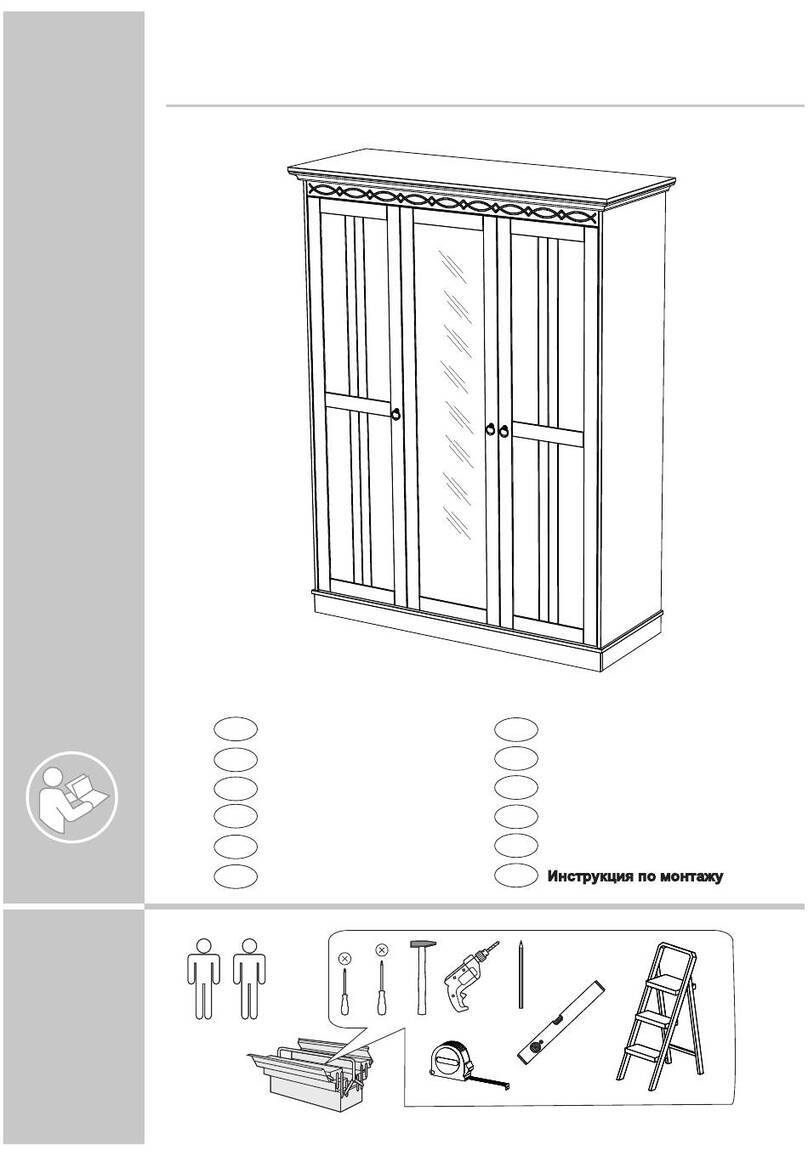
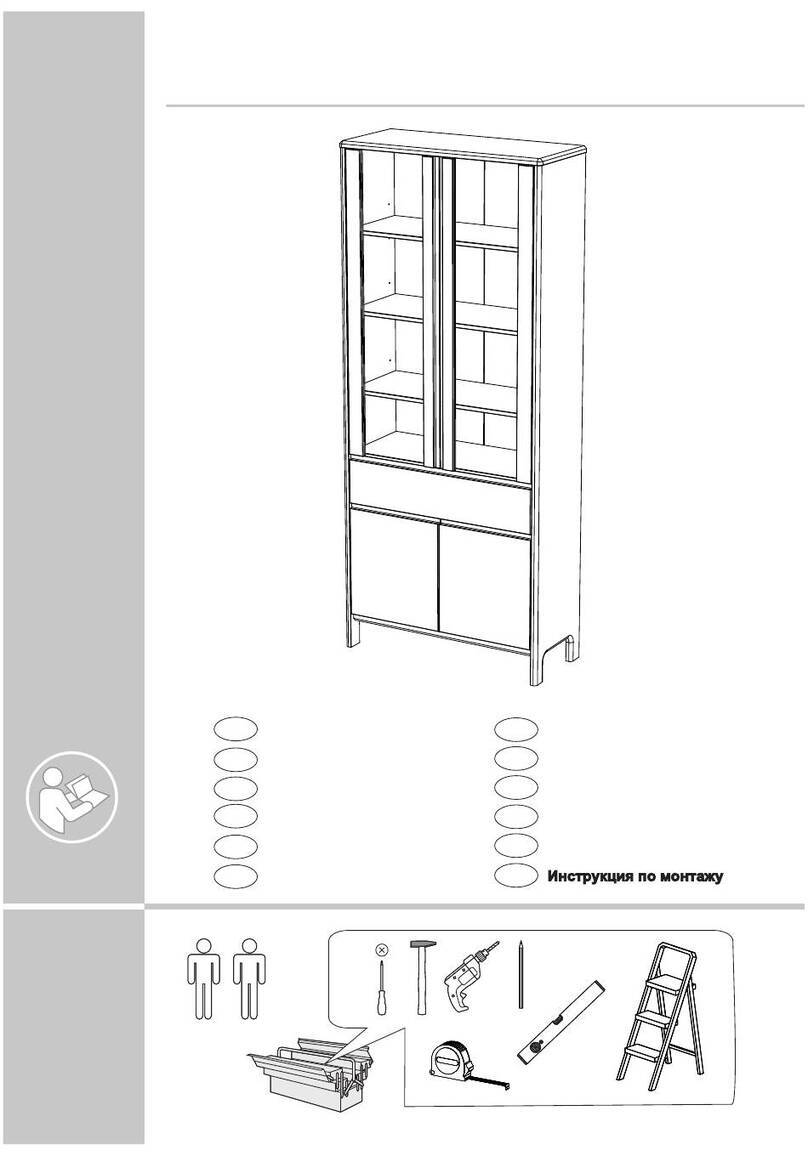
  9. Home affaire Tessin 74241958 User manual

Home affaire Tessin 74241958 User manual

This manual suits for next models

3

Other Home affaire Indoor Furnishing manuals

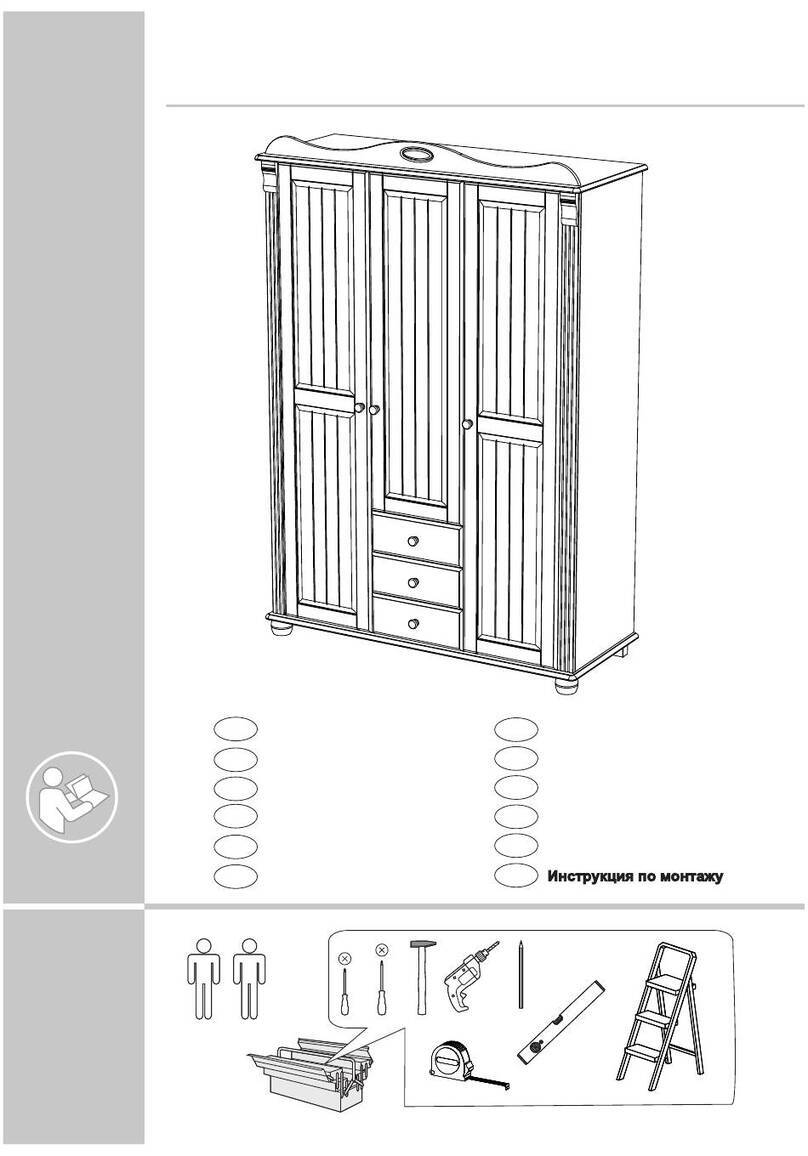
Home affaire 54449848 User manual

Home affaire

Home affaire 54449848 User manual

Home affaire 70366904 User manual

Home affaire

Home affaire 70366904 User manual

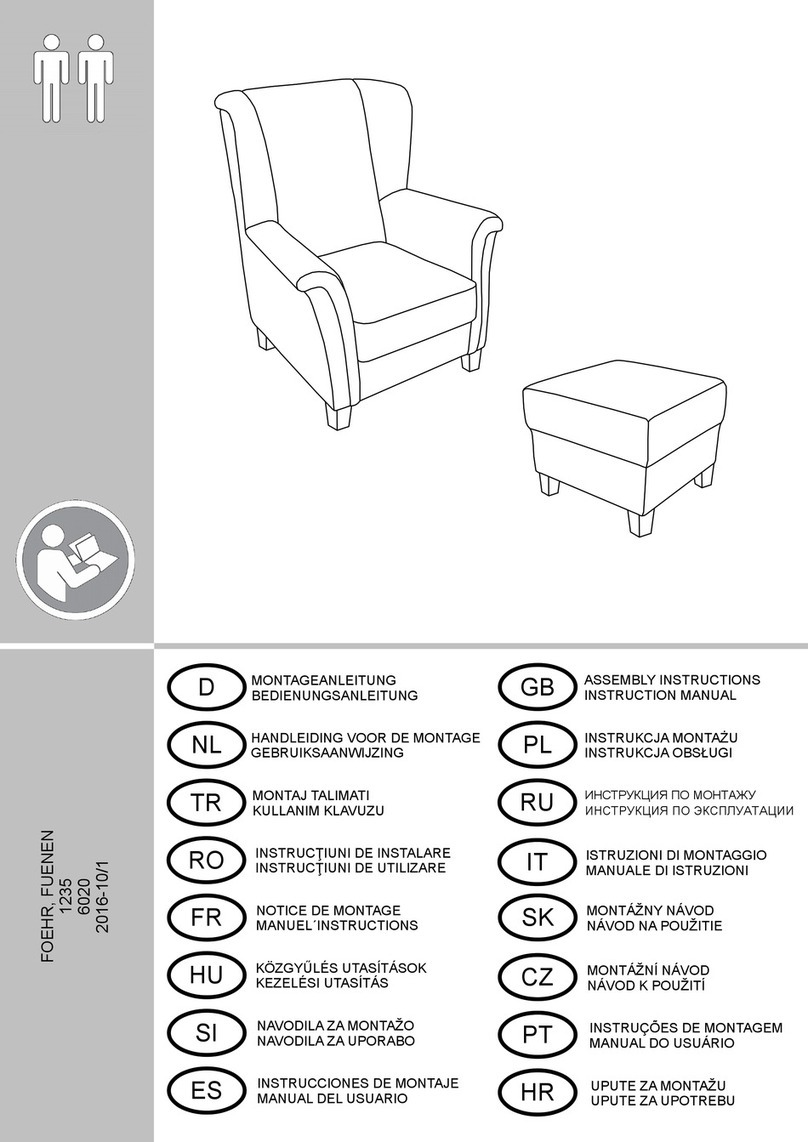
Home affaire FUENEN 1235 Installation guide

Home affaire

Home affaire FUENEN 1235 Installation guide

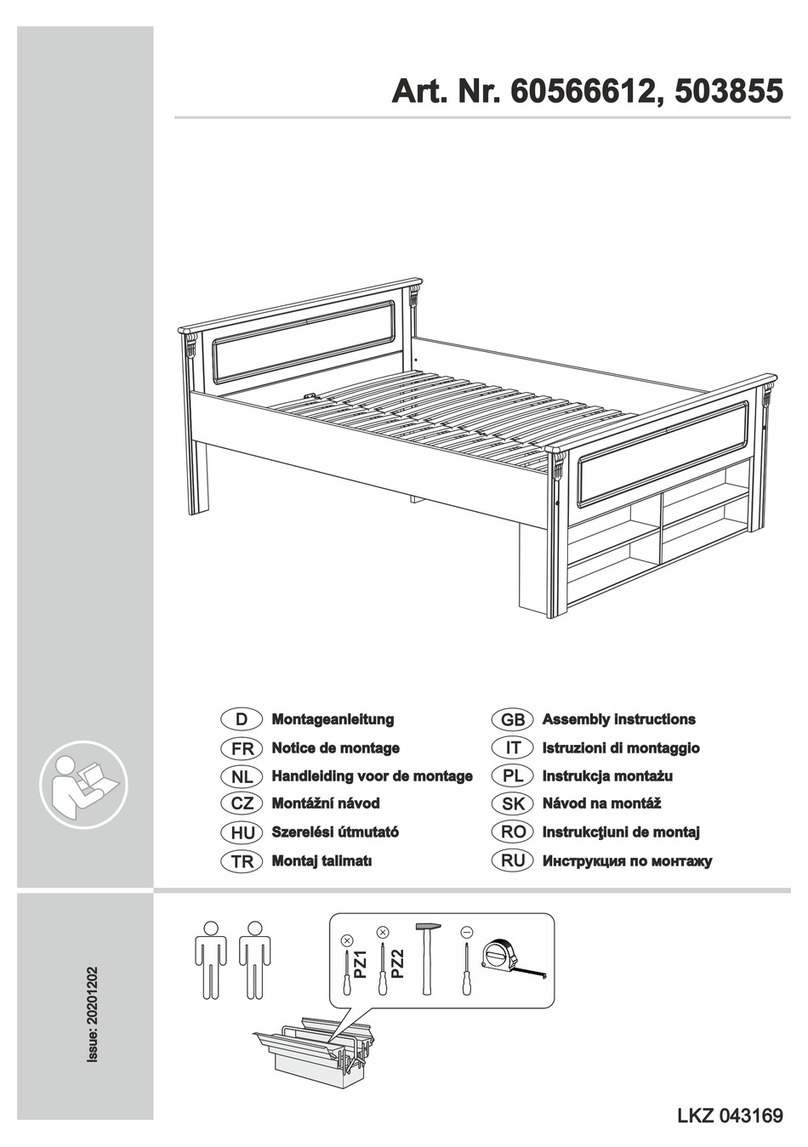
Home affaire Ascona 60566612 User manual

Home affaire

Home affaire Ascona 60566612 User manual

Home affaire Royal 23 User manual

Home affaire

Home affaire Royal 23 User manual

Home affaire Adriana 43949663 User manual

Home affaire

Home affaire Adriana 43949663 User manual

Home affaire Rauna 56377166 User manual

Home affaire

Home affaire Rauna 56377166 User manual

Home affaire Tessin 53964338 User manual

Home affaire

Home affaire Tessin 53964338 User manual

Home affaire LYA User manual

Home affaire

Home affaire LYA User manual

Home affaire Premium 369110 User manual

Home affaire

Home affaire Premium 369110 User manual

Home affaire DANGAST User manual

Home affaire

Home affaire DANGAST User manual

Home affaire Luven 53566361 User manual

Home affaire

Home affaire Luven 53566361 User manual

Home affaire Burani BU-71 User manual

Home affaire

Home affaire Burani BU-71 User manual

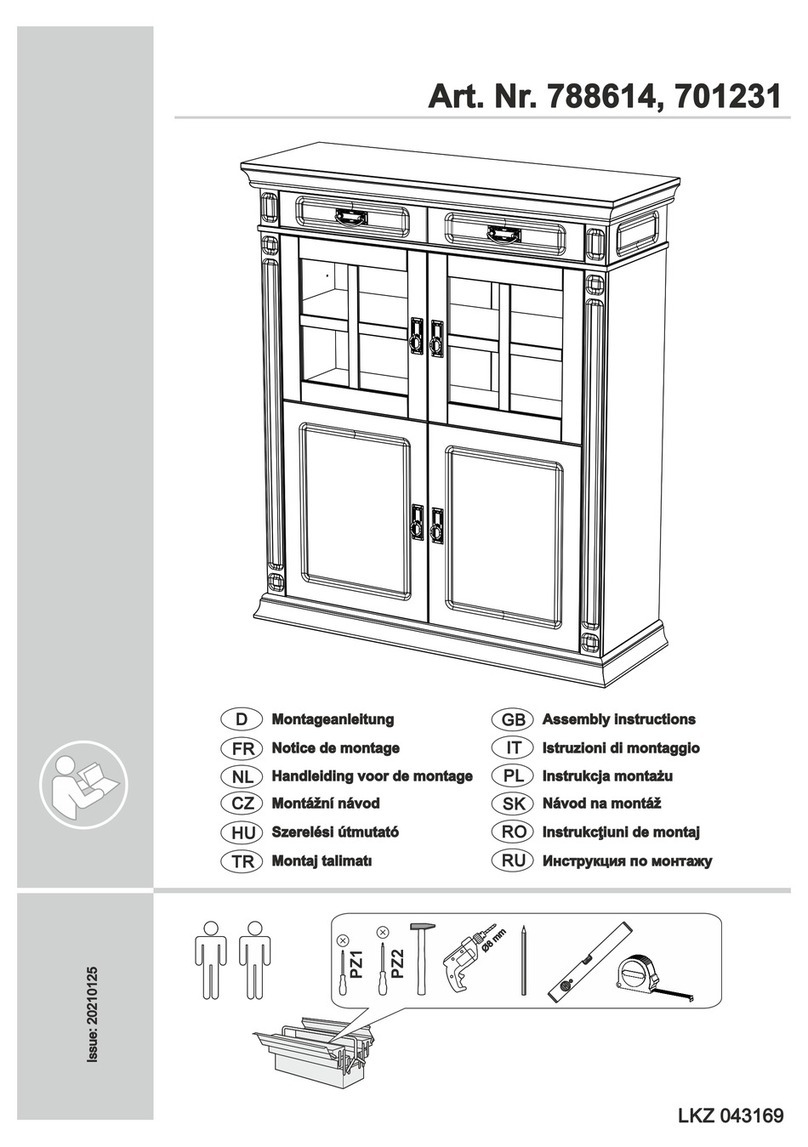
Home affaire Vinales 788614 User manual

Home affaire

Home affaire Vinales 788614 User manual

Home affaire TRONDTHEIM 8149 Installation guide

Home affaire

Home affaire TRONDTHEIM 8149 Installation guide

Home affaire BURANI BU-19 User manual

Home affaire

Home affaire BURANI BU-19 User manual

Home affaire 220536 User manual

Home affaire

Home affaire 220536 User manual

Home affaire Premium 706702 User manual

Home affaire

Home affaire Premium 706702 User manual

Home affaire 165579 User manual

Home affaire

Home affaire 165579 User manual

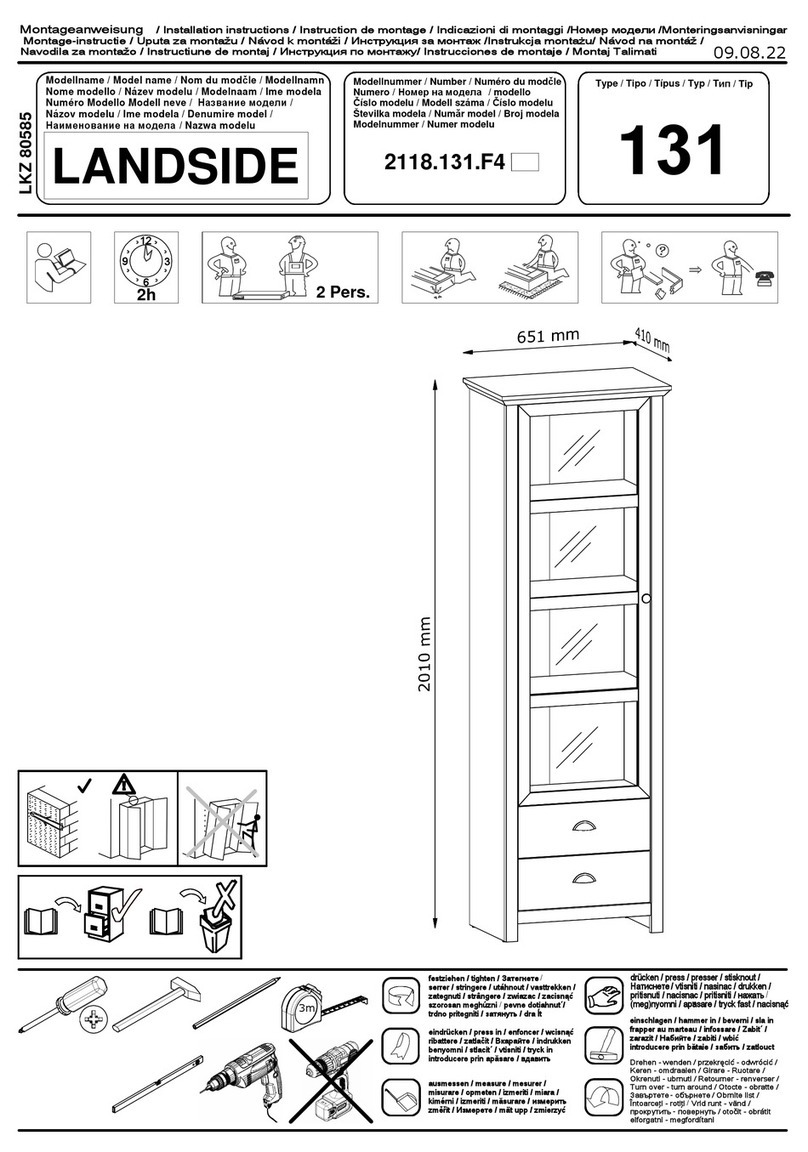
Home affaire LANDSIDE 131 User manual

Home affaire

Home affaire LANDSIDE 131 User manual

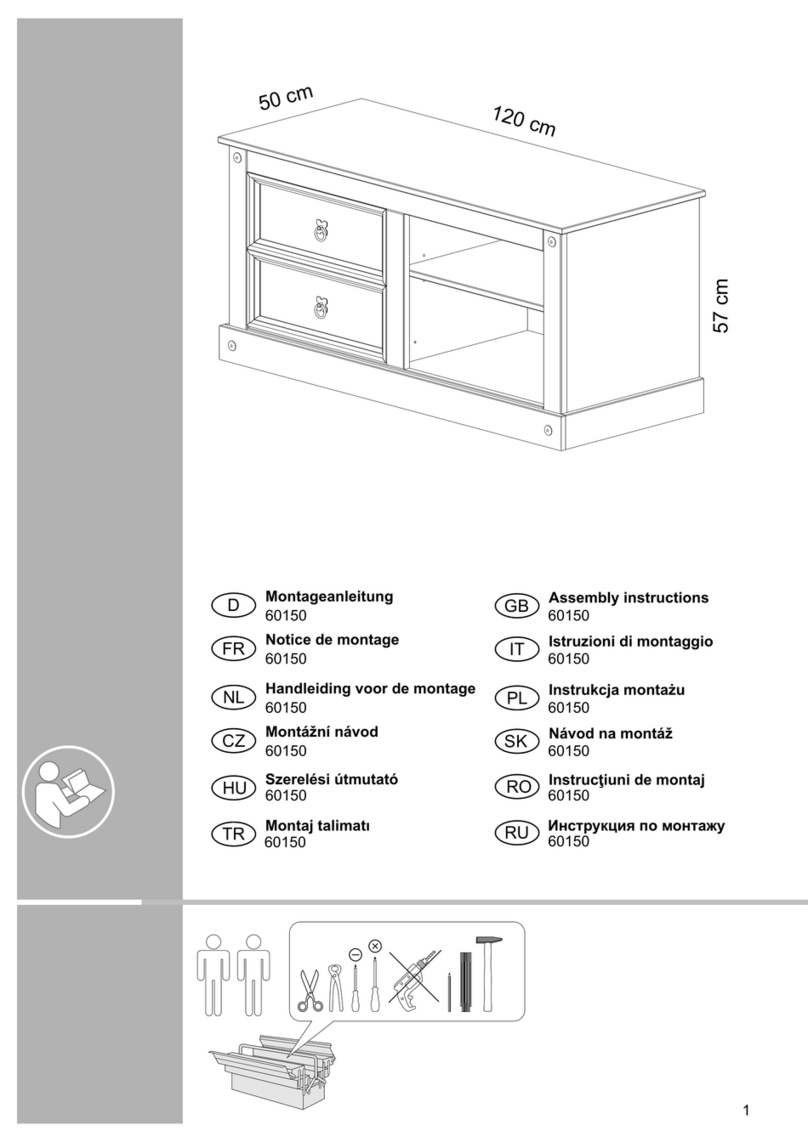
Home affaire 60150 User manual

Home affaire

Home affaire 60150 User manual

Home affaire Gotland 459077 User manual

Home affaire

Home affaire Gotland 459077 User manual

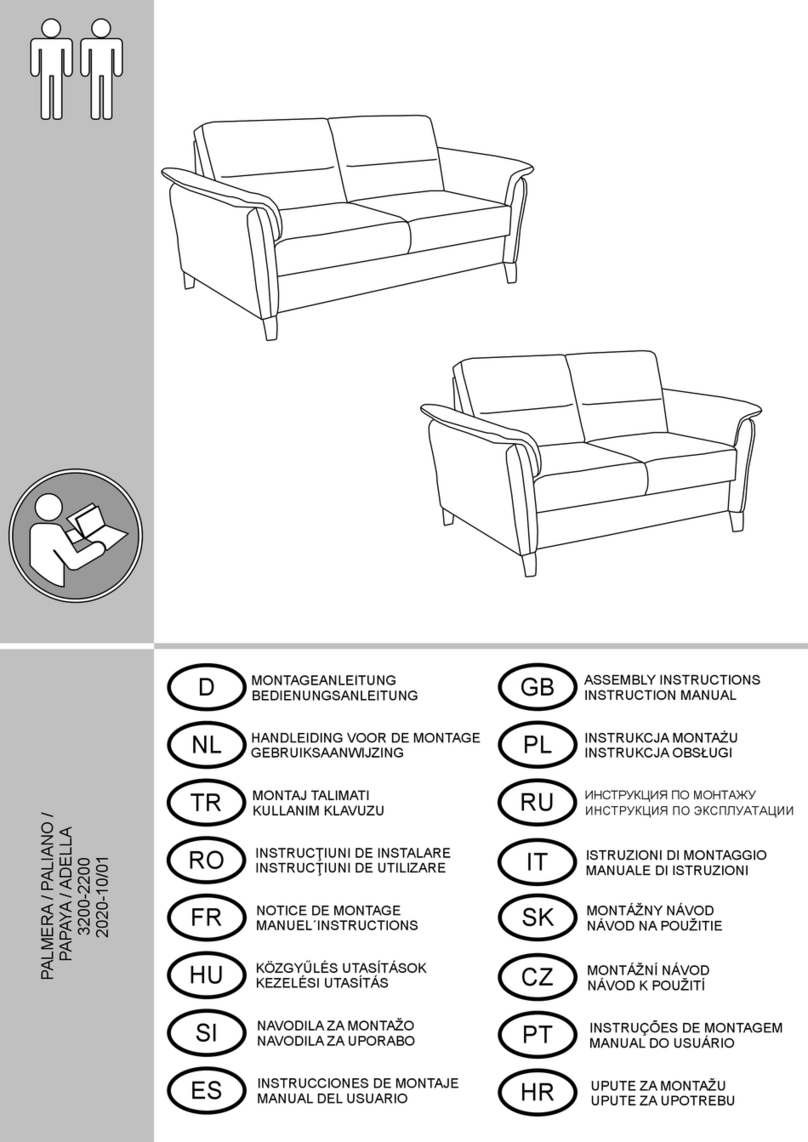
Home affaire PALMERA 9121245759 Installation guide

Home affaire

Home affaire PALMERA 9121245759 Installation guide

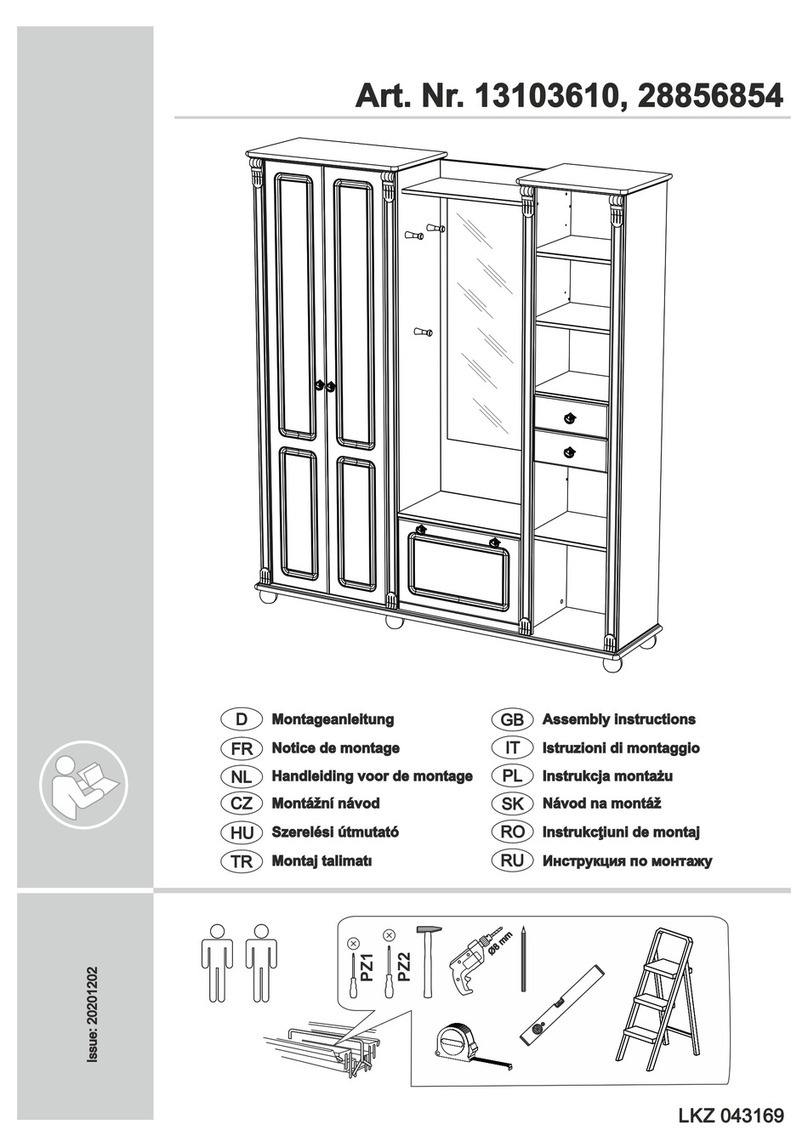
Home affaire Tessin 13103610 User manual

Home affaire

Home affaire Tessin 13103610 User manual

Popular Indoor Furnishing manuals by other brands

Regency LWMS3015 Assembly instructions

Regency

Regency LWMS3015 Assembly instructions

Furniture of America CM7751C Assembly instructions

Furniture of America

Furniture of America CM7751C Assembly instructions

Safavieh Furniture Estella CNS5731 manual

Safavieh Furniture

Safavieh Furniture Estella CNS5731 manual

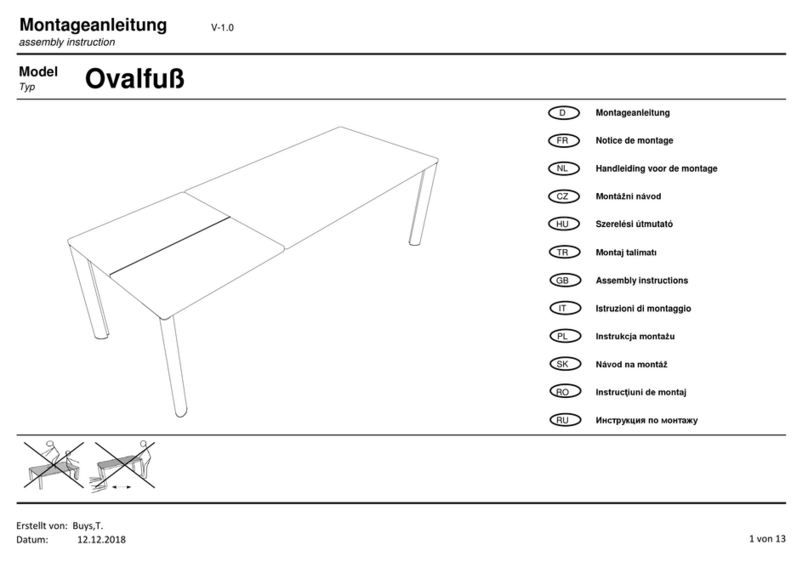
PLACES OF STYLE Ovalfuss Assembly instruction

PLACES OF STYLE

PLACES OF STYLE Ovalfuss Assembly instruction

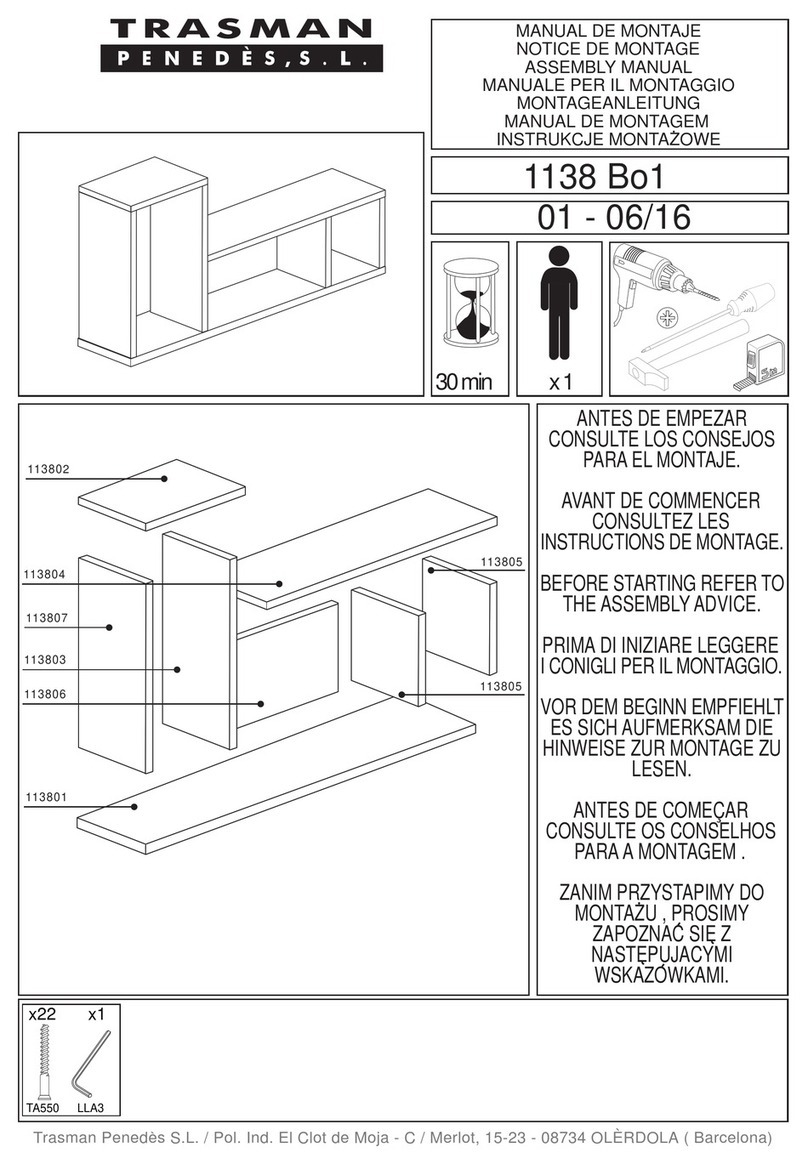
Trasman 1138 Bo1 Assembly manual

Trasman

Trasman 1138 Bo1 Assembly manual

Costway JV10856 manual

Costway

Costway JV10856 manual

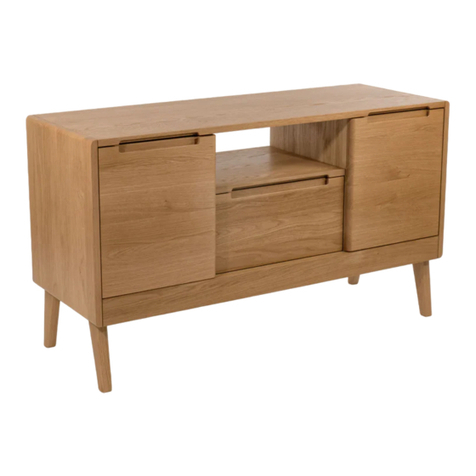
moss DESIGN Caisson Credenza Assembly instructions

moss DESIGN

moss DESIGN Caisson Credenza Assembly instructions

Aquaglide FULL DECK 15.0 owner's manual

Aquaglide

Aquaglide FULL DECK 15.0 owner's manual

AREBOS AR-HE-SW30 user manual

AREBOS

AREBOS AR-HE-SW30 user manual

Till-Hilft Fulda 87005.330 Assembly instructions

Till-Hilft

Till-Hilft Fulda 87005.330 Assembly instructions

Twoey Outside 2010 quick start guide

Twoey Outside

Twoey Outside 2010 quick start guide

Hettich Easys 200 operating instructions

Hettich

Hettich Easys 200 operating instructions

The bedboss RELAX 404 Series owner's manual

The bedboss

The bedboss RELAX 404 Series owner's manual

Oeseder Möbelindustrie Bern 991 720 Assembly instructions

Oeseder Möbelindustrie

Oeseder Möbelindustrie Bern 991 720 Assembly instructions

Costway HW68469 user manual

Costway

Costway HW68469 user manual

Next ALIX A27743 Assembly instructions

Next

Next ALIX A27743 Assembly instructions

BROSA Hans Assembly guide

BROSA

BROSA Hans Assembly guide

Prodigg MINIKA PBA015T-FUR installation manual

Prodigg

Prodigg MINIKA PBA015T-FUR installation manual

manuals.online logo
manuals.online logoBrands
  • About & Mission
  • Contact us
  • Privacy Policy
  • Terms and Conditions

Copyright 2025 Manuals.Online. All Rights Reserved.

Art. Nr. 74241958, 726888
78881551, 28644330
D
CZ
Montageanleitung
Mont žná í návod
GB
SK
Assembly instructions
Návod na ámont ž
FR
NL
HU
Notice de montage
Handleiding voor de montage
Szerelési útmutató
IT
PL
RO
Istruzioni di montaggio
Instrukcja montażu
Instrukcţiuni de montaj
TR Montaj talimatı RU
Issue: 20201202
LKZ 043169
PZ1
PZ2
Lineal zur Längenprüfung.
Ruler for length checking.
!
!
Vor dem Zusammenbau der Möbel
Alle Armaturen sortiert nach Länge, durchmesser!
Before assembling the furniture,
all fittings sorted by length, diameter!
K-292 2
1
2
4
9
10 8
0 10 20 30 40 50 60 70 80 90 100 110 120 130 140 150 160 170 180 190 200
11
Service • Assistenza • Dienstverlening • Serwis
Servis • Szerviz • Сервисная служба
Name • Nom • Nome • Naam •
Nazwa • Jm no • N zov • N v •é á é
Denumire • sim • НазваниеÌ
Typ • Type • Tip •
Tpus • Tipo • Типí
Nr. . ° Č• No • N • Номер • • Sz
74241958, 726888
3
12A
13
13
13
13
14
15
Ø8x35
12x
B1
34 mm
8x
C1
A1
1x
4x
Ø3.5x15
F2
2x
310 mm
W1
12x
N1
4x
X1
M4x12
2x
J1
D3
4x
Ø17
1x
R2
12 mm
8x
D1
4x
Ø3x30
E5
4x
Ø5x60
G12
Ø8x30
4x
B2
4x
Ø4x40
G7
12A
78881551, 28644330
M4x20
1x
J22
E
12A
E
E
!!!
Do not insert the part incorrectly.
From the front to the mark in detail
the distance in mm must be as follows:
Setzen Sie das Teil nicht falsch ein.
Von vorne bis zur Marke im Detail
Der Abstand in mm muss wie folgt sein:
3
1
B1
2
Ø8x35
8x
B1
K-292
1
2
B1
B1
B1
B1
B1
B1
B1
B2
1
2
FRONT
12A
Ø8x30
4x
B2
4x
Ø4x40
G7
12A
12A
BB
B2
12A x2
B2
B2
B2
1.
12A x2
PZ2
W1
W1
EE
E
E
Alle Schrauben für die Führung nur an der
angegebenen Stelle! Siehe das Bild!
Nicht an einer anderen Stelle in der Führung
festschrauben!
All screws for the guide only in the specified place!
See the picture!
Do not screw in another place in the guide!
In das 2. Loch von der
Vorderseite der Führung einschrauben!
To be screwed in the 2rd hole
from the front of the guide!
3
4
4
W1 x 2 +
F2 x 4
4
4x
Ø3.5x15
F2
2x
310 mm
W1
4x
Ø5x60
G12
K-292
1
2
12
12
13
13
13
13
PZ2
PZ2
D1 D1 x 12
PZ2
5
6
5
4
12
34
34 mm
8x
C1
D3
4x
Ø17
K-292
3
D3 x 8
D1
PZ2
C1
P
12 mm
8x
D1
Die Rückwände müssen so angebracht werden
so dass die Dimension x gleich der Dimension y ist.
Dann ist die Vorderseite der Schubladen gerade und
Die Anleitungen werden richtig funktionieren!
The back walls must be attached in such a way
so that the dimension x is equal to the dimension y.
Then the front of the drawers will be straight, and
the guides will work properly!
7
8
6
N1
4
12x
N1
4x
X1
4x
Ø3x30
E5
K-292
15
X1
X1
X1
X1
9
10
11
PZ1
Y
X = Y
X
Der Kleber trocknet
eine Stunde oder länger
The glue dries
for an hour or more
9
7
10
1.
2.
A1
B1 B1
B1 B1
A1
1x
D Leim
GB Glue
NL Lijm
PL Klej
RO Adeziv
RU Клей
TR Tutkal
FR Colle
IT Colla
CZ Lepidlo
SK Glej
HU Enyv
1x
R2
K-292
Ø8x35
4x
B1
9
10
8
14
PZ2
B1
8
M4x20
1x
J22
Schrauben Sie die Führungen sehr vorsichtig!
Ziehen Sie die Schraube nicht zu fest an,
da die Führung
sehr leicht beschädigt werden kann!
Verwenden Sie nur einen
Handschraubendreher.
Screw the guides very carefully! Do
not tighten the screw too tight, it is very
easy to damage the guide!
Use only a hand-held screwdriver.
11
8
J1
J1
M4x12
2x
J1
K-292
PZ2
Achtung • Attention • Attenzione
Opgelet • Uwaga • Pozor • Figyelem
Atenţie • Dikkat • Внимание
D
Stellen Sie sicher, dass die Möbel eben sind. Wenn die Möbel
nicht ausgerichtet sind, funktionieren die Schubladen
möglicherweise nicht richtig, haften und brechen die Führungen.
GB
Make sure the furniture is level. If the furniture is not aligned,
the drawers may not work properly, clinging, and breaking
the guides.
FR
Assurez-vous que les meubles sont de niveau. Si les meubles
ne sont pas alignés, les tiroirs peuvent ne pas fonctionner
correctement, s'accrocher et casser les guides.
IT
Assicurarsi che i mobili siano in piano. Se i mobili non sono
allineati, i cassetti potrebbero non funzionare correttamente,
aderendo e rompendo le guide.
NL
Zorg ervoor dat het meubilair waterpas staat. Als het meubilair niet
is uitgelijnd, werken de lades mogelijk niet goed, kleven ze vast en
breken ze de geleiders.
PL
Upewnij się, że meble są wypoziomowane. Jeśli meble nie są
wyrównane, szuflady mogą nie działać prawidłowo,
przywierając i łamiąc prowadnice.
CZ
Ujistěte se, že je nábytek ve vodorovné poloze. Pokud nábytek
není zarovnán, zásuvky nemusí fungovat správně, držet se a
porušovat vodítka.
SK
Skontrolujte, či je nábytok vo vodorovnej polohe. Ak nábytok nie je
zarovnaný, zásuvky nemusia správne fungovať, držať sa a
zlomiť vodítka.
HU
Ellenőrizze, hogy a bútorok vízszintesen vannak-e. Ha a bútor nem
igazodik, előfordulhat, hogy a fiókok nem működnek megfelelően,
beragadhatnak és eltörhetnek a vezetők.
RO
Asigurați-vă că mobila este la nivel. Dacă mobilierul nu este aliniat,
sertarele pot să nu funcționeze corect, să se agațe și să spargă
ghidajele.
TR
Mobilyaların düz olduğundan emin olun. Mobilyalar hizalı değilse,
çekmeceler düzgün çalışmayabilir, kılavuzları yapıştırabilir ve
kırabilir.
RU
Убедитесь, что мебель ровная. Если мебель не выровнена,
ящики могут не работать должным образом, цепляясь и
ломая направляющие.
Möbel aus Naturholz und Plattenwerkstoffen
Meble z drewna naturalnego oraz płyt drewnopochodnych
Meubelen van natuurhout en plaatmateriaal
Furniture made from natural wood and panel materials
Mobili in legno naturale e materiali pannellati
Meuble en bois naturel et plaque en dérivé du bois
Doğal ahşap ve kereste malzemelerden üretilmiş mobilya
Мебель из натурального дерева, ДСП и ДВП
Mobilă din lemn natural şi materiale fibrolemnoase
Nábytek z přírodního dřeva a deskových materiálů
Nábytok z prírodného dreva a drevovláknitých doskových materiálov
Bútor természetes faanyagból és bútorlapokból
Liebe Kundin,
lieber Kunde,
vielen Dank für Ihre Bestellung! Gleichgültig, ob Sie ein aus Naturholz gefertigtes
Möbelstück gekauft haben, eine Hochglanzfront oder eine matte Kunststofffront –
jedes Möbelstück hat seine ganz speziellen Eigenschaften. Auch Holzbeschaffenheit
und -struktur, wie zum Beispiel kleinere Äste bei Naturholzmöbeln, sind Teil der
individuellen Ausstrahlung jedes einzelnen Möbelstücks. Da Möbel aus Naturholz
ständigen Klima- und Feuchtigkeitsschwankungen ausgesetzt sind, können
vereinzelt Veränderungen in der Oberfläche auftreten wie z.B. Haarrisse oder
Farbveränderungen. Generell nimmt im Laufe der Zeit die Helligkeit ab und die
Farbsättigung zu – das Holz dunkelt nach. Die genannten Veränderungen sind bei
einem Natur-Rohsto ffwie Holz ein normaler Prozess.
Dieses Büchlein soll Ihnen ein paar Tipps zur Pflege Ihres Möbelstücks geben, damit
Sie lange Freude daran haben können.
Grundsätzlich gilt:
• Keine heißen Gegenstände auf die Möbel stellen.
• Keine Kerzen direkt auf die Möbel stellen.
• Verschüttete Flüssigkeiten sofort aufwischen.
• In regelmäßigen Abständen den festen Sitz von Schrauben und Beschlägen
kontrollieren.
• Der typische, aromatische Holzgeruch ist bei Naturholzmöbeln immer ein
Qualitätsbeweis.
• Helle Stellen an den Ästen entstehen durch einen natürlichen Harzaustritt und
können mit einem trockenen, fusselfreien Tuch abpoliert werden.
• Auch von anderen Holz-, Lack-,Leder- oder Polstermaterialien ist ein schwacher
Eigengeruch am Anfang unvermeidbar. Diese Gerüche verschwinden nach
einiger Zeit von allein. Wenn Sie dem nachhelfen wollen, lüften Sie in der
Anfangszeit häufiger und/oder wischen Sie die Möbel leicht feucht mit Wasser
aus, das mit ein wenig Essig versetzt ist.
• Bewahren Sie diese Hinweise gut auf.
Pflegehinweise für gelaugte/geölte Möbel aus Naturholz
Die Oberfläche Ihres neuen Möbelstücks ist mit rein biologischem Öl behandelt. Um
diesen natürlichen, gelaugt/geölten Glanz zu bewahren, empfehlen wir eine
gelegentliche Nachbehandlung mit geeignetem Möbelöl. Da durch die Art der
Oberflächenbehandlung evtl. Rückstände des Naturöls zurückbleiben können,
empfehlen wir Ihnen, die Möbel mit einem fusselfreien Tuch abzureiben. Das Tuch
nach Gebrauch trocknen lassen und erst dann entsorgen.
Pflegehinweise für naturbelassene/gelackte Möbel aus Naturholz
Die Oberfläche lässt sich am besten mit
einem mäßig feuchten Tuch säubern.
Achtung: Ätzende oder lösungsmittelhaltige Reinigungsmittel oder Politur dürfen
nicht verwendet werden.
Pflegehinweise für Möbel aus Plattenwerkstoffen
Verwenden Sie zur Pflege Ihres Möbels aus Plattenwerkstoffen am besten ein
weiches, nicht fusselndes Tuch oder ein Ledertuch. Wischen Sie die Oberflächen
leicht feucht ab.
Grundsätzlich gilt: Verwenden Sie bitte auf keinen Fall folgende Reinigungs- und
Putzmittel:
•Microfasertücher oder Schmutzradierer. Diese enthalten häufig feine
Schleifpartikel, die zu einem Zerkratzen der Oberflächen führen können;
•scharfe chemische Substanzen sowie scheuernde Putz- oder
Lösungsmittel. Diese können die Oberflächen ebenfalls beschädigen;
•Scheuerpulver, Stahlwolle oder Topfkratzer. Sie zerstören die Oberfläche so
stark, dass eine Aufarbeitung nicht mehr möglich ist;
•Staubsauger. Düsen und Bürsten können die Oberflächen zerkratzen;
•Dampfreiniger. Durch den hohen Druck und die Hitze, mit denen der
Wasserdampf auf die Oberflächen trifft, können diese beschädigt werden oder
sich sogar vom Untergrund ablösen.
Ihre Produktentwicklung
Droga Klientko,
Drogi Kliencie,
Dziękujemy za zamówienie! Niezależnie od tego, czy zakupiony przez Państwa
mebel został wykonany z drewna litego, czy też posiada on front wykonany z płyty o
wysokim połysku, lub też z płyty pokrytej matowym tworzywem sztucznym – każdy
taki mebel ma swoje specjalne właściwości. Również właściwości i struktura drewna
– jak np. niewielkie słoje w meblach z drewna naturalnego – nadają meblom
indywidualnego charakteru. Ponieważ meble z drewna naturalnego są nieustannie
wystawione na działanie wilgoci i czynników atmosferycznych, mogą na ich
powierzchni sporadycznie pojawiać się zmiany, jak np. odbarwienia czy rysy. Z
biegiem czasu może zmienić się nasycenie koloru i drewno może ściemnieć.
Wspomniane zamiany zachodzące w wyglądzie produktów wykonanych z surowców
naturalnych są zupełnie normalne. Niniejsza instrukcja zawiera cenne wskazówki
dotyczące pielęgnacji mebli, aby jak najdłużej mogli Państwo cieszyć się z ich
nienagannego wyglądu.
Podstawowe zasady:
• Nie stawiać na meblach gorących przedmiotów.
• Nie stawiać świeczek bezpośrednio na meblach.
• W przypadku rozlania wody natychmiast ją wytrzeć.
• Sprawdzać w regularnych odstępach czasu, czy śruby są dokręcone, a okucia
dobrze przymocowane.
• Charakterystyczny, aromatyczny zapach drewna występujący w przypadku
mebli wykonanych z drewna naturalnego jest oznaką wysokiej jakości produktu.
• Jasne miejsca na słojach powstają z powodu występowania żywicy – można je
wypolerować suchą, nie pozostawiającą śladów szmatką.
• W przypadku materiałów wykonanych z innego rodzaju drewna lub skóry,
produktów polakierowanych lub z obiciami, na początku również występuje
charakterystyczny zapach „nowości”. Zapach ten znika po pewnym czasie
użytkowania produktu. Jeśli chcieliby Państwo pozbyć się tego zapachu
szybciej, zalecamy wietrzyć często pomieszczenia i/lub przetrzeć meble
szmatką delikatnie zwilżoną w wodzie z niewielką ilością octu.
• Prosimy zachować niniejsze wskazówki w bezpiecznym miejscu.
Wskazówki dotyczące pielęgnacji ługowanych/olejowanych mebli z drewna
naturalnego
Powierzchnia zakupionego mebla została zabezpieczona czystym biologicznym
olejem. Aby zachować naturalny połysk powierzchni, zalecamy co pewien czas
nacierać ją olejem do pielęgnacji mebli. Po zabezpieczeniu powierzchni olejem
zalecamy wytrzeć ją nie pozostawiającą śladów szmatką. Ściereczka po użyciu
powinna wyschnąć, następnie można ją wyrzucić.
Wskazówki dotyczące pielęgnacji mebli z surowego/bejcowanego drewna
naturalnego Powierzchnię mebli najlepiej jest czyścić wilgotną ściereczką.
Uwaga: Nie używać żrących środków czyszczących ani rozpuszczalników.
Wskazówki dotyczące pielęgnacji mebli z płyt drewnopochodnych
Do pielęgnacji mebli najlepiej używać miękkiej, nie pozostawiającej śladów szmatki.
Powierzchnię należy przetrzeć lekko zwilżoną szmatką.
Podstawowe zasady: Nigdy nie należy stosować poniższych środków/urządzeń
czyszczących:
•ściereczek z mikrofazy ani gąbek do usuwania brudu. Często zawierają
drobinki ścierne, które mogą porysować powierzchnię;
•ostrych substancji chemicznych np. środków szorujących lub
rozpuszczalników. Mogą one uszkodzić powierzchnię;
•proszków czyszczących, waty sta-
•lowej ani ostrych myjek. Mogą one
• na stałe uszkodzić powierzchnię;
•odkurzacza. Szczotka odkurzacza może porysować powierzchnię;
•myjek parowych. Wysokie ciśnienie I wilgoć mogą uszkodzić powierzchnię
oraz spowodować rozklejenie materiału.
Dział Rozwoju Produktu
Beste klant,
Hartelijk dank voor uw bestelling!Het maakt niet uit of u een meubelstuk van
natuurhout, een hoogglanzende voorkant of een matte plastic voorkant hebt gekocht
– elk meubelstuk heeft zijn heel bijzondere eigenschappen. Ook de staat en
structuur van het hout zoals kleinere takken bij natuurhouten meubelen maken deel
uit van de individuele look van elk afzonderlijk meubelstuk. Omdat meubelen van
natuurhout zijn blootgesteld aan permanente klimaaten vochtigheidsschommelingen,
kunnen er af en toe wijzigingen optreden van de bovenlaag zoals haarscheurtjes of
kleurveranderingen. In het algemeen neemt na verloop van tijd de helderheid af en
de kleurverzadiging toe – het hout wordt donkerder. De genoemde wijzigingen
vormen bij een natuurlijke grondstof zoals hout een normaal proces. Dit boekje moet
u een paar tips geven over het onderhoud van uw meubelstuk, zodat u er lange tijd
plezier aan kunt beleven.
In principe geldt:
• Plaats geen hete voorwerpen op de meubelen.
• Plaats geen kaarsen direct op de meubelen.
• Veeg gemorste vloeistoffen direct af.
• Controleer met regelmatige intervallen het stevige houvast van schroeven en
beslag.
• De typische, aromatische houtgeur is steeds een kwaliteitsbewijs bij
natuurhouten meubelen.
• Heldere plaatsen aan de takken ontstaan door een natuurlijk uittreden van hars
en kunnen worden weggepolijst met een droge, pluisjesvrije doek.
• Ook van andere houten, gelakte, lederen of gestoffeerde materialen is een
zwakke eigen reuk bij het begin niet te vermijden. Deze geuren verdwijnen na
enige tijd vanzelf. Als u wilt dat het sneller gaat, verlucht u in het begin vaker en/
of veegt de meubelen lichtjes vochtig af met water, dat een beetje is
aangelengd met azijn.
• Bewaar deze instructies goed.
Onderhoudsinstructies voor geloogde/geoliede meubelen van natuurhout
De bovenlaag van uw nieuw meubelstuk is behandeld met puur biologische olie. Om
deze natuurlijke, geloogde/geoliede glans te bewaren, raden we u aan het meubel af
en toe verder te behandelen met een geschikte meubelolie. Omdat door de soort
oppervlaktebehandeling eventuele resten van natuurolie kunnen achterblijven, raden
we u aan de meubelen af te wrijven met een pluisjesvrije doek. De doek na gebruik
laten drogen en eerst dan wegwerpen.
Onderhoudsinstructies voor natuurlijke/gelakte meubelen van natuurhout
De bovenlaag kan het best met een matig vochtige doek worden gereinigd.
Opgelet: Bijtende of oplosmiddelhoudende reinigingsmiddelen of politoer mogen
niet worden gebruikt.
DE
DE
NL
GB
PL
IT
FR
TR
RU
RO
CZ
SK
HU
B-Nr.:
5281,
HC
05.11
PL
NL
Onderhoudsinstructies voor meubelen van plaatmateriaal
Gebruik voor de reiniging van uw meubel van plaatmateriaal het best een zachte,
niet pluizige doek of een leren doek. Veeg de oppervlakten ietwat vochtig af.
In principe geldt: Gebruik zeker niet volgende reinigings- en poetsmiddelen:
•microvezeldoeken of vuilgommen. Deze bevatten vaak fijne slijpdeeltjes die
kunnen leiden tot krassen op de oppervlakken;
•scherpe chemische substanties zoals schurende poets- of oplosmid-
delen. Deze kunnen de oppervlakken eveneens beschadigen;
•schuurpoeder, staalwol of pannensponzen. Ze vernielen het oppervlak zo
erg dat een reparatie niet meer mogelijk is;
•stofzuiger. Mondstukken en borstels kunnen krassen op de oppervlakken
veroorzaken;
•stoomreiniger. Door de hoge druk en de hitte, waarmee de stoom op de
bovenlagen komt, kunnen deze worden beschadigd of zelfs loskomen van de
ondergrond.
De productontwikkelingsafdeling
Dear customer,
Thank you for your order! No matter if you bought a piece of furniture made from
natural wood, a high-gloss front or a plastic front – every piece of furniture has
unique characteristics. Even the texture and structure of wood, such as small knots
in natural wood furniture, are part of the individual charisma of each piece of
furniture. Since natural wood furniture are permanently exposed to climate and
humidity fluctuations, changes to the surface may occur (e.g. hair cracks or changes
in colour) in some cases. In general, brightness decreases and colour saturation
increases in the course of time – the wood darkens. The changes mentioned above
are normal for natural raw materials such as wood. This booklet provides some care
tips for your piece of furniture so that you can enjoy it for a long time.
The following applies in general:
• Don’t place any hot objects on the furniture.
• Don’t place candles directly on the furniture.
• Immediately wipe o ffany spilled liquids.
• Regularly check if the screws and fittings are tight.
• The typical, aromatic wooden odour is always a proof of quality for natural wood
furniture.
• The natural emission of resin may produce bright spots on the knots which can
be polished with a dry, lint-free cloth.
• Initially, a slight intrinsic odour is unavoidable for other wooden, paint, leather or
upholstery materials too. These odours automatically disappear after a while. If
you want to speed up this process, ventilate more often at the beginning and/or
wipe out the furniture with a slightly damp cloth which was soaked in water
mixed with a small amount of vinegar.
• Keep these notes in a safe place.
Care notes for stripped/oiled furniture made of natural wood
The surface of your new piece of furniture has been treated with pure organic oil. We
recommend an occasional after treatment with suitable furniture oil to preserve this
natural, stripped/oil gloss. Since some residue of natural oil may remain on the
furniture due to the surface treatment method, we recommend to rub o ffthe furniture
with a lint-free cloth. After use, let the cloth dry completely before disposal.
Care notes for untreated/painted furniture made of natural wood
Using a moderately damp cloth is the most suitable method for cleaning the surface.
Attention: Corrosive cleaners as well as cleaners containing solvents or polish must
not be used.
Care notes for furniture made of panel materials
We recommend using a soft, lint-free cloth or a shammy for conditioning your piece
of furniture made of panel materials. Wipe o ffthe surfaces with a slightly damp cloth
or shammy.
The following applies in general:
Please don’t use the following detergents or cleaning agents at all:
•microfibre cloths or dirt erasers. They often contain fine abrasive particles
which can cause scratches on the surfaces;
•aggressive chemical substances as well as abrasive cleaning agents or
solvents. They may damage the surfaces too;
•scouring powder, steel wool or scouring pads. They destroy the surface so
badly that reconditioning is impossible;
•vacuum cleaners. The nozzles and brushes can cause scratches on the
surfaces;
•steam cleaners. The surfaces may be damaged or separated from the ground
due to the high pressure and heat of the water vapour.
Your product development team
Gentili clienti,
sentiti ringraziamenti per il vostro ordine! A prescindere che abbiate scelto un mobile
realizzato in legno naturale, un fronte lucido o un fronte di materiale plastico opaco –
ogni esemplare la sue particolarità. Anche le caratteristiche e la struttura del legno,
quali ad esempio rami minori nei mobili di legno naturale, sono parte del fascino
individuale di ogni singolo mobile.
Dato che i mobili in legno naturale sono esposti al continuo variare del clima e
dell‘umidità, è probabile che in superficie insorgano mutamenti quali crepe capillari o
cambiamenti di colore. Generalmente con passar del tempo diminuisce la chiarezza
e aumenta la saturazione del colore – il legno si scurisce. I citati mutamenti sono un
normale processo dei materiali naturali, quali appunto il legno.
Il presente libretto intende darvi alcuni suggerimenti sulla cura del vostro mobile,
affinché vi procuri lunghe soddisfazioni.
Sostanzialmente vale:
• Non poggiare oggetti roventi sui mobili.
• Non poggiare candele a diretto contatto dei mobili.
• Asciugare subito i liquidi sversati.
• Ad intervalli periodici controllare se viti e cerniere sono salde.
• Il caratteristico odore fragrante è sempre una prova di qualità dei mobili in legno
naturale.
• Le macchie chiare sui rami si formano per via della naturale fuoriuscita di
resina, e sono levigabili con un panno asciutto che non lascia peli.
• Anche trattandosi di altri materiali lignei, di vernice, pelle o imbottiti, all‘inizio è
inevitabile un leggero odore caratteristico. Dopo qualche tempo però, questi
odori svaniscono da sé. Potete aiutare a farli volatilizzare in minor tempo
cambiando più spesso aria all‘inizio e/o passando sui mobili un panno umido
d‘acqua con qualche goccia d‘aceto.
• Conservare bene le presenti istruzioni.
Istruzioni sulla cura dei mobili in legno naturale lisciviato/oliato
La superficie di questo vostro nuovo mobile è trattata con olio puramente biologico.
Per mantenere la naturale lucentezza lisciviata/oliata, vi consigliamo di ripetere il
trattamento con un adeguato olio per mobili. Dato che per via del trattamento
superficiale possono eventualmente residuarsi tracce di prodotto, vi consigliamo di
strofinare i mobili con un panno che non lascia peli. Fate asciugare il panno usato
prima di smaltirlo.
Istruzioni sulla cura dei mobili in legno naturale non trattato/verniciato
Il modo migliore di pulire la superficie è usare un panno moderatamente umido.
Attenzione: Non utilizzare lucidi per mobili oppure detergenti abrasivi o a base di
solventi.
Istruzioni sulla cura dei mobili in materiali pannellati
Per la cura dei mobili in materiali pannellati si consiglia di usare un panno morbido,
che non lascia peli, o un panno di pelle. Passare il panno leggermente umido sulle
superfici.
Sostanzialmente vale: In nessun caso utilizzare i seguenti detergenti e prodotti
per la pulizia:
•panni in microfibra o spugne a tampone. Questi prodotti contengono spesso
fini particelle abrasive, che possono provocare sgraffiature sui mobili;
•forti sostanze chimiche nonché detergenti o solventi abrasivi. Anche questi
prodotti possono aggredire le superfici.
•polvere abrasiva, paglietta d‘acciaio o spugne abrasive. Rovinerebbero la
superficie in modo tale che non sarebbe più possibile ripararle;
•aspirapolvere. Bocchette e spazzole possono sgraffiare le superfici;
•pulitrice a vapore. Per via dell‘elevata pressione e calore con cui il vapore
colpisce le superfici, esse rischiano di deteriorarsi o addirittura staccarsi dalla
sottostruttura.
Area Sviluppo prodotti
Chère cliente,
cher client,
Merci pour votre commande !
Peu importe que vous ayez acheté un meuble fabriqué en bois naturel, un face
haute brillance ou une face en plastique mat – chaque meuble a ses propriétés
spécifiques. Même les propriétés et la structure du bois, comme par exemple les
petits nœuds sur des meubles en bois naturel, font partie de l‘aspect de chaque
meuble.
Comme le meuble en bois naturel est soumis aux variations permanentes du climat
et de l‘humidité, il se peut que quelques modifications surviennent sur la surface,
comme par exemple de fines fissures ou des décolorations. En règle générale, au
cours du temps, la clarté du bois diminue et son intensité de couleur augmente – le
bois devient foncé. Les modifications susnommées sont un processus normal des
matières naturelles comme le bois. Ce petit livret vous donne quelques astuces sur
l‘entretien de votre meuble pour que vous puissiez en profiter longtemps.
En règle générale :
• Ne pas poser d‘objets chauds sur le meuble.
• Ne pas poser de bougies directement sur le meuble.
• Essuyer immédiatement les liquides renversés.
•À intervalles réguliers, contrôler que les vis et les ferrures sont bien en place.
• L‘odeur aromatique typique du bois est toujours une preuve de qualité des
meubles en bois naturel.
• Les endroits clairs sur les nœuds se produisent par une sécrétion naturelle de
résine qui s‘élimine avec un chiffon sec non pelucheux.
• Les autres matériaux comme le bois, la peinture, le cuir ou le rembourrage
dégagent inévitablement une légère odeur. Ces odeurs disparaissent d‘elles-
mêmes avec le temps. Si vous souhaitez qu‘elles disparaissent plus vite, au
début, aérez plus souvent et essuyez les meubles avec un chiffon légèrement
imbibé d‘eau mélangée avec un peu de vinaigre.
• Conservez bien cette notice.
•Instructions de soin pour les meubles lessivés/huilés en bois naturel
La surface de votre nouveau meuble est traitée avec de l‘huile purement biologique.
Pour conserver le brillant de ce meuble lessivé/huilé, nous recommandons de faire
un traitement occasionnel avec de l‘huile à meuble. Comme le type de traitement de
surface peut éventuellement laisser des résidus d‘huile naturelle, nous vous
recommandons de frotter le meuble avec un chiffon non pelucheux. Après
l‘utilisation,laissez sécher le chiffon et ensuite le jeter.
Instructions de soin pour les meubles naturels/peints en bois naturel
La surface se nettoie de préférence avec un chiffon légèrement humide.
Attention : Les détergent agressifs ou à teneur en solvant ou les produits de
polissage ne doivent pas être utilisés.
Consignes de soin pour les meubles avec des plaques en dérivé du bois
Pour l‘entretien de votre meuble en plaques en dérivé du bois, utilisez de préférence
un chiffon doux non pelucheux ou une peau de chamois. Essuyez la surface
légèrement humide.
GB
IT
FR