manuals.online logo
Brands
  1. Home
  2. •
  3. Brands
  4. •
  5. Honeywell
  6. •
  7. Portable Generator
  8. •
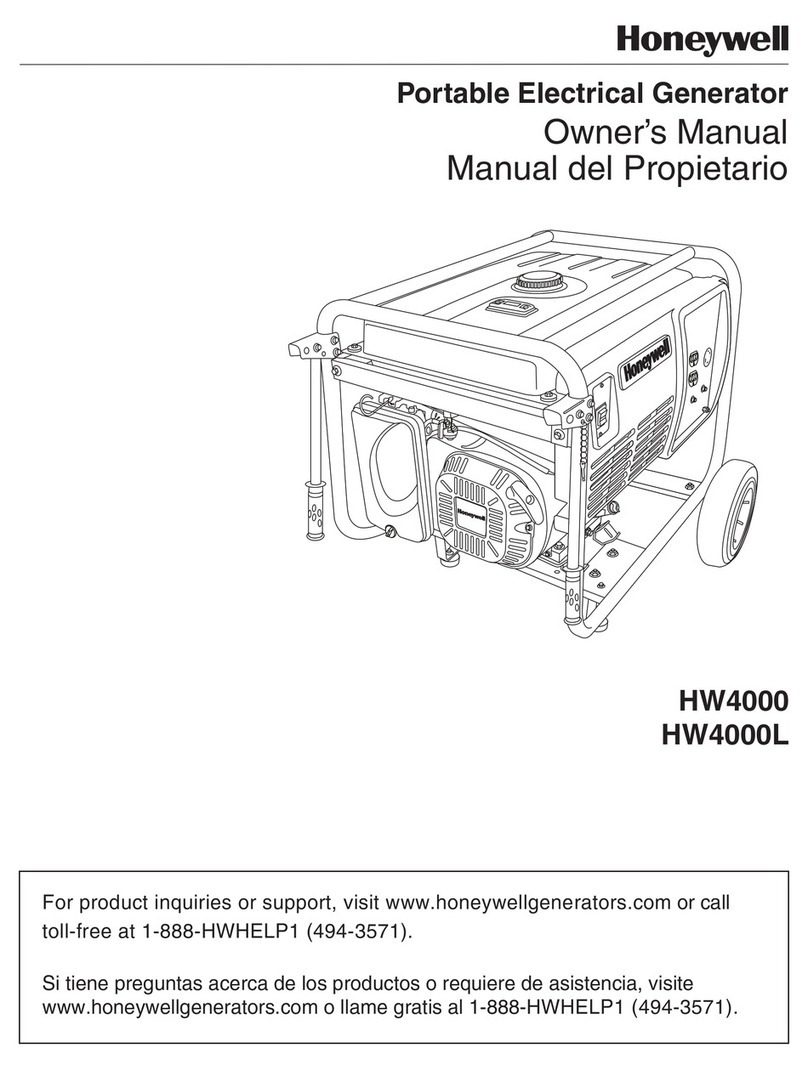
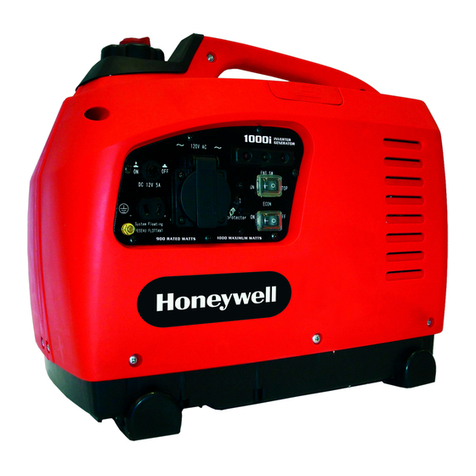
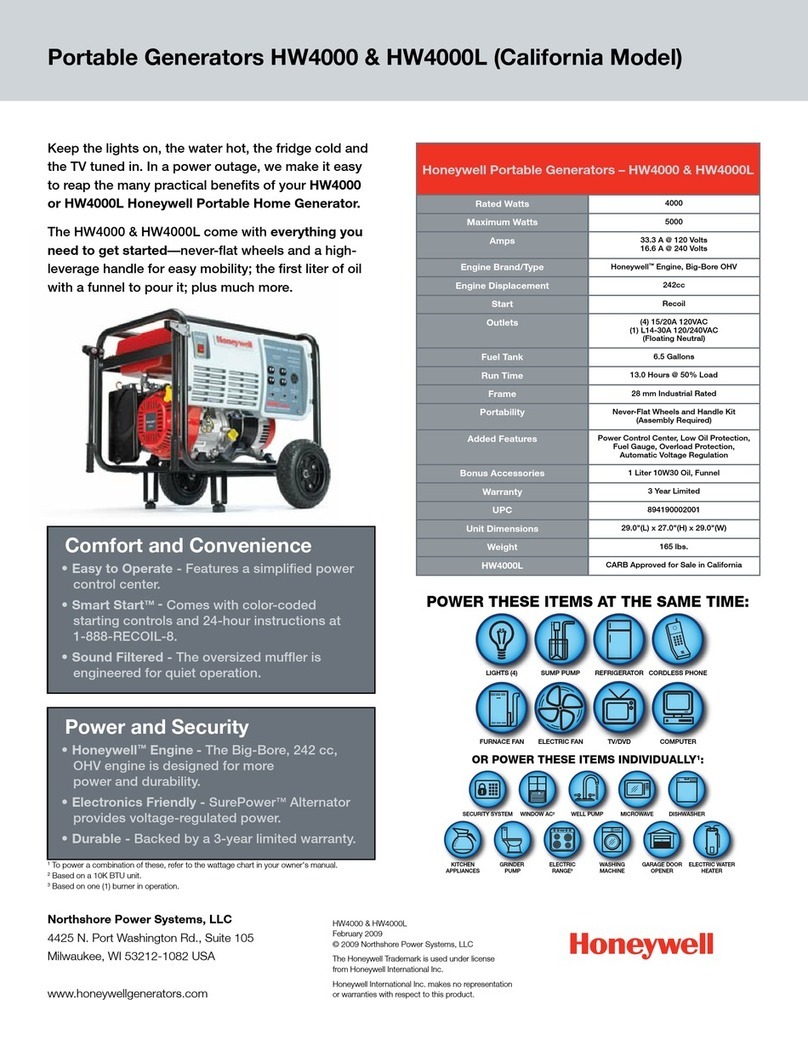
  9. Honeywell 1600 Watt User manual

Honeywell 1600 Watt User manual

This manual suits for next models

1

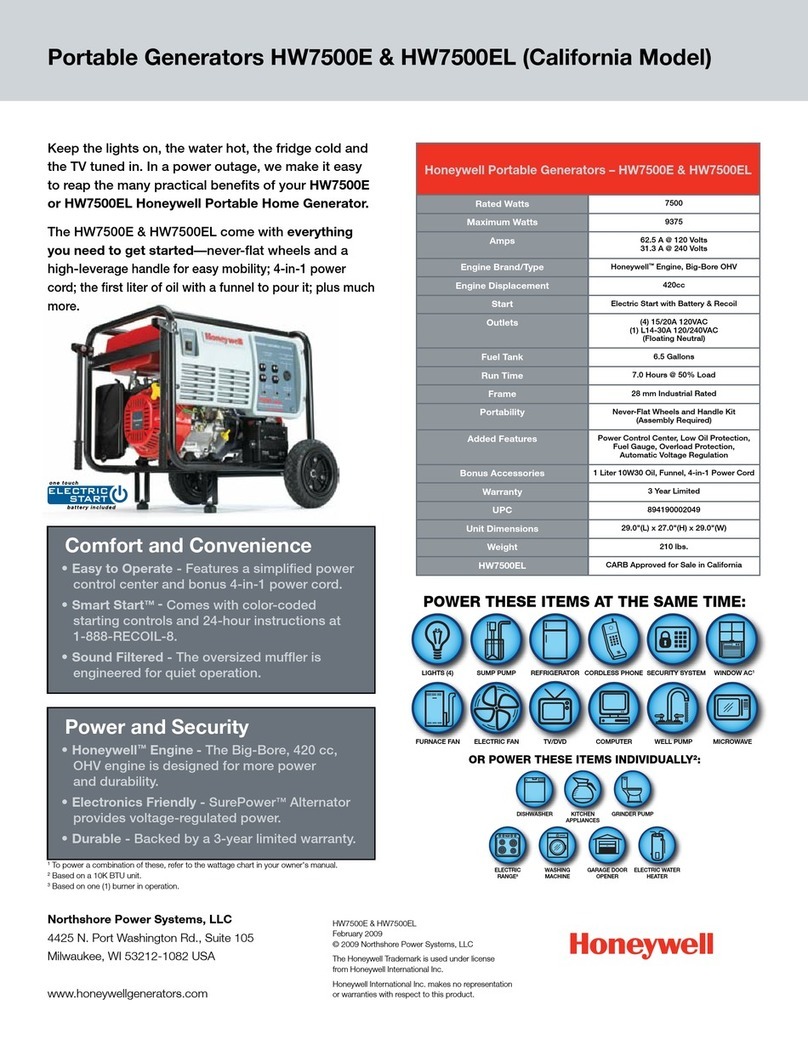
Other Honeywell Portable Generator manuals

Honeywell HW5500 - 5500 Portable Generator User manual

Honeywell

Honeywell HW5500 - 5500 Portable Generator User manual

Honeywell HW2000i - Portable Inverter Generator User manual

Honeywell

Honeywell HW2000i - Portable Inverter Generator User manual

Honeywell HW7000E User manual

Honeywell

Honeywell HW7000E User manual

Honeywell 0061520 User manual

Honeywell

Honeywell 0061520 User manual

Honeywell HW7000EH User manual

Honeywell

Honeywell HW7000EH User manual

Honeywell HW7500E - Portable Generator NOT User manual

Honeywell

Honeywell HW7500E - Portable Generator NOT User manual

Honeywell Portable Generator User manual

Honeywell

Honeywell Portable Generator User manual

Honeywell HW1000i - Portable Inverter Generator User manual

Honeywell

Honeywell HW1000i - Portable Inverter Generator User manual

Honeywell HW3000 User manual

Honeywell

Honeywell HW3000 User manual

Honeywell HW6200 - Portable Generator NOT User manual

Honeywell

Honeywell HW6200 - Portable Generator NOT User manual

Honeywell 10 kW User manual

Honeywell

Honeywell 10 kW User manual

Honeywell HW6200 - Portable Generator NOT User manual

Honeywell

Honeywell HW6200 - Portable Generator NOT User manual

Honeywell G0060651 User manual

Honeywell

Honeywell G0060651 User manual

Honeywell HW4000L - Portable Generator User manual

Honeywell

Honeywell HW4000L - Portable Generator User manual

Honeywell HW7500EL - Portable Generator User manual

Honeywell

Honeywell HW7500EL - Portable Generator User manual

Honeywell Portable Generator User manual

Honeywell

Honeywell Portable Generator User manual

Honeywell HW3000/L User manual

Honeywell

Honeywell HW3000/L User manual

Honeywell HW5500E - Portable Generator NOT User manual

Honeywell

Honeywell HW5500E - Portable Generator NOT User manual

Honeywell HW2000i - Portable Inverter Generator User manual

Honeywell

Honeywell HW2000i - Portable Inverter Generator User manual

Honeywell G0062610 User manual

Honeywell

Honeywell G0062610 User manual

Honeywell HW4000 - Portable Generator NOT User manual

Honeywell

Honeywell HW4000 - Portable Generator NOT User manual

Honeywell Portable Generator User manual

Honeywell

Honeywell Portable Generator User manual

Honeywell 006064R0 User manual

Honeywell

Honeywell 006064R0 User manual

Honeywell HW7000EH User manual

Honeywell

Honeywell HW7000EH User manual

Popular Portable Generator manuals by other brands

Comdel CLF5000/PLL manual

Comdel

Comdel CLF5000/PLL manual

Outsunny 84F-006V80 Using instruction

Outsunny

Outsunny 84F-006V80 Using instruction

Icel Manaus GV-2015 User's operation manual

Icel Manaus

Icel Manaus GV-2015 User's operation manual

Stat-X 30E owner's manual

Stat-X

Stat-X 30E owner's manual

Metallwarenfabrik Gemmingen Eisemann T 18000 E operating instructions

Metallwarenfabrik Gemmingen

Metallwarenfabrik Gemmingen Eisemann T 18000 E operating instructions

Alpha ACX3100i quick start guide

Alpha

Alpha ACX3100i quick start guide

HERON 8896140 Translation of the original user manual

HERON

HERON 8896140 Translation of the original user manual

SEERS STF-V11 Operator's manual

SEERS

SEERS STF-V11 Operator's manual

JOYZIS BS100 Faq

JOYZIS

JOYZIS BS100 Faq

LIPOWER G1600 user manual

LIPOWER

LIPOWER G1600 user manual

Panasonic YD-350GL4 operating instructions

Panasonic

Panasonic YD-350GL4 operating instructions

RUNHOOD HE1200-UK user manual

RUNHOOD

RUNHOOD HE1200-UK user manual

Kohler 20EORZ Operation

Kohler

Kohler 20EORZ Operation

Powerhorse 83171 owner's manual

Powerhorse

Powerhorse 83171 owner's manual

ETQ TG4000 owner's manual

ETQ

ETQ TG4000 owner's manual

Briggs & Stratton 40265 Illustrated parts list

Briggs & Stratton

Briggs & Stratton 40265 Illustrated parts list

evertz 7700 Series manual

evertz

evertz 7700 Series manual

Firefly Cygnus CYG2400/460/24 user manual

Firefly

Firefly Cygnus CYG2400/460/24 user manual

manuals.online logo
manuals.online logoBrands
  • About & Mission
  • Contact us
  • Privacy Policy
  • Terms and Conditions

Copyright 2025 Manuals.Online. All Rights Reserved.

www.honeywellgenerators.com or 1-855-GEN-INFO
800, 1600, 2000 Watt
Inverter Generator Operator's Manual
DEADLY EXHAUST FUMES! ONLY use OUTSIDE
far away from windows, doors and vents!
NOT INTENDED FOR USE IN CRITICAL LIFE
SUPPORT APPLICATIONS.
SAVE this Manual. Provide this manual to any
operator of the generator.
Accessory Box ..............................................Inside Front Cover
Introduction..............................................................................1
Read this Manual Thoroughly ..................................................1
Safety Rules ............................................................................1
Standards Index ...............................................................3
General Information.................................................................4
Specifications ...........................................................................4
800 Watt..........................................................................4
1600 Watt........................................................................4
2000 Watt........................................................................4
Emissions Information......................................................4
Unit Identification ......................................................................5
Control Panel....................................................................5
Operation .................................................................................6
Pre-Use Check..........................................................................6
Starting the Generator...............................................................7
Adding Loads............................................................................7
Using the EcoMode Switch .......................................................8
Using the 12 VDC Battery Charger ............................................8
Shutting Down ..........................................................................8
Low Oil Level Shutdown............................................................9
Fueling the Generator ................................................................9
To Fill the Fuel Tank ..........................................................9
Adding Engine Oil......................................................................9
To Add Engine Oil to the Crankcase ................................10
Maintenance ..........................................................................10
Generator Maintenance ...........................................................10
Generator Maintenance Schedule ............................................10
Cleaning the Generator............................................................10
Engine Maintenance................................................................11
Changing the Engine Oil ..........................................................11
Changing the Fuel Filter (Except 800W) ...................................11
Changing the Spark Plug.........................................................12
Transportation and Storage .....................................................12
Troubleshooting .....................................................................13
Troubleshooting Guide.............................................................13
Notes .....................................................................................14
Warranty................................................................................16
Génératrice-onduleurs
Check all contents. If any parts are missing or damaged locate an
authorized dealer at 1-855-GEN-INFO.
Contents include:
• 1 bottle SAE 30 Oil • Oil Funnel
• Spark Plug Wrench • Screwdriver
• Battery Charge Cable (1600 and 2000 only)
Table of Contents
1
This model is a compact, high performance, air-cooled, engine
driven generator designed to supply electrical power to operate
electrical loads where no utility power is available or in place of
utility due to a power outage.
If any portion of this manual is not understood, contact the
nearest Authorized Dealer for starting, operating and servicing
procedures.
The operator is responsible for proper and safe use of the
equipment. We strongly recommend that the operator read this
manual and thoroughly understand all instructions before using the
equipment. We also strongly recommend instructing other users to
properly start and operate the unit. This prepares them if they need
to operate the equipment in an emergency.
The generator can operate safely, efficiently and reliably only if it
is properly located, operated and maintained. Before operating or
servicing the generator:
• Become familiar with and strictly adhere to all local, state and
national codes and regulations.
• Study all safety warnings in this manual and on the product
carefully.
• Become familiar with this manual and the unit before use.
The manufacturer cannot anticipate every possible circumstance
that might involve a hazard. The warnings in this manual, and on
tags and decals affixed to the unit are, therefore, not all inclusive.
If using a procedure, work method or operating technique that the
manufacturer does not specifically recommend, ensure that it is
safe for others. Also make sure the procedure, work method or
operating technique utilized does not render the generator unsafe.
THE INFORMATION CONTAINED HEREIN WAS BASED ON
MACHINES IN PRODUCTION AT THE TIME OF PUBLICATION.
GENERAC RESERVES THE RIGHT TO MODIFY THIS MANUAL AT
ANY TIME.
Throughout this publication, and on tags and decals affixed to the
generator, DANGER, WARNING, CAUTION and NOTE blocks are
used to alert personnel to special instructions about a particular
operation that may be hazardous if performed incorrectly or
carelessly. Observe them carefully. Their definitions are as
follows:
Indicates a hazardous situation or action which, if
not avoided, will result in death or serious injury.
Indicates a hazardous situation or action which,
if not avoided, could result in death or serious
injury.
Indicates a hazardous situation or action which,
if not avoided, could result in minor or moderate
injury.
NOTE:
Notes contain additional information important to a procedure
and will be found within the regular text body of this manual.
These safety warnings cannot eliminate the hazards that they
indicate. Common sense and strict compliance with the special
instructions while performing the action or service are essential to
preventing accidents.
Four commonly used safety symbols accompany the DANGER,
WARNING and CAUTION blocks. The type of information each
indicates is as follows:
This symbol points out important safety
information that, if not followed, could
endanger personal safety and/or property of
others.
This symbol points out potential explosion
hazard.
This symbol points out potential fire hazard.
This symbol points out potential electrical
shock hazard.
GENERAL HAZARDS
• NEVER operate in an enclosed area, in a vehicle, or indoors
EVEN IF doors and windows are open.
• For safety reasons, the manufacturer recommends that the
maintenance of this equipment is carried out by an Authorized
Dealer. Inspect the generator regularly, and contact the nearest
Authorized Dealer for parts needing repair or replacement.
• Operate generator only on level surfaces and where it will not be
exposed to excessive moisture, dirt, dust or corrosive vapors.
• Keep hands, feet, clothing, etc., away from drive belts, fans,
and other moving parts. Never remove any fan guard or shield
while the unit is operating.
• Certain parts of the generator get extremely hot during
operation. Keep clear of the generator until it has cooled to
avoid severe burns.
• Do NOT operate generator in the rain.
• Do not alter the construction of the generator or change controls
which might create an unsafe operating condition.
• Never start or stop the unit with electrical loads connected
to receptacles AND with connected devices turned ON. Start
the engine and let it stabilize before connecting electrical
loads. Disconnect all electrical loads before shutting down the
generator.
Safety Rules
2
• When working on this equipment, remain alert at all times.
Never work on the equipment when physically or mentally
fatigued.
• Never use the generator or any of its parts as a step. Stepping
on the unit can stress and break parts, and may result in
dangerous operating conditions from leaking exhaust gases,
fuel leakage, oil leakage, etc.
EXHAUST & LOCATION HAZARDS
• NEVER operate in an enclosed area or indoors! NEVER use
in the home, in a vehicle, or in partly enclosed areas such
as garages, EVEN IF doors and windows are open! ONLY use
outdoors and far from open windows, doors, vents, and in an
area that will not accumulate deadly exhaust.
• The engine exhaust fumes contain carbon monoxide, which
you cannot see or smell. This poisonous gas, if breathed in
sufficient concentrations, can cause unconsciousness or even
death.
• Adequate, unobstructed flow of cooling and ventilating air
is critical to correct generator operation. Do not alter the
installation or permit even partial blockage of ventilation
provisions, as this can seriously affect safe operation of the
generator. The generator MUST be operated outdoors.
• This exhaust system must be properly maintained. Do nothing
that might render the exhaust system unsafe or in noncompliance
with any local codes and/or standards.
• Always use a battery operated carbon monoxide alarm indoors,
installed according to the manufacturers instructions.
• If you start to feel sick, dizzy, or weak after the generator has
been running, move to fresh air IMMEDIATELY. See a doctor, as
you could have carbon monoxide poisoning.
ELECTRICAL HAZARDS
• The generator produces dangerously high voltage when in
operation. Avoid contact with bare wires, terminals, connections,
etc., while the unit is running, even on equipment connected
to the generator. Ensure all appropriate covers, guards and
barriers are in place before operating the generator.
• Never handle any kind of electrical cord or device while
standing in water, while barefoot or while hands or feet are wet.
DANGEROUS ELECTRICAL SHOCK MAY RESULT.
• The National Electric Code (NEC) requires the frame and external
electrically conductive parts of the generator be properly
connected to an approved earth ground. Local electrical codes
may also require proper grounding of the generator. Consult
with a local electrician for grounding requirements in the area.
• Use a ground fault circuit interrupter in any damp or highly
conductive area (such as metal decking or steel work).
• Do not use worn, bare, frayed or otherwise damaged electrical
cord sets with the generator.
• In case of accident caused by electric shock, immediately shut
down the source of electrical power. If this is not possible,
attempt to free the victim from the live conductor. AVOID
DIRECT CONTACT WITH THE VICTIM. Use a non-conducting
implement, such as a rope or board, to free the victim from the
live conductor. If the victim is unconscious, apply first aid and
get immediate medical help.
FIRE HAZARDS
• Gasoline is highly FLAMMABLE and its vapors are EXPLOSIVE.
Do not permit smoking, open flames, sparks or heat in the
vicinity while handling gasoline.
• Never add fuel while unit is running or hot. Allow engine to
cool completely before adding fuel.
• Never fill fuel tank indoors. Comply with all laws regulating
storage and handling of gasoline.
• Do not overfill the fuel tank. Always allow room for fuel
expansion. If tank is over-filled, fuel can overflow onto a hot
engine and cause FIRE or an EXPLOSION. Never store generator
with fuel in tank where gasoline vapors might reach an open
flame, spark or pilot light (as on a furnace, water heater or
clothes dryer). FIRE or EXPLOSION may result. Allow unit to
cool entirely before storage.
• Wipe up any fuel or oil spills immediately. Ensure that no
combustible materials are left on or near the generator. Keep the
area surrounding the generator clean and free from debris and
keep a clearance of five (5) feet on all side to allow for proper
ventilation of the generator.
• Do not insert objects through unit’s cooling slots.
SAVE THESE INSTRUCTIONS – The manufacturer suggests that these rules for safe operation be copied and posted near the unit's
installation site. Safety should be stressed to all operators and potential operators of this equipment.
Safety Rules

3
• Do not operate the generator if connected electrical devices
overheat, if electrical output is lost, if engine or generator sparks
or if flames or smoke are observed while unit is running.
• Keep a fire extinguisher near the generator at all times.
1. National Fire Protection Association (NFPA) 70: The NATIONAL
ELECTRIC CODE (NEC) available from www.nfpa.org
2. National Fire Protection Association (NFPA) 5000: BUILDING
CONSTRUCTION AND SAFETY CODE available from www.
nfpa.org
3. International Building Code available from www.iccsafe.org
4. Agricultural Wiring Handbook available from www.rerc.org ,
Rural Electricity Resource Council P.O. Box 309 Wilmington,
OH 45177-0309
5. ASAE EP-364.2 Installation and Maintenance of Farm Standby
Electric Power available from www.asabe.org, American
Society of Agricultural & Biological Engineers 2950 Niles
Road, St. Joseph, MI 49085
This list is not all inclusive. Check with the Authority Having Local
Jurisdiction (AHJ) for any local codes or standards which may be
applicable to your jurisdiction.
MODEL NO:
SERIAL NO:
Figure 1 - Generator ID Plate
-(40%8)
CALIFORNIA PROPOSITION 65 WARNING
Engine exhaust and some of its constituents are known
to the State of California to cause cancer, birth defects
and other reproductive harm.
CALIFORNIA PROPOSITION 65 WARNING
This product contains or emits chemicals known to the
State of California to cause cancer, birth defects and
other reproductive harm.
Safety Rules
4
Engine Type . . . . . . . . . . . . . . . . . . . . . . . . Single Cylinder, 4-Stroke
Engine Size . . . . . . . . . . . . . . . . . . . . . . . . . . . . . . . . . . . . . . 38 cc
Starter Type . . . . . . . . . . . . . . . . . . . . . . . . . . . . . . . . . . . . . . Recoil
Fuel Capacity/Type . . . . . . . . . . . . . . . . . . . .0.5 Gal (1.9L)/Unleaded
Oil Capacity . . . . . . . . . . . . . . . . . . . . . . . . . . . . . . . 0.18 Qt (0.17L)
Runtime Full/Half Load . . . . . . . . . . . . . . . . . . . . . . . . 2.1/3.6 Hours
Spark Plug Type . . . . . . . . . . . . . . . . . . . . . . . . . . . . . NGK CR7HSA
Spark Plug Gap . . . . . . . . . . . . . . . . . . . . . . . . . . . . . . . . . . . ..030”
Dimensions L x W x H (in) . . . . . . . . . . . . . . . . . . . . . . 18 x 10 x 15
Weight Lb/kg . . . . . . . . . . . . . . . . . . . . . . . . . . . . . . . . . . . . 29/13.2
Maximum AC Output . . . . . . . . . . . . . . . . . . . . . . . . . . . . . . . 800W
Surge AC Output . . . . . . . . . . . . . . . . . . . . . . . . . . . . . . . . . . 850W
AC Volts. . . . . . . . . . . . . . . . . . . . . . . . . . . . . . . . . . . . . . . 120 VAC
Rated AC Current . . . . . . . . . . . . . . . . . . . . . . . . . . . . . . . . . . .6.6 A
Frequency . . . . . . . . . . . . . . . . . . . . . . . . . . . . . . . . . . . . . . . 60 Hz
THD. . . . . . . . . . . . . . . . . . . . . . . . . . . . . . . . . . . . . . . . . . . . . 3.0%
Insulation Class . . . . . . . . . . . . . . . . . . . . . . . . . . . . . . . . . . Class B
Outlets. . . . . . . . . . . . . . . . . . . . . . . . . . . . . . . . . . . . . . . (2) 5-15R
Engine Type . . . . . . . . . . . . . . . . . . . . . . . . Single Cylinder, 4-Stroke
Engine Size . . . . . . . . . . . . . . . . . . . . . . . . . . . . . . . . . . . . . . . 99cc
Starter Type . . . . . . . . . . . . . . . . . . . . . . . . . . . . . . . . . . . . . . Recoil
Fuel Capacity/Type . . . . . . . . . . . . . . . . . . .0.8 Gal (3.04L)/Unleaded
Oil Capacity . . . . . . . . . . . . . . . . . . . . . . . . . . . . . . . . 0.63 Qt (0.6L)
Runtime Full/Half Load . . . . . . . . . . . . . . . . . . . . . . . . 2.5/4.9 Hours
Spark Plug Type . . . . . . . . . . . . . . . . . . . . . . . . . . . . . NGK BPR7HS
Spark Plug Gap . . . . . . . . . . . . . . . . . . . . . . . . . . . . . . . . . . . ..030”
Dimensions L x W x H (in) . . . . . . . . . . . . . . . . . . . . . . 22 x 12 x 18
Weight Lb/kg . . . . . . . . . . . . . . . . . . . . . . . . . . . . . . . . . . 43.5/19.7
Maximum AC Output . . . . . . . . . . . . . . . . . . . . . . . . . . . . . . 1600W
Surge AC Output . . . . . . . . . . . . . . . . . . . . . . . . . . . . . . . . . 1650W
AC Volts. . . . . . . . . . . . . . . . . . . . . . . . . . . . . . . . . . . . . . . 120 VAC
Rated AC Current . . . . . . . . . . . . . . . . . . . . . . . . . . . . . . . . . .13.3 A
Frequency . . . . . . . . . . . . . . . . . . . . . . . . . . . . . . . . . . . . . . . 60 Hz
THD. . . . . . . . . . . . . . . . . . . . . . . . . . . . . . . . . . . . . . . . . . . . . 3.0%
Insulation Class . . . . . . . . . . . . . . . . . . . . . . . . . . . . . . . . . . Class F
Outlets. . . . . . . . . . . . . . . . . . . . . . . . . . . . . .(2) 5-15R, (1) 12 VDC
DC Volts. . . . . . . . . . . . . . . . . . . . . . . . . . . . . . . . . . . . . . . . 12 VDC
Rated DC Current. . . . . . . . . . . . . . . . . . . . . . . . . . . . . . . . . . . . 5 A
Engine Type . . . . . . . . . . . . . . . . . . . . . . . . Single Cylinder, 4-Stroke
Engine Size . . . . . . . . . . . . . . . . . . . . . . . . . . . . . . . . . . . . . . 127cc
Starter Type . . . . . . . . . . . . . . . . . . . . . . . . . . . . . . . . . . . . . . Recoil
Fuel Capacity/Type . . . . . . . . . . . . . . . . . . . .1.0 Gal (3.8L)/Unleaded
Oil Capacity . . . . . . . . . . . . . . . . . . . . . . . . . . . . . . . . 0.63 Qt (0.6L)
Runtime Full/Half Load . . . . . . . . . . . . . . . . . . . . . . . . 2.8/4.7 Hours
Spark Plug Type . . . . . . . . . . . . . . . . . . . . . . . . . . . . . .NGK BPR6ES
Spark Plug Gap . . . . . . . . . . . . . . . . . . . . . . . . . . . . . . . . . . . ..030”
Dimensions L x W x H (in) . . . . . . . . . . . . . . . . . . . . . . 22 x 12 x 18
Weight Lb/kg . . . . . . . . . . . . . . . . . . . . . . . . . . . . . . . . . . 49.6/22.5
Maximum AC Output . . . . . . . . . . . . . . . . . . . . . . . . . . . . . . 2000W
Surge AC Output . . . . . . . . . . . . . . . . . . . . . . . . . . . . . . . . . 2200W
AC Volts. . . . . . . . . . . . . . . . . . . . . . . . . . . . . . . . . . . . . . . 120 VAC
Rated AC Current . . . . . . . . . . . . . . . . . . . . . . . . . . . . . . . . . .16.7 A
Frequency . . . . . . . . . . . . . . . . . . . . . . . . . . . . . . . . . . . . . . . 60 Hz
THD. . . . . . . . . . . . . . . . . . . . . . . . . . . . . . . . . . . . . . . . . . . . . 3.0%
Insulation Class . . . . . . . . . . . . . . . . . . . . . . . . . . . . . . . . . . Class B
Outlets. . . . . . . . . . . . . . . . . . . . . . . . . . . . . .(2) 5-20R, (1) 12 VDC
DC Volts. . . . . . . . . . . . . . . . . . . . . . . . . . . . . . . . . . . . . . . . 12 VDC
Rated DC Current. . . . . . . . . . . . . . . . . . . . . . . . . . . . . . . . . . . . 5 A
NOTE:
Power output and runtime are influenced by many factors,
some of which are fuel quality, ambient temperature and engine
condition. Output decreases approximately 3.5% for each 1,000
feet above sea level and 1% for every 10 degrees above 60°F.
The Environmental Protection Agency (EPA) requires that your
generator comply with exhaust emission standards. This generator
is certified to meet the applicable EPA emission levels. Additional
information regarding the requirements set by EPA is as follows:
The maintenance specifications provided in this manual must be
followed to ensure that your engine complies with the applicable
emission standards for the duration of the engine’s life. This engine
is certified to operate on gasoline. The emission control system on
your generator consists of the following:
• Fuel Metering System • Ignition System
• Air Induction System
The Emissions Compliance Period referred to on the Emissions
Compliance Label indicates the number of operating hours for
which the engine has been shown to meet Federal emission
requirements.
General Information
5
1. Carrying Handle: Lift the generator by this handle only.
2. Spark Plug Cover: Allows access to the engine spark plug.
3. Fuel System Primer: Used to prime the fuel system for
starting.
4. Fuel Cap Pressure Valve: Allows air to enter the fuel tank to
equalize pressure.
5. Fuel Tank Cap: Access to fuel tank for filling.
6. Control Panel: location of generator controls and output
receptacles.
7. Air Intake Slats: Allows for cooling air to enter the housing.
8. Muffler: Lowers engine exhaust noise.
9. Choke: Cold engine starting aid
10. Left Side Service Cover: Allows access to air filter, fuel filter
(no fuel filter on 800W models) and oil fill.
11. Vent Hoses: Hoses allow venting of the carburetor.
12. Fuel Shutoff: Controls fuel supply to the carburetor.
13. Starter Rope: Pull rope for starting engine.
Figure 2 - Unit Identification











14. LOW OIL LEVEL LED (yellow): Lights up when oil level is
below safe operating level and the engine shuts down..
15. OVERLOAD LED (red): Lights up if the generator experiences
a load greater than the rated output, low voltage, overheats or
the powered circuit experiences a short. The output is stopped
even though the engine keeps running.
16. READY LED (green): Indicates output from the generator
unless there is a low oil or overload condition.
17. 12 VDC Plug: Connection for re-charging 12VDC automotive-
style batteries while generator is in operation (1600 and 2000
only).
18. EcoMode Switch: This switch slows the engine speed when
the load is reduced to save fuel and engine wear.
19. 12 VDC Circuit Breaker: Overload protection for the 12 VDC
charging system (1600 and 2000 only).
20. Ground (Earth) Connection Lug: Grounding point for the
generator; consult state and local electrical codes before use
(floating ground).
21. 120 VAC Receptacles: Two (2) receptacles for connecting
electrical devices.
NOTE:
Do not exceed the rated output of the generator.
Figure 3 - 800 Watt Control Panel






Operation
6
Figure 3 - 1,600 & 2,000 Watt Control Panel





  
Prior to starting the generator and adding loads, perform the
following tasks:
1. Make sure the generator is on a firm, level (not to exceed 15°
in any direction), non-combustible surface with at least five (5)
feet of clearance on all sides.
Never operate in an enclosed area or
indoors! NEVER use in the home, in a
vehicle, or in partly enclosed areas such
as garages, even if doors and windows are
open! ONLY use outdoors and far from open
windows, doors, vents, and in an area that
will not accumulate deadly exhaust.
The engine exhaust fumes contain carbon
monoxide, which you cannot see or smell.
This poisonous gas, if breathed in sufficient
concentrations, can cause unconsciousness
or even death.
Adequate, unobstructed flow of cooling and
ventilating air is critical to correct generator
operation. Do not alter the installation or
permit even partial blockage of ventilation
provisions, as this can seriously affect safe
operation of the generator. The generator
MUST be operated outdoors.
This exhaust system must be properly
maintained. Do nothing that might render the
exhaust system unsafe or in noncompliance
with any local codes and/or standards.
The manufacturer recommends installing
a battery operated carbon monoxide alarm
indoors, according to the manufacturers
instructions.
NEVER use in the home, or in partly enclosed
areas such as garages, campers or trailers. ONLY
use outdoors and far from open windows, doors,
vents.
2. Remove the fuel cap and check the fuel level. If fuel is needed,
see the section “FUELING THE GENERATOR”.
3. Remove the left side service cover and check the oil level
by removing the oil filler cap. The oil level should be to the
bottom of the threads on the oil fill pipe. If oil is needed, see
the section “ADDING ENGINE OIL”.
4. Replace and secure the left side service cover.
5. Make sure there are no electrical devices connected to the
generator.
6. The National Electric Code (NEC) requires the frame and
external electrically conductive parts of the generator be
properly connected to an approved earth ground. Proper
grounding of the generator will prevent electrical shock in
the event of a ground fault condition in the generator or in
connected electrical devices. Proper grounding also helps
dissipate static electricity, which often builds up in unguarded
devices.
7. Local electrical codes may also require proper grounding of
the generator.
Starting the generator with accessories
connected to the 120 VAC outlets will
damage the generator and the connected
accessories.
Operation
7
Once the fuel and oil levels have been checked and it has been
verified there are no electrical devices connected, the generator
may be started. Turn the EcoMode Switch OFF (O).
1. Open the fuel valve (Figure 4), located below the starter rope
pull, by turning to the valve 90° counter-clockwise to the “ON”
(I) position.
2. Pull up on the center of the fuel fill cap and prime the fuel
system by depressing the plunger up to five (5) times with the
vent closed (Figure 5 on next page).
3. Open the fuel tank vent on the top of the fuel fill cap by turning
the center portion to the “ON” mark (Figure 6 on next page).
4. If the engine is cold or has not been run for some time, engage
the choke by pushing the choke lever to the right.
5. Grip the handle for the pull starter and brace your other hand
against the generator. Pull the rope slowly until resistance is
felt, then pull the rope rapidly.
6. If the engine does not start, repeat steps 2-5 until the engine
fires and begins to run.
Figure 4 - Fuel Valve
8962-2+8,)*9)032
7. Carefully adjust the choke to approximately the ½ position
until the engine begins to run smoothly, then push the lever all
the way to the left (Figure 6).
8. Make sure the bottom of the generator is not blocked by sand,
leaves, grass, etc. as the cooling vents are located on the
bottom of the unit.
Figure 5 - Prime Fuel System
*9)0
7=78)1
:)28
4092+)6
:)28
Figure 6 - Adjust Choke
)2+-2)',3/)
34)6%8-32
32
-
3**
3
Once the generator has been running smoothly for 2-3 minutes,
electrical devices can be plugged in.
Do not use worn, bare, frayed or otherwise
damaged electrical cord sets with the
generator. Do not handle any kind of
electrical device while standing in water,
while barefoot, or while hands or feet are
wet.
1. There are two grounded 120 VAC duplex outlets on the front
of the generator.
2. DO NOT overload the generator; if the red “overload” LED lights
up and the devices attached to the generator stop operating,
stop the engine and reduce the load to the generator. Restart
and apply reduced loads.
3. Consult the following table to estimate what can be powered
by the generator.
Device . . . . . . . . . . . . . . . . . . . . . . . . . . . . . . . .Running Watts
*Air Conditioner (12,000 Btu) . . . . . . . . . . . . . . . . . . . . . . . . . 1700
Battery Charger (20 Amp) . . . . . . . . . . . . . . . . . . . . . . . . . . . . . 500
Belt Sander (3") . . . . . . . . . . . . . . . . . . . . . . . . . . . . . . . . . . . . 1000
Chain Saw . . . . . . . . . . . . . . . . . . . . . . . . . . . . . . . . . . . . . . . . 1200
Circular Saw (6-1/2"). . . . . . . . . . . . . . . . . . . . . . . . . . 800 to 1000
*Clothes Dryer (Gas) . . . . . . . . . . . . . . . . . . . . . . . . . . . . . . . . . 700
*Clothes Washer . . . . . . . . . . . . . . . . . . . . . . . . . . . . . . . . . . . 1150
Coffee Maker . . . . . . . . . . . . . . . . . . . . . . . . . . . . . . . . . . . . . . 1750
*Compressor (3/4 HP). . . . . . . . . . . . . . . . . . . . . . . . . . . . . . . 1800
*Compressor (1/2 HP). . . . . . . . . . . . . . . . . . . . . . . . . . . . . . . 1400
Curling Iron . . . . . . . . . . . . . . . . . . . . . . . . . . . . . . . . . . . . . . . . 700
*Dehumidifier . . . . . . . . . . . . . . . . . . . . . . . . . . . . . . . . . . . . . . 650
Disc Sander (9") . . . . . . . . . . . . . . . . . . . . . . . . . . . . . . . . . . . 1200
Edge Trimmer . . . . . . . . . . . . . . . . . . . . . . . . . . . . . . . . . . . . . . 500
Electric Blanket . . . . . . . . . . . . . . . . . . . . . . . . . . . . . . . . . . . . . 400
Electric Nail Gun. . . . . . . . . . . . . . . . . . . . . . . . . . . . . . . . . . . . 1200
Electric Range (per element) . . . . . . . . . . . . . . . . . . . . . . . . . . 1500
Electric Skillet . . . . . . . . . . . . . . . . . . . . . . . . . . . . . . . . . . . . . 1250
*Freezer. . . . . . . . . . . . . . . . . . . . . . . . . . . . . . . . . . . . . . . . . . . 700
*Furnace Fan (3/5 HP). . . . . . . . . . . . . . . . . . . . . . . . . . . . . . . . 875
*Garage Door Opener. . . . . . . . . . . . . . . . . . . . . . . . . . . 500 to 750
Hair Dryer . . . . . . . . . . . . . . . . . . . . . . . . . . . . . . . . . . . . . . . . 1200
Operation
8
Hand Drill. . . . . . . . . . . . . . . . . . . . . . . . . . . . . . . . . . . 250 to 1100
Hedge Trimmer . . . . . . . . . . . . . . . . . . . . . . . . . . . . . . . . . . . . . 450
Impact Wrench . . . . . . . . . . . . . . . . . . . . . . . . . . . . . . . . . . . . . 500
Iron . . . . . . . . . . . . . . . . . . . . . . . . . . . . . . . . . . . . . . . . . . . . . 1200
*Jet Pump . . . . . . . . . . . . . . . . . . . . . . . . . . . . . . . . . . . . . . . . . 800
Lawn Mower . . . . . . . . . . . . . . . . . . . . . . . . . . . . . . . . . . . . . . 1200
Light Bulb . . . . . . . . . . . . . . . . . . . . . . . . . . . . . . . . . . . . . . . . . 100
Microwave Oven . . . . . . . . . . . . . . . . . . . . . . . . . . . . . 700 to 1000
*Milk Cooler . . . . . . . . . . . . . . . . . . . . . . . . . . . . . . . . . . . . . . 1100
Oil Burner on Furnace. . . . . . . . . . . . . . . . . . . . . . . . . . . . . . . . . 300
Oil Fired Space Heater (140,000 Btu) . . . . . . . . . . . . . . . . . . . . . 400
Oil Fired Space Heater (85,000 Btu) . . . . . . . . . . . . . . . . . . . . . . 225
Oil Fired Space Heater (30,000 Btu) . . . . . . . . . . . . . . . . . . . . . . 150
*Paint Sprayer, Airless (1/3 HP) . . . . . . . . . . . . . . . . . . . . . . . . . 600
Paint Sprayer, Airless (handheld) . . . . . . . . . . . . . . . . . . . . . . . . 150
Radio. . . . . . . . . . . . . . . . . . . . . . . . . . . . . . . . . . . . . . . . 50 to 200
*Refrigerator . . . . . . . . . . . . . . . . . . . . . . . . . . . . . . . . . . . . . . . 700
Slow Cooker . . . . . . . . . . . . . . . . . . . . . . . . . . . . . . . . . . . . . . . 200
*Submersible Pump (1/2 HP). . . . . . . . . . . . . . . . . . . . . . . . . . 1500
*Sump Pump. . . . . . . . . . . . . . . . . . . . . . . . . . . . . . . . 800 to 1050
* Allow three (3) times the listed running watts for starting theses devices.
NOTE:
When an electric motor is started, the "OVERLOAD" LED may
light up for up to five (5) seconds (this is normal). If it stays on,
a fault has occured. Unplug all devices and shut down generator
to reset the alarm. Restart the generator. If the "OVERLOAD"
LED remains lit, contact a Generac Dealer for assistance.
When the electrical devices connected to the generator are going
to be used intermittently (such as a hand drill), the EcoMode
switch can be pushed to the “ON” (I) position. This will lower the
generator engine speed when loads are not being applied, saving
fuel, reducing engine wear, noise, and extending runtime.
The 12 VDC receptacle (1600 & 2000 only) may be used to
recharge 12 VDC automotive type batteries only. The DC charging
output is not regulated. The circuit protector does not prevent over-
charging a battery.
1. Connect the charging cable to the generator first, then the
battery, ALWAYS connecting the red lead to positive (+) and
the black to negative (-).
Do not permit smoking, open flame, sparks
or any other source of heat around a battery.
Wear protective goggles, rubber apron
and rubber gloves when working around
a battery. Battery electrolyte fluid is an
extremely corrosive sulfuric acid solution
that can cause severe burns. If a spill occurs,
flush area with clear water immediately.
Storage batteries give off explosive hydrogen
gas while recharging. An explosive mixture
will remain around the battery for a long
time after it has been charged. The slightest
spark can ignite the hydrogen and cause an
explosion. Such an explosion can shatter the
battery and cause blindness or other serious
injury.
NEVER reverse the polarity when connecting
the battery terminals to the charging jack.
Severe damage may occur to the generator
and battery.
2. Keep the EcoMode switch in the “OFF” (O) position.
3. Start the generator and use it as normal. Charging time will
vary with battery size and condition. Check the voltage with a
multi-meter at the battery terminals once the charging cable
has been unplugged, or the generator has been shut down.
NOTE:
This receptacle can not recharge 6-Volt batteries
and can not be used to crank an engine having a
discharged battery.
Once the generator is no longer needed it can be shut down.
1. Switch off any electrical devices connected to the generator.
Unplug any cords to the 120 VAC duplex outlets or the 12 VDC
plug.
2. Turn the fuel valve to the “OFF” (O) position (Figure 7). A
switch behind the fuel valve grounds the ignition system,
stopping the engine and the fuel supply is shut off.
3. Close the vent on the fuel cap.
4. Allow the generator to cool before moving or storing.
Always allow the generator to cool off before
storing. High temperatures will be present
at the rear of the unit for some time after
shutdown.
Figure 7 - Turn Off Fuel
8962-2+8,)*9)03**
Operation