3
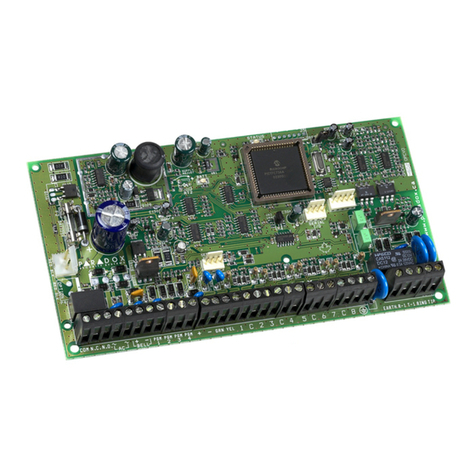
Fig. 2 - Scheda elettronica / Electronic board
Fig. 3 - Installazione del contatto /
Installing the contact
4.2 SCHEDA ELETTRONICA
Laguraseguenteriportaloschemadellaschedaelettronica.
Legenda:
A) Switch di test.
B) LED di test.
C) Morsettiera uscita allarme normalmente chiusa.
D) Buzzer.
E)Dip-Switchdicongurazione.
F) Pila al litio 3,6V di tipo AA.
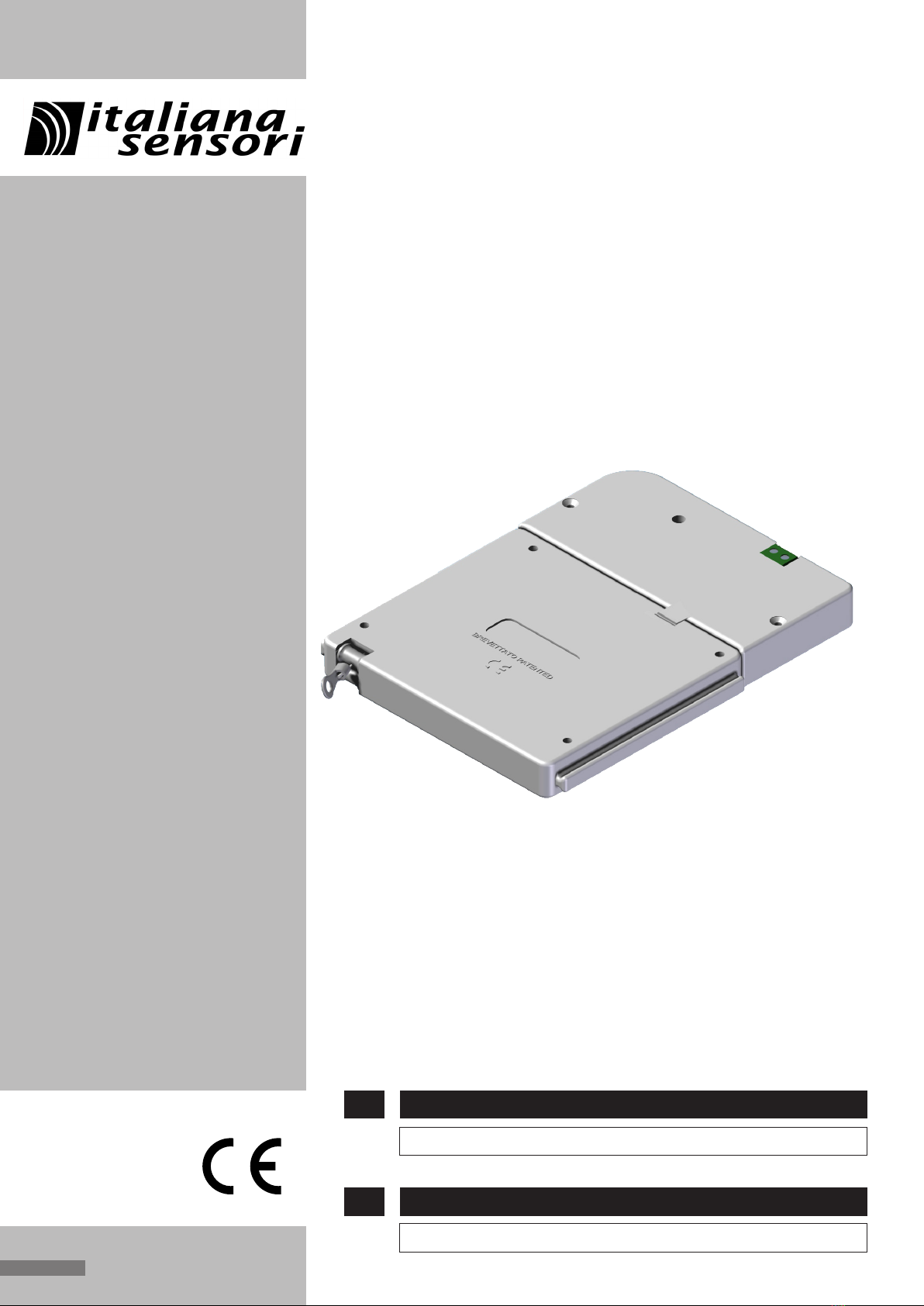
5 INSTALLAZIONE
Installare il dispositivo all’interno del
cassonetto della tapparella ssandolo
con le viti in dotazione, agganciare
l’anello capicorda (rif. F,g.1)sull’ultima
stecca della tapparella (g. 3). Utilizzare
le staffe opzionali (1829LESW/ST) che
permettono al dispositivo di scorrere e di
trovare un posizionamento ottimale.
6 CABLAGGIO
La linea di allarme della centrale deve
essere collegata alla morsettiera (rif. C,
g. 2). L’uscita della morsettiera di tipo
N.C. (Normalmente Chiuso) e l’allarme
viene segnalato con un’apertura del
contatto per un tempo maggiore di 1,5s
(nominale 1,7s).
7 FUNZIONE TEST
La funzione di TEST è utile per vericare il funzionamento e
l’installazione del contatto. Tale funzione permette di attivare
il LED, il buzzer e il relè per 5 attivazioni consecutive (dopo 5
attivazioni consecutive il contatto torna nella modalità operativa
normale, LED e buzzer disattivati e relè attivo). Nella funzione di
test il LED (rif. B,g.2)segnalailriconoscimentodiunimpulso
e il buzzer (rif. D, g. 2) segnala l’attivazione dell’allarme al
raggiungimento del numero programmato di impulsi. Per entrare
in modalità di test, inserire la pila (rif. F, g. 2). Per accedere
alla modalità test nuovamente senza togliere e reinserire la prima
eseguire la seguente procedura:
• Alzare e abbassare completamente la tapparella (se il
contatto non è installato simulare l’azione agendo sulla corda
di collegamento alla tapparella).
• Premere il pulsante (rif. A,g.2)entro45secondidall’azione
precedente.
4.2 ELECTRONIC BOARD
The picture below shown the outline of the electronic board.
Key:
A) Test switch.
B) Test LED.
C) Normally closed alarm output terminal block.
D) Buzzer.
E)CongurationDip-Switch.
F) AA type 3.6V lithium battery.
5 INSTALLATION
Install the device inside the roller shutter
box fastening it with the screws supplied
or with other suitable means, attach the
cable lug eyelet (ref. F,g.1)tothelast
slat of the rolling shutter (g. 3). Using
optional brackets (1829LESW/ST) is
possible allow the device to scroll and to
ndanoptimalpositioning.
6 WIRING
The control panel alarm line must be
connected to the terminal block (ref. C,
g. 2). The output of the N.C. (Normally
Closed) terminal block and the alarm
are indicated by the contact opening for
longer than 1.5s (nominal time 1.7s).
7 TEST FUNCTION
The TEST function is useful to verify contact operation and
installation. This function allows the LED, buzzer and relay to
be activated for 5 consecutive activations (after 5 consecutive
activations the contact goes back to the normal operating mode,
the LED and buzzer are disabled and the relay is active). In the
test function the LED (ref. B,g.2)indicatestherecognitionof
a pulse and the buzzer (ref. D, g. 2) indicates the activation
of the alarm when the programmed number of pulses has been
reached. To access the test mode, insert the battery (ref. F,g.2).
To access the test mode again without removing and reinserting
the battery, follow the procedure below:
• Fully lift and lower the roller shutter (if the contact is not
installed simulate the action by acting on the shutter
connection rope).
• Press the button (ref. A,g. 2)within 45seconds fromthe
previous action.