manuals.online logo
Brands
  1. Home
  2. •
  3. Brands
  4. •
  5. Monogram
  6. •
  7. Refrigerator
  8. •
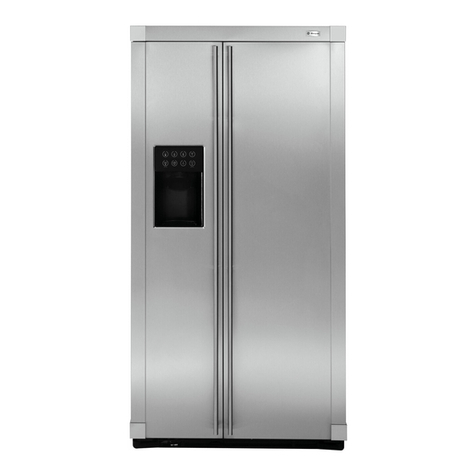
  9. Monogram ZDOD240HSS User manual

Monogram ZDOD240HSS User manual

Other Monogram Refrigerator manuals

Monogram Double-Door User manual

Monogram

Monogram Double-Door User manual

Monogram ZICS36N RH User manual

Monogram

Monogram ZICS36N RH User manual

Monogram ZFSB23DRDSS User manual

Monogram

Monogram ZFSB23DRDSS User manual

Monogram 36 Ceramic Cooktop User manual

Monogram

Monogram 36 Ceramic Cooktop User manual

Monogram WX08X10002 User manual

Monogram

Monogram WX08X10002 User manual

Monogram ZICS360NRFRH User manual

Monogram

Monogram ZICS360NRFRH User manual

Monogram ZIPP360NHSS User manual

Monogram

Monogram ZIPP360NHSS User manual

Monogram ZIDS240HSS User manual

Monogram

Monogram ZIDS240HSS User manual

Monogram ZIS360N User manual

Monogram

Monogram ZIS360N User manual

Monogram ZIR360 User manual

Monogram

Monogram ZIR360 User manual

Monogram ZPB480D User manual

Monogram

Monogram ZPB480D User manual

Monogram ZIS480NRF User manual

Monogram

Monogram ZIS480NRF User manual

Monogram ZIFX240HX User manual

Monogram

Monogram ZIFX240HX User manual

Monogram ZIS42 User manual

Monogram

Monogram ZIS42 User manual

Monogram Monogram 197D3359PO02 User manual

Monogram

Monogram Monogram 197D3359PO02 User manual

Monogram Monogram ZFSB26DRSS User guide

Monogram

Monogram Monogram ZFSB26DRSS User guide

Monogram ZFGB21HXCSS User manual

Monogram

Monogram ZFGB21HXCSS User manual

Monogram ZIS36NY User manual

Monogram

Monogram ZIS36NY User manual

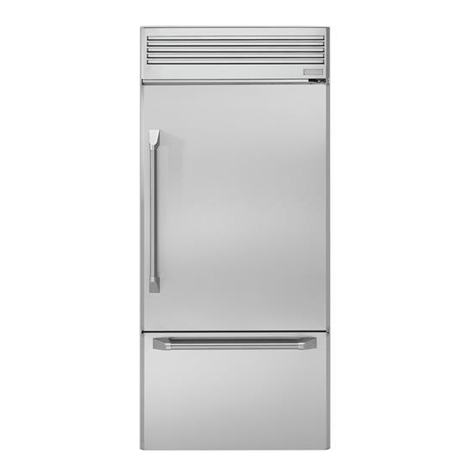
Monogram 30" Built-InBottom-Freezer User manual

Monogram

Monogram 30" Built-InBottom-Freezer User manual

Monogram ZSAB1 User manual

Monogram

Monogram ZSAB1 User manual

Monogram 224D3094P002 User manual

Monogram

Monogram 224D3094P002 User manual

Monogram ZIFI240 User manual

Monogram

Monogram ZIFI240 User manual

Monogram Monogram ZISW36DRC User manual

Monogram

Monogram Monogram ZISW36DRC User manual

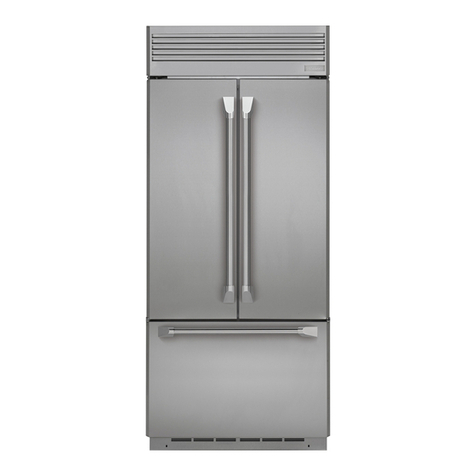
Monogram Bottom-Freezer Built-In Refrigerators User manual

Monogram

Monogram Bottom-Freezer Built-In Refrigerators User manual

Popular Refrigerator manuals by other brands

Frigidaire FRS26TS7DW2 Use & care manual

Frigidaire

Frigidaire FRS26TS7DW2 Use & care manual

Fisher Scientific 10ECEEFSA manual

Fisher Scientific

Fisher Scientific 10ECEEFSA manual

Summit FF22BDRSS user manual

Summit

Summit FF22BDRSS user manual

Frigidaire FFRU17B2QWE use & care

Frigidaire

Frigidaire FFRU17B2QWE use & care

Hotpoint ENBGH 19xxx FW operating instructions

Hotpoint

Hotpoint ENBGH 19xxx FW operating instructions

Hitachi R-SG28KPH instruction manual

Hitachi

Hitachi R-SG28KPH instruction manual

Dometic RMH 7390 L operating instructions

Dometic

Dometic RMH 7390 L operating instructions

AEG S71700TSW0 user manual

AEG

AEG S71700TSW0 user manual

Electrolux ENB3669 Instruction book

Electrolux

Electrolux ENB3669 Instruction book

Electrolux ERN 2930 Instruction book

Electrolux

Electrolux ERN 2930 Instruction book

Beko GNE 60520 X user manual

Beko

Beko GNE 60520 X user manual

Jenn-Air JUR248LBES00 Use & care guide

Jenn-Air

Jenn-Air JUR248LBES00 Use & care guide

Dometic RGE 4000 Installation and operating manual

Dometic

Dometic RGE 4000 Installation and operating manual

Dometic L-0191B Brochure & specs

Dometic

Dometic L-0191B Brochure & specs

LG LRBP1031W - 10 Cu. Ft. Cabinet Depth Bottom Freezer... owner's guide

LG

LG LRBP1031W - 10 Cu. Ft. Cabinet Depth Bottom Freezer... owner's guide

Daewoo RN-33 Series user manual

Daewoo

Daewoo RN-33 Series user manual

Haier RF-8888-174 Service manual

Haier

Haier RF-8888-174 Service manual

Blaupunkt 5CK2 Series user manual

Blaupunkt

Blaupunkt 5CK2 Series user manual

manuals.online logo
manuals.online logoBrands
  • About & Mission
  • Contact us
  • Privacy Policy
  • Terms and Conditions

Copyright 2025 Manuals.Online. All Rights Reserved.

OWNER’S
MANUAL
Outdoor/Indoor Refrigerator
Monogram.com
249-60432-5
If you received
a damaged
appliance
The warranty does not cover damage caused
after delivery.
Immediately contact the dealer (or builder)
that sold you the outdoor/indoor refrigerator.
Consumer Information
Outdoor/Indoor Refrigerator
Introduction Your new Monogram outdoor/indoor refrigerator makes an eloquent statement of style,
convenience and kitchen planning flexibility. Whether you chose it for its purity of design or
the assiduous attention to detail, you will find that your Monogram outdoor/indoor refrigerator’s
superior blend of form and function will delight you for years to come.
The information on the following pages will help you operate and maintain your outdoor/indoor
refrigerator properly.
If you have any other questions, visit our Website at: monogram.com
Contents
Before
using your
outdoor/
indoor
refrigerator
Read this manual carefully. It is intended
to help you operate and maintain your new
outdoor/indoor refrigerator properly.
Keep it handy for answers to your questions.
If you don’t understand something or need
more help, there is a list of toll-free consumer
service numbers included in the back section
of this manual.
OR
Visit our Website at: monogram.com
Write
down the
model
& serial
numbers
You will find them on a label on the ceiling
inside the outdoor/indoor refrigerator.
Please write these numbers here:
Model Number
Serial Number
Use these numbers in any correspondence or
service calls concerning your outdoor/indoor
refrigerator.
Remove
packaging
Before using, be sure all packing materials
and tape have been removed.
To assure no damage is done to the finish
of the product, the safest way to remove the
adhesive left from packaging tape on new
appliances is an application of household
liquid detergent. Apply with a soft cloth and
allow to soak. Wipe dry and then apply an
appliance polish to thoroughly clean and
protect the surface.
Save time
& money
Before you request service, check the
Problem Solver in the back of this manual.
It lists causes of minor operating problems
that you can correct yourself.
Care and Cleaning ...................................... 12
Consumer Services .....................................19
Controls and Features ...................................8
Model and Serial Numbers ............................2
Problem Solver ............................................16
Repair Service .........................................3, 19
Safety Instructions .........................................4
Top Canopy Removal.................................. 15
Warranty ....................................... Back Cover
49-60432-5 3
If you
need
service
To obtain service, see the Consumer Services
page in the back of this manual.
We are proud of our service and want you to
be pleased. If for some reason you are not
happy with the service you receive, here are
steps to follow for further help.
For customers in the USA:
FIRST, contact the people who serviced your
appliance. Explain why you are not pleased.
In most cases, this will solve the problem.
NEXT, if you are still not pleased, write all the
details—including your phone number—to:
Manager, Customer Relations
Monogram
GE Appliance Park
Louisville, KY 40225
For customers in Canada:
FIRST, contact the people who serviced your
appliance. Explain why you are not pleased.
In most cases, this will solve the problem.
NEXT, if you are still not pleased, write all the
details—including your phone number to:
Manager, Consumer Relations
Mabe Canada Inc.
1 Factory Lane, Suite 310
Moncton, N.B. E1C 9M3
Consumer Information
Outdoor/Indoor Refrigerator
After
installation
is completed
• Promptly inspect your new Monogram
outdoor/indoor refrigerator. If it has been
damaged, contact the Installer or Dealer
immediately.
• This outdoor/indoor refrigerator must be
properly leveled to ensure correct door
alignment and door closure. Contact
the Installer if the unit is not level.
• The unit should be centered in the opening.
In a standard 24” opening, the door will
protrude 1-1/2” forward of adjacent cabinetry.
Contact the installer if clearance is not
correct.
• Test the door swing. Carefully open and
close the door. The door should not rub
or catch on adjacent cabinetry. Notify the
installer if the door makes contact with
cabinetry.
Please Contact the Installer or Dealer if you
experience any of these problems.
Caring
for your
stainless
steel
Stainless Steel—We strongly advise applying
a commercially available stainless steel
cleaner such as Stainless Steel Magic™ to
preserve and protect the fine finish monthly.
The following substances and naturally
occurring materials will cause damage to all
stainless steel finishes. Care must be taken
not to allow these substances to come in
contact with your outdoor/indoor refrigerator.
If any of these do get on your unit, wash and
rinse immediately (see Care and Cleaning).
• Battery acid
• Pool chemicals
(such as chlorine and bromine)
• Lawn fertilizer
• Ice melting salts
• Creosote
• Iodine
• Pickling juice
• Urine
• Bird droppings
• Tree sap
• Sea water
449-60432-5
State of California Proposition 65 Warnings:
WARNING This product contains one or more chemicals known to the State of California to cause cancer and
birth defects or other reproductive harm.
Outdoor/Indoor Refrigerator
IMPORTANT SAFETY INSTRUCTIONS
WARNING To reduce the risk of fire, explosion, electric shock, or injury when using your refrigerator
follow these basic safety precautions:
Before it is used, the appliance must be properly installed and located as described in this manual.
Ŷ Use this appliance only for its intended purpose as
described in this Owner’s Manual.
Ŷ This outdoor/indoor refrigerator must be properly
installed in accordance with the Installation
Instructions before it is used.
Ŷ Do not allow children to climb, stand or hang on
the shelves in the outdoor/indoor refrigerator. They
could damage the outdoor/indoor refrigerator and
seriously injure themselves.
Ŷ Do not store or use gasoline or other flammable
vapors and liquids in the vicinity of this or any
other appliance.
Ŷ Unplug or turn off your outdoor/indoor refrigerator
before cleaning or making repairs.
Ŷ NOTE: We strongly recommend that any servicing be
performed by a qualified individual.
Ŷ Before replacing a burned-out light bulb, the
outdoor/indoor refrigerator should be turned OFF or
unplugged in order to avoid contact with a live wire
filament. (A burned-out light bulb may break when
being replaced.)
Ŷ 'RQRWRSHUDWHWKHXQLWZKHUHWKHWHPSHUDWXUHZLOOJR
below 45°F (7.2°C) or above 120°F (49°C) (see Unit
ON/OFF).
Ŷ (QVXUHWKHRXWGRRULQGRRUUHIULJHUDWRULVQRWLQVWDOOHGLQ
a location prone to standing water.
Ŷ &KRRVHDOHYHOORFDWLRQWKDWFDQZLWKVWDQGOEV
Ŷ 5RXWHWKHSRZHUFRUGVRWKDWLWGRHVQRWSUHVHQWDWULS
hazard.
Ŷ 6XUIDFHFDQEHKRWLQGLUHFWVXQOLJKWFRQGLWLRQV8VH
caution.
Ŷ (QVXUHWKHFKRVHQORFDWLRQGRHVQRWSUHVHQWDWLSRYHU
situation.
Ŷ 'RQRWVWRUHH[SORVLYHVXEVWDQFHVVXFKDVDHURVRO
cans with a flammable propellant in this appliance.
Ŷ &KLOGUHQDQGSHUVRQVZLWKUHGXFHGSK\VLFDOVHQVRU\
or mental capabilities or lack of experience and
knowledge can use this appliance only if they are
supervised or have been given instructions on safe
use and understand the hazards involved.
Ŷ 7KLVDSSOLDQFHLVLQWHQGHGWREHXVHGLQKRXVHKROG
and similar applications such as: staff kitchen areas in
shops, offices and other working environments; farm
houses; by clients in hotels, motels, bed & breakfast
and other residential environments; catering and
similar non-retail applications.
Ŷ 7KHXVHRID*($SSOLDQFHV9DFXXP%UHDNVHUYLFH
part #’s WR49X403 and WR49X10026) is not
authorized on the outdoor/indoor refrigerator.
CAUTION
To reduce the risk of injury when using your refrigerator, follow these basic safety precautions.
Ŷ 'RQRWFOHDQJODVVVKHOYHVRUFRYHUVZLWKZDUPZDWHU
when they are cold. Glass shelves and covers may
break if exposed to sudden temperature changes
or impact, such as bumping or dropping. Tempered
glass is designed to shatter into many small pieces if it
breaks.
Ŷ Keep fingers out of the “pinch point” areas;
clearances between the doors and between the doors
and cabinet are necessarily small. Be careful closing
doors when children are in the area.
Ŷ 0DNHVXUHGLVKHVFRROSULRUWRVWRULQJWKHPLQWKH
outdoor/indoor refrigerator. Certain types of glass,
ceramic, earthenware or other glazed utensils retain
heat. Hot dishes can cause the cold glass shelves to
break.
READ AND SAVE THESE INSTRUCTIONS
49-60432-5 5
Outdoor/Indoor Refrigerator
IMPORTANT SAFETY INSTRUCTIONS
READ AND SAVE THESE INSTRUCTIONS
PROPER DISPOSAL OF YOUR OLD APPLIANCE
WARNING SUFFOCATION AND ENTRAPMENT HAZARD
Failure to follow these disposal instructions can result in death or serious injury
IMPORTANT: Child entrapment and suffocation are not
problems of the past. Junked or abandoned refrigerators
are still dangerous even if they will sit for “just a few
days.” If you are getting rid of your old refrigerator, please
follow the instructions below to help prevent accidents.
Before You Throw Away Your Old Appliance
Ŷ7DNHRIIWKHIUHVKIRRGDQGIUHH]HUGRRUV
Ŷ Leave the shelves in place so that children may not
easily climb inside.
Refrigerant and Foam Disposal:
Dispose of appliance in accordance with Federal and Local Regulations. Flammable insulation material used requires
special disposal procedures. Contact your local authorities for the environmentally safe disposal of your appliance.
HOW TO CONNECT ELECTRICITY
Refrigerator MUST be plugged into a functioning GFCI
circuit. Test your circuit by plugging your refrigerator
into the outlet and pressing the test button for that circuit,
verifying that the unit turns off (the light will not work with
the door open). Then press the Reset button and confirm
that the light comes on with the door open. If you do
not know if you have a GFCI circuit, contact a qualified
electrician for assistance.
Do not place the unit in standing water or allow the
power cord to be immersed.
Do not, under any circumstances, cut or remove
the third (ground) prong from the power cord. For
personal safety, this appliance must be properly
grounded.
The power cord of this appliance is equipped with a
3-prong (grounding) plug which mates with a standard
3-prong (grounding) wall outlet to minimize the possibility
of electric shock hazard from this appliance.
Have the electrical outlet and circuit checked by a qualified
electrician to make sure the outlet is properly grounded.
Where a standard 2-prong electrical outlet is encountered,
it is your personal responsibility and obligation to have it
replaced with a properly grounded 3-prong wall outlet.
The appliance should always be plugged into its own
individual electrical outlet which has a voltage rating
that matches the rating plate. This provides the best
performance and also prevents overloading house wiring
circuits which could cause a fire hazard from overheated
wires.
Never unplug an appliance by pulling on the power cord.
Always grip the plug firmly and pull straight out from the
outlet.
Immediately discontinue use of a damaged supply cord.
If the supply cord is damaged, it must be replaced by a
qualified service professional with an authorized service
part from the manufacturer.
When moving the appliance, be careful not to roll over or
damage the power cord.
WARNING THIS PRODUCT MUST BE CONNECTED TO A POWER
SOURCE WITH GROUND FAULT CIRCUIT INTERRUPT (GFCI) PROTECTION
WHEN INSTALLED IN AN OUTDOOR LOCATION. LOCAL CODES MAY REQUIRE
A SEPARATE CIRCUIT.
IF YOU ARE UNCERTAIN ABOUT THE GFCI PROTECTION ON THE POWER
SOURCE TO WHICH YOU ARE CONNECTING THIS APPLIANCE, PLEASE
CONTACT A PROFESSIONAL ELECTRICIAN FOR VERIFICATION.
DO NOT USE AN ADAPTER PLUG OR EXTENSION CORD
(Adapter plugs not permitted in Canada)
Do not use an adapter plug to connect the refrigerator to a 2-prong outlet.
Do not use an extension cord with this appliance.
649-60432-5
Avertissements de la Proposition 65 de l’État de la Californie :
AVERTISSEMENT Ce produit contient une ou plusieurs substances chimiques reconnues par l’État de Californie
pour causer le cancer et des anomalies congénitales ou d’autres problèmes liés à la reproduction.
AVERTISSEMENT Pour réduire le risque d’incendie, d’explosion, de choc électrique ou de blessures lorsque vous
utilisez votre réfrigérateur, veuillez suivre ces consignes de sécurité :
Avant d’être utilisé, l’appareil ménager doit être bien installé et se trouver à l’endroit décrit dans cette manuel.
Ŷ N’utilisez l’appareil que pour son usage prévu, comme
décrit dans le présent manuel.
Ŷ Installez le réfrigérateur intérieur/ extérieur
conformément aux directives d’installation avant de
l’utiliser.
Ŷ Ne laissez pas les enfants grimper, s’asseoir, se tenir
debout ni se pendre aux clayettes du réfrigérateur
intérieur/ extérieur. Ils pourraient endommager le
réfrigérateur et se blesser gravement.
Ŷ N’entreposez et n’utilisez pas d’essence ou autres
vapeurs et liquides inflammables à proximité de cet
appareil ou de tout autre appareil électroménager.
Ŷ Débranchez ou fermez votre réfrigérateur intérieur/
extérieur avant de le nettoyer et de le réparer.
Ŷ 5(0$548( Nous vous recommandons vivement de
confier toute réparation à un technicien qualifié.
Ŷ Avant de remplacer une ampoule grillée,
le réfrigérateur intérieur/extérieur doit être débranché afin
d’éviter tout contact avec un fil sous tension. (Une ampoule
grillée peut se briser pendant l’opération).
Ŷ 1HIDLWHVSDVIRQFWLRQQHUFHWDSSDUHLOORUVTXHODWHPSpUDWXUH
sera sous 7,2 °C (45 °F) ou inférieure à 49 °C (120 °F) (voir
marche/arrêt de l’appareil).
Ŷ $VVXUH]YRXVTXHOHUpIULJpUDWHXULQWpULHXUH[WpULHXUQ¶HVW
pas installé dans un endroit pouvant dissimuler de l’eau
stagnante.
Ŷ &KRLVLVVH]XQHQGURLWjQLYHDXSRXYDQWVXSSRUWHUXQSRLGV
de 113 kg (250 lb).
Ŷ $FKHPLQH]OHFRUGRQG¶DOLPHQWDWLRQGHPDQLqUHjpYLWHUOHV
risques de trébuchement.
Ŷ /DVXUIDFHH[SRVpHDX[UD\RQVGLUHFWVGXVROHLOSHXWrWUH
chaude. Soyez prudent.
Ŷ $VVXUH]YRXVGHFKRLVLUXQHQGURLWQHSUpVHQWDQWSDVGH
risque de basculement.
Ŷ1¶HQWUHSRVH]SDVGDQVFHWpOHFWURPpQDJHUGHVVXEVWDQFHV
explosives telles que des bombes aérosols qui contiennent
un gaz propulseur.
Ŷ/HVHQIDQWVHWOHVSHUVRQQHVGRQWOHVFDSDFLWpVVRQWUpGXLWHV
sur le plan physique, sensoriel ou mental, ou qui manquent
d’expérience ou de connaissances, peuvent utiliser cet
électroménager seulement si elles sont surveillées ou ont
reçues des consignes de sécurité sur son usage et les
risques y sont associés.
Ŷ&HWpOHFWURPpQDJHUHVWFRQoXSRXUXQHXWLOLVDWLRQ
domestique et applications similaires : salle du personnel
dans une usine, un bureau ou d’autres lieux de travail;
maison de ferme; clients dans un hôtel, un motel, un gîte
touristique et d’autres lieux résidentiels; approvisionnement et
applications similaires non reliées au commerce de détail.
Ŷ /¶XWLOLVDWLRQG¶XQHVRXSDSHDQWLYLGHGH*($SSOLDQFHVSLqFHV
no WR49X403 et WR49X10026) n’est pas approuvée pour
un réfrigérateur extérieur/intérieur.
LEA Y GUARDE ESTAS INSTRUCCIONES
ATTENTION Pour réduire le risque de blessures lorsque vous utilisez votre réfrigérateurde , veuillez suivre ces
consignes de sécurité.
Ŷ 1HQHWWR\H]SDVOHVFOD\HWWHVRXOHVFRXYHUFOHVHQYHUUH
avec de l’eau tiède quand ceux-ci sont froids. Les clayettes
et couvercles en verre peuvent se casser s’ils sont exposés
à des changements soudains de température ou si vous les
cognez ou les faites tomber. Le verre trempé est conçu pour
se briser en petits morceaux en cas de casse.
Ŷ eORLJQH]OHVGRLJWVGHVSDUWLHVGXFRQJpODWHXURO¶RQSHXW
facilement se pincer : les espaces entre les portes, et entre
les portes et les placards sont toujours étroits. Soyez prudent
lorsque vous fermez les portes en présence d’enfants.
Ŷ $VVXUH]YRXVTXHOHVSODWVVRQWUHIURLGLVDYDQWGHOHVVWRFNHU
dans le réfrigérateur extérieur/intérieur. Certains types de
matériaux comme le verre, la céramique, le grès et d’autres
ustensiles émaillés conservent la chaleur. Les plats chauds
représentent un risque de bris des tablettes en verre froides.
Réfrigérateur extérieur / intérieur
IMPORTANTES INSTRUCTIONS DE SÉCURITÉ

49-60432-5 7
LEA Y GUARDE ESTAS INSTRUCCIONES
COMMENT CONNECTER L’ÉLECTRICITÉ
Vous DEVEZ brancher votre réfrigérateur à un circuit
avec interrupteur de défaut à la terre. Essayez votre circuit
en branchant votre réfrigérateur dans la prise et en appuyant
sur le bouton d’essai pour ce circuit, en vous assurant que le
réfrigérateur ne reçoit plus de courant (la lumière du réfrigérateur
ne s’allume pas quand vous ouvrez la porte). Appuyez ensuite
sur le bouton Reset (remise à zéro) et vérifiez que la lumière
s’allume quand vous ouvrez la porte. Si vous ne savez pas si
votre circuit est équipé d’un interrupteur de défaut à la terre,
demandez à un électricien qualifié de vous aider.
N’immergez jamais votre appareil dans de l’eau, ni son
cordon d’alimentation.
Ne coupez ni retirez en aucun cas la troisième broche (mise
à la terre) de la fiche du cordon d’alimentation. Pour votre
sécurité, cet appareil doit être correctement mis à la terre.
Le cordon d’alimentation de cet appareil est muni d’une fiche à
3 broches (mise à la terre) qui se branche dans une prise mural
ordinaire à 3 alvéoles (mise à la terre) pour réduire au minimum
les risques du chocs électriques.
Faites examiner la prise de courant et le circuit par un électricien
qualifié pour vous assurer que la prise est correctement mise à la terre.
Si la prise de courant est du type standard à 2 alvéoles, il
vous incombe de la faire remplacer par une prise à 3 alvéoles
correctement mise à la terre.
L’appareil doit toujours être branché dans sa propre prise de
courant, dont la tension nominale est identique à celle indiquée
sur la plaque signalétique.
Cette précaution est recommandée pour garantir un rendement
optimum et éviter une surcharge des circuits électriques de
la résidence, ce qui pourrait créer un risque d’incendie par
surschauffe des fils.
Ne débranchez jamais l’appareil en tirant le cordon
d’alimentation. Saisissez fermement la fiche du cordon et tirez
droit pour la retirer de la prise.
Cessez immédiatement d’utiliser un cordon électrique
endommagé. Si le cordon électrique est endommagé, son
remplacement doit être effectué par un technicien en réparation
qualifié au moyen d’un cordon de rechange autorisé par le
fabricant.
Lorsque vous déplacez l’appareil, faites attention de ne pas
la faire rouler sur le cordon d’alimentation afin de ne pas
l’endommager.
AVERTISSEMENT CE PRODUIT DOIT TRE CONNECTÉ À UNE SOURCE
D’ALIMENTATION À DISJONCTEUR DE FUITE À LA TERRE, EN CAS
D’INSTALLATION EN PLEIN-AIR. LES RÉGLEMENTATIONS LOCALES PEUVENT
EXIGER UN CIRCUIT DISTINCT.
EN CAS DE DOUTE SUR LA PROTECTION ASSURÉE PAR LE DISJONCTEUR
DE FUITE À LA TERRE SUR LA SOURCE D’ALIMENTATION À LAQUELLE VOUS
CONNECTEZ CET APPAREIL, VEUILLEZ FAIRE VÉRIFIER L’INSTALLATION PAR
UN ÉLECTRICIEN PROFESSIONNEL.
MISE AU REBUT APPROPRIÉE DE VOTRE ANCIEN APPAREIL
AVERTISSEMENT RISQUE DE SUFFOQUER OU D’Y ÊTRE EMPRISONNÉ
Le non-respect de ces instructions d'élimination peut entraîner la mort ou des blessures graves.
IMPORTANT: Les enfants pris au piège ou morts d’asphyxie
sont toujours d’actualité. Les réfrigérateurs et congélateurs
abandonnés sont toujours aussi dangereux, même si on
n’attend que «quelques jours» pour s’en débarrasser. Si vous
ne gardez pas votre ancien réfrigérateur ou congélateur,
veuillez suivre les directives ci-dessous afin de prévenir les
accidents.
Avant de vous débarrasser de votre ancien appareil :
Ŷ'pPRQWH]OHVSRUWHVGXFRPSDUWLPHQWGHUpIULJpUDWLRQHWGX
compartiment de congélation.
Ŷ Laissez les clayettes en place afin d’empêcher les enfants de
grimper à l’intérieur.
Mise au rebut des produits réfrigérants et en mousse
Mettez l’électroménager au rebut conformément à la réglementation fédérale et locale. Les matières isolantes inflammables
utilisées exigent des procédures de mise au rebut spéciales. Communiquez avec les autorités locales pour connaître la façon de
mettre votre électroménager au rebut qui soit respectueuse de l’environnement.
Réfrigérateur extérieur / intérieur
IMPORTANTES INSTRUCTIONS DE SÉCURITÉ
NE PAS UTILISER DE FICHE D’ADAPTATION OU DE CORDON PROLONGATEUR
(Fiches d’adaptation non permises au Canada)
N’utilisez pas de fiche d’adaptation pour brancher le réfrigérateur dans une prise à 2 broches.
N’utilisez pas de cordon prolongateur avec cet appareil.
849-60432-5
Controls and Features
Outdoor/Indoor Refrigerator
Temperature
control
Child control
lockout
This child control lockout feature prevents
unwanted changes to your temperature
settings.
After the desired temperature is set, the
temperature can be locked. To lock, press
both the + and – pads at the same time for
five seconds. To unlock, press both + and –
pads for five seconds.
The temperature display shows the actual
temperature of the outdoor/indoor refrigerator.
The actual temperature may vary slightly from
the set temperature based on factors such
as door opening, amount of food and outside
temperature.
To change the temperature setting, press the
WARMER or COLDER pads until you reach
the desired set temperature. After several
seconds, the display will return to the actual
temperature.
Allow 12–24 hours for the outdoor/indoor
refrigerator to reach the temperature that you
have set.
Temperature Settings
Minimum: 34°F (1.1°C)
Maximum: 45°F (7.2°C)
Unit ON/
OFF
This pad stops cooling in the
outdoor/indoor refrigerator, turns
off the temperature controls and
removes power to the light circuit.
Press this pad for a minimum of 3 seconds
to turn the outdoor/indoor refrigerator OFF
for long vacations or absences, or when
cleaning the unit or changing the light bulb.
Press the pad again to turn the outdoor/indoor
refrigerator ON.
Key ejecting
lock WARNING To prevent a child from
being entrapped, keep the key out of reach of
children and away from the appliance.
AVERTISSEMENT Pour prévenir
l’enfermement des enfants, gardez la clé hors
de portée des enfants, à distance du appareil.
Keys for the spring-loaded lock are
automatically ejected. Keys will not remain in
the lock while the door is opened or closed.
NOTE: Two keys are included.
NOTICE: Before closing the door, make sure
the lock pin does not protrude beyond the top
of the door, to prevent potential damage to the
cover or cabinetry.
Interior fan The interior fan is located in the rear wall of
the outdoor/indoor refrigerator and is designed
to run continuously to help maintain the proper
cooling temperature. The interior fan will only
turn off when the door is opened.
49-60432-5 9
Controls and Features
Outdoor/Indoor Refrigerator
Glass
shelves
Tempered glass shelves in the outdoor/
indoor refrigerator unit are removable for easy
cleaning or for storing larger items.
To remove a shelf, open the door completely
to avoid potential damage to the gasket. Lift
up on the back of the shelf slightly. Tilt the
shelf to one side at an angle while pulling
forward.
Appearance may vary
To replace a shelf, open the door completely
to avoid potential damage to the gasket.
Tilt the shelf to one side at an angle and
slide toward the back wall, placing one side
onto the shelf support. Place the other side
onto the opposite shelf support. Ensure rear
locking tabs are engaged. When installed
properly, the shelf will not slide forward when
gently pulled.
To remove, lift up on the back of
the shelf
Tilt the shelf at an angle while
removing or replacing
Place in slots when replacing the
shelf
QuickSpace™
shelf
This shelf splits in half and slides under itself
for storage of tall items on the shelf below.
Step 1: Lift the back edge of the front half of
the shelf.
Step 2: Pull slightly forward.
Step 3: Lower the back edge of the front half
of the shelf while sliding it underneath the
back half.
The entire Quick Space shelf can be removed
and replaced (see Glass Shelves section).
Step 3
Step 1
Step 2
10 49-60432-5
Controls and Features
Outdoor/Indoor Refrigerator
Loading
tips and
suggestions
The bottom two full extension drawers hold
five bottles each and are loaded with necks
facing the rear. Tall bottles should not be
loaded on the bottom drawer because they
may prevent the door from closing.
• Do not block the thermistor, located on the
right-hand side, just above the third shelf of
the outdoor/indoor refrigerator. Blocking the
thermistor could impair the air circulation and
temperature control.
Bottom drawer arrangement
Removing
full extension
drawers
The bottom full extension drawers pull out so
bottles can conveniently be added or removed.
The upper full extension slide can be removed
for magnums or larger bottles.
To remove:
1. Pull the full extension drawer out to the
STOP position.
2. Push the tab on right drawer guide down
while pulling the tab on left guide up, and
pull the drawer out.
To replace:
1. Push the drawer slide arm back into the
unit.
2. Pull the small slide sub-assembly
completely forward.
3. Insert the sides of the drawer back into the
guides.
4. Push until the tabs lock into place.
Tab (push tab down on
right drawer guide, pull tab
up on left drawer guide)
Wood
drawer
fronts
The full extension drawer fronts on the outdoor/
indoor refrigerator are unfinished cherry wood.
During use, oil from hands may accumulate
and stain the wood.
• The drawer fronts may be stained and sealed
to match adjacent cabinetry.
• Apply the stain and sealer according to
the manufacturer’s instructions. To avoid
unpleasant odor, keep the door open to
ventilate and allow the stain/sealer to dry
completely before using the product.
NOTE: Natural wood may vary slightly in grain
and color.
NOTE: Make sure the tabs on the full
extension drawer guides are fully engaged
before loading any bottles. Pull the drawers
out all the way to the STOP position and push
back in several times to make sure locking tabs
are properly engaged.
To replace, push drawer
slide arm back into unit
Pull small slide sub-assembly
completely forward
Appearance may vary
Sub-assembly Sub-assembly