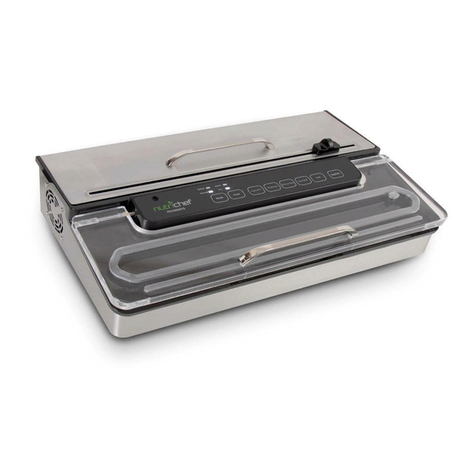
FOOD STORAGE GUIDE | 1918 | VACUUM SEALER TIPS & BEST PRACTICES
Advantages of Vacuum-Packed Foods
Vacuum-packing keeps food fresh for a longer timeframe. The process of vacuum
packing removes the air, which can cause the food to spoil in non-vacuum sealed
packaging. Using a Vacuum Sealer can also help protect against freezer burn that
often occurs when storing foods in a freezer.
Food Storage
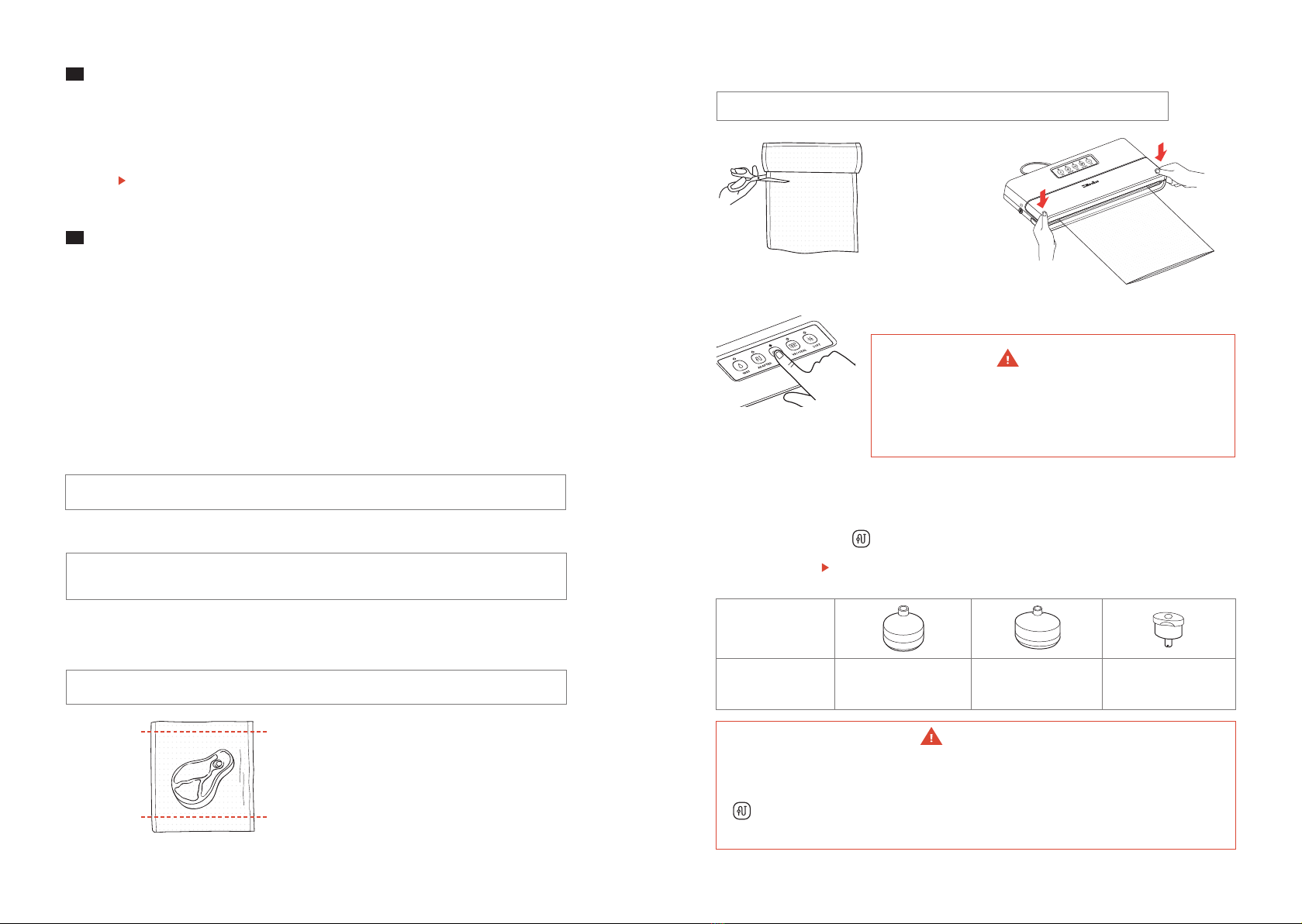
–Soups or other liquids should be frozen prior to vacuum-packing.
–Never overfill your bag.
–Label your bags with the contents and the date.
–You can cuff the bag before filling it to help keep the top edge clean.
–Blanch any fresh vegetables before vacuum sealing them.
–Pre-freeze any fruits for best results.
–Wipe the top of the bag to remove any moisture or excess food prior to sealing
the bag.
–When sealing sharp items (such as dried pasta, pencils, silverware, etc.), consider
adding waxed paper or paper towels or a small towel to help prevent punctures.
–Be sure to leave about 2.5–3 inches (6.3–7.6cm) of space at the top of any food
containers prior to sealing them.
–Some people find success by filling the bag, then partially freezing the food
prior to sealing.
–Another trick for reducing moisture seepage is to fold a paper towel, then insert
it above any moist meats or ingredients prior to sealing.
–Allow the device to cool down completely before you clean it or put it away.
Storing Other Household Goods
Vacuum sealers can be used for more than food. You can store polished silverware,
craft supplies (beads, buttons, etc.), and more for long-term storage. We do not
recommend storing anything breakable, plant seeds, or something that cannot be
compressed safely.
VACUUM SEALER TIPS & BEST PRACTICES
NOTE:Not recommended for storing soft cheeses, mushrooms, garlic,
onions, and butter or margarine.
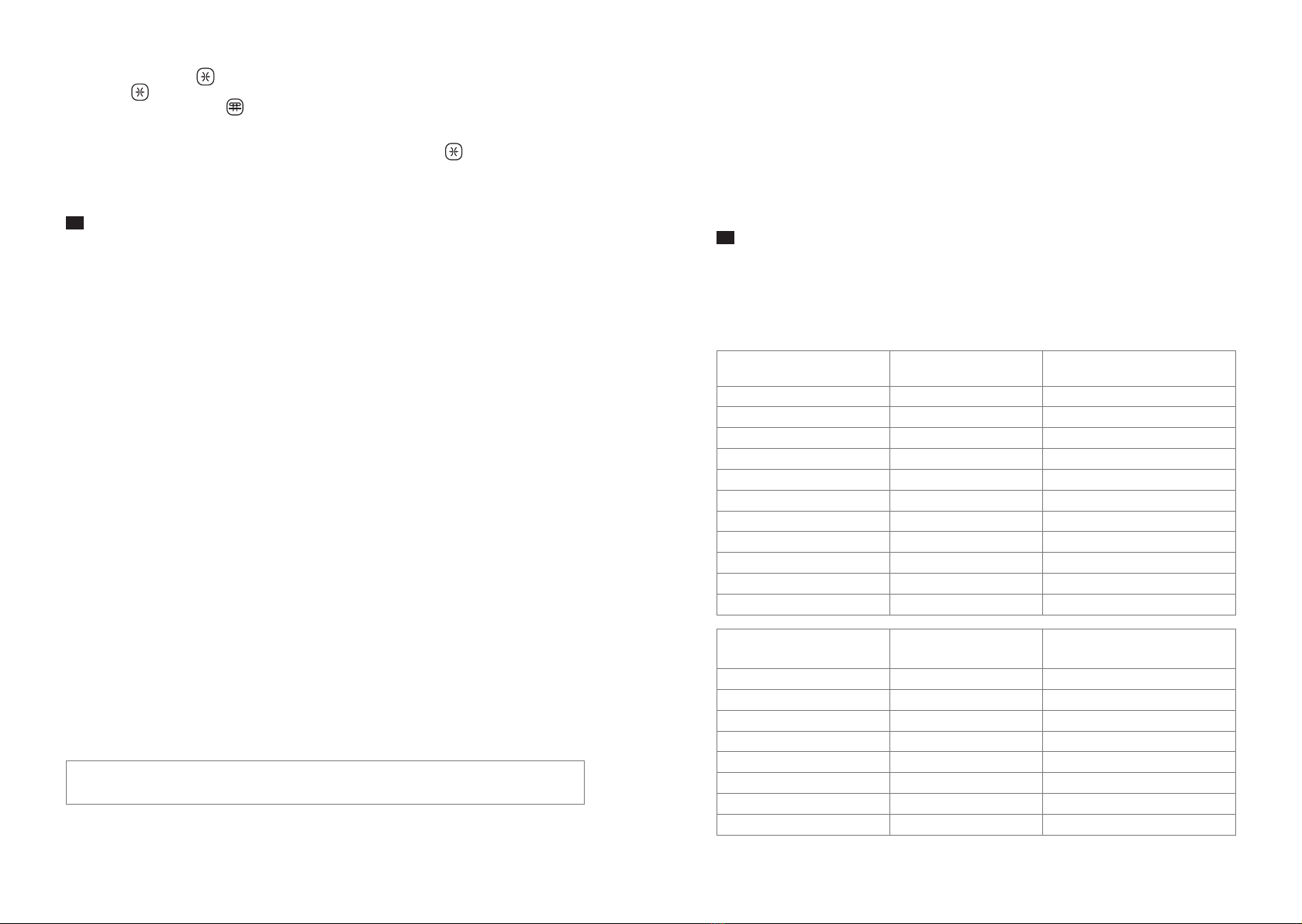
1Press the “SOFT” button. The LED will light up. To deactivate, press the
“SOFT” button again.
2Press the “VAC+SEAL” button to start the sealing process.
3The LED will automatically turn off when the vacuum-packing/sealing
process has been completed or canceled.
4During the vacuum-packing/sealing process, the “SOFT” button cannot
be activated or deactivated. This function MUST be done prior to vacuum-
packing/sealing.
FOOD STORAGE GUIDE
Sous-Vide
A popular method to cook meat is called sous-vide where you gently cook meat
inside a vacuum bag. The home cook and foodie can now recreate their favorite
sous-vide recipes at home with the help of our Vacuum Sealer.
Marinating Meats and Vegetables
Enhance the flavor when you vacuum-seal meat or vegetables with marinade or
spices inside the bag. Following recipe instructions and safe food practices, rest
the food for a few hours or overnight in a refrigerator to lock in the flavor.
Refrigerated (5 ± 2ºC) No Vacuum Seal Mueller Vacuum Sealer
Red Meat 3–4 Days 8–9 Days
White Meat 2–3 Days 6–8 Days
Fish 1–3 Days 4–5 Days
Cooked Meat 3–5 Days 10–15 Days
Soft Cheese 5–7 Days 20 Days
Hard/Semi Hard Cheese 1–5 Days 60 Days
Fruits 5–7 Days 14–20 Days
Vegetables 1–3 Days 7–10 Days
Soup 2–3 Days 8–10 Days
Pasta/Rice Leftovers 2–3 Days 6–8 Days
Cream Desserts 2–3 Days 8 Days
Room Temperature
(25 ± 2ºC) No Vacuum Seal Mueller Vacuum Sealer
Fresh Bread 1–2 Days 8–10 Days
Biscuits 4–6 Months 12 Months
Uncooked Pasta/Rice 5–6 Months 12 Months
Flour 4–6 Months 12 Months
Dry Fruits 3–4 Months 12 Months
Ground Coffee 2–3 Months 12 Months
Loose Tea 5–6 Months 12 Months
Milk Tea 1–2 Months 12 Months
*The information in this table is for reference only. Actual storage time will depend
upon the food’s freshness, storage conditions, etc. Please always check food
before cooking (review package expiration or use by dates, examine color, smell,
etc.). For your health and safety, please never eat or cook any food when its quality
has changed.