19
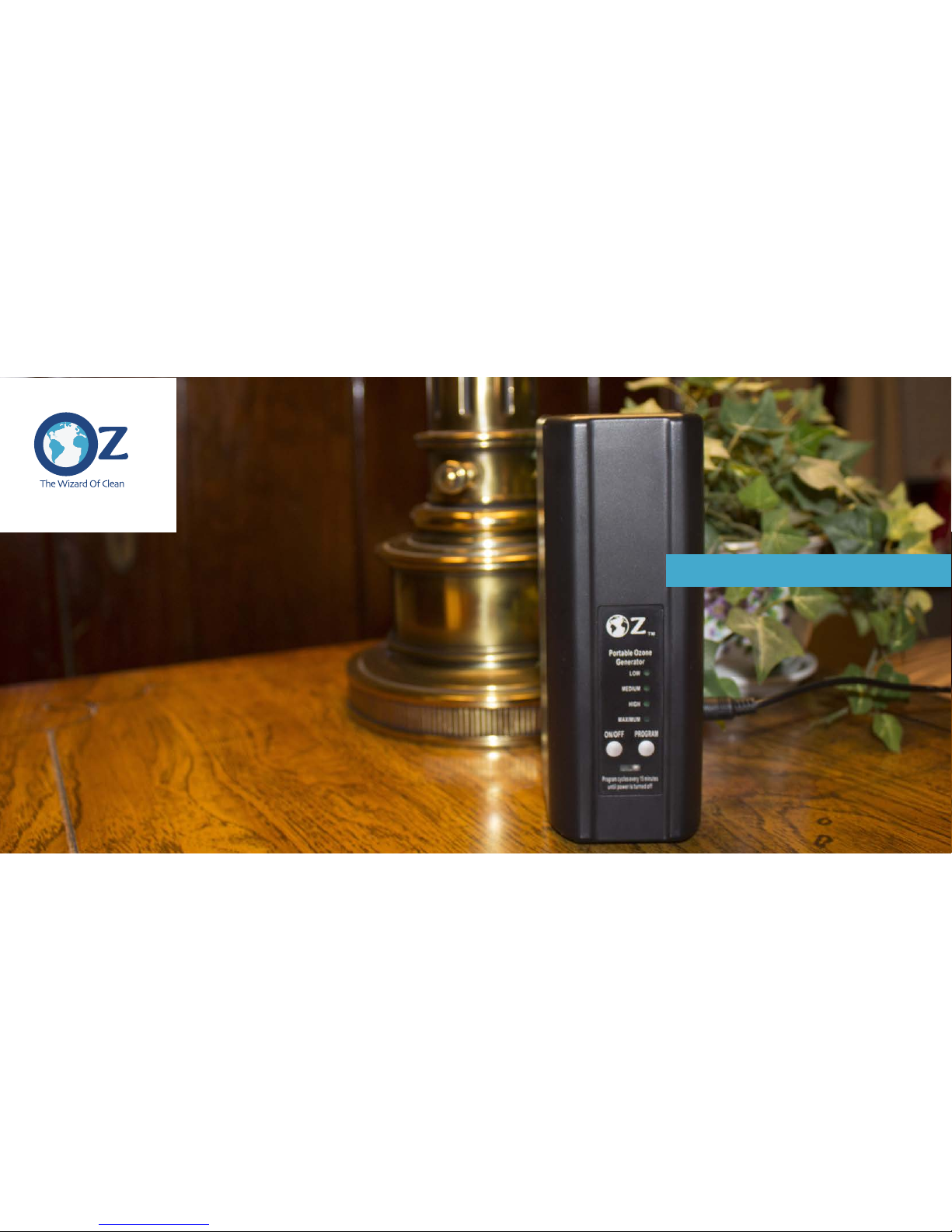
Oz works from the inside out.
According to the EPA, pollutants in the typical
home or oce are at least 10 mes higher than
in outdoor air. Dust, pollen, molds, mildew,
bacteria and viruses can ll the air in our living
spaces. Fumes from paints, cleansers, carpets,
pressed board, fabrics and other chemicals are
also breathed in daily by you and your family.
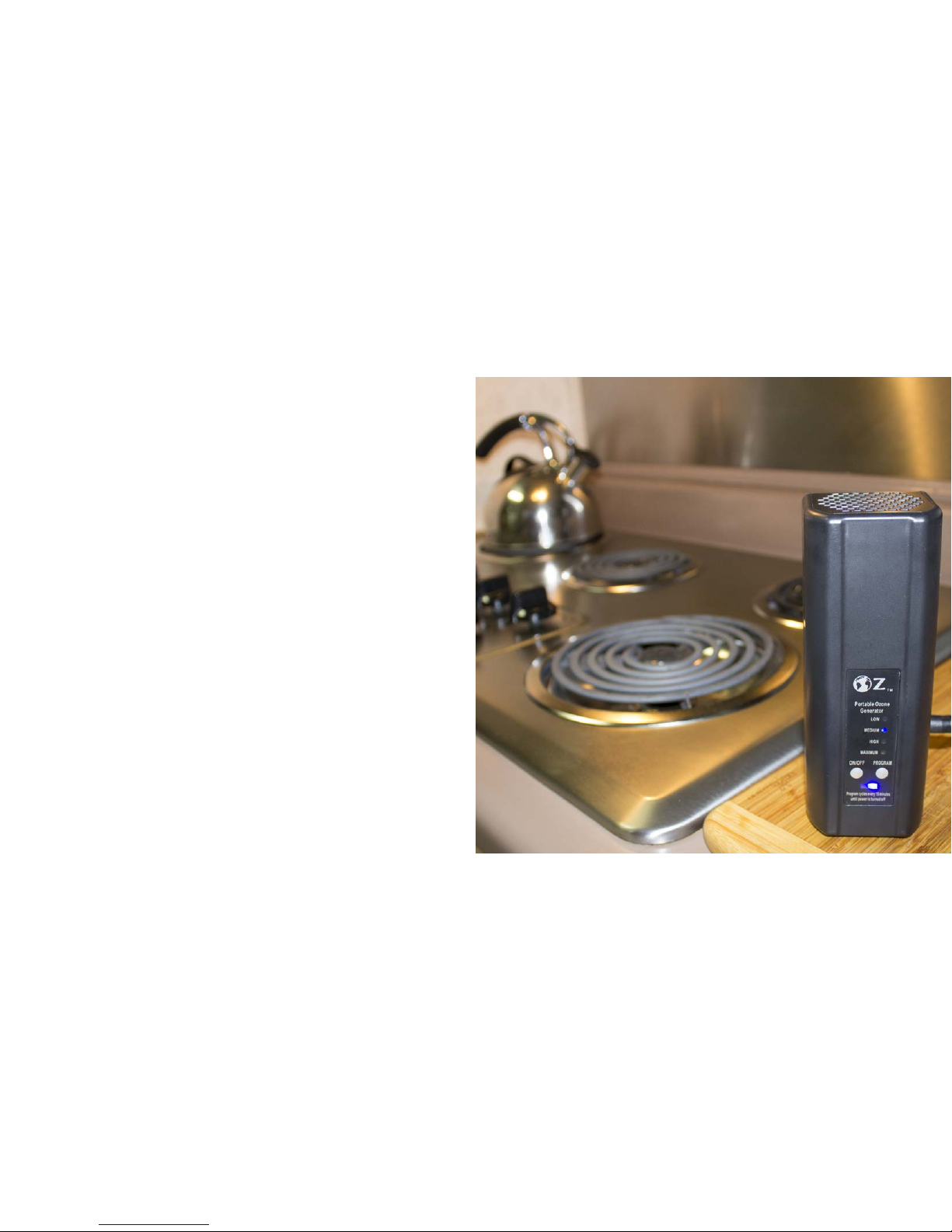
Oz uses the natural sanizing characteriscs
of ozone to oxidize odors at their source. O3
usually dissipates in less than an hour and leaves
the air smelling cleaner, fresher, and with no
chemical residue.
O
3
[ Tip ]
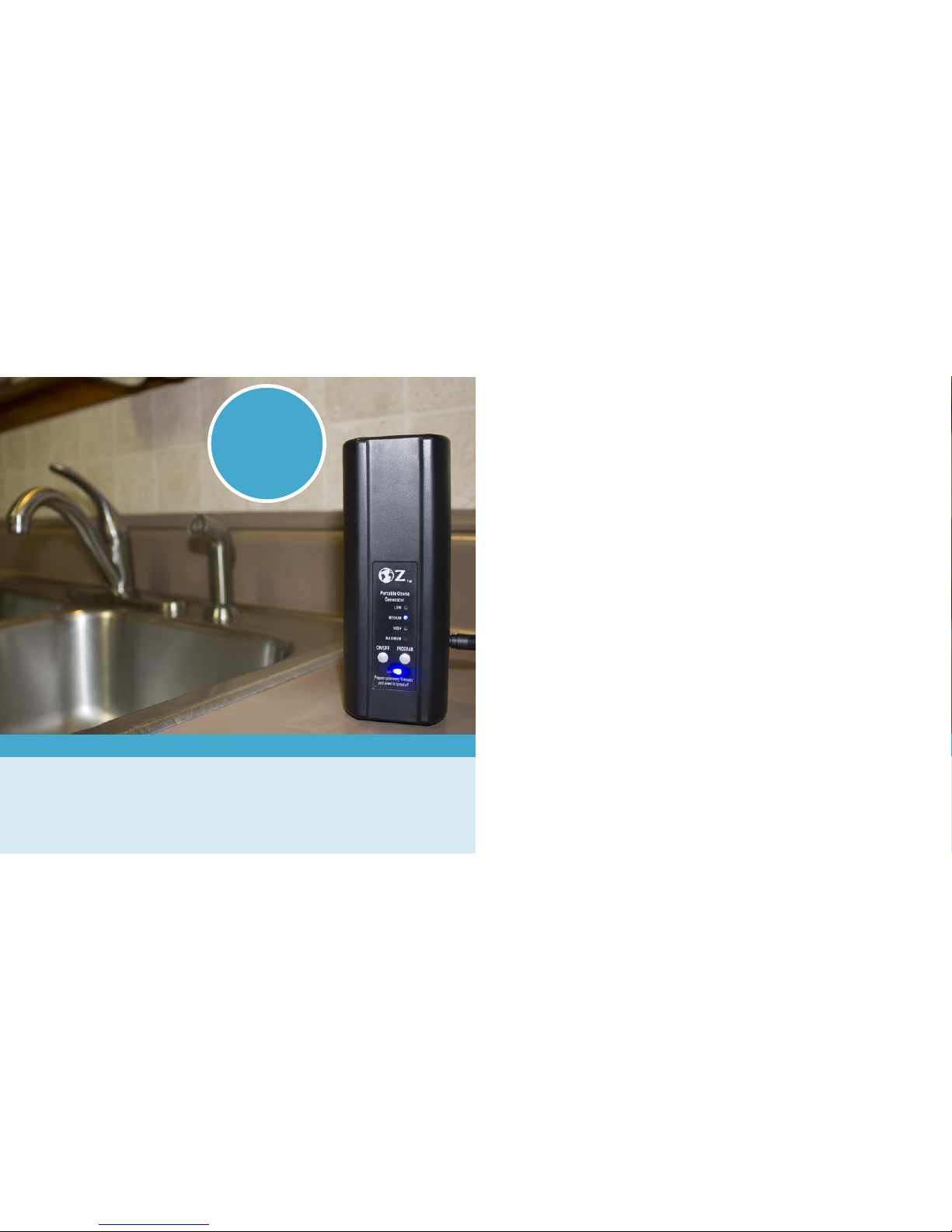
How does ozone kill bacteria? Ozone kills germs by aacking and penetrang the
cell walls of bacteria and viruses. Once enough ozone electrons have penetrated the
cell the germs are destroyed. Ozone penetrates on contact, which is why it works so
quickly—unlike chlorine which has to be absorbed by the cell. Read the ne print on
your household cleaners. Many say to wash the counter, apply the product (usually
bleach or alcohol), leave it on the surface 10 to 20 minutes, and then wash the counter
o before leng food make contact with the counter. Whew, that’s a lot of work!
18
Oxygen to Ozone.
In nature, oxygen is regularly transformed
into ozone through forces like lightning
and when ultra-violet light from the
sun strikes the Earth’s atmosphere. The
oxygen molecule in the air we breathe is
designated as O2. Ozone is essenally O2
with an extra oxygen molecule aached
so it is designated as O3. Once ozone has
done its work, the molecule changes back
to O2 (regular oxygen) leaving no residue.
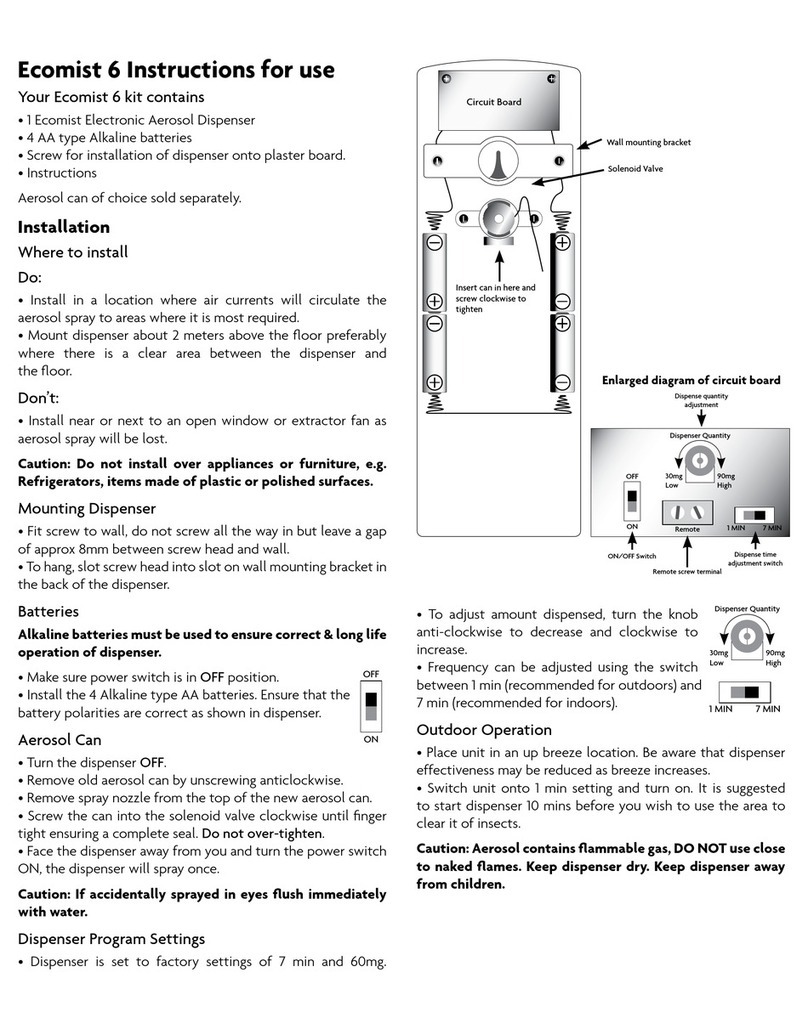
Oz produces ozone for a variety of
puricaon purposes by sending an
electrical current to a ceramic plate,
spling the O2 molecule and creang
O3.
VIII. WHAT IS OZONE?