manuals.online logo
Brands
  1. Home
  2. •
  3. Brands
  4. •
  5. Panasonic
  6. •
  7. Home Theater System
  8. •
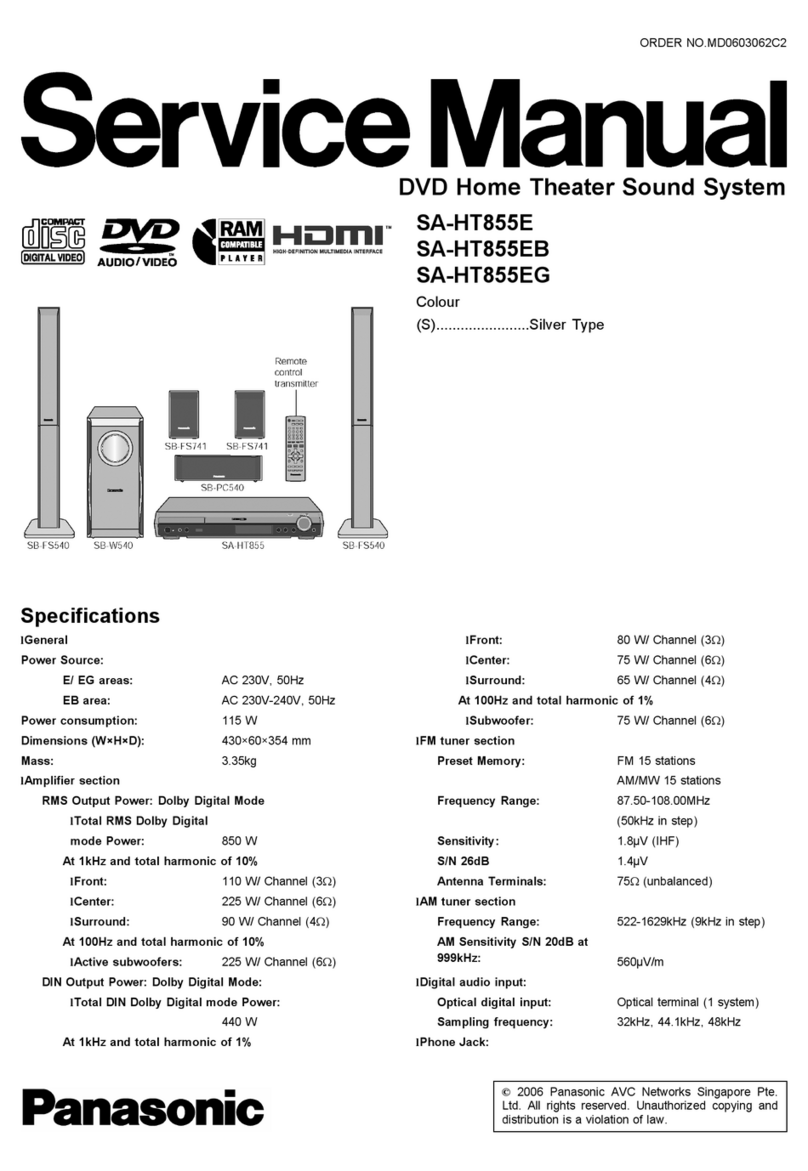
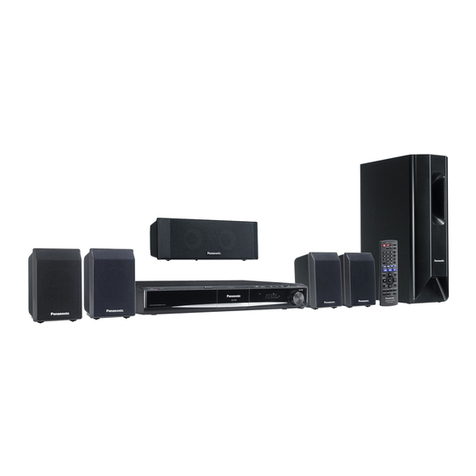
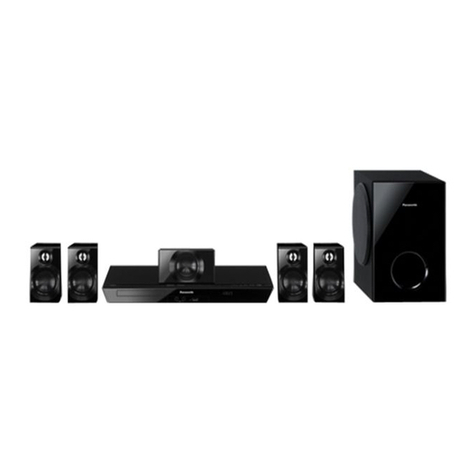
  9. Panasonic SA-HT840EB User manual

Panasonic SA-HT840EB User manual

Other Panasonic Home Theater System manuals

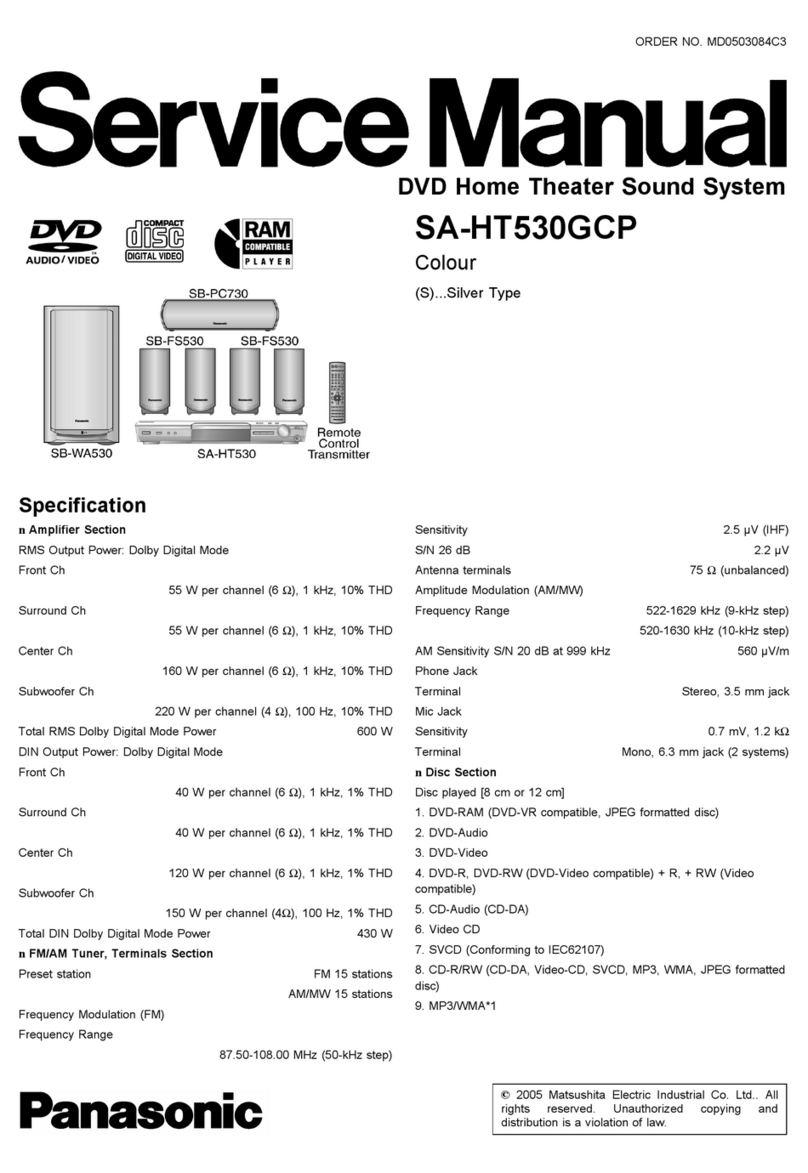
Panasonic SA-HT640WPL User manual

Panasonic

Panasonic SA-HT640WPL User manual

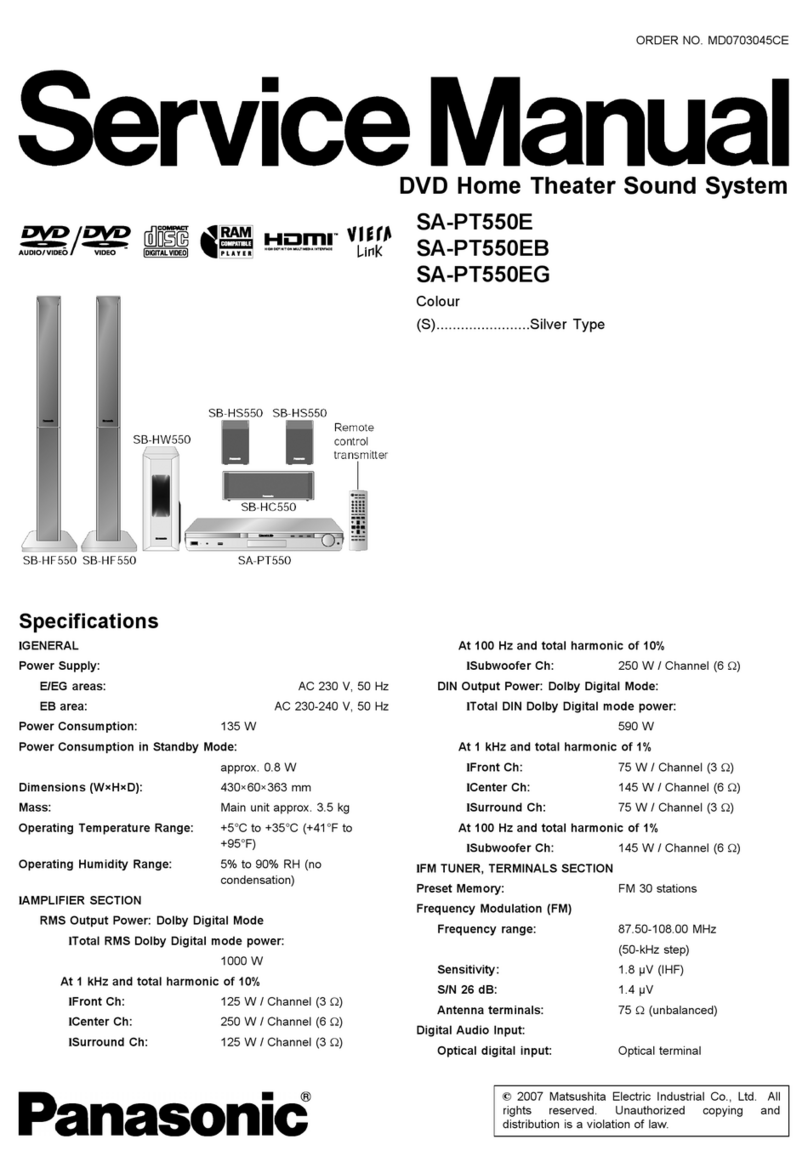
Panasonic SA-HT543EE User manual

Panasonic

Panasonic SA-HT543EE User manual

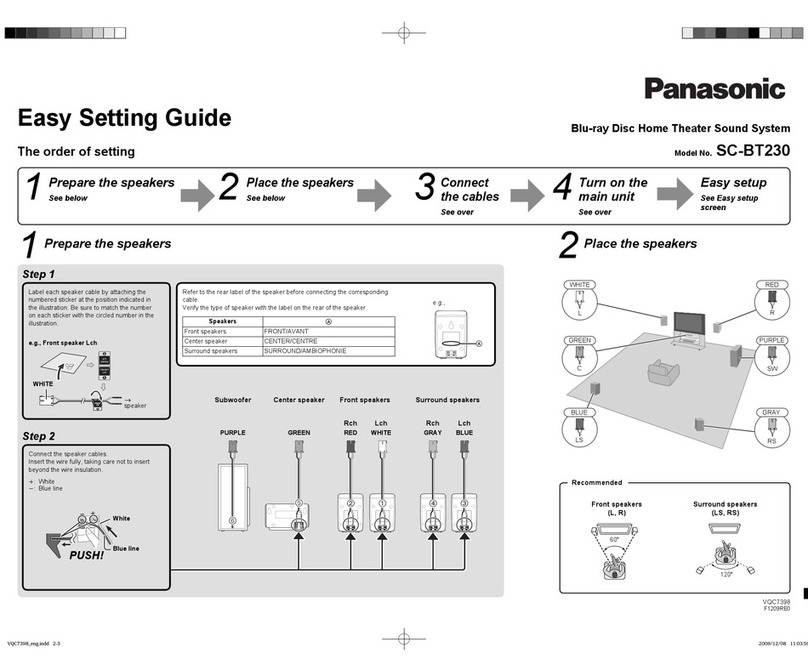
Panasonic SCBT228 - BLU-RAY HOME THEATER-EASY User instructions

Panasonic

Panasonic SCBT228 - BLU-RAY HOME THEATER-EASY User instructions

Panasonic SC-PT 250 User manual

Panasonic

Panasonic SC-PT 250 User manual

Panasonic SC-PT665 - 1000W 5 DVD Large Speaker Home Theater... User manual

Panasonic

Panasonic SC-PT665 - 1000W 5 DVD Large Speaker Home Theater... User manual

Panasonic SCPT750 - DVD HOME THEATER SOUND SYSTEM User manual

Panasonic

Panasonic SCPT750 - DVD HOME THEATER SOUND SYSTEM User manual

Panasonic SC-BTT370 User manual

Panasonic

Panasonic SC-BTT370 User manual

Panasonic SA-PT160E User manual

Panasonic

Panasonic SA-PT160E User manual

Panasonic SA-BTT785GN User manual

Panasonic

Panasonic SA-BTT785GN User manual

Panasonic SA-HT840GC User manual

Panasonic

Panasonic SA-HT840GC User manual

Panasonic SCHTB10 - HOME THEATER AUDIO SYSTEM User manual

Panasonic

Panasonic SCHTB10 - HOME THEATER AUDIO SYSTEM User manual

Panasonic SC-PTX7 User manual

Panasonic

Panasonic SC-PTX7 User manual

Panasonic SC-HT25R User manual

Panasonic

Panasonic SC-HT25R User manual

Panasonic sc-pt150 User manual

Panasonic

Panasonic sc-pt150 User manual

Panasonic SA-PT875GA User manual

Panasonic

Panasonic SA-PT875GA User manual

Panasonic SC-XH70 User manual

Panasonic

Panasonic SC-XH70 User manual

Panasonic SA-BT300PX User manual

Panasonic

Panasonic SA-BT300PX User manual

Panasonic SCZT2 - HOME THEATER AUDO SYSTEM User manual

Panasonic

Panasonic SCZT2 - HOME THEATER AUDO SYSTEM User manual

Panasonic SCBT230 - BLU RAY HOME THEATER SYSTEM User instructions

Panasonic

Panasonic SCBT230 - BLU RAY HOME THEATER SYSTEM User instructions

Panasonic SCHT07 - RECEIVER W/5 DISK DV User manual

Panasonic

Panasonic SCHT07 - RECEIVER W/5 DISK DV User manual

Panasonic SC-HT520 User manual

Panasonic

Panasonic SC-HT520 User manual

Panasonic SA-XH50P User manual

Panasonic

Panasonic SA-XH50P User manual

Panasonic SC-BTT466 User manual

Panasonic

Panasonic SC-BTT466 User manual

Panasonic SC-PTX7 User manual

Panasonic

Panasonic SC-PTX7 User manual

Popular Home Theater System manuals by other brands

Samsung HT-DL200 instruction manual

Samsung

Samsung HT-DL200 instruction manual

Samsung HT-ES6600 user manual

Samsung

Samsung HT-ES6600 user manual

Curtis DVD6010 instruction manual

Curtis

Curtis DVD6010 instruction manual

Philips MCD716/12 user manual

Philips

Philips MCD716/12 user manual

Sherwood ST-4108 operating instructions

Sherwood

Sherwood ST-4108 operating instructions

Philips HTS5520/12 quick start

Philips

Philips HTS5520/12 quick start

Sony BDV-T57 Notices and Licences

Sony

Sony BDV-T57 Notices and Licences

LG HT503PHW owner's manual

LG

LG HT503PHW owner's manual

Samsung HT-ES4200K user manual

Samsung

Samsung HT-ES4200K user manual

Samsung HT-P10 instruction manual

Samsung

Samsung HT-P10 instruction manual

Philips HTS5131 User manaul

Philips

Philips HTS5131 User manaul

Goodmans GDVD19SWS user manual

Goodmans

Goodmans GDVD19SWS user manual

Moxi media center user guide

Moxi

Moxi media center user guide

Samsung HT-EM35 user manual

Samsung

Samsung HT-EM35 user manual

Sony BDV-N990W installation guide

Sony

Sony BDV-N990W installation guide

Manta GK-500 user manual

Manta

Manta GK-500 user manual

Sharp SBW800 user manual

Sharp

Sharp SBW800 user manual

Philips HTS3541 user manual

Philips

Philips HTS3541 user manual

manuals.online logo
manuals.online logoBrands
  • About & Mission
  • Contact us
  • Privacy Policy
  • Terms and Conditions

Copyright 2025 Manuals.Online. All Rights Reserved.

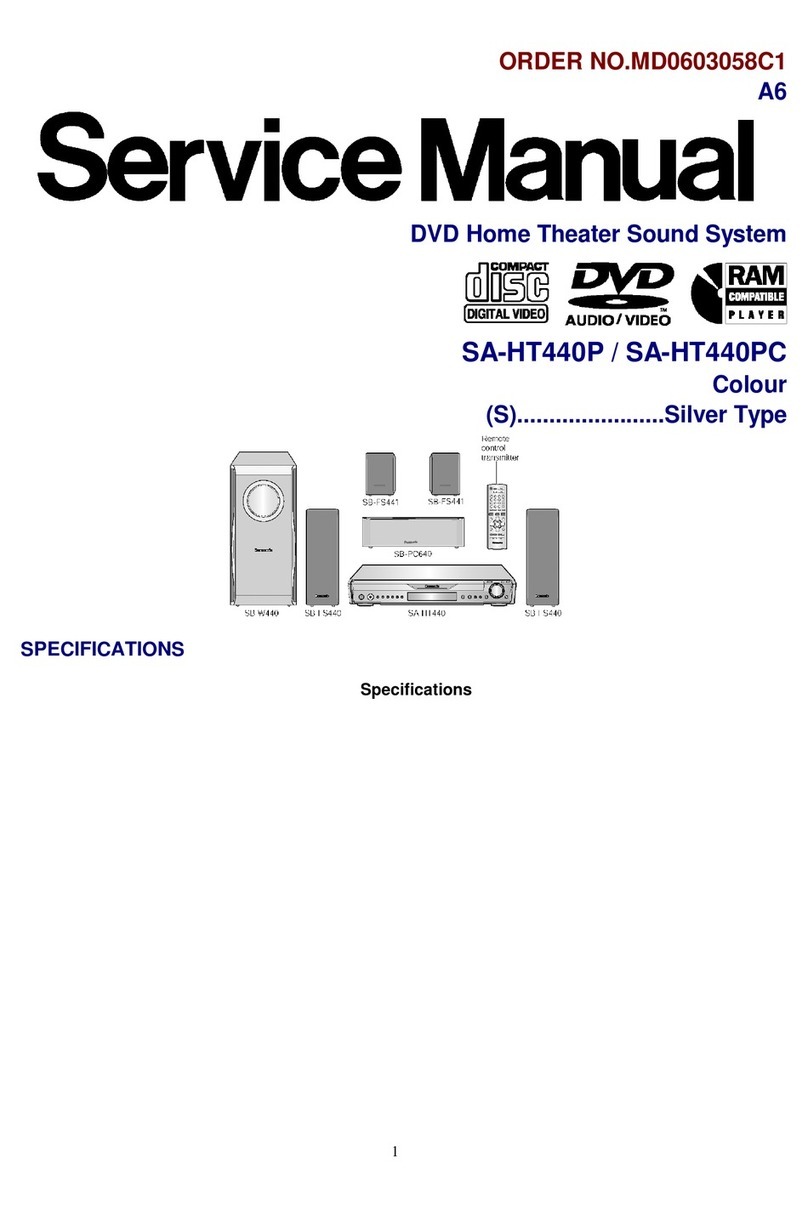
ORDERNO.MD0502026C2
DVDHome Theater Sound System
SA-HT840EB
Colour
(S).......................Silver Type
General
Power Source:
AC 230-240 V, 50 Hz
Power consumption: 25 W
Dimensions(W×H×D): 430×60×348.3mm
Mass: 2.7kg
Amplifier section
RMS Output Power: DolbyDigital Mode
Total RMS Dolby
Digital
modePower:
800 W
At 1kHz and total harmonicof 10%
Front: 70 W/ Channel (4 )
Center: 260 W/ Channel (4 )
Surround: 70 W/ Channel (4 )
At 100Hz and total harmonicof 10%
Activesubwoofers: 260 W/ Channel (4 )
DIN Output Power: DolbyDigital Mode:
Total DIN DolbyDigital modePower:
515 W
At 1kHz and total harmonicof 1%
Front: 45 W/ Channel (4 )
Center: 165 W/ Channel (4 )
Surround: 50 W/ Channel (4 )
At 100Hz and total harmonicof 1%
Subwoofer: 160 W/ Channel (4 )
FM tuner section
FrequencyRange: 87.5-108.0MHz
(50kHz instep)
Sensitivity: 1.5 V (IHF)
S/N 26dB 1.2 V
AntennaTerminal: 75 (non balance)
AM tuner section (AM/MW)
FrequencyRange: 522-1629kHz (9kHz instep)
AM SensitivityS/N 20dB at
999kHz:
560 V/m
PhoneJack:
Terminal: Stereo3.5mm jack
Disc section
Discs played[8cm or12 cm]:
(1)DVD-RAM (DVD-VR compatible, JPEG formatteddiscs)
(2)DVD-Audio
(3)DVD-Video
(4)DVD-R, DVD-RW(DVD-Videocompatible)
+R, +RW(Videocompatible)
2
PDFcreated withpdfFactoryProtrialversion www.pdffactory.com
(5)CD-Audio(CD-DA)
(6)VideoCD
(7)SVCD (Conforming toIEC62107)
(8)CD-R/CD-RW(CD-DA, Video-CD, SVCD, MP3, WMA,
JPEG formatteddiscs)
(9)MP3/WMA
Maximumnumber of recognizableaudioand picture
contentsand groups:
4000 audioand picture
contentsand 400 groups
Compatiblecompression rate:
MP3: between32 kbpsand 320 kbps
WMA: between48 kbpsand 320 kbps
(10)JPEG
Maximumnumber of recognizableaudioand picture
contentsand groups:
4000 audioand picture
contentsand 400 groups
Exif Ver 2.1JPEG Baselinefiles
Picture resolution: between320 x240 and 6144 x
4096 pixels(sub sampling is4:2:2or4:2:0)
(11)HighMATLevel 2(Audioand lmage)
Pick up:
Source of light beam: SemiconductorLaser
Wavelength:
CD: 785nm
DVD: 662nm
Laser power: CLASS 2/ CLASS 3A
Audiooutput (DISC):
Number of channels: 5.1ch(FL, FR, C, SL, SR,
SW)
Audioperformance (measuredat LINE OUTterminal):
Frequencyresponse:
DVD (linear audio): 10 Hz-22 kHz (48 kHz
sampling)
10 Hz-44 kHz (96 kHz
sampling)
DVD-Audio: 10 Hz-88 kHz (192 kHz
sampling)
CD-Audio: 10 Hz-20 kHz
S/N ratio:
CD-Audio: 95 dB
Dynamicrange:
DVD (linear audio): 95 dB
CD-Audio: 93 dB
Total harmonicdistortion:
CD-Audio: 0.005 %
Videosection
Videosystem:
3
PDFcreated withpdfFactoryProtrialversion www.pdffactory.com
Signal system: PAL625/50, PAL525/60,
NTSC
Compositevideooutput:
Output level: 1Vp-p(75 )
Terminal: Pinjack (1system)
Scart jack (1system)
S-videooutput:
Y output level: 1Vp-p(75 )
C output level: PAL; 0.3Vp-p(75 )
NTSC; 0.286 Vp-p(75 )
Terminal S terminal (1system)
Scart jack (1system)
Component videooutput (480P/480I):
Y output level: 1Vp-p(75 )
PBoutput level: 0.7Vp-p(75 )
PRoutput level: 0.7Vp-p(75 )
Terminal: Pinjack (Y: green, PB: blue,
PR: red) (1system)
RGB videooutput:
R output level: 0.7Vp-p(75 )
G output level: 0.7Vp-p(75 )
B output level: 0.7Vp-p(75 )
Terminal: Scart jack (1system)
Power consumption instandbymode:
approx0.7W
Note:
1. Specificationsare subject tochangewithout notice.
Mass and dimensionsare approximate.
2. Total harmonicdistortion ismeasuredbythedigital
spectrumanalyzer.
Solder:
Thismodel uses leadfree solder (PbF).
4
PDFcreated withpdfFactoryProtrialversion www.pdffactory.com
2005 PanasonicAVCNetworks Singapore Pte. Ltd. All rights
reserved. Unauthorized copying and distribution isaviolation of
law.
1. Use of Active Subwoofer
1.1. Checking Player when Active Subwoofer isnot used
1. Thisunituses the active subwoofer to supplythe power of the
component, and the active subwoofer shouldbe connected to the
5
PDFcreated withpdfFactoryProtrialversion www.pdffactory.com
component to check operational conditions of the component.
2. Ifthe active subwoofer isnot availabledue to repairof the unit,
use the following equipment.
Jigproduct number: RFKZ0182 (110V, 127V, 220V, 230V-240V for
overseas domesticuse)
2. Safety Precautions
2.1. GENERALGUIDELINES
1. When servicing, observe the original lead dress. Ifashort circuit
isfound, replace all parts which have been overheated or
damaged bythe short circuit.
2. After servicing, see to itthat all the protective devices such as
insulation barriers, insulation papers shields are properly
installed.
6
PDFcreated withpdfFactoryProtrialversion www.pdffactory.com
3. After servicing, carryout the following leakage current checks to
prevent the customer from being exposed to shock hazards.
2.1.1. LEAKAGE CURRENTCOLD CHECK
1. Unplug the AC cord and connect ajumper between the two
prongs on the plug.
2. Measure the resistance value, with an ohmmeter, between the
jumpered AC plug and each exposed metalliccabinet part on the
equipment such as screwheads, connectors, control shafts, etc.
When the exposed metallicpart has areturn path to the chassis,
the reading shouldbe between 1M and 5.2M . / When the
exposed metal does not have areturn path to the chassis, the
reading must be . Figure 1
2.1.2. LEAKAGE CURRENTHOTCHECK (See Figure 1 .)
1. Plug the AC cord directlyinto the AC outlet. Donot use an
isolation transformer for thischeck.
2. Connect a1.5k , 10 watts resistor, inparallel with a0.15 F
capacitors, between each exposed metallicpart on the set and a
good earth ground such as awater pipe, as shownin Figure 1.
3. Use an AC voltmeter, with 1000 ohms/voltor more sensitivity, to
measure the potential across the resistor.
4. Check each exposed metallicpart, and measure the voltage at
each point.
5. Reverse the AC plug inthe AC outlet and repeat each of the above
measurements.
6. The potential at anypoint shouldnot exceed 0.75 volts RMS. A
7
PDFcreated withpdfFactoryProtrialversion www.pdffactory.com
leakage current tester (Simpson Model 229 or equivalent) maybe
used to make the hot checks, leakage current must not exceed 1/2
milliamp. Incase ameasurement isoutside of the limits specified,
there isapossibilityof ashock hazard, and the equipment should
be repaired and rechecked before itisreturned to the customer.
3. Prevention of Electro Static Discharge (ESD) to
Electrostatically Sensitive (ES) Devices
Some semiconductor(solidstate) devices canbe damagedeasilybystatic electricity. Such
components commonlyare calledElectrostaticallySensitive (ES) Devices. Examples of typical
ES devices are integratedcircuits and some field-effect transistors and semiconductor"chip"
components. The following techniques shouldbe usedtohelpreduce the incidence of
component damage causedbyelectrostatic discharge (ESD).
1. Immediatelybefore handling anysemiconductor component or
semiconductor-equipped assembly, drainoff anyESDon your
bodybytouching aknownearth ground. Alternatively, obtainand
wear acommerciallyavailabledischarging ESDwrist strap, which
shouldbe removed for potential shock reasons prior to applying
power to the unitunder test.
2. After removing an electrical assemblyequipped with ES devices,
place the assemblyon aconductive surface such as aluminum
foil, to prevent electrostaticcharge buildup or exposure of the
assembly.
3. Use onlyagrounded-tipsoldering iron to solder or unsolder ES
devices.
4. Use onlyan anti-staticsolder removal device. Some solder
removal devices not classified as "anti-static(ESDprotected)"
can generate electrical charge sufficient to damage ES devices.
5. Donot use freon-propelled chemicals. These can generate
electrical charges sufficient to damage ES devices.
6. Donot remove areplacement ES device from its protective
package until immediatelybefore you are readyto install it. (Most
replacement ES devices are packaged with leads electrically
shorted together byconductive foam, aluminum foil or
comparableconductive material).
7. Immediatelybefore removing the protective material from the
8
PDFcreated withpdfFactoryProtrialversion www.pdffactory.com

leads of areplacement ES device, touch the protective material to
the chassisor circuitassemblyinto which the device will be
installed.
Caution
Besure no power isapplied to the chassisor circuit, and observe
all other safetyprecautions.
8. Minimize bodilymotions when handling unpackaged replacement
ES devices. (Otherwise harmless motion such as the brushing
together of your clothes fabricor the lifting of your foot from a
carpeted floor can generate staticelectricity(ESD)sufficient to
damage an ES device).
4. Before Repair and Adjustment (Using Active
Subwoofer)
Disconnect AC power, discharge PowerSupplyCapacitors C546~C549 through a 10 , 10 W
resistortoground.
DO NOTSHORT-CIRCUITDIRECTLY (witha screwdriverblade, forinstance), as this may
destroysolidstate devices.
Afterrepairs are completed, restore powergraduallyusing a variac, toavoidovercurrent.
Current consumption at AC 230 V, 50 Hz inNO SIGNALmode shouldbe ~ 620 mA.
5. Protection Circuitry
The protection circuitrymayhave operatedif eitherof the following conditions are noticed:
-Nosound isheard when the power isturned on.
-Sound stops during aperformance.
The function of this circuitryis toprevent circuitrydamage if, forexample, the positive and
negative speakerconnection wires are
“shorted”, orif speakersystems withanimpedance less thanthe indicatedratedimpedance of
the amplifierare used.
If this occurs, followthe procedure outlines below:
1. Turn off the power.
2. Determine the cause of the problem and correct it.
3. Turn on the power once againafter one minute.
Note:
Whenthe protection circuitryfunctions, the unit will not operate unless the poweris first turned
off and thenon again.
9
PDFcreated withpdfFactoryProtrialversion www.pdffactory.com
6. Precaution of Laser Diode
ON :
Thisproduct utilizers aclass 1laser. Invisiblelaser radiation is
emitted from the optical pick up lens.
When the unitisturned on:
Wavelength :662nm(DVD)/785nm(CD)
Maximum output radiation power from pick up :100 W/VDE

Laser radiation from pick up unitissafetylevel, but be sure the
followings:
1. Donot disassemblethe optical pick up unit, since radiation from
exposed laser diode isdangerous.
2. Donot adjust the variableresistor on the pick up unit. Itwas
alreadyadjusted.
3. Donot look at the focus lens using optical instruments.
4. Recommend not to look at pick up lens for along time.
7. About Lead Free Solder (PbF)
Distinction of PbF PCB: PCBs (manufactured) using leadfree solderwill have a Pbf stampon
the PCB.
Caution:
-Pb free solder has ahigher melting point than standard solder;
Typicallythe melting point is50 -70°F (30 -40°C)higher. Please
use ahigh temperature soldering iron. Incase of the soldering
iron with temperature control, please set itto 700 ± 20°F (370 ±
10°C).
10
PDFcreated withpdfFactoryProtrialversion www.pdffactory.com