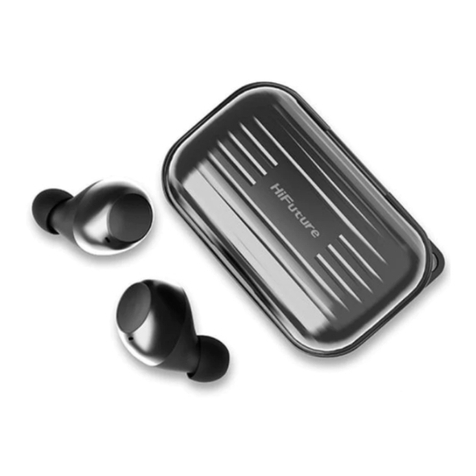
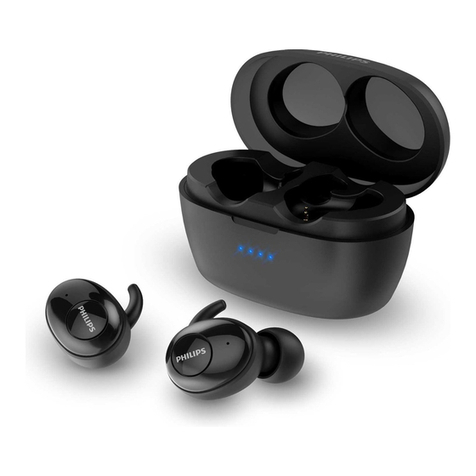
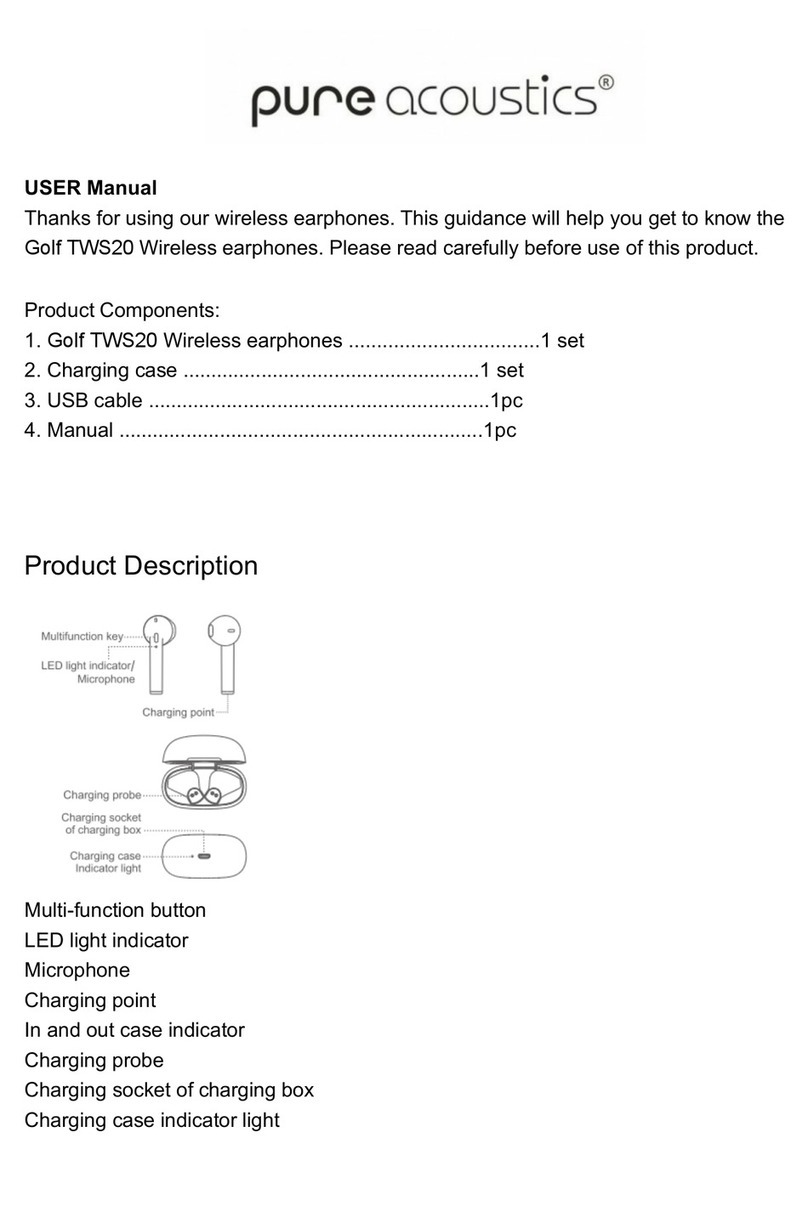
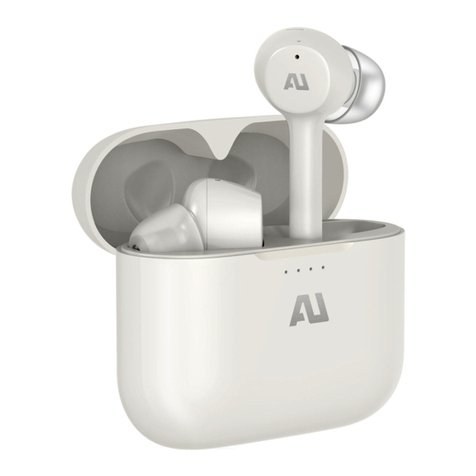
④【Micro USB Charging Port] , Power input jack, can use the native USB cable connect to the
computer USB interface for charging,or use a mobile phone charger to charge
Bluetooth pairingOperation Method:
Long press the call key 3 seconds to boot, the blue light flashing, it is the state of the Bluetooth
pairing. At this time search the corresponding Bluetooth device name on the phone, click the
device name on the mobile phone for the Bluetooth pairing, hear ‘’Conneet successfully’’ means
the parnng is successful, the blue light flash twice every five seconds
Charging Method of Use:
Insert the end of the charging cable to native V3 USB socket, the other end of the USB plug into
the PC USB port, or connect to the standard 5 v charger interface, the indicator light turns red
when charging, the red light wrll extinguish when full of
Low Battery:
When there was a low voltage power, the machine will prompt “Low battery, please charge”,
and then will automatically shut down, please recharge in time at this time. If it is not to be used
for a Iong time, charging one time every month at least, it can protect the battery and extend
battery life
Auto Power off Function:
If not connected Bluetooth and without any operation, this machine will automatically turn off
after eight nnnutes
Product performance parameters:
1. Charging voltage Micro USB 5V
2. Working current 25-40mA
3. Bluetooth Working range 10M
4. Output power 2x20mW
5. Frequency range 2.401-2.480GHz
6. Distortion factor ≤1%
7. SNR ≥95dB
8. Frequency response 20Hz-20KHz
9. Normal Working Trme Music state 4hour
I 0. Charging Trme About 2 hour
FCC Warning:
This equipment has been tested and found to comply with the limits for a
Class B digital device, pursuant to part 15 of the FCC Rules. These limits are
designed to provide reasonable protection against harmful interference in a
residential installation. This equipment generates, uses and can radiate radio
frequency energy and, if not installed and used in accordance with the
instructions, may cause harmful interference to radio communications.
However, there is no guarantee that interference will not occur in a particular
installation. If this equipment does cause harmful interference to radio or
television reception, which can be determined by turning the equipment off
and on, the user is encouraged to try to correct the interference by one or
more of the following measures: