2.4 Use of cable ducts
Great care must be taken when routing cables and protective hoses in cable ducts.
Additional measures see chapter 2.1 General information, page 5:
►Choose cable ducts with a length that ensures that the routed cables are never subjected to tensile or
compressive strain.
►There must be no plug connections in the area of the cable duct. Secure the plug connections with
clamps
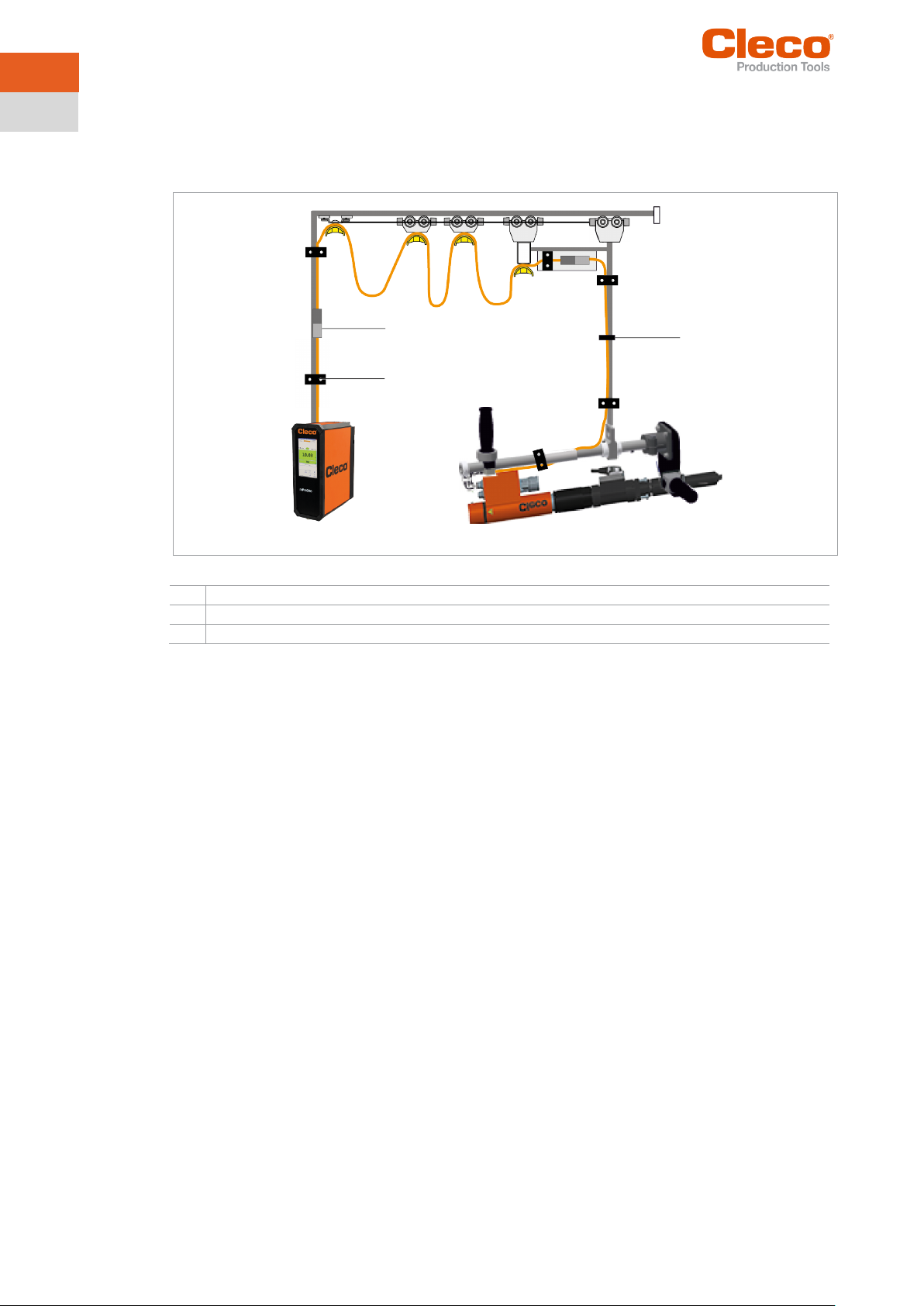
Fig. 2-3: Example of the use of cable ducts
►All edges in the cable duct must have a radius to protect the cables against rubbing, overstressing and
pinching.
►Route cables such that they are free of torsion. Prior to installation, lay the cables on an even surface
so that they can be inserted while stretched out.
►Cables must be able to follow the radius of curvature without being forced around it.
►Do not cross cables or hoses in the cable duct.
►Do not bundle cables; if possible route them individually in the cable duct, loosely adjacent to each
other. Route a maximum of two cables per partition.
►Separate cables lying adjacent to each other using cut-off bridges whenever possible.
►For vertical routing, allow approx. 20% clearance within the bridge height. The lines hang out down-
ward due to the cable weight, including the chain. This lengthening due to sagging must be monitored
at regular intervals and adjusted if necessary.
►Never lay cables with different diameters (difference > 3 mm) together in the same partition.
►Avoid pinching individual wires or subcomponents. We recommend applying a clamping force around
the entire circumference of the cable.
►After installing cables, run a number of motion cycles and optimize the routing as necessary.
2.5 Cable routing, transducer cable
►With a Velcro strip,see chapter 4 Auxiliaries, page 13 fasten the transducer cable tightly to the fixtured
spindle.
Velcro strip length
Velcro strip length