manuals.online logo
Brands
  1. Home
  2. •
  3. Brands
  4. •
  5. Audiovox
  6. •
  7. LCD TV
  8. •
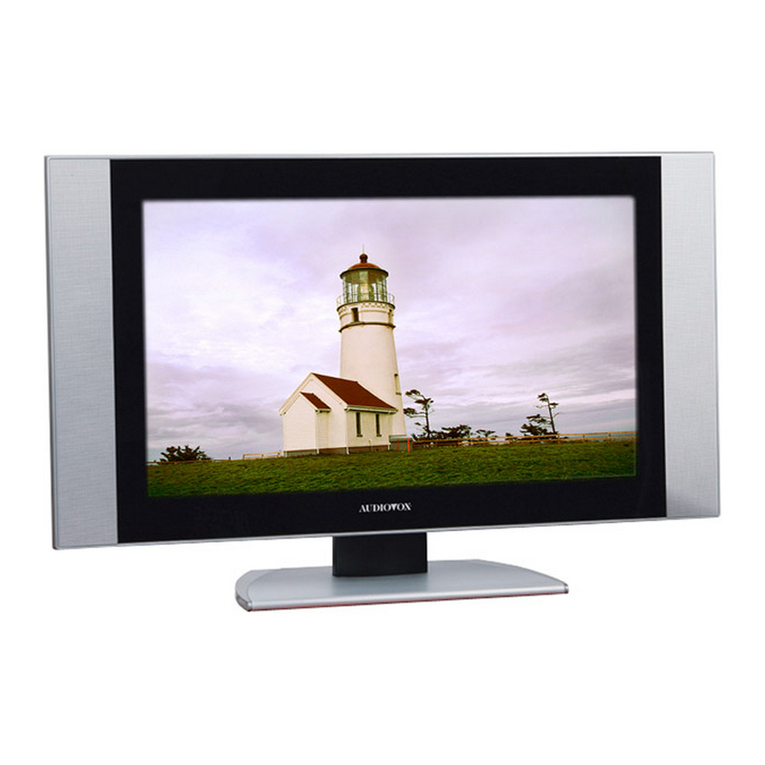
  9. Audiovox FPE3207 - 32" LCD TV User manual

Audiovox FPE3207 - 32" LCD TV User manual

Other Audiovox LCD TV manuals

Audiovox FPE2006DV - 20" LCD TV User manual

Audiovox

Audiovox FPE2006DV - 20" LCD TV User manual

Audiovox D1210 User manual

Audiovox

Audiovox D1210 User manual

Audiovox FPE1505DV - LCD TV With Built-in Progressive Scan DVD... User manual

Audiovox

Audiovox FPE1505DV - LCD TV With Built-in Progressive Scan DVD... User manual

Audiovox FP1500 - annexe 1 User manual

Audiovox

Audiovox FP1500 - annexe 1 User manual

Audiovox LCD1900 B User manual

Audiovox

Audiovox LCD1900 B User manual

Audiovox FPE3000 User manual

Audiovox

Audiovox FPE3000 User manual

Audiovox FPE2705 User manual

Audiovox

Audiovox FPE2705 User manual

Audiovox FPE2006 User manual

Audiovox

Audiovox FPE2006 User manual

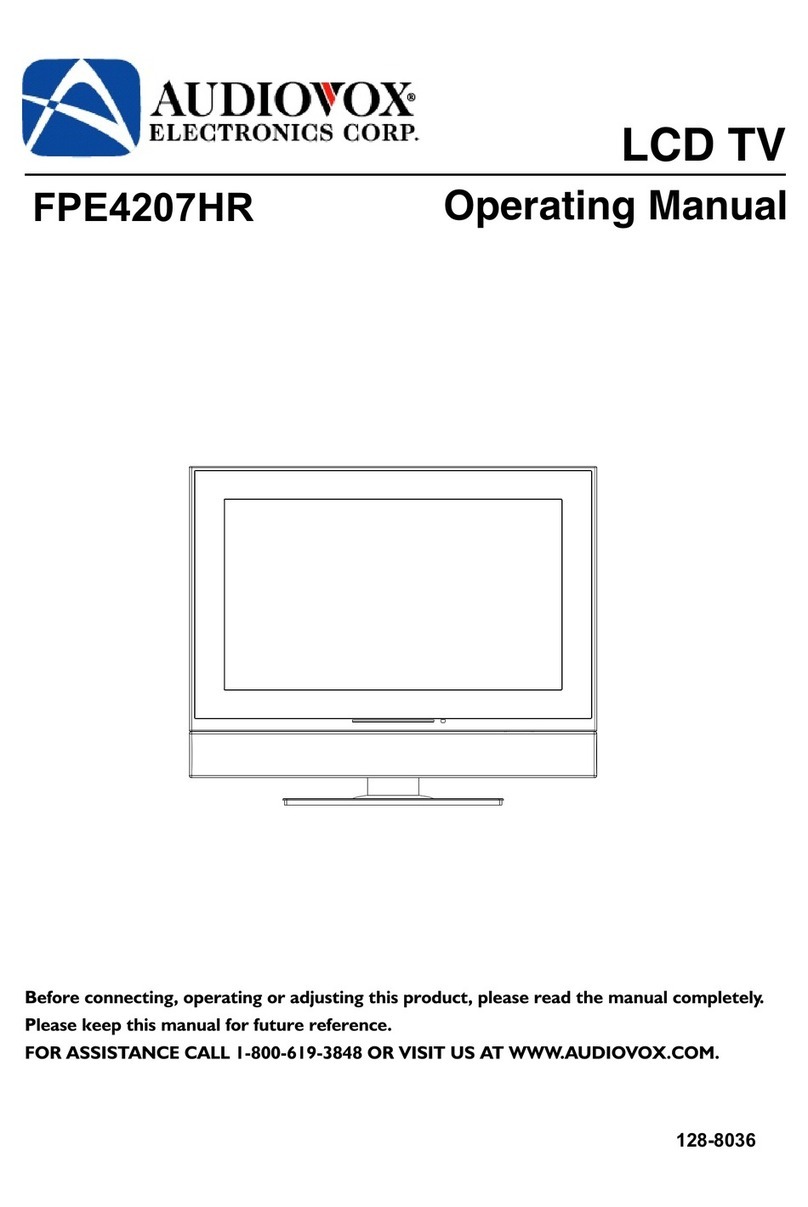
Audiovox FPE4207HR - 42" LCD TV User manual

Audiovox

Audiovox FPE4207HR - 42" LCD TV User manual

Audiovox FPE1506 User manual

Audiovox

Audiovox FPE1506 User manual

Audiovox FPE1909DVDC User manual

Audiovox

Audiovox FPE1909DVDC User manual

Audiovox D1210 User manual

Audiovox

Audiovox D1210 User manual

Audiovox D1210 User manual

Audiovox

Audiovox D1210 User manual

Audiovox FPE2706 User manual

Audiovox

Audiovox FPE2706 User manual

Audiovox FPE1505 User manual

Audiovox

Audiovox FPE1505 User manual

Audiovox FPE2305 - 23" LCD TV User manual

Audiovox

Audiovox FPE2305 - 23" LCD TV User manual

Audiovox FPE2706 User manual

Audiovox

Audiovox FPE2706 User manual

Audiovox D1210 User manual

Audiovox

Audiovox D1210 User manual

Audiovox FPE1506 User manual

Audiovox

Audiovox FPE1506 User manual

Audiovox D1210 User manual

Audiovox

Audiovox D1210 User manual

Audiovox FPE1506DV User manual

Audiovox

Audiovox FPE1506DV User manual

Audiovox FPE4216P User manual

Audiovox

Audiovox FPE4216P User manual

Audiovox LCM0681TV User manual

Audiovox

Audiovox LCM0681TV User manual

Audiovox D1210 User manual

Audiovox

Audiovox D1210 User manual

Popular LCD TV manuals by other brands

Samsung LA32E420 E-manual

Samsung

Samsung LA32E420 E-manual

ViewSonic VS12119-1M user guide

ViewSonic

ViewSonic VS12119-1M user guide

iLO CIWL3706 owner's manual

iLO

iLO CIWL3706 owner's manual

LG 32LT560C Quick reference guide

LG

LG 32LT560C Quick reference guide

Sony WEGA KLV-27HR3 operating instructions

Sony

Sony WEGA KLV-27HR3 operating instructions

Zenith Z32LC2D Specifications

Zenith

Zenith Z32LC2D Specifications

Sony KDL-32S3000R - 32" Class Bravia S-series Digital Lcd... Specifications

Sony

Sony KDL-32S3000R - 32" Class Bravia S-series Digital Lcd... Specifications

Medion MEDION LIFE X14330 quick start guide

Medion

Medion MEDION LIFE X14330 quick start guide

Vizio HDTV30A VW32L Service manual

Vizio

Vizio HDTV30A VW32L Service manual

Sharp LC-24DV250K Operation manual

Sharp

Sharp LC-24DV250K Operation manual

SOYO Dymond DYLT032A user manual

SOYO

SOYO Dymond DYLT032A user manual

Kalley K-LED40FHDST2 Service manual

Kalley

Kalley K-LED40FHDST2 Service manual

Dynex DX-L40-10A Guide de l'utilisateur

Dynex

Dynex DX-L40-10A Guide de l'utilisateur

Hisense M3300 user manual

Hisense

Hisense M3300 user manual

Toshiba 42XV600A owner's manual

Toshiba

Toshiba 42XV600A owner's manual

Panasonic TX-26LX1A operating instructions

Panasonic

Panasonic TX-26LX1A operating instructions

HP LT3200 Illustrated parts & service map

HP

HP LT3200 Illustrated parts & service map

Sharp LC-32GA8 Service manual

Sharp

Sharp LC-32GA8 Service manual

manuals.online logo
manuals.online logoBrands
  • About & Mission
  • Contact us
  • Privacy Policy
  • Terms and Conditions

Copyright 2025 Manuals.Online. All Rights Reserved.

Before connecting, operating or adjusting this product, please read the manual completely. Please
keep this manual for future reference.
The illustrations and on-screen displays in this operation manual are for explanation purposes and may
vary slightly from the actual operations.
Menu items that are not selectable are grayed out.
FOR ASSISTANCE CALL 1-800-619-3848 OR VISIT US AT WWW.AUDIOVOX.COM.
LCD Color TV
with ATSC Tuner
Operating Manual
FPE3207
128-7616
1) Read these instructions.
2) Keep these instructions.
3) Heed all warnings.
4) Follow all instructions.
5) Do not use this apparatus near water. Apparatus shall
not be exposed to dripping or splashing and no
objects filled with liquids, such as vases, shall be
placed on the apparatus.
6) Clean only with dry cloth.
7) Do not block any ventilation openings. Install in
accordance with the manufacturer's instructions.
8) Do not install near any heat sources such
as radiators, heat registers, stoves, or
other apparatus (including amplifiers)
that produce heat.
9) Do not defeat the safety purpose of the polarized or
grounding-type plug. A polarized plug has two
blades with one wider than the other. A grounding
type plug has two blades and a third grounding
prong. The wide blade or the third prong are
provided for your safety. If the provided plug does
not fit into your outlet, consult an electrician for
replacement of the obsolete outlet.
10) Protect the power cord from being walked on or
pinched particularly at plugs, convenience
receptacles, and the point where they exit from the
apparatus.
Note: where the mains plug or an appliance coupler
is used as the disconnect device, the disconnect
device shall remain readily operable.
11) Only use attachments/accessories specified by the
manufacturer.
12) Use only with the cart, stand, tripod,
bracket, or table specified by the
manufacturer, or sold with the
apparatus.
When a cart is used, use caution when moving the
cart/apparatus combination to avoid injury from
tip-over.
13) Unplug this apparatus during lightning storms or
when unused for long periods of time.
14) Refer all servicing to qualified service personnel.
Servicing is required when the apparatus has been
damaged in any way, such as power-supply cord or
plug is damaged, liquid has been spilled or objects
have fallen into the apparatus, the apparatus has
been exposed to rain or moisture, does not operate
normally, or has been dropped.
WARNING
To reduce the risk of fire or electric shock, do not expose
this apparatus to rain or moisture.
This symbol is intended to alert the user to the
presence of uninsulated "dangerous voltage"
within the product's enclosure that may be of
sufficient magnitude to constitute a risk of
electric shock to persons.
RISK OF ELECTRIC SHOCK
DO NOT OPEN
CAUTION
CAUTION-To reduce the risk of electric shock, do not
perform any servicing other than that
contained in the operating instructions unless
you are qualified to do so.
This product utilizes tin-lead solder, and fluorescent lamp
containing a small amount of mercury. Disposal of these
materials may be regulated due to environmental
considerations. For disposal or recycling information,
please contact your local authorities or the Electronic
Industries Alliance: www.eia.org
FCC STATEMENT
This equipment has been tested and found to comply
with the limits for a Class B digital device, pursuant to part
15 of the FCC Rules. These limits are designed to
provide reasonable protection against harmful
interference when the equipment is operated in a
commercial environment.
This equipment generates, uses, and can radiate radio
frequency energy and, if not installed and used in
accordance with the instruction manual, may cause
harmful interference to radio communications. Operation
of this equipment in a residential area is likely to cause
harmful interference in which case the user will be
required to correct the interference at his own expense.
FCC CAUTION:
Pursuant to 47CFR, Part 15.21 of the FCC rules, any
changes or modifications to this monitor not
expressly approved by the manufacturer could
cause harmful interference and would void the
user's authority to operate this device.
This is a CLASS B product. In a domestic
environment this product may cause radio
interference in which case the user may be
required to take adequate measures to
counter interference.
Important Information
This symbol is intended to alert the user to the
presence of important operating and
maintenance (servicing) instructions in the
literature accompanying the appliance.
WARNING:
IMPORTANT SAFETY INSTRUCTIONS
1
Important Safeguards
Before using your TV, please read these instructions
completely, and keep this manual for future reference.
Carefully observe and comply with all warnings,
cautions and instructions placed on the unit or
described in the operating instructions or service
manual.
WARNING
To guard against injury, the following basic safety precautions
should be observed in the installation, use and servicing of the
unit.
Power Sources
This unit should be operated only from the type of power
source indicated on the information label.
If you are not sure of the type of electrical power supplied to
your home, consult your dealer or local power company.
Grounding or Polarization
This unit is equipped with a polarized AC power cord plug (a
plug having one blade wider than the other), or with a three-
wire grounding type plug (a plug having a third pin for
grounding). Follow the instructions below:
For the unit with a three-wire grounding
type AC power cord plug (Class 1 unit)
This unit must be connected to an AC power socket outlet with
a protective earthing connection.
For the unit with a polarized AC power cord plug
This plug will fit into the power outlet only one way.
This is a safety feature. If you are unable to insert
the plug fully into the outlet, try reversing the
plug.
If the plug still fails to fit, contact your electrician to have a
suitable outlet installed. Do not defeat the safety purpose of
the polarized plug by forcing it in.
Wall outlet
Do not use a poor fitting outlet.
Insert the plug fully into the outlet. If it is loose,
it may cause arcing and result in fire. Contact
your electrician to have the outlet changed.
Wiring
For your safety, unplug the AC power cord when wiring
cables.
Electric shock
Do not touch the AC power cord or the unit with a wet hand. If
you plug/unplug the AC power cord from the unit with a wet
hand, it may cause electric shock.
Never attempt to move the unit unless the AC power cord is
disconnected.
Cleaning
=Clean the AC power plug regularly.
=If the plug is covered with dust and it picks
up moisture, its insulation may deteriorate
and result in fire. Unplug the AC power
plug and clean it regularly.
=Unplug the AC power cord when cleaning this unit. If not, it
may result in electric shock.
=Clean the cabinet of the TV with a dry soft cloth. To remove
dust from the screen, wipe it gently with a soft cloth.
=Stubborn stains may be removed with a cloth slightly
dampened with a solution of mild soap and warm water.
Never use strong solvents such as thinner or benzine for
cleaning.
=If using a chemically pretreated cloth, please follow the
instruction provided on the package.
Overloading
Do not overload wall outlets, extension cords or convenience
receptacles beyond their capacity, since this can result in fire
or electric shock.
Power
Always turn the unit off when it is not being used.
When the unit is left unattended and unused for long periods
of time, unplug it from the wall outlet as a precaution against
the possibility of an internal malfunction that could create a fire
hazard.
Sound
If a snapping or popping sound from the TV is continuous or
frequent while the TV is operating, unplug the TV and consult
your dealer or service technician. It is normal for TV’s to make
occasional snapping or popping sounds, particularly when
being turned on or off.
AC Power Cord
If you damage the AC power cord, it may result in fire or
electric shock.
=Do not pinch, bend, or twist the cord excessively. The core
lines may be bared and cut, and cause short-circuit,
resulting in fire or electric shock.
=Do not convert or damage the AC power cord.
=Do not put anything heavy on the AC power cord. Do not
pull the AC power cord.
=Keep the AC power cord away from heat sources.
=Be sure to grasp the plug when disconnecting the AC
power cord. If the AC power cord is damaged, stop using it
and replace with a new one.
Ventilation
The slots and openings in the TV are provided for necessary
ventilation. To ensure reliable operation of the unit, and to
protect it from overheating, these slots and openings must
never be blocked or covered. Unless proper ventilation is
provided, the unit may gather dust and get dirty. For proper
ventilation, observe the following:
=Do not install the unit turned backward or sideways.
=Do not install the unit turned over or upside down.
=Never cover the slots and openings with a cloth or other
materials.
=Never block the slots and openings by placing the unit on a
bed, sofa, rug or other similar surface.
=Never place the unit in a confined space, such as a
bookcase or built-in cabinet, unless proper ventilation is
provided.
=Leave some space around the unit. Otherwise, adequate
air-circulation may be blocked causing overheating and
cause fire or damage the unit.
Heat sources
Do not install near any heat sources such as radiators, heat
registers, stoves, or other apparatus (including amplifiers)
that produce heat.
2
Important Safeguards
Do not use this apparatus near water
For example, near a bathtub, washbowl, kitchen sink, or
laundry tub, in a wet basement, or near a swimming pool, and
the like.
Do not use immediately after moving from a low temperature
to high temperature environment, as this causes
condensation, which may result in fire, electric shock, or other
hazards.
Apparatus shall not be exposed to dripping or splashing and
no objects filled with liquids, such as vases, shall be placed on
the apparatus.
Entering of objects and liquids
Never insert an object into the product through vents or
openings. High voltage flows in the product, and inserting an
object can cause electric shock and/or short internal parts.
For the same reason, do not spill water or liquid on the
product.
Lightning
Unplug this apparatus during lightning storms or when
unused for long periods of time.
For added protection for this television equipment during a
lightning storm, or when it is left unattended and unused for
long periods of time, unplug it from the wall outlet and
disconnect the antenna. This will prevent damage to the
equipment due to lightning and power-line surges.
Servicing
Refer all servicing to qualified service personnel. Servicing is
required when the apparatus has been damaged in any way,
such as power-supply cord or plug is damaged, liquid has
been spilled or objects have fallen into the apparatus, the
apparatus has been exposed to rain or moisture, does not
operate normally, or has been dropped.
Replacement parts
In case the product needs replacement parts, make sure that
the service person uses replacement parts specified by the
manufacturer, or those with the same characteristics and
performance as the original parts. Use of unauthorized parts
can result in fire, electric shock and/or other danger.
Attachments
Only use attachments/accessories specified by the
manufacturer. Do not use attachments not recommended by
the manufacturer. Use of improper attachments can result in
accidents.
If any of the following conditions occurs, unplug the power
cord from the AC outlet, and request a qualified service
person to perform repairs.
a. When the power cord or plug is damaged.
b. When a liquid is spilled on the product or when objects have
fallen into the product.
c. When the product has been exposed to rain or water.
d. When the product does not operate properly as described
in the operating instructions.
Do not touch the controls other than those described in the
operating instructions. Improper adjustment of controls not
described in the instructions can cause damage, which
often requires extensive adjustment work by a qualified
technician.
e. If the product has been dropped or the cabinet has been
damaged in any way.
f. When the product displays an abnormal condition or
exhibits a distinct change in performance. Any noticeable
abnormality in the product indicates that the product needs
servicing.
Damage requiring service
Safety checks
Upon completion of service or repair work, request the service
technician to perform safety checks to ensure that the product
is in proper operating condition.
Wall or ceiling mounting
When mounting the product on a wall or ceiling, be sure to
install the product according to the method recommended by
the manufacturer. This is a safety feature.
Panel protection
The panel used in this product is made of glass. Therefore, it
can break when the product is dropped or impacted upon by
other objects. Be careful not to be injured by broken glass
pieces in case the panel breaks.
Pixel defect
The panel is a very high technology product, giving you finely
detailed pictures. Occasionally, a few non-active pixels may
appear on the screen as a fixed point of blue, green or red.
Please note that this does not affect the performance of your
product.
Antennas
Outdoor Antenna Grounding
If an outdoor antenna is installed, follow the precautions
below. An outdoor antenna system should not be located in
the vicinity of overhead power lines or other electric light or
power circuits, or where it can come in contact with such
power lines or circuits.
WHEN INSTALLING AN OUTDOOR ANTENNA SYSTEM,
EXTREME CARE SHOULD BE TAKEN TO KEEP FROM
CONTACTING SUCH POWER LINES OR CIRCUITS AS
CONTACT WITH THEM IS ALMOST INVARIABLY FATAL.
Be sure the antenna system is grounded so as to provide
some protection against voltage surges and built-up static
charges.
Section 810 of the National Electrical Code (NEC) in USA and
Section 54 of the Canadian Electrical Code in Canada
provides information with respect to proper grounding of the
mast and supporting structure, grounding of the lead-in wire to
an antenna discharge unit, size of grounding conductors,
location of antenna discharge unit, connection to grounding
electrodes, and requirements for the grounding electrode.
Antenna Grounding According to the National
Electrical Code, ANSI/NFPA 70
Antenna lead-in wire
Antenna discharge unit
(NEC Section 810-20)
Grounding conductors
(NEC Section 810-21)
Ground clamps
Power service grounding
electrode system
(NEC Art 250 Part H)
Ground clamps
Electric service
equipment
NEC: National Electrical Code
3
WARNING: For continued safety, apparatus with class I
construction shall be connected to a mains socket outlet with
a protective earthing connection.

Table of Contents
4
Important Information ..............................................................................................................................1
Important Safeguards...............................................................................................................................2
Table of Contents......................................................................................................................................4
Introducing the TV ...................................................................................................................................6
Remove the TV from the Box............................................................................................................6
Installing the TV ................................................................................................................................6
Carrying or Moving the TV ................................................................................................................6
Attach the Speaker to the Display.....................................................................................................7
Remove the Stand ............................................................................................................................7
TV Controls and Connectors .........................................................................................................8
Control Panel ....................................................................................................................................8
Connectors........................................................................................................................................9
Connecting the TV....................................................................................................................................10
Basic Connections..........................................................................................................................10
Overview ...........................................................................................................................................10
Connecting Antenna System.............................................................................................................10
Connecting Cable System ................................................................................................................10
Connecting Cable Box ......................................................................................................................11
Connecting Digital Cable Box ...........................................................................................................11
Connecting Satellite Receiver...........................................................................................................12
Connecting Digital Satellite Receiver................................................................................................12
Introducing the Remote Control..............................................................................................................19
Insert Batteries into the Remote Control...........................................................................................19
Using the Remote Control.................................................................................................................19
Button Descriptions...........................................................................................................................20
Getting Start 22
Running Initial Setup.........................................................................................................................22
Setting a Secret Number...................................................................................................................23
Menu Navigation ...............................................................................................................................23
Watching TV ..............................................................................................................................................24
Turning On/Off .................................................................................................................................24
Introducing Channel Number ............................................................................................................24
Selecting Channels ...........................................................................................................................24
Adjusting Volume ..............................................................................................................................25
Using FREEZE button.......................................................................................................................25
Using ZOOM button ..........................................................................................................................25
Using External Equipment .............................................................................................................13
Introduction .......................................................................................................................................13
Equipment with HDMI Connection ....................................................................................................13
Equipment with DVI Connection .......................................................................................................14
Equipment with Coaxial Digital Audio ...............................................................................................14
Connecting a VCR for Playing Back .................................................................................................15
Connecting a VCR for Recording......................................................................................................15
Connecting a DVD Player with Component Video Connectors ........................................................16
Connecting a DVD Player with S-Video and Audio Connectors .......................................................16
Connecting a PC...............................................................................................................................17
Connecting a Camcorder or “PlayStation” ........................................................................................17
Connecting a Second TV or Monitor.................................................................................................18
Connecting Headphones ..................................................................................................................18
..............................................................................................................................................
Table of Contents
5
Adjusting MENU Options.........................................................................................................................27
Picture Control ................................................................................................................................27
Accessing Picture Menu ...................................................................................................................27
Selecting Picture Options..................................................................................................................27
Adjusting Picture Settings .................................................................................................................28
Adjusting Screen Settings.................................................................................................................28
Audio Control ..................................................................................................................................29
Accessing Audio Menu......................................................................................................................29
Selecting Audio Options....................................................................................................................29
Setting Channels.............................................................................................................................30
Accessing Channels Menu ...............................................................................................................30
Selecting Channel Options ...............................................................................................................30
Setting Channel List..........................................................................................................................30
Setting Favorite Channels.................................................................................................................31
Using the FAVORITE button .............................................................................................................31
Editing Channel Name ......................................................................................................................31
Using the Program Guide...............................................................................................................32
Accessing Program Guide ................................................................................................................32
Using the Program Guide .................................................................................................................32
Setting System ...............................................................................................................................33
Accessing Settings Menu..................................................................................................................33
Setting Date & Time ..........................................................................................................................33
Setting Timer.....................................................................................................................................33
Input Select .......................................................................................................................................34
Setting Caption Vision.......................................................................................................................34
Using the CCD button .......................................................................................................................34
Setting Menu & Display.....................................................................................................................34
Editing Input Labels ..........................................................................................................................35
Setting Screen Saver ........................................................................................................................35
Running Reset System .....................................................................................................................35
Parental Lock Control.....................................................................................................................36
Accessing Locks Menu .....................................................................................................................36
Selecting Locks Options ...................................................................................................................36
Viewing Locked or Blocked Programs ..............................................................................................37
Other Information .....................................................................................................................................38
Troubleshooting ................................................................................................................................38
Care and Maintenance......................................................................................................................40
Specifications....................................................................................................................................41
Programming your Remote Control ..................................................................................................42
Manufacturer's Codes .......................................................................................................................44
Introducing the TV
Remove the TV from
the Box
STOP! To safely remove the television from the box
It’s best to use 2 people to remove the television for
stability.
1. Remove cardboard holders from the box.
2. Remove the cardboard; however, keep the wrapping
on the television to protect it while moving.
3. Lift onto installation location as the diagram illustrates.
Installing the TV Select a steady platform with good ventilation to place the TV.
=Keep enough space above and behind the Display.
=
=
=
Be sure to take measures to prevent the TV from
toppling over and causing injury.
The TV should be installed near an easily accessible
power outlet.
To prevent internal heat buildup, do not block the
ventilation openings.
Do not install the TV in a hot or humid place, or in a
place subject to excessive dust or mechanical
vibration.
=
=To obtain the best picture, do not expose the screen to direct illumination or
direct sunlight. It is recommended to use spot lighting directed down from the
ceiling or to cover the windows that face the screen with opaque drapery. It is
desirable to install the TV in a room where the floor and walls are not of a
reflective material.
=
=
=
=
=
=
=
=
Do not install the TV in protruding locations.
Do not install this unit in restaurants where oily vapors occur. Dust absorbing
oil may enter into the unit and damage the unit.
Do not install this unit outdoors. If the unit is exposed to rain, it may result in fire
or electric shock. If the unit is exposed to direct sunlight, the unit may heat up
and cause damage to the unit.
Do not install this unit in a vehicle or hang from the ceiling. Bumping of the
vehicle may cause the unit to fall down and cause injury.
Do not install this unit in a ship or vessel. If the unit is exposed to seawater, it
may cause fire or damage the unit.
If you install the unit on a non-level surface, the unit may fall or drop and cause
injury or damage.
If you place the unit on an unstable surface, the unit may fall and cause injury or
damage.
Do not hang anything on the unit. If you do so, the unit may fall from the stand or
wall-mount bracket, causing damage or serious injury.
=
=
=
=
When you move the TV, carry it by two or more people.
When you move the TV, hold the upper and bottom frames of the TV, not the
speaker.
As the glass surface of the TV has a special coating, be careful to avoid
touching the glass surface as far as possible.
When transporting, do not subject the unit to shocks or vibration, or excessive
force.
6 inches
(15 cm)
or more
Carrying or Moving
the TV
Cautions:
6
Connecting cover
Screws
Fixed board
Fixed board
Screws
Connecting cover
Introducing the TV
Attach the Speaker
to the Display
Remove the Stand
Cautions:
1. Carefully handle the unit during setup and consult authorized service
personnel to ensure successful installation.
2. Before performing work spread cushioning over the base area to lay the
Display on. This will prevent it from being damaged.
3. Disconnect the AC power cord firstly.
Screw the Speaker and the Fixed
board to the unit using the supplied
screws and tighten securely, then
install the two Connecting covers as
Connect the speaker audio cable
between the speaker terminals on
the unit and the speaker matching
polarity according to the terminals’
color.
the diagram illustrates.
The appearance of the unit
may differ from the actual
one.
To deattach the speaker,
perform the steps in reverse
order.
Take off the rear cover. Loosen the screws on the
Stand to remove the Stand.
Do not remove the stand and
speaker from the Display unless
using an optional bracket to
mount it.
The appearance of the unit may
differ from the actual one.
Cautions:
1. Carefully handle the unit during setup and consult authorized service
personnel to ensure successful installation.
2. Before performing work spread cushioning over the base area to lay the
Display on. This will prevent it from being damaged.
3. Disconnect the AC power cord firstly.
To attach the stand, perform the
steps in reverse order.
Rear cover
1
Replace the rear cover
3
Screws
Stand
2
7
Introducing the TV
TV Controls and Connectors
Control Panel
INPUT
MENU
VOL+
VOL-
CH+
CH-
Item Description
Power Indicator
Remote Sensor Receives IR signals from the remote control.
1
3
5
46
7
2
1
2
Press to scan through channels. In menu operations, these buttons serve as down/up buttons.
CH-/CH+
3
Press to adjust the volume. In menu operations, these buttons serve as left/right buttons.
VOL-/VOL+
4
MENU*
5
.
To access the Menu main page.
INPUT
7To display the INPUT source list or to quickly select input source.
POWER
6Turn the unit on or off.
8
In normal viewing, press the MENU button first time to access the Menu main page.
*In Menu operations, the MENU button is used to confirm or alter the settings of the selected menu
item, which means it has the same function with the OK button on the remote control unit.
Introducing the TV
TV Controls and Connectors
Connectors
S- VID EO
D -Su b/DVI
AUDIO INPUT
HDMI
INPUT
COMPON ENT
AV
P
r
P
r
P
b
P
b
Y
Y
R
L
L
R
L
R
R
L
VIDEO
VIDEO
2 1
12
D-Sub INPUT
PC/DTV INPU T
( )
RF
RS-2 32
R
VIDEO
L
USB UPGRAD E PORT
( )
VCR( OUTPUT )
DIGITAL AUDIO
OUT
COAXIAL
S- VIDEO
D - Sub/D VI
AUD IO INPU T
HDM I
INP UT
COMP ONENT
AV
P
r
P
r
P
b
P
b
Y
Y
R
L
L
R
L
R
R
L
VIDEO
VIDEO
2 1
12
D-Su b INPUT
PC/ DTV INP UT
( )
RF
RS-232
R
VIDE O
L
USB U PG RADE PO RT
( )
VCR(OUTPUT)
DIG ITAL AUDIO
OUT
COA XI AL
TV Right Side
1
2
3
4
5
6
7
8
9
10
11
12
Item Description
HDMI IN
1HDMI (High-Definition Multimedia Interface) provides an uncompressed, all-digital audio/video
interface between this TV and any HDMI-equipped audio/video component, such as a set-top box and
DVD player. HDMI supports enhanced, or high-definition video, plus two-channel digital audio.
Audio IN for DVI
or D-Sub interface
2Use this audio input when you are using DVI connection or D-Sub connection. A HDMI-to-DVI adapter
is necessary when you are connecting a DVI-equipped device to this TV
D-Sub IN Connects to a PC or other Analog RGB devices such as Video Conferencing or Set-top Boxes.
RS-232 terminal For service only. The user should not use this terminal.
RF IN RF input that connects to your cable system or outdoor antenna.
Component Video
IN ½ / Audio IN
Connect to your DVD player’s or digital set-top box’s component video (YPbPr) and audio (L/R) jacks.
Component video provides better picture quality than the S-VIDEO or the composite video connections.
S-VIDEO input Connects to the S-VIDEO output jack of your VCR or other video equipment that has S-VIDEO.
S VIDEO provides better picture quality than the composite video connection.
Composite Video
IN ½ /Audio IN
Connect to the composite video and audio output jacks on your VCR or other video device.

Headphones jack Connects to your headphones. If your headphones do not match the jack, use a suitable plug
adaptor (not supplied).
Video/Audio OUT Connects to your VCR to record programs as desired or connects to hook up a second TV or monitor.
Only analog TV programs, AV1and AV2 input sources can be output through the AV output jacks.
11 Coaxial Digital
Audio OUT
Connects to the digital audio input of a digital audio component.
12 USB Port For service only. The user should not use this port.
TV Left Side
9
3
4
5
6
7
8
9
10