3
1Safety instructions
The device is a state of the art piece of equipment and has been constructed ac-
cording to recognised safety specifications. It is nevertheless possible that use of
the device will present hazards to the operator or to third parties, or may damage
the device or other property. It is therefore essential to act in accordance with
these safety instructions, and in particular with those sections identified as warn-
ings.
Warning notices and symbols
In the operating manual, these signs are used for highlighting important infor-
mation.
Special information for economical use of the equipment.
Special information or "dos and don'ts" for damage prevention.
Information or “dos and don'ts” for prevention of damage to persons or
equipment.
Appropriate use
The device may only be used if it is in perfect condition, and then only for its in-
tended purpose, in compliance with all safety regulations, with an awareness of the
potential risks, and according to the operating manual. Any faults that may impair
the safety must be rectified immediately.
The device and its components are only to be used for handling the liquids listed
and the purpose described. Using the machine for any other purpose would consti-
tute inappropriate use. The manufacturer is not responsible for any loss arising as a
result of this, the risk for this is borne only by the operating company.
Organisational measures
This operating manual should always be kept readily available at the site of opera-
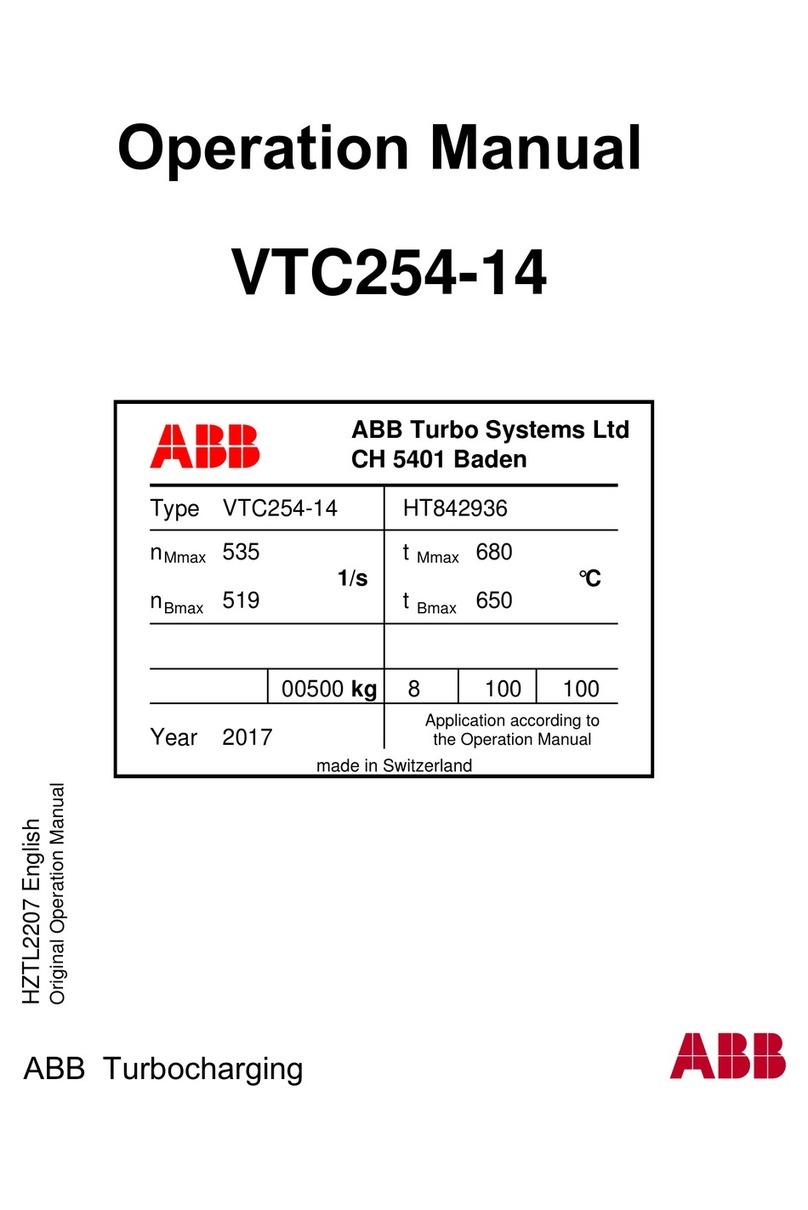
tion! It is essential that the type plate and the warning notices attached to the de-
vice are observed, and are maintained in a fully readable condition.
Qualified personnel
The operating, maintenance and assembly personnel must be appropriately quali-
fied for their work. The areas of responsibility, competences and supervision of the
personnel must be precisely regulated by the operating company. If the personnel
do not have the required knowledge, they must be trained and instructed. The op-
erating company must also ensure that the contents of the operating manual are
properly understood by the personnel.
Compressed air
Only persons with special knowledge and experience with pneumatic systems may
carry out work on pneumatic parts and equipment. Prior to any inspection, mainte-
nance or repair work, ensure that the equipment is not under pressure. All lines,
hoses and screw joints should regularly be checked for leaks and external damage.
Any damage must be rectified immediately.
Maintenance and Service
Do not make any changes. Modifications or additions to the device which may affect
the safety cannot be carried out without consent of the manufacturer. Exclusively
genuine spare parts made by the manufacturer may be used.