Service bulletin
Overcoming temperature fluctuations
TWH-G2-02 | 2400E, 2400EO, 250SX, 250SXO, 635ES, 635ESO
Introduction
Temperature fluctuations from hot to cold during use are typi-
cally caused by a restriction in the hot water flow from the
tankless heater. This slows the flow within the tankless heater,
decreasing it below the activation flow rate, which shuts off the
burners. The end result is nothing but cold water coming out of
the outlet. Follow each step below before proceeding to the
next. After each step, test the hot water flow to see if it remains
constant without turning cold.
Tools needed:
Various wrenches
Container with known volume (like a quart container)
Clean faucet aerators and shower heads
1. Check for restrictions in plumbing outlets, which could limit hot
water flow and may contribute to heater deactivation. For sinks,
remove faucet aerator. Flush and clean screen and reinstall. For
showers, remove showerhead and flush. If plugged with mineral
deposits, clean according to manufacturer’s suggestions or
replace showerhead. (If showerhead is wand style/hand held,
corrugated tube connecting to head may be too restrictive. Use a
larger tube or replace with a normal shower head.)
Clean heater’s inlet filter screen
1. Inlet filter screen is located just inside the cold water inlet
(right) at the bottom of the unit.
2. Remove filter and clean. If filter is damaged, replace filter.
Check for plumbing crossover
NOTE: A plumbing crossover can be caused by a failed washer at a
single lever faucet, incorrect plumbing or a faulty mixing valve in
the plumbing. The crossover will create back pressure on the hot
water flow and prevent an adequate flow of water through the
heater.
1. Close the installer supplied cold water shut off valve (if none
installed, install before proceeding).
2. Open all hot water taps supplied by the heater. Wait 5 minutes
and check all taps. The water flow should come to a complete
stop at every tap.
3. Any water running is a sign of a plumbing crossover. Consult a
local plumber or service person for help. This condition must be
corrected before the heater can operate properly.
Confirm water pressure
Water pressure must stay above 30psi during heater operation.
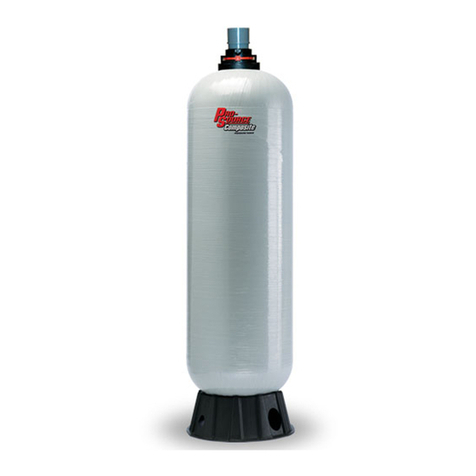
For installation on a private well system with the use of a pres-
sure tank, the lowest pressure range setting recommended is
30-50 psi (2.07-3.45 bar). The use of a pressure reducing/
regulating valve directly after the pressure tank is an effective
way to maintain constant water pressure to the water heater.
Watts brand 25AUB-¾” or N35B-¾” pressure reducing/regulating
valvesor equivalent is suggested.
Check temperature balancing valves
Heater deactivated by temperature balancing valves. If the outlet
water temperature is set too high, the heater can produce
temperatures that are too hot. A temperature balance shower
valve will automatically mix in cold water to reduce such hot
water temperature. In the event of any temperature instability at
a fixture using a temperature balancing valve, refer to the valve
manufacturer for instructions on internal adjustment setting. An
adjustment should be made to minimize the amount of cold
water the valve is adding. Additionally, the temperature setting
on the heater can be lowered to prevent the temperature
balance valve from mixing in too much cold.
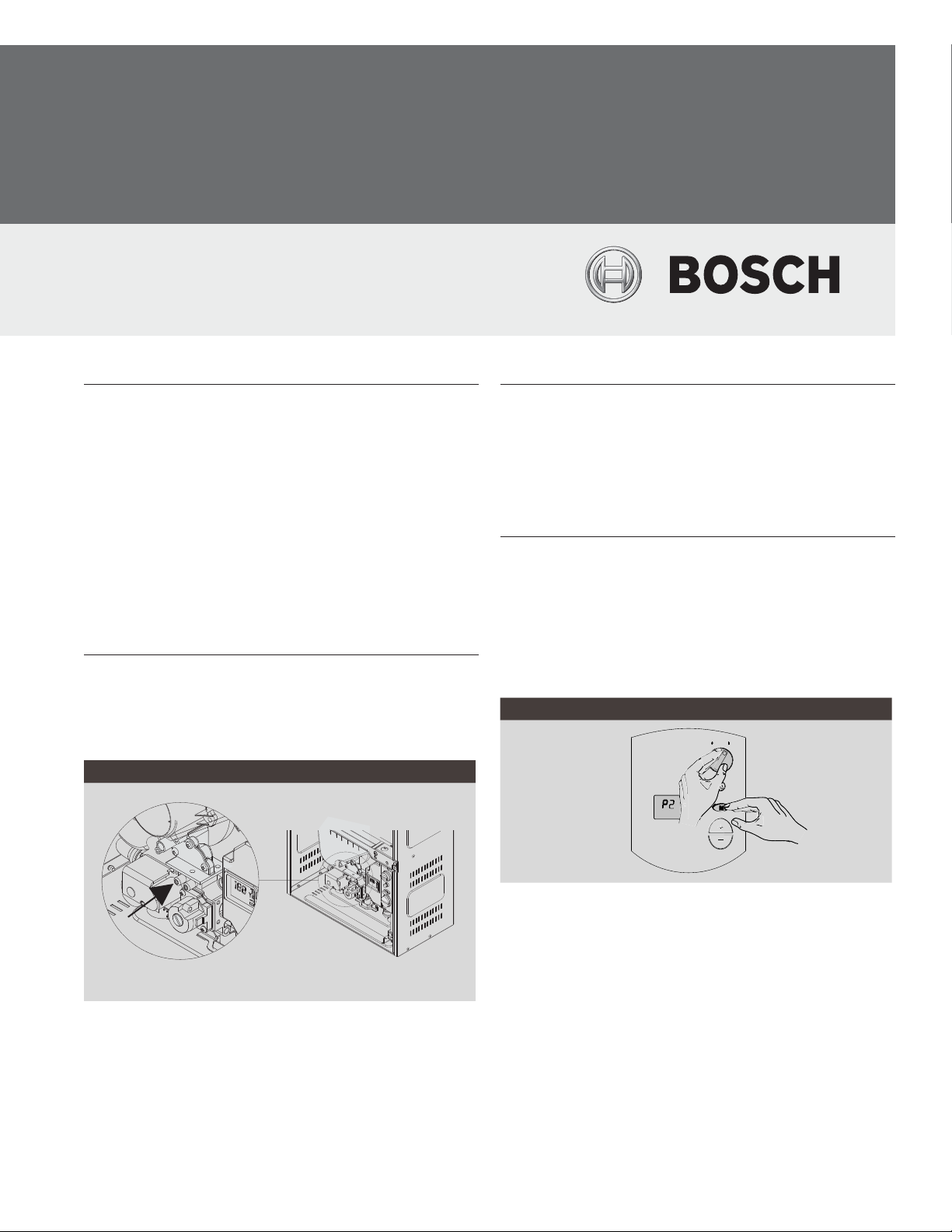
Confirm activation rate of the heater
1. Fully open one hot water tap.
2. Return to heater and shut cold water supply valve.
3. Slowly open cold water supply valve just until the burners ignite.
4. Return to hot water tap and measure flow rate by timing how
long it takes to fill a quart container. A fill time of 19 seconds
indicates a proper activation rate of 0.8 gallons per minute
(GPM).
5. Repeat steps 4 and 5 a few times to check the accuracy of the
test.
NOTE: A fill time less than 19 seconds indicates an activation rate
above the required 0.8 GPM and a possible problem within the
heater‘s water valve.