Using the Ladder
Figure 2F
UP
UP
Figure 2G
Figure 2E
Figure 2A Figure 2B Figure 2D
Figure 2C
OIL 0H2
OIL
■Do not exceed the maximum total load for the ladder
(refer to the ladder label).
■Be especially cautious of wind when outside.
■Use non-conductive ladders for unavoidable live
electrical work.
■Take precautions against children playing on the ladder.
■Face, and keep a secure grip on, the ladder when
ascending and descending.
■At all times maintain 3 points of contact.
■Maintain a handhold whilst working or take additional
safety precautions if you cannot.
■Wear suitable foot wear when climbing a ladder.
■Avoid excessive side loadings (e.g. drilling brick/
concrete).
■Equipment carried while using a ladder should be light
and easy to handle.
■Do not spend long periods on a ladder without breaks
(fatigue is a serious risk).
■Do not move the ladder when standing on it, or from
the top.
FIGURE 2A. Do not use the ladder on an unfirm or
unstable base. If you are not sure, STOP. DO NOT RISK
YOUR SAFETY.
FIGURE 2B. Do not overreach. Keep both feet on
theplatform deck throughout the task.
FIGURE 2C. Do not erect ladder on heavily
contaminatedground.
FIGURE 2D. Ladders with steps/rungs should be used so
that the steps/rungs are in a level, horizontal position.
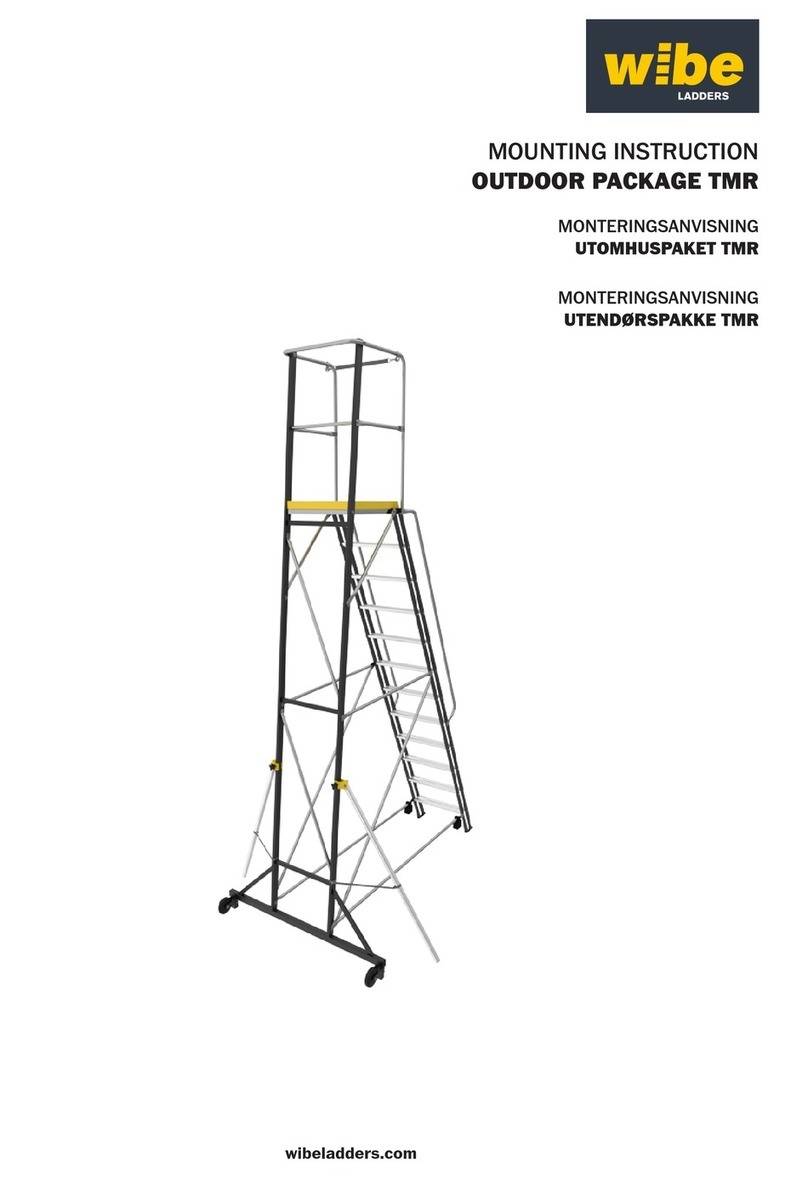
FIGURE 2E. Ensure the platform deck has fully engaged
the rung when lowering deck into position.
FIGURE 2F. Only use the ladder in the direction indicated.
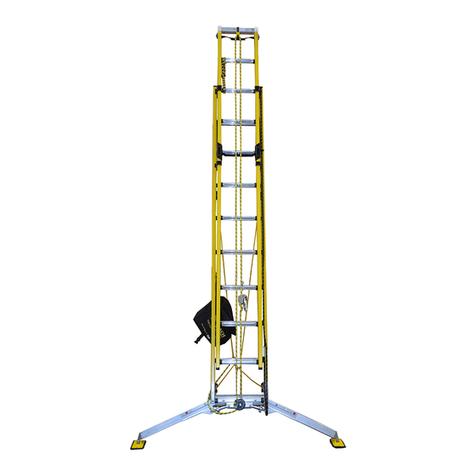
TerrainMaster
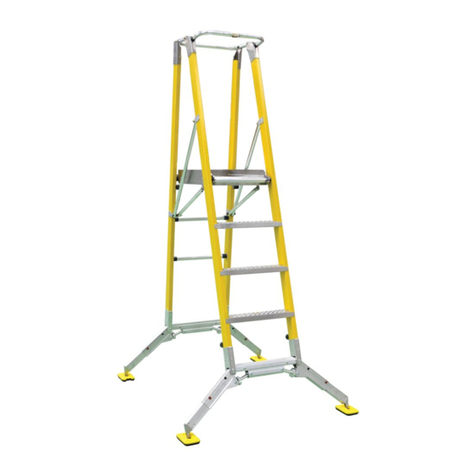
■Always use with TerrainMaster feet in an open position.
FIGURE 2G. Do not exceed the level the TerrainMaster
can operate in (15° slope). Use the built-in level bubble or
spirit level to ensure the platform ladder steps are level.
03
EN GENERAL TERRAINMASTER SAFETY STEP PLATFORMS