manuals.online logo
Brands
  1. Home
  2. •
  3. Brands
  4. •
  5. Bunker Hill Security
  6. •
  7. Security System
  8. •
  9. Bunker Hill Security RL-9816B User manual

Bunker Hill Security RL-9816B User manual

Other Bunker Hill Security Security System manuals
Bunker Hill Security 57937 User manual

Bunker Hill Security

Bunker Hill Security 57937 User manual

Bunker Hill Security 62447 Assembly instructions

Bunker Hill Security

Bunker Hill Security 62447 Assembly instructions

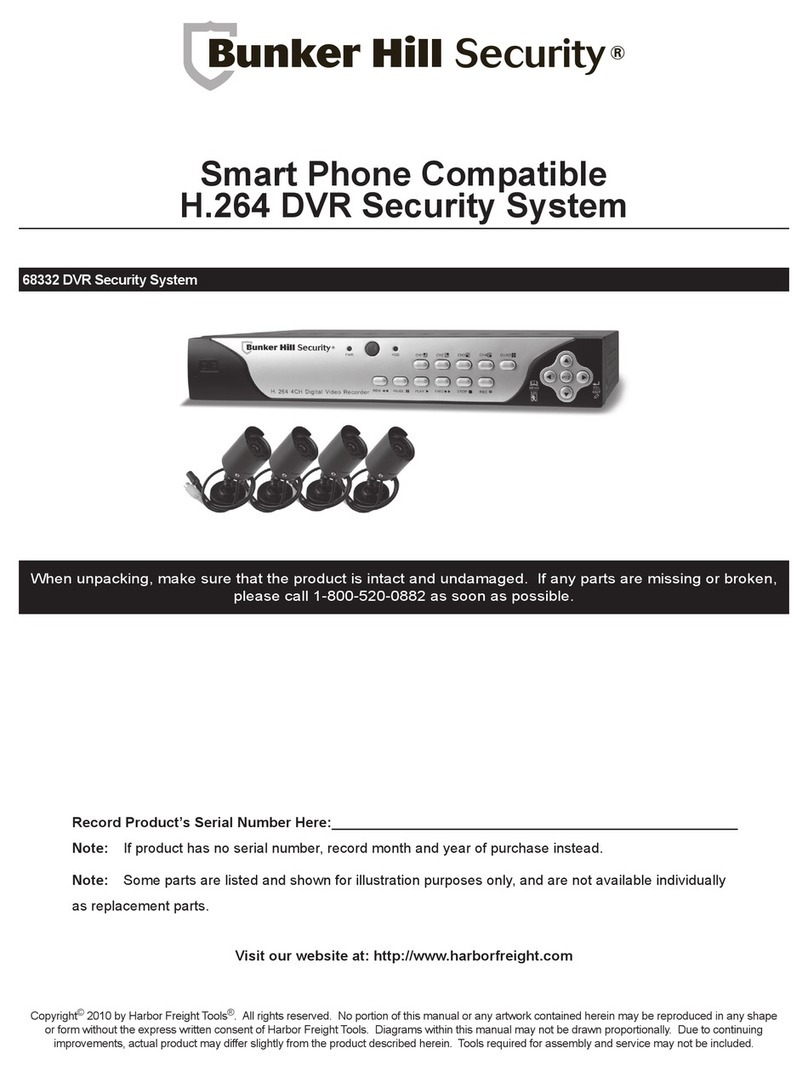
Bunker Hill Security 68332 User manual

Bunker Hill Security

Bunker Hill Security 68332 User manual

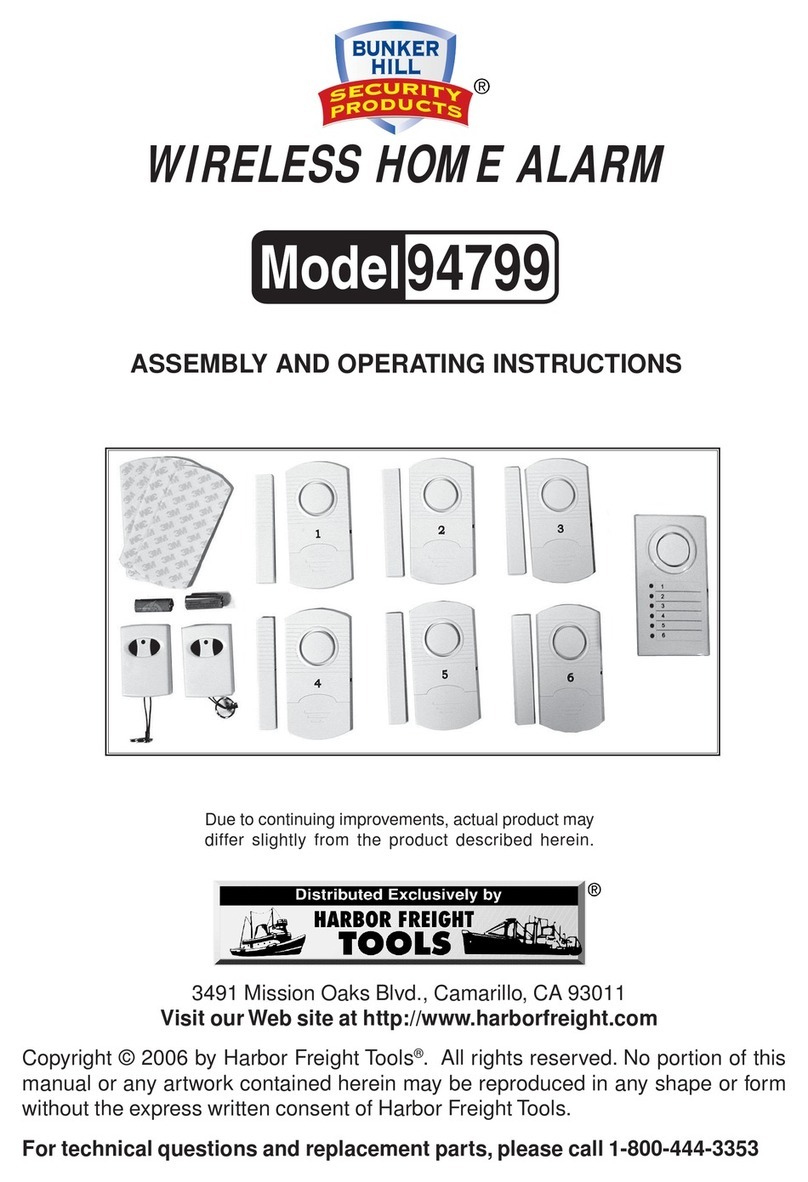
Bunker Hill Security 94799 User manual

Bunker Hill Security

Bunker Hill Security 94799 User manual

Bunker Hill Security 60565 User manual

Bunker Hill Security

Bunker Hill Security 60565 User manual

Bunker Hill Security 68332 User manual

Bunker Hill Security

Bunker Hill Security 68332 User manual

Bunker Hill Security 62284 Assembly instructions

Bunker Hill Security

Bunker Hill Security 62284 Assembly instructions

Bunker Hill Security 62368 Assembly instructions

Bunker Hill Security

Bunker Hill Security 62368 Assembly instructions

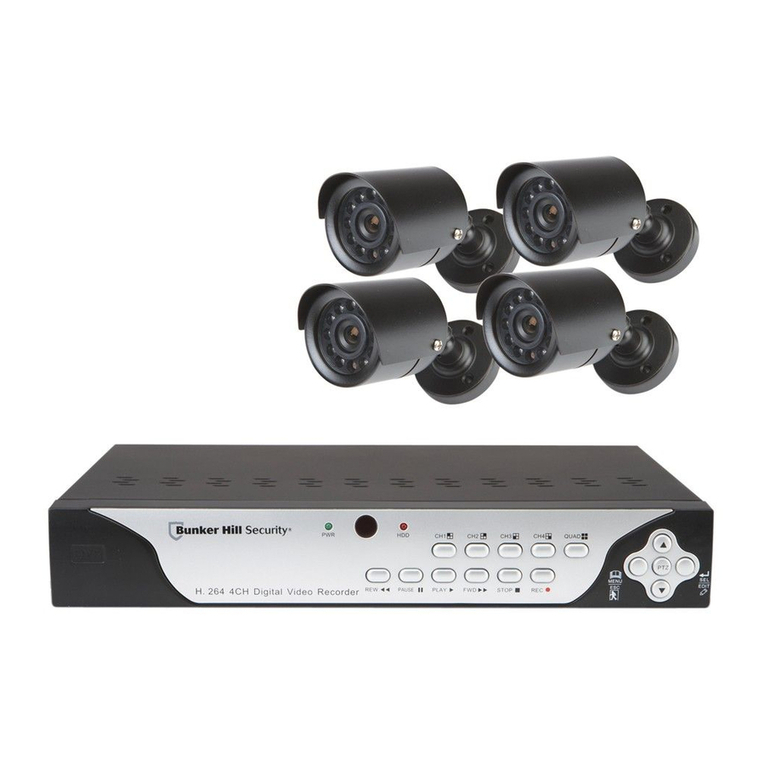
Bunker Hill Security 66704 User manual
Bunker Hill Security

Bunker Hill Security 66704 User manual

Bunker Hill Security 64734 Assembly instructions

Bunker Hill Security

Bunker Hill Security 64734 Assembly instructions

Bunker Hill Security 93068 User manual

Bunker Hill Security

Bunker Hill Security 93068 User manual

Popular Security System manuals by other brands

Polon-Alfa 4000 Installation and maintenance manual

Polon-Alfa

Polon-Alfa 4000 Installation and maintenance manual

Nexcom NViS 14162 Series user manual

Nexcom

Nexcom NViS 14162 Series user manual

Eminent EM8670 Quick install

Eminent

Eminent EM8670 Quick install

urmet domus alpha 1060 INSTALLATION AND USE BOOKLET

urmet domus

urmet domus alpha 1060 INSTALLATION AND USE BOOKLET

SmartPool YardGuard YG03 manual

SmartPool

SmartPool YardGuard YG03 manual

DSC PC5964 Mounting instructions

DSC

DSC PC5964 Mounting instructions

Secure USAB-1 operating instructions

Secure

Secure USAB-1 operating instructions

B&B 480 SERIES Operation & maintenance manual

B&B

B&B 480 SERIES Operation & maintenance manual

ADEMCO VISTA-20P Series Installation and setup guide

ADEMCO

ADEMCO VISTA-20P Series Installation and setup guide

Inner Range Concept 2000 user manual

Inner Range

Inner Range Concept 2000 user manual
Johnson Controls PENN Connected PC10 Install and Commissioning Guide
Johnson Controls

Johnson Controls PENN Connected PC10 Install and Commissioning Guide

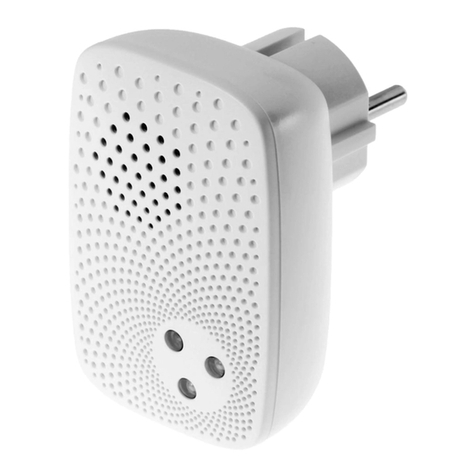
Aeotec Siren Gen5 quick start guide

Aeotec

Aeotec Siren Gen5 quick start guide
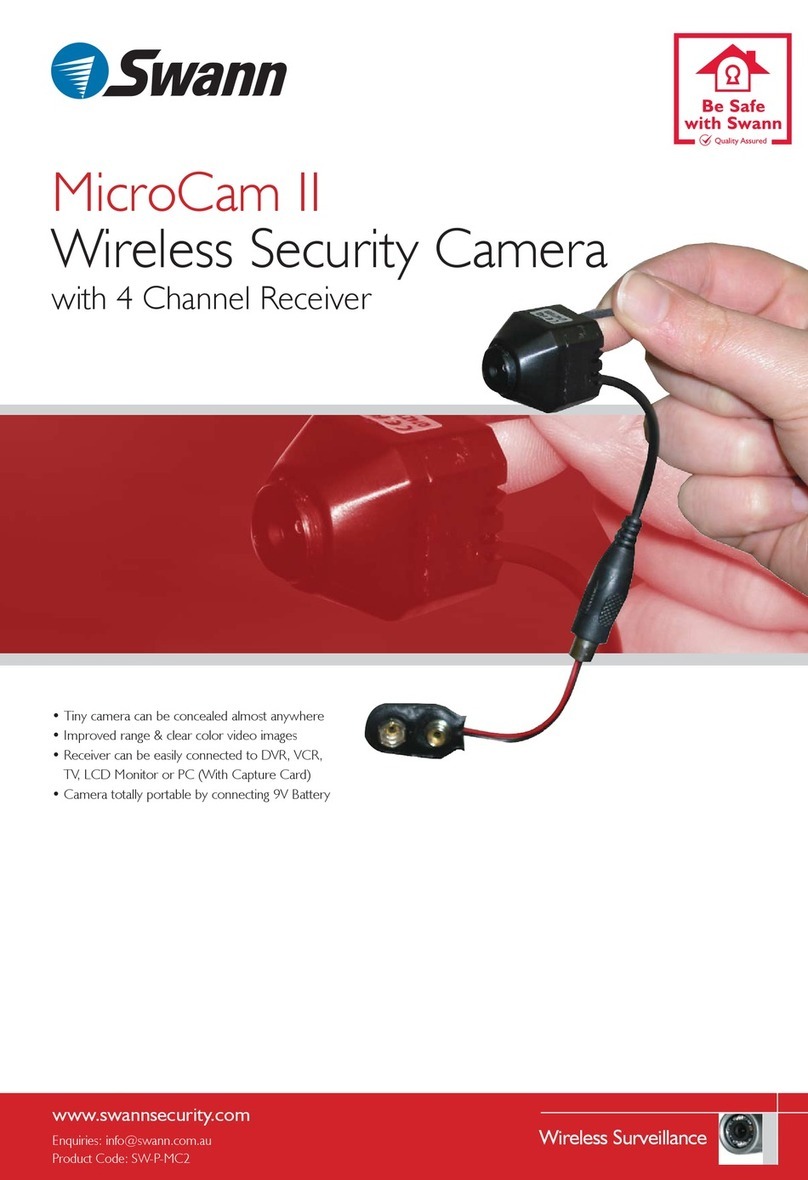
Swann SW-P-MC2 Specifications

Swann

Swann SW-P-MC2 Specifications

Ecolink Siren+Chime user manual

Ecolink

Ecolink Siren+Chime user manual
EDM Solution 6+6 Wireless-AE installation manual

EDM

EDM Solution 6+6 Wireless-AE installation manual

Siren LED GSM operating manual

Siren

Siren LED GSM operating manual
Detection Systems 7090i Installation and programming manual
Detection Systems

Detection Systems 7090i Installation and programming manual
FRIEDLAND MA10 Installation and operating instructions

FRIEDLAND

FRIEDLAND MA10 Installation and operating instructions

manuals.online logo
manuals.online logoBrands
  • About & Mission
  • Contact us
  • Privacy Policy
  • Terms and Conditions

Copyright 2025 Manuals.Online. All Rights Reserved.

1. Insert batteries to the indoor unit.Outdoor UnitOutdoor Unit(PIR Transmitter)*1清码(Transmitter)
12
Version1.0
RL-9816B LO: Low volumeHI: High volumeOFF: Turn off powerBack view
DC 6VLOHIOFF
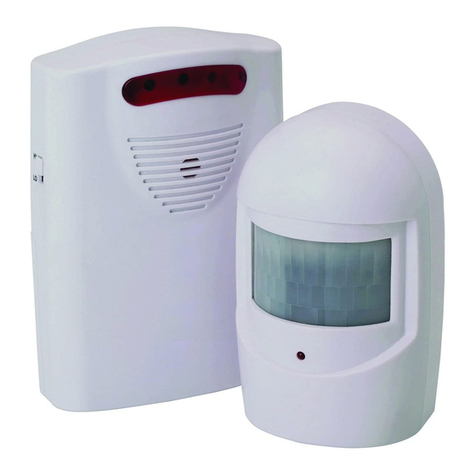
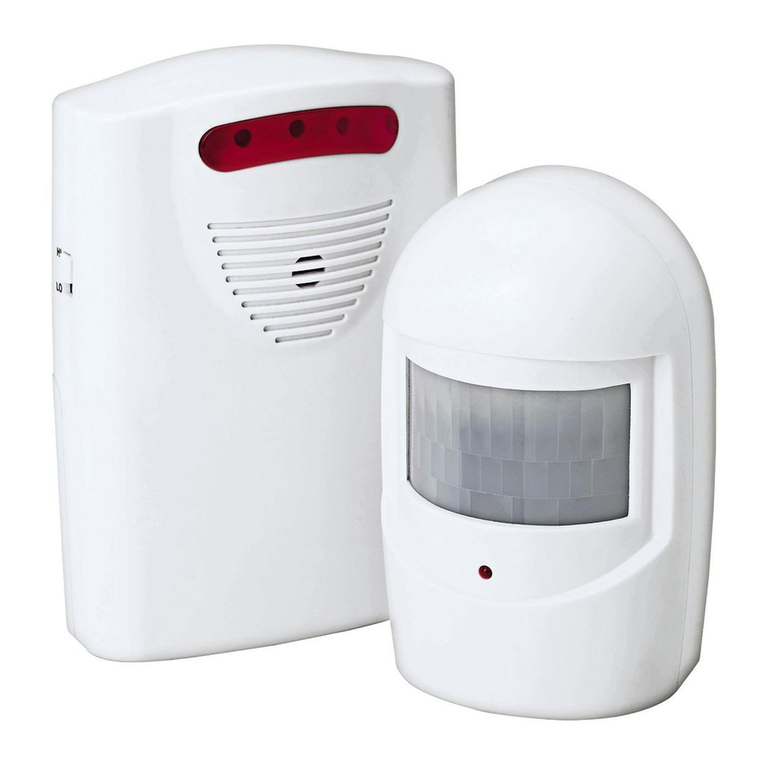
6V Power Plug (Optional)Power/Volume LevelPIRThis product adopts the professional IC for wireless transmitter and receiver and adopts learning code technology for easy operation. One million addresses effectively avoid interference.When the passive infrared (PIR) transmitter detects thermal signals (for example, human motions), it will send a wireless signal to the indoor unit and then the indoor unit will give "Ding-Dong, Ding-Dong" tones and the indicator light will flash twice to remind the user.OPERATION
DC 6VLOHIOFF
2. Slide the volume switch to LO or HI position, the indoor unit will give a "Ding-Dong" tone and its indicator light will flash to indicate batteries are installed properly.
9V
3. Insert a battery to the outdoor unitto trigger the PIR , its indicator light will flash red and at the same time will send a wireless signal to the indoor unit. 4. When the indoor unit receives the wireless signal, it will give a "Ding-Dong" tone and its indicator light will flash to indicate the pairing has been successful.Clearing Code:FEATURES NOTE: When sliding the switch from OFF to HI/LO, a "Ding-Dong" tone will be given to indicate power supply is normalLearning Code:
-
+
1.5V
-
+
1.5V
-
+
1.5V
Turn off the indoor unit, it will clear the code for the paired transmitter. Therefore, each time you turn off the indoor unit, you should pair the transmitter to the receiver again by following the instructions above.Indoor Unit's DC Power Plug (Optional):Power requirements: 5V/6V 500mA. When DC power plug is selected, remove batteries from the compartment.Indicator Light:Indoor Unit Working indicator: The indicator light will flash according to the indicator tone.Low battery: The indicator light in the middle will stay on constantly when the voltage is < 3.5V.Outdoor Unit Working indicator: The indicator light will turn on for 2 seconds when the PIR is triggered.Low battery: The indicator light will stay on constantly when the voltage is < 5V.NOTE: When the light indicates low battery, the standby current will increase and the user should replace the batteries asap. When the batteries are going to run out, the indicator light will turn dim gradually and then turn off.Outdoor Unit's PIR:1. The time interval for each trigger is about 13 seconds. 2. Avoid direct sunlight when installing the outdoor unit. The sunlight may cause PIR give false alarm. 1 2 3 4 Indoor Unit(Receiver)*1User manual *1Screw pack *1Indicator light SpeakerFront viewSide viewIndicator light PACKAGE CONTENTSBattery CompartmentIndoor Unit (Receiver)
40°
Detecting Area ( Horizontal)40°, 0-8mWireless Security Alert System
34
Indoor Unit(Receiver) Outdoor Unit(Transmitter)TROUBLESHOOTING1. The main unit false alarms.Check if any animals are in the vicinity of the PIR sensor, During warm weather moving shadows may also activate the alarm. Make sure that the PIR sensor is not positioned near a radiator or heat source.2. When the PIR alarm detects movement, however, no alarm sounds.Check if the pairing between the transmitter and the main unit has been successful.If the pairing was successful, check the battery voltage for both the main unit and the transmitter. Low voltage will cause the product to fail.When installing, keep the distance between the transmitter and receiver is proper and note that obstructions may reduce the receiving range.TIPSRecommended installation height: 1.6±0.3m, adjust the installation angle to face downward.Do not install the product in direct sunlight or close to a radiator or heat source.The detection range of the PIR alarm may vary slightly due to different environments.Do not attempt to repair this product, please return to your retailerRemove batteries if the product is not in use for a long time and dispose the batteries according to the local laws and regulations.FCC STATEMENT
!
1. Do not mix old and new batteries2. Do not mix alkaline, standard (carbon-zinc), or rechargeable (ni-cad, ni-mh, etc.) batteriesWarning: Changes or modifications to this unit not expressly approved by theparty responsible for compliance could void the user's authority to operate theequipment.NOTE: This equipment has been tested and found to comply with the limits fora Class B digital device, pursuant to Part 15 of the FCC Rules. These limits aredesigned to provide reasonable protection against harmful interference in aresidential installation. This equipment generates, uses and can radiate radiofrequency energy and, if not installed and used in accordance with theinstructions, may cause harmful interference to radio communications.However, there is no guarantee that interference will not occur in a particularinstallation. If this equipment does cause harmful interference to radio ortelevision reception, which can be determined by turning the equipment off andon, the user is encouraged to try to correct the interference by one or more of thefollowing measures:Reorient or relocate the receiving antenna.Increase the separation between the equipment and receiver.Connect the equipment into an outlet on a circuit different from that to whichthe receiver is connected.Consult the dealer or an experienced radio/TV technician for helpThe device must not be co-located or operating in conjunction with any other antenna or transmitter. following two conditions : may cause undesired operation. (1)this device may not cause harmful interference, and(2) this device must accept any interference received, including interference thatThis device complies with Part 15 of the FCC Rules.Operation is subject to theTECHNICAL SPECIFICATIONSWorking VoltageDC 9V Alkaline battery(G6F22*1)Working Current<15mAStandby Current<50uALow battery indicator<5V±0.2VPIR detecting distance0-8mPIR detecting angle0°- 40°Transmitting time≈2sTrigger time interval≈13±2sWorking Distance≥ 100mAntenna gain -2~3dBiWorking temperature-15~60℃Working VoltageDC 4.5V (LR14 *3) DC Power5V/6V 500mAWorking Current<200mAStandby Current<180uALow Voltage Indicator<3.5V±0.2VAlarm VolumeHI:>90dBLO:>70dBDemodulationOOKWireless Frequency433.92MHZ±250KHzWorking Distance≥ 100m(no barrier)Receiving sensibility-105dBmWorking temperature-15~60℃