manuals.online logo
Brands
  1. Home
  2. •
  3. Brands
  4. •
  5. Circor
  6. •
  7. Water Pump
  8. •
  9. Circor IMO CIG User manual

Circor IMO CIG User manual

Other manuals for IMO CIG

2

Other Circor Water Pump manuals

Circor ALLWEILER NI Series Installation instructions

Circor

Circor ALLWEILER NI Series Installation instructions

Circor IMO 3E Series Troubleshooting guide

Circor

Circor IMO 3E Series Troubleshooting guide

Circor IMO CIG User manual

Circor

Circor IMO CIG User manual

Circor IMO CFHN Series User manual

Circor

Circor IMO CFHN Series User manual

Circor G3D**-350 Series User manual

Circor

Circor G3D**-350 Series User manual

Circor IMO A3D Series User manual

Circor

Circor IMO A3D Series User manual

Circor IMO OptiLine LPE4 Installation instructions

Circor

Circor IMO OptiLine LPE4 Installation instructions

Circor HOUTTUIN 236 Series Owner's manual

Circor

Circor HOUTTUIN 236 Series Owner's manual

Circor IMO 110 User manual

Circor

Circor IMO 110 User manual

Circor IMO OptiLine ACE3 User manual

Circor

Circor IMO OptiLine ACE3 User manual

Circor HOUTTUIN TT Twin-Screw Instruction manual

Circor

Circor HOUTTUIN TT Twin-Screw Instruction manual

Circor LubriMist User manual

Circor

Circor LubriMist User manual

Circor IMO CIG User manual

Circor

Circor IMO CIG User manual

Circor IMO CIG Series User manual

Circor

Circor IMO CIG Series User manual

Circor IMO AA3G Series User manual

Circor

Circor IMO AA3G Series User manual

Circor IMO E12L Series User manual

Circor

Circor IMO E12L Series User manual

Circor IMO AA3G Series User manual

Circor

Circor IMO AA3G Series User manual

Circor IMO G323FHF Series User manual

Circor

Circor IMO G323FHF Series User manual

Circor IMO K12DHZ-312P User manual

Circor

Circor IMO K12DHZ-312P User manual

Circor IMO G12D S-137 Series User manual

Circor

Circor IMO G12D S-137 Series User manual

Circor IMO D3EICS-162 User manual

Circor

Circor IMO D3EICS-162 User manual

Circor IMO C324AXFS-250/12004 User manual

Circor

Circor IMO C324AXFS-250/12004 User manual

Circor IMO C324AXFX-250 User manual

Circor

Circor IMO C324AXFX-250 User manual

Circor GLH8L-462 Series User manual

Circor

Circor GLH8L-462 Series User manual

Popular Water Pump manuals by other brands

Neptun NPHW 5500 operating instructions

Neptun

Neptun NPHW 5500 operating instructions

Sensidyne Gilian BDX-II Operation & service manual

Sensidyne

Sensidyne Gilian BDX-II Operation & service manual

Draper 47808 instructions

Draper

Draper 47808 instructions

Trolla 12820 manual

Trolla

Trolla 12820 manual

Sunfab SVH Series installation guide

Sunfab

Sunfab SVH Series installation guide

WilTec 50740 Operation manual

WilTec

WilTec 50740 Operation manual

Fieldmann FVC 5015 EK user manual

Fieldmann

Fieldmann FVC 5015 EK user manual

Everbilt EFSUB5-122HD Use and care guide

Everbilt

Everbilt EFSUB5-122HD Use and care guide

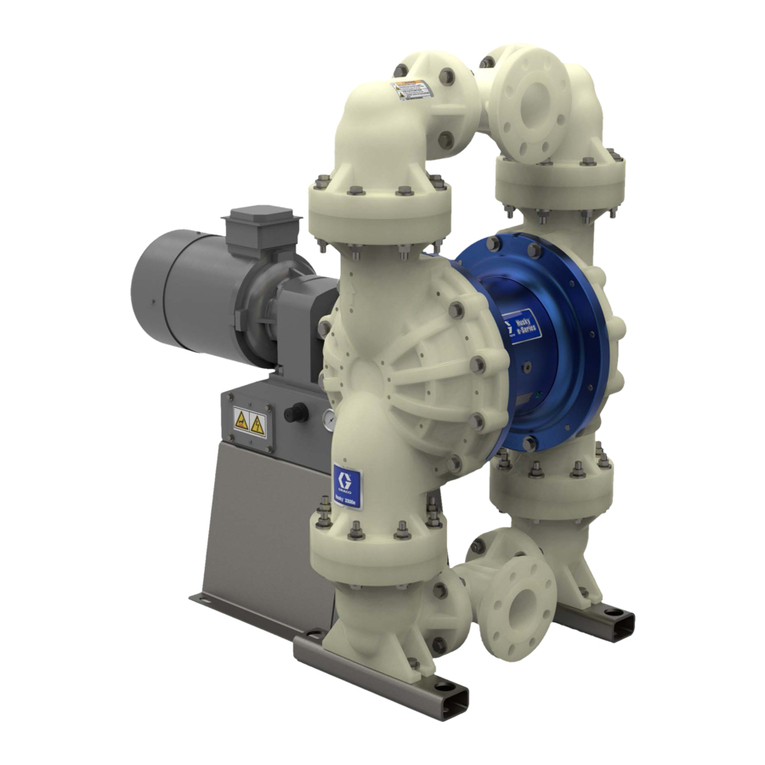
Graco Husky 3300e manual

Graco

Graco Husky 3300e manual

esotec 101018 operating manual

esotec

esotec 101018 operating manual

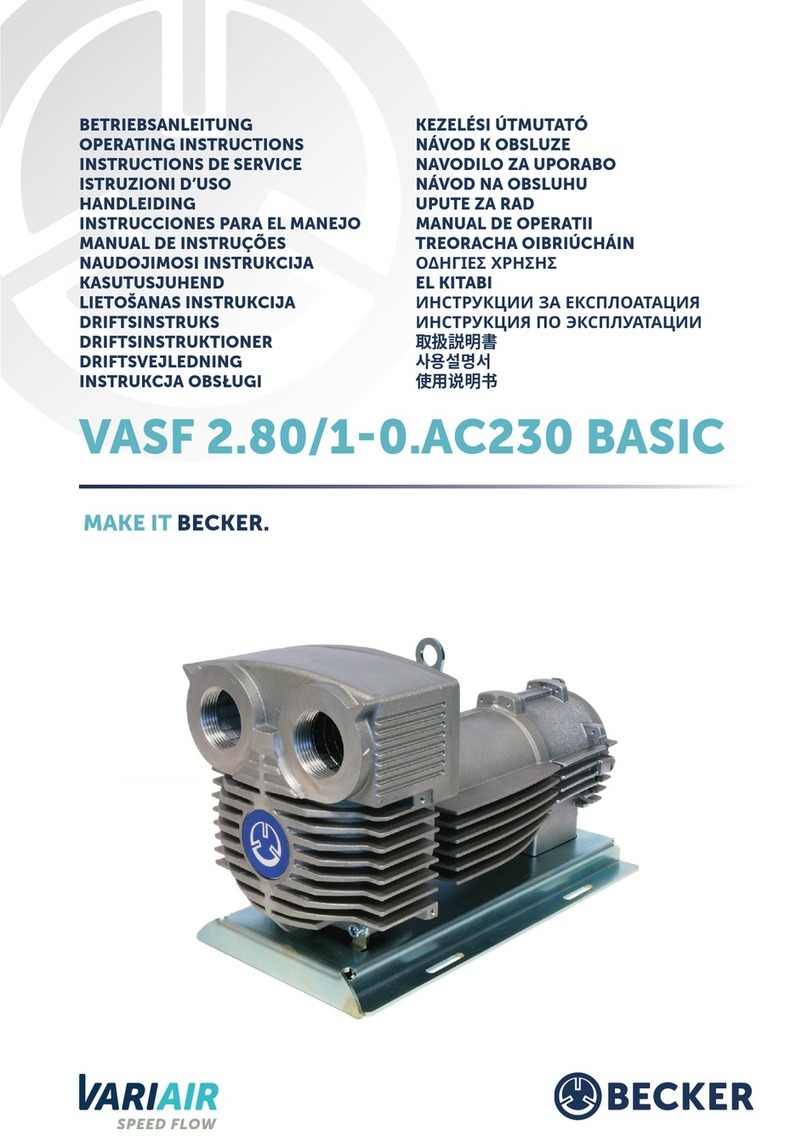
Becker BASIC VASF 2.80/1-0.AC230 operating instructions

Becker

Becker BASIC VASF 2.80/1-0.AC230 operating instructions

Sykes AmeriPumps GP100M Operation and maintenance instructions

Sykes AmeriPumps

Sykes AmeriPumps GP100M Operation and maintenance instructions

DUROMAX XP WX Series user manual

DUROMAX

DUROMAX XP WX Series user manual

BRINKMANN PUMPS SBF550 operating instructions

BRINKMANN PUMPS

BRINKMANN PUMPS SBF550 operating instructions

Franklin Electric IPS Installation & operation manual

Franklin Electric

Franklin Electric IPS Installation & operation manual

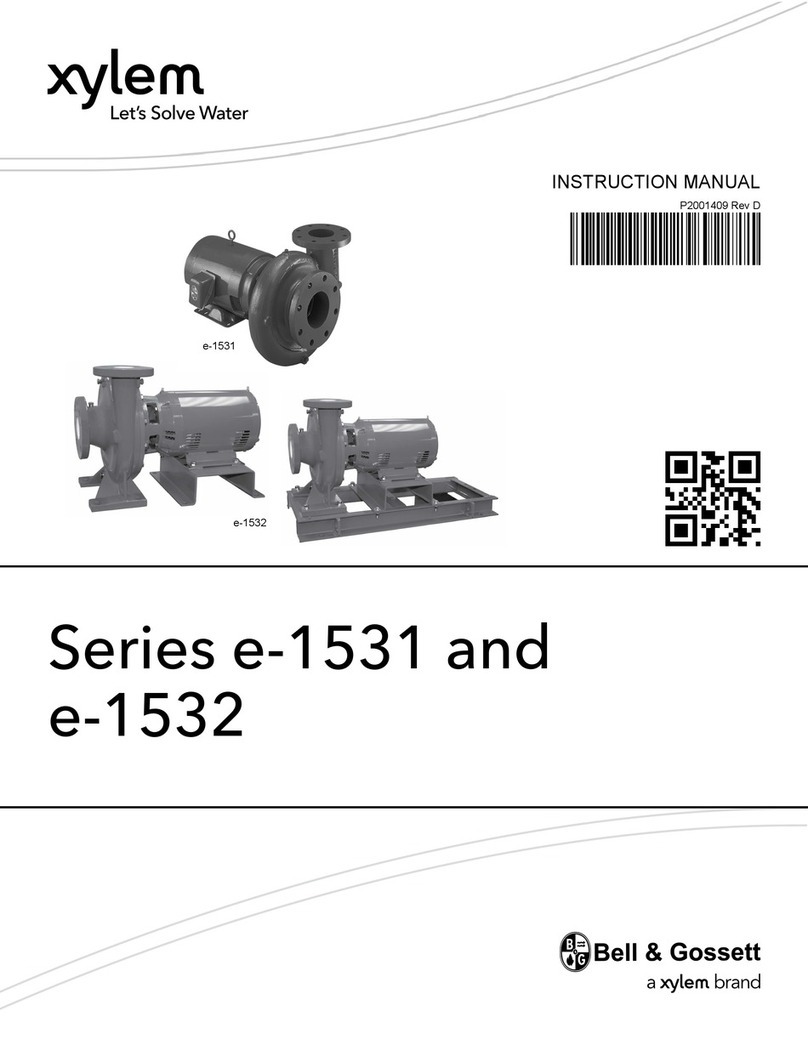
Xylem e-1532 Series instruction manual

Xylem

Xylem e-1532 Series instruction manual

Milton Roy PRIMEROYAL instruction manual

Milton Roy

Milton Roy PRIMEROYAL instruction manual

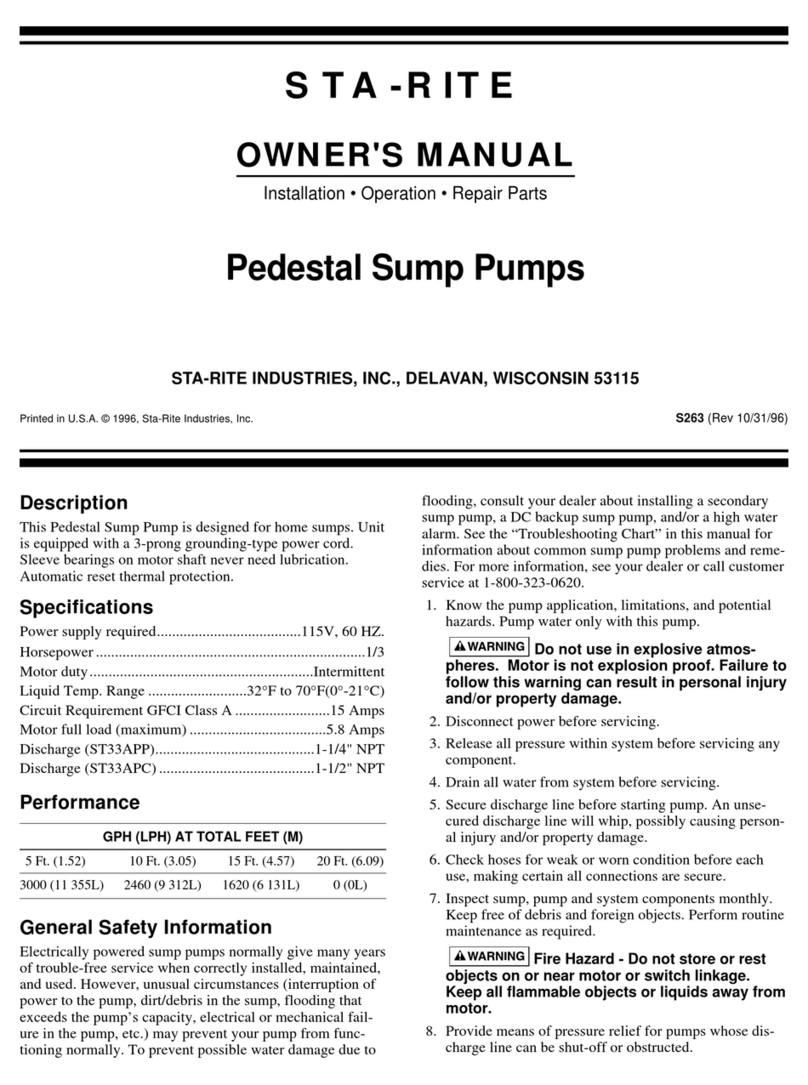
STA-RITE ST33APP owner's manual

STA-RITE

STA-RITE ST33APP owner's manual

manuals.online logo
manuals.online logoBrands
  • About & Mission
  • Contact us
  • Privacy Policy
  • Terms and Conditions

Copyright 2025 Manuals.Online. All Rights Reserved.










PRODUCT SERVICE MANUAL
FOR
CIG Mechanical Seal
Triple Pumps



WARNING 
The Imo General Installation Operation, Maintenance, and Troubleshooting
Manual, (No. SRM00046), as well as all other component manuals supplied with
these type units should be read thoroughly prior to pump installation, start-up,
operation, maintenance or troubleshooting.
SRM00052 REV. 04 (20-0051) February 2020
A

READ THIS ENTIRE PAGE BEFORE PROCEEDING
FOR THE SAFETY OF PERSONNEL AND TO PREVENT DAMAGE TO THE EQUIP- MENT,
THE FOLLOWING NOMENCLATURE HAS BEEN USED IN THIS MANUAL:
D A N G E R

Failure to observe the precautions noted in this box can result in severe bodily
injury or loss of life.
WARNING

Failure to observe the precautions noted in this box can cause injury to
personnel by accidental contact with the equipment or liquids. Protection
should be provided by the user to prevent accidental contact.
CAUTION ATTENTION 
Failure to observe the precautions noted in this box can cause damage or
failure of the equipment.

Non-compliance of safety in-
structions identified by the fol-
lowing symbol could affect
safety for persons:
Safety instructions
where electrical safety
is involved are identi-
fied by:
Safety instructions which shall be
considered for reasons of safe
operation of the pump and/or pro-
tection of the pump itself are
marked by the sign:

ATTENTION

CONTENTS
SAFETY AND TABLE OF CONTENTS ............................................................................................ A
A. GENERAL INSTRUCTIONS .................................................................................................... 2
B. INTRODUCTION ..................................................................................................................... 2
C. DESCRIPTION OF EQUIPMENT ............................................................................................ 2
D. PUMP MODEL IDENTIFICATION ........................................................................................... 2
E. ORDERING INSTRUCTIONS ..................................................................................................... 2
F. OPERATION ............................................................................................................................... 3
G. PUMP DISASSEMBLY PROCEDURES .................................................................................. 4-6
H. INSPECTION OF PARTS ........................................................................................................ 6-7
I. MACHINING INSTRUCTIONS ................................................................................................. 7-8
J. SPARE PARTS AND KITS ......................................................................................................... 8
K. PUMP REASSEMBLY PROCEDURES .................................................................................... 9-12
L. TROUBLESHOOTING ................................................................................................................ 13
M. ASSEMBLY DRAWING …………………………………………………………………………………… 14

A
TTENTION
If operation of this pump is critical to your
business,
we strongly recommend you
keep a spare pump or major repair kit in stock at all times. As a minimum, a minor
repair kit (O-rings, gaskets, shaft seal and bearings) should be kept in stock so
pump
refurbishment
after
internal inspection
can be accomplished.
1

A. GENERAL INSTRUCTIONS
The instructions found herein cover the disassembly, assembly and parts identification of CIG triple pumps.
NOTE: Individual contracts may have specific provisions that vary from this manual. Should any questions arise
which may not be answered by these instructions, refer to the General Installation Operation, Maintenance,
and Troubleshooting Manual, (No. SRM00046), provided with your order. For further detailed information
and technical assistance please refer to Imo Pump, Technical/Customer Service Department, at (704)
289-6511.
This manual cannot possibly cover every situation connected with the installation, operation, inspection,
and maintenance of the equipment supplied. Every effort was made to prepare the text of the manual so
that engineering and design data is transformed into the most understandable wording. Imo Pump must
assume the personnel assigned to operate and maintain the supplied equipment and apply this instruction
manual have sufficient technical knowledge and are experienced to apply sound safety and operational
practices which may not be otherwise covered by this manual.
In applications where equipment furnished by Imo Pump is to become part of processing machinery, these
instructions should be thoroughly reviewed to ensure proper fit of said equipment into overall plant operational
procedures.

WARNING 
If installation, operation, and maintenance instructions are not correctly and strictly
followed and observed, injury to personnel or serious damage to pump could result. Imo
Pump cannot accept responsibility for unsatisfactory performance or damage resulting
from failure to comply with instructions.
B. INTRODUCTION
This instruction manual covers CIG triple pumps. This series of pumps has been designed for use in hydraulic,
lubricating seal and fuel oil applications. The model and design construction of each pump can be identified by the
designator code on the pump nameplate. Definitions of model designators are identified in Figure 1.
C. DESCRIPTION OF EQUIPMENT
The CIG triple pumps are positive displacement, internal gear pumps consisting of a single shaft that runs through
the center of pump housings. This shaft drives the external gears (pinion gears) which in turn drives the internal
gears (ring gears). Fluid is carried between the internal and external gear teeth of each pump and is discharged as
the teeth mesh. The pinion and ring gears are separated in each pump by a crescent which is a sealing element in
the pump between inlet and discharge ports.
D. PUMP MODEL IDENTIFICATION
This instruction manual covers the Imo CIG triple series pumps.
The model of each pump is identified on the pump nameplate. Refer to Figure 1 for instructional keys when using
this manual.
E. ORDERING INSTRUCTIONS
When corresponding with Imo Pump regarding CIG Single Series pumps, refer to the pump nameplate, this
instruction manual, and the assembly drawing as instructed below:
1. From pump nameplate, record the pump model number. Also record the manufactured lot number and date (these
are stamped on the housing near the nameplate).
2. Record instruction manual number, revision and date.
3. From the instruction manual, record the figure numbers that apply to the replacement part(s)

2

4. From the assembly drawing or instruction manual (see Table 1, Pump Parts List) provide the IDP number(s)
and names for the replacement part(s).
5. Give the above information to your Imo service representative.
Imo sales and service representatives are listed herein and in GeneralInstallationOperation,
Maintenance,andTroubleshootingManual,(No.SRM00046).
F. OPERATION
LIQUID LIMITATIONS
Never operate with fluids that are corrosive to iron, steel, aluminum or bronze. The pump is designed for fluids having
the general characteristics of oil.
CAUTION ATTENTION
Operating conditions, such as speed, fluid viscosity, temperature, inlet pressure,
discharge pressure, filtration, duty cycle, drive type, mounting, etc. are interrelated.
Due to these variable conditions, the specific application limits may be different from
that of the operational limitations. This equipment must not be operated without
verification that operating requirements are within its capabilities.
Triple Pump Model Key: CIG 52 050/33 012/33 012 R XX

Series
Front Pump
Frame Size
(2, 3, 4, 5, 6, 8)

Pressure Rating
1 = Single Stage (Low Pressure)
2 = Single Stage (High Pressure)
3 = 2 Stages

Nominal Displacement
In CM3/Rev.

Middle Pump
Frame Size
(2, 3, 4, 5, 6, 8)

Pressure Rating
1 = Single Stage (Low Pressure)
2 = Single Stage (High Pressure)
3 = 2 Stages























Figure 1 – Triple Pump Configurations
XX – Pump Configuration

R – CW Rotation (Standard)
L – CCW Rotation

Nominal Displacement
In CM3/Rev.

Pressure Rating
1 = Single Stage (Low Pressure)
2 = Single Stage (High Pressure)
3 = 2 Stages
Rear Pump
Frame Size
(2, 3, 4, 5, 6, 8)

Nominal Displacement
In CM3/Rev.
3

G. PUMP DISASSEMBLY
Refer to Assembly Drawing In Back Of Manual
CAUTION ATTENTION
Read this entire procedure before disassembling pump.
1. Remove drive key (36).
2. Remove capscrews (42) and end cover (15) with O-ring (67).
3. Remove capscrews (17).
4. Remove back cover (63) from shaft (6). Do not permit dowel pin (22) to drop as back cover (63) is removed.
Remove dowel pin (60 from either back cover (63) or square housing (62), whichever is applicable.
Remove and discard O-ring (84)
NOTE: If back cover (63) will not slide easily off shaft (6), clamp housing (62) in a vise with back cover (63)
free. With a soft-headed hammer, tap alternately on ears of back cover (63) until there is sufficient gap
to insert a wedging device between back cover (63) and housing (62). Pry gap until back cover (63) is
free to slide off shaft (6).
CAUTION
A
TTENTION 
Take care not to damage either faces thatare being pried against or 0-ring (84) withprying
device.
CAUTION ATTENTION 
If back cover (63) did not slide off easily because its bushing (54) was seized on shaft
(6), ball bearing (31) was most likely damaged when cover was pried off, and must be
replaced. If back cover (63) did not slide off easily because it was stuck on counterbore
of square housing (62), ball bearing (31) may not have to be replaced.
NOTE: If back cover (63) cannot be removed without applying excessive force, unit should be returned to Imo for
further disassembly and inspection.
CAUTION ATTENTION 
In next step, ring gear (65), pinion (64) and key (66) will be removed. If ring (65) and
pinion (64) are to be reused, identify them, with a marker or the like, so it can be
determined to which housing they belong (if there is more than one housing in pump)
and which direction face of each gear was positioned in housing. Do not mark with scribe
or punch as this may leave a burr or high spot which could lead to pump damage or
seizure. If key (66) is to be reused, mark it so that it can be assembled into its original
stage and facing its original direction.
5. Remove pinion gear (64) and key (66) from shaft (6) and ring gear (65) from square housing (62).
CAUTION ATTENTION
If pinion gear (64) will not slide easily off shaft (6), its key (66) is most likely at least partially
sheared. In this case the disassembly cannot be completed in the field without the chance of
damaging other good parts and the unit should be returned to Imo for further disassembly and
inspection.
NOTE: If ring gear (65) will not come out of housing (62), it is most likely seized on its OD and will not
be possible to remove. The pump can still be disassembled with the ring gear (65) left in the housing (62).
6. Remove square housing (62) from shaft (6). Do not permit dowel pin (22) to drop as housing (62) is removed.
Remove dowel pin (22) from either housing (62) or (7), whichever is applicable.
4

NOTE: If square gear housing (62) will not slide easily off shaft (6), clamp housing (7) in a vise with housing
(62) free. Insert Prying device between the two housings and pry gap until housing (62) is free to slide
off shaft (6). Remove and discard O-ring (40), if it did not come off with square housing (62).
CAUTION ATTENTION 
Take care not to damage either faces thatare being pried against or 0-ring (10) withprying
device.
CAUTION ATTENTION 
If gear housing (62) did not slide off easily because its bushing (82) was seized on shaft
(6), ball bearing (31) was most likely damaged when housing (62) was pried off, and must
be replaced. If housing (62) did not slide off easily because it was stuck in housing tube
(23), ball bearing (31) may not have to be replaced.
NOTE: If square housing (62) cannot be removed without applying excessive force, unit should be returned to
Imo for further disassembly and inspection.
7. Remove housing tube (23) if it was damaged and needs to be replaced.
CAUTION ATTENTION 
In next step, ring gear (20), pinion (19) and key (21) will be removed. If ring (20) and
pinion (19) are to be reused, identify them, with a marker or the like, so it can be
determined to which housing they belong (if there is more than one housing in
pump) and which direction face of each gear was positioned in housing. Do not mark
with scribe or punch as this may leave a burr or high spot which could lead to pump
damage or seizure. If key (21) is to be reused, mark it so that it can be assembled
into its original stage and facing its original direction.
8. Remove capscrews (39).
9. Remove square gear housing (7), ring gear (20), pinion gear (19) and key (21) from shaft (6). Do not permit
dowel pin (37) to drop as housing (7) is removed. Remove dowel pin (37) from either housing (7) or
intermediate flange (5), whichever is applicable.
CAUTION ATTENTION 
If square gear housing (7) will not slide easily off shaft (6), clamp intermediate flange
(5) in a vice with square of housing free (7). Insert prying device between
intermediate flange (5) and square housing (7). Pry gap until square housing (7) is
free to slide off shaft
CAUTION ATTENTION 
Take care not to damage either faces that are being pried against or 0-ring (10) with
prying device.
CAUTION ATTENTION 
If gear housing (7) did not slide off easily because its bushing (53) was seized on shaft
(6), ball bearing (31) was most likely damaged when housing (7) was pried off, and
must be replaced. If housing (7) did not slide off easily because it was stuck in
intermediate cover (5) counter-bore, ball bearing (31) may not have to be replaced.
NOTE: If housing, ring gear or pinion gear cannot be removed without applying excessive force, unit should be
returned to Imo for further disassembly and inspection.
10. Remove O-ring (41) from intermediate flange (5) if it did not come off with last housing removed.
11. Remove intermediate flange (5) from shaft (6). Do not permit dowel pin (37) to drop as intermediate flange
(5) is removed. Remove dowel pin (37) from square of housing (4) or intermediate flange (5) whichever is
applicable.
5

NOTE: If intermediate flange (5) will not slide easily off shaft (6), clamp square housing (4) in a vise with
intermediate flange (5) free. Insert prying device between intermediate flange (5) and square housing
(4). Pry gap until intermediate flange (5) is free to slide off shaft.

CAUTION ATTENTION 
Take care not to damage either faces that are being pried against or 0-ring (41) with prying device.
CAUTION
A
TTENTION 
If intermediate flange (5) will not slide off easily because its sleeve bushing (53) was seized
on shaft (6), ball bearing (31) was most likely damaged and must be replaced. If intermediate
flange (5) did not slide off easily because it was stuck on housing (4) rabbitt, ball bearing (31)
may not have to be replaced.
12. Remove O-ring (41).
CAUTION
A
TTENTION 
In next step, ring gear (12), pinion (11) and key (13) will be removed. If ring (12) and pinion
(11) are to be reused, identify them, with a marker or the like, so it can be determined to which
housing they belong (if there is more than one housing in pump) and which direction face of
each gear was positioned in housing. Do not mark with scribe or punch as this may leave a
burr or high spot which could lead to pump damage or seizure. If key (13) is to be reused,
mark it so that it can be assembled into its original stage and facing its original direction.
13. Remove pinion gear (11) and key (13) from shaft (6) and ring gear (12) from front pump square housing
(4).
CAUTION ATTENTION 
If pinion gear (11) will not slide easily off shaft (6), its key (13) is most likely at least partially
sheared. In this case, the disassembly cannot be completed in the field without the chance of
damaging other good parts, and the unit should be returned to Imo for further disassembly and
inspection.
NOTE: If ring gear (12) will not come out of housing (4), it is most likely seized on its OD and will not be possible to
remove. The pump can still be disassembled with the ring gear (12) left in housing (4).
14. Remove square housing (4) from shaft (6). Do not permit dowel pin (37) to drop as square housing (4) is
removed. Remove dowel pin (37) from either square housing (4) or front flange (2), whichever is
applicable. Remove O-ring (40).
NOTE: If square gear housing (4) will not slide easily off shaft (6), clamp it in a vice with the front flange (2)
free. With a soft-headed hammer, tap on gear end of shaft (6) until there is sufficient gap to insert a
wedging device between the square housing (4) and the front flange (2). Pry the gap until square housing
(4) is free to slide off shaft (6).
CAUTION ATTENTION 
Take care not to damage either faces that are being pried against or 0-ring (10) with prying device.

CAUTION 
A
TTENTION 
If the shaft had to be hammered to remove the square gear housing (4), the ball bearing (31) was
damaged and must be replaced.
NOTE: If square housing (4) cannot be removed without applying excessive force, unit should be returned to
Imo for further disassembly and inspection.
15. Remove capscrews (42) from seal housing (9).
16. Remove shaft (6) from front flange (2). Removal of shaft also removes seal housing (9), outside lip seals
(32), ball bearing (31), and bearing retaining ring (33).
6

17. Remove seal housing (9), with lip seals (32), from shaft (6).
18. If lip seals (32) are to be replaced, remove and discard them from seal housing (9)..
19. If ball bearing (31) is to be replaced, remove snap ring (33) from shaft (6), press ball bearing (31) off shaft
(6) and discard.
20. If inside lip seal (51) is to be replaced remove and discard lip seal (51).
H. INSPECTION OF PARTS
1. BALL BEARING – Ball bearings should be free turning and quiet. Their grease should have a soft
consistency and not look or smell burned.
2. GEAR FACES – Some light scratching is acceptable, but if there is any scoring, the part should be replaced.
These faces cannot be ground to remove a heavy score mark because their width is critical to performance
of pump. Grinding more than several ten thousandths of an inch will cause low capacity. If the face is not
flat, pump seizure could occur.
NOTE: Rework other than light stoning or cleaning of gears or gear housings is not recommended. New gear
housings are provided with sleeve bearing factory installed.
3. RING GEAR OD – Light scratching and polishing is acceptable. If scoring is present, ring gear should be
replaced.
4. HOUSING
a. Faces – Some light scratching is acceptable, but if there is any scoring, the part should be replaced.
b. Crescent – This piece should be checked for gouges or scoring. If the marking is severe, housing
should be replaced.
c. ID – If any scoring is present, housing should be replaced.
5. SHAFT – Check shaft for wear, particularly areas where lip seals and bushings are located when pump is
assembled. Any heavy wear is cause for shaft replacement. Check edges of keyways for cracks, chipping or
rounding. If any of these exists, shaft should be replaced.
6. SLEEVE BEARING – If scoring or heavy polishing is present, bearing must be pressed out of housing,
replaced and sized (see machining instructions on next page).
7. FRONT AND INTERMEDIATE COVERS – If faces are scored or heavily scratched, they must be
machined per machining instructions. Check ball bearing seating area in front cover after severe ball bearing
failure. If ball bearing seating OD is badly scored, deburr it before pump assembly.
I. MACHINING INSTRUCTIONS
The front cover (2) and intermediate cover (5) can usually be restored to as-new condition by machining
damaged faces. Sleeve bushings (53), (54) usually require replacement when cover is machined.
To repair damage to face of front cover and intermediate cover (Figure 2) and to replace sleeve bushings (C)
proceed as follows:
1. Press out sleeve bushing (53), (54) from front of intermediate cover.
NOTE: If pump is equipped with bronze bearing, consult factory.
2. Place front cover or intermediate cover in a lathe and indicate face (A) and counterbore (B) square and
concentric with respect to bore (C) within .0008 inch TIR.
7

3. Machine face (A) deep enough to remove any scored material. Ensure that face is flat within .0008 inch
TIR with a 32 microinch finish.
CAUTION ATTENTION 
Being out of flat in excess of .0008" can cause pump failure.
NOTE: If more than .015" is machined (removed) from face (A, Figure 2), the same amount should be machined
(removed) from G and F, Figure 2.
4. Press sleeve bushing (53) (54) in front cover or intermediate cover ensuring that split in bushing (53)
(54) is positioned as shown in Figure 2.
5. Fabricate a bushing sizing tool as shown in Figure 3. Press sizing tool through bushing from same direction
bushing was originally installed to properly size bushing bore.


Figure 2 – Front Cover

Figure 3 – Sleeve Bearing (53), (54, (82) Sizing Tool

8


J. SPARE PARTS AND KITS

IDP

QTY

DESCRIPTION Seal Kit Shaft Kit
Front Pump
Square Hsg.
& Gear Set Kit*
Middle Pump
Square Hsg.
& Gear Set Kit*
Rear Pump
Square Hsg.
& Gear Set Kit
2 1 Front Flange   
4 1 Front Pump Square Housing.  X 
5 1 Intermediate Cover   
6 1 Shaft X 
7 1 Middle Pump Square Housing  X 
9 1 Seal Housing   
10 1 Housing Tube O-Ring X   
11 1 Front Cover Pinion Gear  X 
12 1 Front Pump Ring Gear  X 
13 1 Front Pump Key X 
15 1 Rear Cover   
17 1 Rear Pump Tie Rod   
19 1 Middle Pump Pinion Gear  X 
20 1 Middle Pump Ring Gear  X 
21 1 Middle Pump Key X 
22 1 Middle Pump Pin   
23 1 Housing Tube   
24 1 Rear Pump Pin   
31 1 Ball Bearing X 
32 1 Front Lip Seals X   
33 1 Ball Bearing Snap Ring X 
36 1 Shaft Key X 
37 1 Front Housing Pin   
38 2 Rear Cover Capscrews   
39 4 Front Pump Tie Rods   
40 1 Seal Cover O-Ring X   
41 1 Front Housing O-Ring X   
42 2 Seal Cover Capscrew   
51 1 Inside Lip Seal X   
53 2 Front Pump Bushings  X 
54 2 Middle Pump Bushings  X 
60 1 Middle Pump Pin   
62 1 Rear Pump Housing   X
63 1 Rear Flange   
64 1 Rear Pump Pinion   X
65 1 Rear Pump Ring   X
66 1 Rear Pump Key X 
67 1 Rear Cover O-Ring X   
82 2 Rear Pump Bushings   X
84 1 Rear Pump O-Ring X   

*Housings, Pinions and Rings Cannot Be Sold Separately Since They Are Matched Sets

Table 1 – Pump Parts List
