manuals.online logo
Brands
  1. Home
  2. •
  3. Brands
  4. •
  5. Fagor
  6. •
  7. Cooker
  8. •
  9. Fagor 4CF-564E Specification sheet

Fagor 4CF-564E Specification sheet

This manual suits for next models

1

Other Fagor Cooker manuals

Fagor Kore 700 Series Setup guide

Fagor

Fagor Kore 700 Series Setup guide

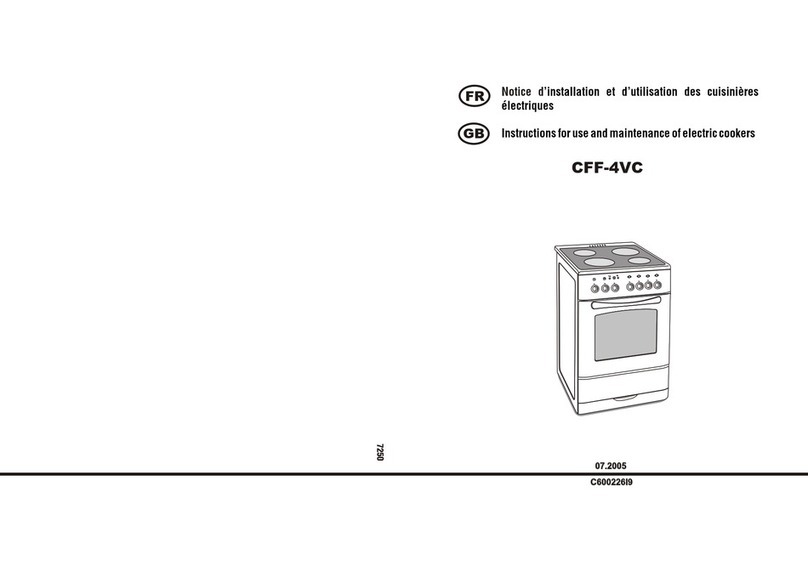
Fagor CFF-4VC Specification sheet

Fagor

Fagor CFF-4VC Specification sheet

Fagor DUO User manual

Fagor

Fagor DUO User manual

Fagor CFF-56VA Specification sheet

Fagor

Fagor CFF-56VA Specification sheet

Fagor FG870 User manual

Fagor

Fagor FG870 User manual

Fagor 5CF-56MSP X User manual

Fagor

Fagor 5CF-56MSP X User manual

Fagor CFF 964E Specification sheet

Fagor

Fagor CFF 964E Specification sheet

Fagor 5CF-4VMCX Specification sheet

Fagor

Fagor 5CF-4VMCX Specification sheet

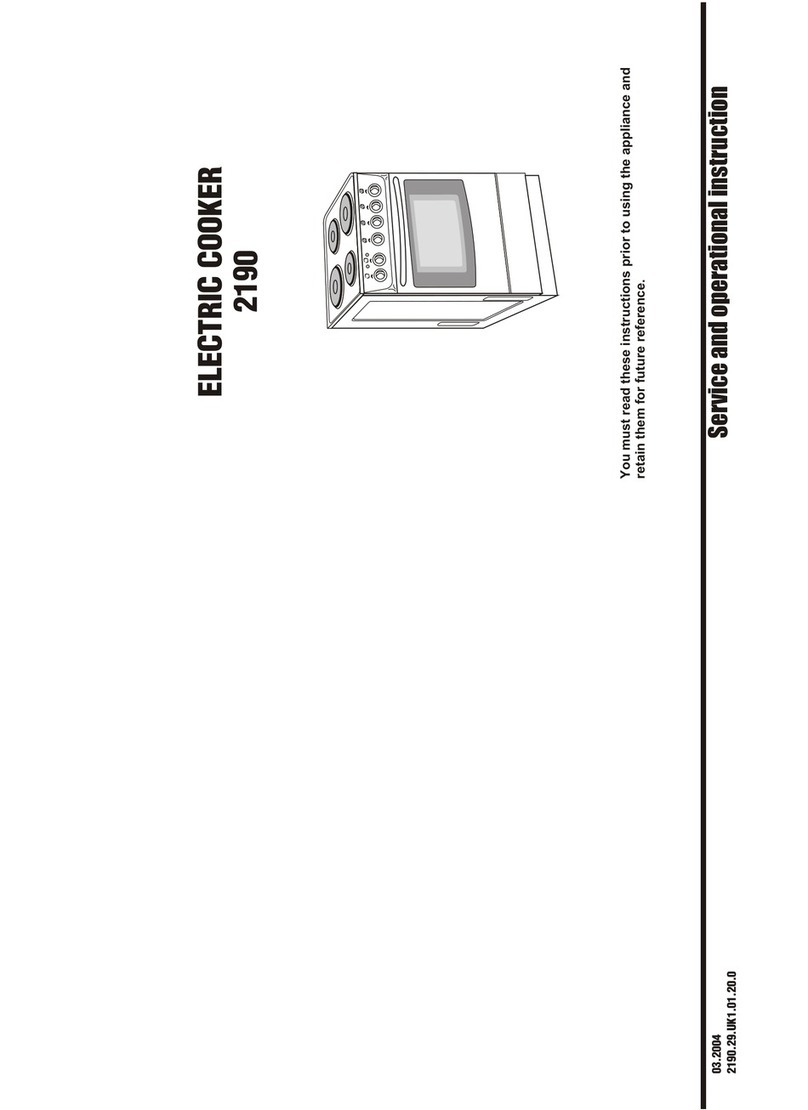
Fagor ELECTRIC COOKER 2190 User manual

Fagor

Fagor ELECTRIC COOKER 2190 User manual

Fagor 3CF-3V Specification sheet

Fagor

Fagor 3CF-3V Specification sheet

Popular Cooker manuals by other brands

Modena FC 7645 SGM User manual book

Modena

Modena FC 7645 SGM User manual book

Electrolux Insight EKG6049 user manual

Electrolux

Electrolux Insight EKG6049 user manual

Stanley Donard 60 Installation and operating instructions

Stanley

Stanley Donard 60 Installation and operating instructions

Bartscher 201TC manual

Bartscher

Bartscher 201TC manual

Parkinson Cowan 50 GR/BU installation instructions

Parkinson Cowan

Parkinson Cowan 50 GR/BU installation instructions

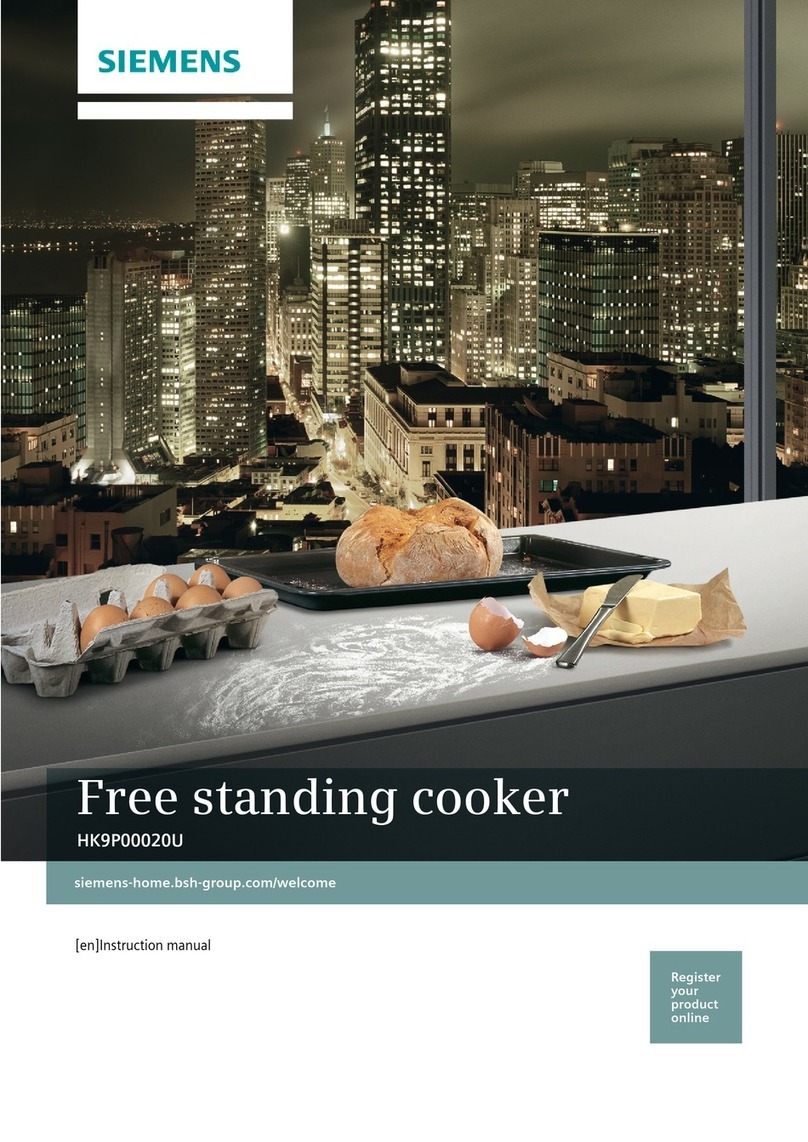
Siemens HK9P00020U instruction manual

Siemens

Siemens HK9P00020U instruction manual

Creda S150E Installation and user instructions

Creda

Creda S150E Installation and user instructions

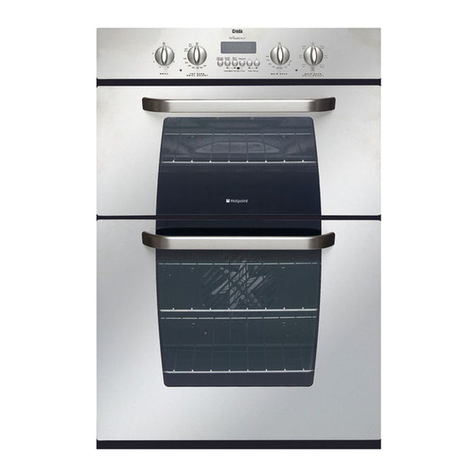
Creda HB48309 instructions

Creda

Creda HB48309 instructions

Bosch HCE743220F instruction manual

Bosch

Bosch HCE743220F instruction manual

Tricity Bendix SE545P manual

Tricity Bendix

Tricity Bendix SE545P manual

NEFF E1461A2/01 Instructions for use

NEFF

NEFF E1461A2/01 Instructions for use

Zanussi ZCM 700 X Instruction booklet

Zanussi

Zanussi ZCM 700 X Instruction booklet

Smeg SNL61MA9 user manual

Smeg

Smeg SNL61MA9 user manual

RiverGrille TF2002501-RG Assembly instruction

RiverGrille

RiverGrille TF2002501-RG Assembly instruction

Vollrath 69504F Operator's manual

Vollrath

Vollrath 69504F Operator's manual

Tricity Bendix CSIE500 Operating and installation instructions

Tricity Bendix

Tricity Bendix CSIE500 Operating and installation instructions

AEG Competence 5731 V Instruction book

AEG

AEG Competence 5731 V Instruction book

Euromaid ES60 Installation and operation manual

Euromaid

Euromaid ES60 Installation and operation manual

manuals.online logo
manuals.online logoBrands
  • About & Mission
  • Contact us
  • Privacy Policy
  • Terms and Conditions

Copyright 2025 Manuals.Online. All Rights Reserved.

Instrucciones de uso y mantenimiento de cocinas
eléctricas
Notice d'installation et d'utilisation des cuisinières
électriques
Instruções de uso e manutenção de fogões eléctricos
Instructions for use and maintenance of electric
cookers
ES
FR
PT
GB
C
C
2171; 7127
4CF-564E
4CF-644E
12.2005
C600048I0
Al final de la vida útil del aparato, éste no debe eliminarse mezclado con los residuos domésticos generales.
Puede entregarse, sin coste alguno, en centros específicos de recogida, diferenciados por las administraciones locales, o distribuidores
que faciliten este servicio.
Eliminar por separado un residuo de electrodoméstico, significa evitar posibles consecuencias negativas para el medio ambiente y la
salud, derivadas de una eliminación inadecuada, y permite un tratamiento, y reciclado de los materiales que lo componen, obteniendo
ahorros importantes de energía y recursos.
Para subrayar la obligación de colaborar con una recogida selectiva, en el producto aparece el marcado que se
muestra como advertencia de la no utilización de contenedores tradicionales para su eliminación.
Para mas información, ponerse en contacto con la autoridad local o con la tienda donde adquirió el producto.
INFORMACION PARA LA CORRECTA GESTION DE LOS RESIDUOS DE APARATOS
ELECTRICOS Y ELECTRONICOS
ES
A la fin de la vie utile de l'appareil, ce dernier ne doit pas être éliminé mélangé aux ordures ménagères brutes.
Il peut être porté, sans coût additionnel, aux centres spécifiques de collecte, agréés par les administrations locales, ou aux prestataires
qui facilitent ce service.
L'élimination séparée d'un déchet d'électroménager permet d'éviter d'éventuelles conséquences négatives pour l'environnement et la
santé, dérivées d'une élimination inadéquate, tout en facilitant le traitement et le recyclage des matériaux qu'il contient, avec la
considérable économie d'énergie et de ressources que cela implique.
Ao final da vida útil do aparelho, este não deve ser eliminado junto com os resíduos domésticos gerais.
Pode entregar, sem qualquer tipo de custo, em centros específicos de recolha, diferenciados pelas administrações locais, ou
distribuidores que facilitem este serviço.
Eliminar um resíduo de electrodoméstico em separado representa evitar possíveis consequências negativas para o meio ambiente e
para a saúde, provocadas por uma eliminação inadequada, e permite um tratamento e reciclagem dos materiais que o compõem,
obtendo uma poupança importante de energia e recursos.
Afin de souligner l'obligation de collaborer à la collecte sélective, le marquage ci-dessus apposé sur le produit vise
à rappeler la non-utilisation des conteneurs traditionnels pour son élimination.
Pour davantage d'information, contacter les autorités locales ou votre revendeur.
Para evidenciar a obrigação de colaborar numa recolha selectiva, o produto aparece marcado tal como se mostra
como advertência de não utilização de contentores tradicionais para a sua eliminação.
Para mas informação, entre em contacto com a autoridade local ou com a loja onde tiver adquirido o produto.
FR
PT INFORMAÇÃO PARAA GESTÃO CORRECTADOS RESÍDUOS DE APARELHOS
ELÉCTRICOS E ELECTRÓNICOS
INFORMATION POUR LA CORRECTE GESTION DES DÉCHETS D'APPAREILS
ÉLECTRIQUES ET ÉLECTRONIQUES
When the appliance reaches the end of its service life, you should not dispose of it with the general domestic waste.
It can be taken free of charge to the local administrations' specific selective collection centres, or to distributors who provide this service.
Separating a domestic appliance before disposing of it means you will prevent possible negative consequences for the environment and
health which may be given rise to by incorrect disposal, and it means the materials making it up can be treated and recycled, obtaining
important savings on energy and resources.
To remind you that you must collaborate with a selective collection scheme, there is a symbol on the product
warning you not to dispose of it in traditional refuse containers.
For further information, contact your local authority or the shop where you bought the product.
GB INFORMATION FOR THE CORRECT DISPOSAL OF ELECTRICALAND ELECTRONIC
APPLIANCES

16
*% TROUBLESHOOTING
6 TROUBLESHOOTING
WARNING !
Beforeproceedingwiththetroubleshooting,disconnectthecookerfromtheelectric
mains.
In case of disturbances in the cooker operation, check the guidelines below to learn if
you are able to remedy the problem by yourselves.
Oven fails to be turned on
• Burnt fuses - replace them.
• If the fuses burn again, it may mean that too many units are operated at the same
time.
Oven lighting does not function
If the oven has been operated and is still hot, wait until it cools
down.
• Bulb is not screwed all the way in - unscrew glass bowl 1from
lamp socket 2, and screw the bulb 3all the way in (Fig. 15)
• Burnt bulb - unscrew glass bowl 1of the lamp, and replace
with a new bulb featuring the following parameters: type E14;
230 V; 25 W; temperature resistance 300°C.
Fig. 15
Too much smoke in the oven
• When grilling, the generated smoke is a normal condition. The amount of smoke
can be lowered by decreasing the temperature or reducing the amounts of fat and
water in baking dish.
• Dirty turnspit. The fat left on the turnspit from the previous usage will be burnt for
some time and thus generating smoke. Take care to clean the turnspit thoroughly
after each use.
1
2
3
NOTE!
1. Use the special oven cleaning agent only for enamelled surfaces. You must
not use it for cleaning of catalytically enamelled shields.
2. While refitting the guides, make sure that they are properly fixed. The bar
limiting sliding of the insert into the oven should be placed in the rear part of
the oven.
1
(6
INTRODUCCIÓN
Gracias por el interés que ha manifestado por nuestros productos y por la compra de
nuestra cocina.
Antes de instalar y usar la cocina lea y siga atentamente las instrucciones del presente
manual que contiene informaciones importantes acerca de la seguridad, así como
indicaciones y sugerencias que le facilitarán el uso correcto del aparato.
Con el fin de modernizar el aparato y de mejorar su calidad, el fabricante se reserva el
derecho a introducir modificaciones, sin que ello signifique problema alguno para el
usuario.
Nuestros aparatos cumplen con las normas de seguridad EN 30-1-1; EN 30-2-1;
EN 60335-1; EN 60335-2-6.
La instalación de la cocina la debe realizar un instalador cualificado de aparatos de
gas o técnico del taller autorizado que se deberá atener a las normas de instalación
vigentes.
El fabricante declina cualquier responsabilidad por daños a enseres o personas
derivados de una mala instalación o un uso incorrecto del aparato.
ADVERTENCIA
1. El aparato está adaptado al tipo de gas y presión indicados en la placa de
características.
2. En caso de avería del aparato, y particularmente en caso de fuga de gas o de
cortocircuito, desconecte el aparato y avise al servicio técnico autorizado.
3. La cocina debe ser reparada exclusivamente por el personal de servicio técnico
autorizado. La reparación inadecuada puede causar riesgos graves. La cocina
dañada no puede ser usada hasta que no se efectúe la reparación.
4. No levante nunca la cocina agarrando del tirador de la puerta del horno.
5. Durante el uso el aparato se pone caliente. Se aconseja mantener cuidado y no
tocar elementos calientes dentro del horno.
6. Si se usa el grill, las partes accesibles pueden calentarse. Evitar el contacto de
los ninos.
7. Para evitar el riesgo de choque eléctrico, antes de cambiar la lámpara hay que
asegurarse de que el aparato está apagado.
2
(6 INDICE
1 INFORMACIONESGENERALES ..........................................................................3
1.1 CARACTERÍSTICASTÉCNICAS..............................................................................3
1.2 CONSTRUCCIÓN....................................................................................................4
1.3 PREPARACIÓN........................................................................................................5
1.4 INDICACIONESIMPORTANTES.............................................................................5
1.5 UBICACIÓNDECOCINA.........................................................................................6
2 INSTALACIÓN.......................................................................................................7
2.1 CONEXIÓNDECOCINAALAINSTALACIÓN DE GAS .............................................7
2.1.1 CONEXIÓNAGASNATURAL..................................................................................7
2.1.2 CONEXIÓNALABOMBONADE BUTANO................................................................7
2.1.3 CAMBIODEINYECTORES.......................................................................................8
2.1.4 REGULACIÓNDELMÍNIMO .....................................................................................8
2.2 CONEXIÓNDE COCINAALAINSTALACIÓNELÉCTRICA....................................9
3 ENCIMERA...........................................................................................................10
3.1 QUEMADORESDEGAS........................................................................................10
3.1.1 ELECCIÓNDELALLAMAADECUADA ..................................................................10
3.1.2 ENCENDIDOYAPAGADODELOSQUEMADORES...............................................11
3.1.3 ELECCIÓNDELOS RECIPIENTESADECUADOS..................................................11
3.2 PLACAELÉCTRICA...............................................................................................12
3.3 ELECCIÓNDELOSRECIPIENTESADECUADOS.................................................13
4 HORNO................................................................................................................14
4.1 CONSTRUCCIÓNYEQUIPAMIENTO....................................................................14
4.2 MANDOSELECTORDEFUNCIONES....................................................................15
4.3 MANDOREGULADORDETEMPERATURA...........................................................16
4.4 MINUTERO............................................................................................................16
4.5 ENCENDIDOYAPAGADODELHORNO ................................................................16
4.5.1 ENCENDIDODELHORNO....................................................................................16
4.5.2 APAGADODELHORNO.........................................................................................16
4.6 MODALIDADESDEUSO........................................................................................17
4.7 INDICACIONESGENERALESSOBREPREPARACIÓNDEALIMENTOS...............18
4.7.1 INDICACIONESSOBRE ELUSODELHORNO.......................................................18
4.7.2 ASADOENELHORNO..........................................................................................19
4.7.3 ESTOFADOENELHORNO....................................................................................19
5 LIMPIEZAYMANTENIMIENTO ............................................................................21
5.1 ADVERTENCIASGENERALES..............................................................................21
5.2 LIMPIEZADELATAPA...........................................................................................21
5.3 LIMPIEZADELOSQUEMADORESDEGAS..........................................................21
5.4 LIMPIEZADELAPLACAELÉCTRICA....................................................................22
5.5 LIMPIEZADELHORNO..........................................................................................22
5.5.1 DESMONTAJEDELAPUERTADELHORNO .........................................................23
5.5.2 DESMONTAJE DE LAS GUÍAS Y DE LAS PROTECCIONES
LATERALES CATALÍTICAS .....................................................................................23
5.5.3 LIMPIEZADELACAVIDADDELHORNO................................................................24
6 ELIMINACIÓNDEDEFECTOS .............................................................................25
15
*%
5.4.2 DISASSEMBLY OF GUIDES AND SIDE CATALYTIC SHIELDS
CLEANING AND MAINTENANCE
CAUTION!
1. The hinge bow is tense with a big strength, therefore while taking out the
door a special care must be taken not to cut one's own fingers.
2. During cleaning the upper wall of oven you should pay attention to electric
heaters, temperature sensor and lamp of oven illumination; do not change
position of sensor setting.
3. Do not pour water onto the bottom of oven otherwise it may trickle through
some possible leakage and get on the lower heater.
In order to replace the side catalytic shields, first disassemble both sets of the guides.
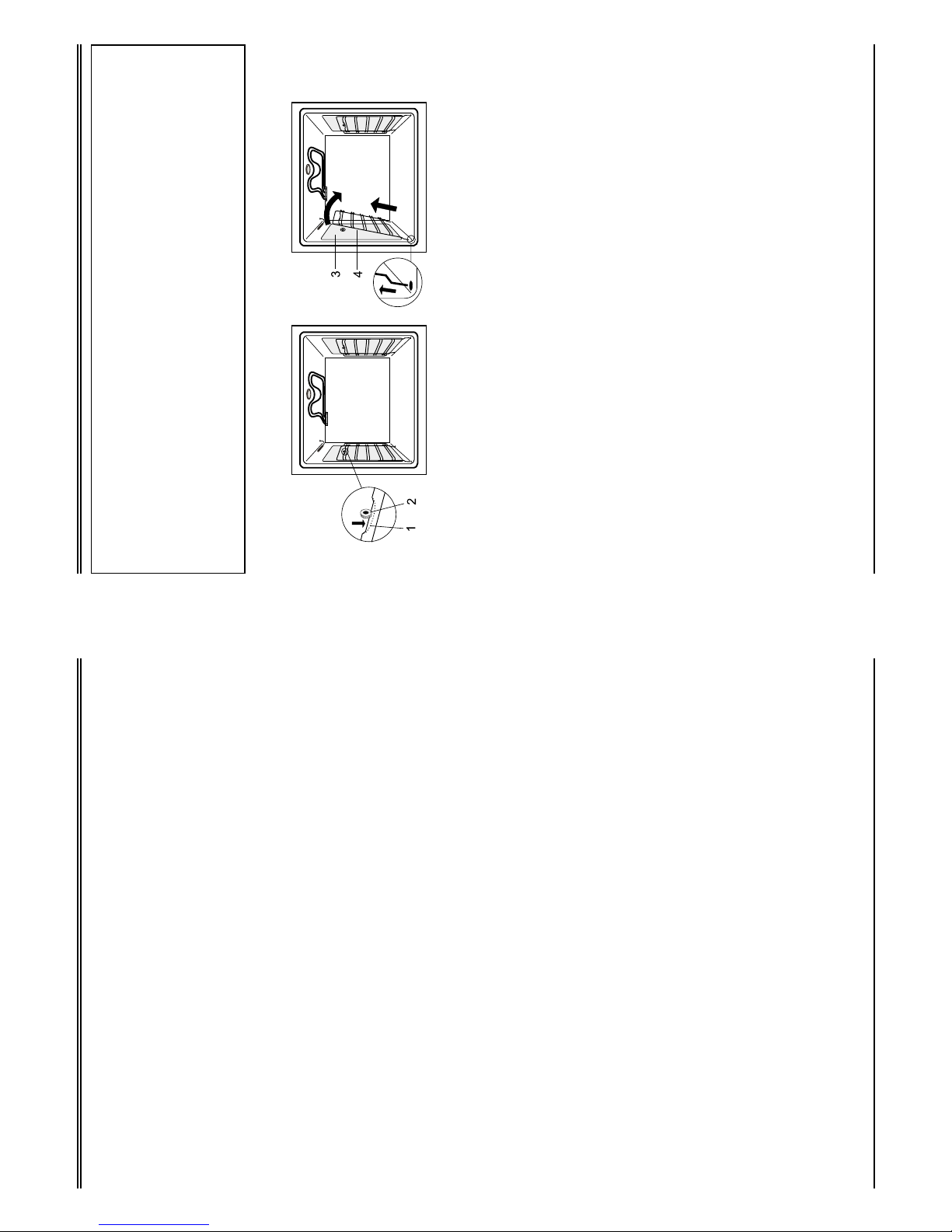
Disassembling the guides:
−slightly press the upper bar of the ladder 1 down and release is from the blocking
nut 2, (fig. 14a),
−turn the guides 4 towards inside of the oven and remove them from the holes
(fig. 14b),
−remove catalytic shields 3.
Clean the ladder guides with a sponge or brush using dish washing agent.After cleaning,
take all actions in the reverse sequence to disassembly.
5.4.3 CLEANING OF THE CHAMBER INTERIOR
• After removing all catalytic shields you can clean the inside of the chamber
• Clean the enamelled surfaces with agents intended for cleaning the kitchen.
• In order to clean stubborn baked stains you can use a special cleanser intended for
oven cleaning. As these detergents are caustic, you should use them in minimal
amount and with a great caution, observing the recommendations of detergent
manufacturer.
" In order to make cleaning of the oven interior easier, you can switch on the lamp. In
order to do it, set the function selection knob to any function and the temperature
control knob in "0" position. The lamp will remain lit.
" In order to clean glass cover of the lamp (item 1 in fig. 15), unscrew it, wash in warm
water and deter-gent, dry and refit.
Fig. 14
14
*%
5.4 OVEN CLEANING
CAUTION!
1. Before cleaning you should wait until oven cools down. Hot heaters may
cause burns.
2. Cleaning the oven in use of appliances for steam generation under
pressure is not allowed.
3. It is the best to clean the bottom of the oven after each use, not to allow
the remains of food and spots of oil to roast again.
•The oven compartment is coated with ceramic enamel, and both of the side covers
and the rear cover are coated with catalytic enamel.
•During normal use, the oven compartment is heated to high temperatures, which
facilitates absorbing the emitted fumes by the catalytic enamel.
•Periodically, especially after cooking very fat dishes, the self-cleaning cycle must be
carried out. It is done by in turning the oven on for one hour's time and setting the
maximum temperature (250°C). During this time, the oven door should be closed.
During the self-cleaning cycle, the dirt deposited on the oven walls oxidizes and
evaporates.
•After some time, the catalytic covers will loose their self-cleaning properties; when
their surface becomes glossy they should be replaced.
•In order to replace the catalytic covers, it is necessary to remove the oven door and
guide assembly.
5.4.1 DISASSEMBLY OF OVEN DOOR
•Open the door entirely
•Lock hinges on both sides of the door by placing the clamping ring 1on the catch 2
of the hinge bow 3(fig. 13)
•Next grasp the door with both hands, turn it in closing direction through an angle of
450and take out the hinges.
CLEANING AND MAINTENANCE
Fig. 13 Taking out the oven door
When the oven door is removed, you can dismantle both pairs of quides. The quides and
oven bottom should be preferably cleaned each time they get dirty.
3
(6
1 INFORMACIONES GENERALES
1.1 CARACTERÍSTICAS TÉCNICAS
La cocina se ha diseñado para la preparación de alimentos exclusivamente en el
hogar. Su uso para otros fines está prohibido. Tabla 1
INFORMACIONES GENERALES
Dimensiones externas (altura x anchura x profundidad) [mm]
Dimensiones útiles de horno altura x anchura x profundidad
()
Potencia nominal de la cocina eléctrica [kW]
Encimera
1 unid. 1 unid.
1 unid. 1 unid.
1 unid. 1 unid.
1 unid. 1 unid.
1 unid.1 unid.
1 unid. 1 unid.
1 unid. 1 unid.
1 unid. 1 unid.
placa eléctrica 145 mm / 1500 W Exø
placa eléctrica 145 mm / 1000 Wø
placa eléctrica 180 mm / 2000 W Exø
placa eléctrica 180 mm / 1500 Wø
Horno
eléctrico
resistencia superior [kW]
resistencia inferior [kW]
resistencia del grill [kW]
girapollos
iluminación del horno 15/25 W
Equipamiento
del horno
bandeja esmaltada
rejilla
protección de los mandos
soporte del girapollos
[mm]
4CF-564 E 4CF-644 E
850 x 500 x 600 850 x 600 x 600
330 x 386 x 425 330 x 428 x 425
8,0 8,2
•
•
•
•
0,7 0,7
1,5
1,3
2,0
2,0
4
2
14
11
12
13
8
3
7
1
6
9
5
1510
C
C
1.2 CONSTRUCCIÓN
Fig. 1
1 - encimera
2 - horno eléctrico
3 - puerta del horno
4 - cajón
5 - tapa
6 - placa ø180mm/1500W
7 - placa ø145mm/1000W
8 - placa ø145mm/1500W Ex
9 - placa ø180mm/2000W Ex
10 - mando selector funciones horno
11 - mando regulador de temperatura
12 - piloto regulador de temperatura
13 - piloto funcionamiento de cocina
14 - bandeja
15 - rejilla
4
(6
1.3 PREPARACIÓN
1. Retire de la cocina los elementos de embalaje, incluido el plástico que recubre las
partes de acero inoxidable. Los materiales de embalaje tienen que ser tratados de
acuerdo con la normativa vigente.
2. Limpie las superficies esmaltadas y de cristal con un paño suave y húmedo.
3. Antes de usar la cocina por primera vez, ponga la placa eléctrica en ”6” durante unos
5 minutos sin recipiente. Durante este tiempo se quemará la superficie de protección
que recubre la placa. Cuando se enfríe, limpie la placa con un paño seco.
4. El horno, la rejilla, la bandeja, etc. límpielos con una disolución caliente de
detergente.
5. Ponga el horno en marcha a temperatura máxima durante 1 hora. El humo y olor
que se desprenden del horno durante este tiempo son de poca importancia y
basta asegurar la ventilación correcta abriendo las ventanas.
1.4 INDICACIONES IMPORTANTES
La instalación de la cocina la debe realizar un instalador autorizado o técnico del
centro de servicio autorizado. En caso de avería desconecte la cocina de la red
eléctrica.
1. Durante el uso, los quemadores, las placas eléctricas y la cavidad del horno se
calientan. ¡Evite el acceso de los niños!
2. Las grasas y los aceites sobrecalentados pueden quemarse fácilmente, por lo
tanto los alimentos de este tipo prepárelos siempre bajo control.
3. Para quitar las cazuelas de la encimera y sacar moldes del horno utilice guantes
de protección.
4. Antes de cerrar la tapa apague todos los quemadores y la placa eléctrica. La tapa
de cristal puede romperse si se calienta en exceso.
5. Durante su uso la cocina se calienta. ¡Tengan cuidado de no tocar elementos
calientes dentro del horno!
6. En el horno y en el cajón no almacene objetos inflamables y no resistentes al calor.
7. No sobrecargue la puerta abierta. No se apoye sobre ella.
8. Los cables de alimentación de otros electrodomésticos deben pasar lejos de la
cocina encendida y caliente.
9. No utilice el aparato para calentar el local.
Placa eléctrica
- Mantenga la placa limpia. La placa sucia no transmite la totalidad de su
potencia.
- Ponga en marcha la placa sólo después de colocar la cazuela encima, salvo la
primera puesta en marcha.
- No ponga cazuelas mojadas ya que la humedad provoca la corrosión.
- No moje la placa caliente con agua fría.
- Apague la placa unos minutos antes de terminar la cocción ya que la placa
acumula el calor y sigue estando caliente algún tiempo después de apagarse.
- No prepare en la placa los alimentos en lámina de aluminio o en vajilla de
plástico; no ponga encima platos de plástico, etc.
INFORMACIONES GENERALES
13
*%
5 CLEANINGANDMAINTENANCE
Warning !
Before proceeding with washing and cleaning, disconnect the cooker from
the electric power supply and wait until it cools down.
5.1 GENERAL REMARKS
• Thecookermust be regularly cleaned. While cleaning,avoidusingany coarse-grained,
abrasive powders, wire sponges aggressive chemicals and sharp objects.
• The parts made of stainless steel, knobs and fascia panel should be cleaned with
soft cleaning liquids without any abrasive agents.
• Clean the enamelled parts with a soft cloth or sponge moistened in lukewarm water
with addition of soft detergent, avoiding too much water. Remove heavy stains with
special agents used for cleaning the kitchen.
• After using them, baking tins and forms, and meat roasting pans should be soaked
in lukewarm water with the addition of washing liquid, then washed and carefully
dried.
• Check to make sure that the oven door seal is clean.
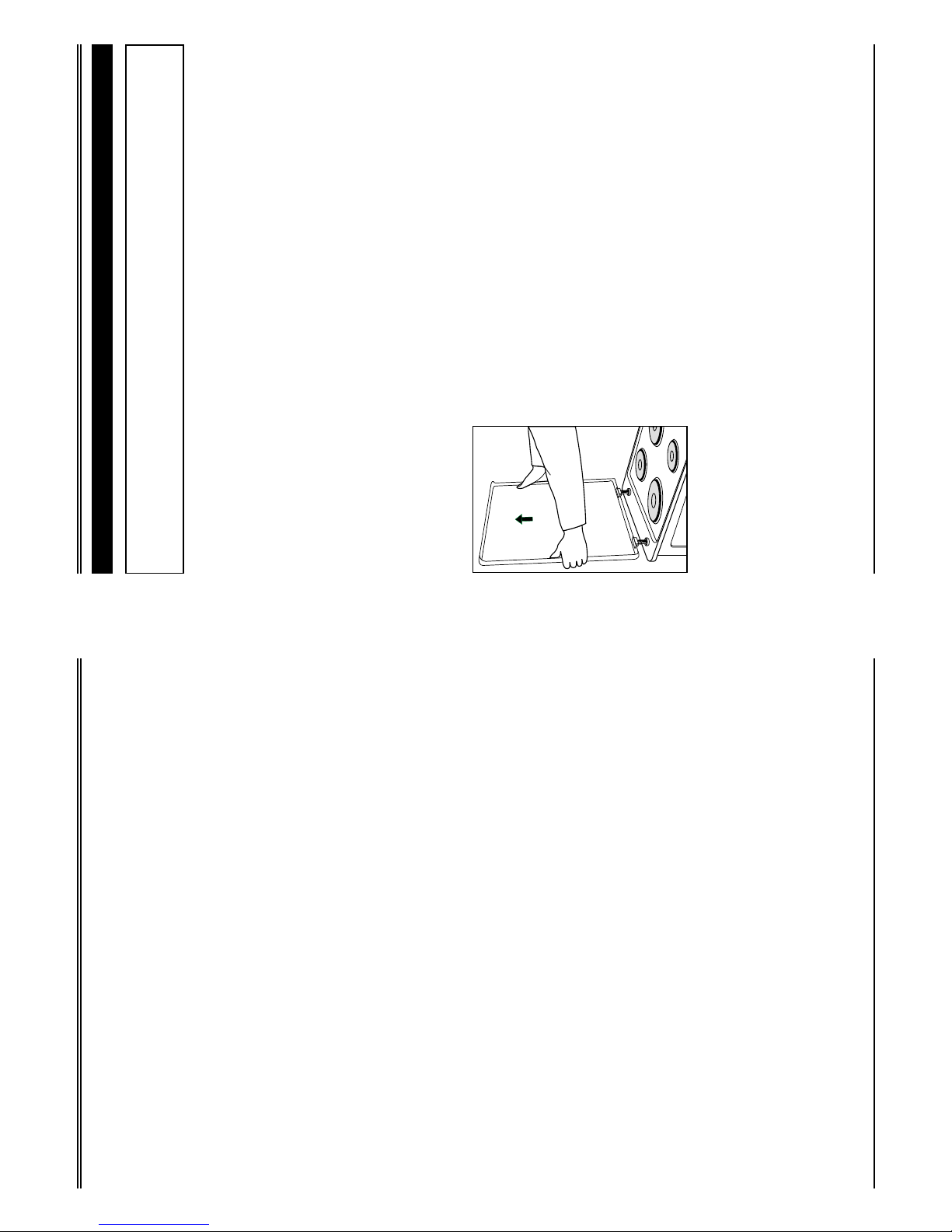
5.2 CLEANING THE LID
• When cleaning the cooker, it is possible to remove the
cover.
• In order to do so, turn the lid to its vertical position, take
hold of its side with both hands, move the cover
upwards pulling it out of the hob holes (Fig. 12).
• Then wash the cover, dry it and put aside.
Fig. 12
CLEANING AND MAINTENANCE
5.3 CLEANING THE HOT PLATE
•Clean the hot plate with a damp sponge, and then dry it by turning it on for a few
seconds. To ensure the aesthetic appearance, apply any commercially available
grease intended for the maintenance of hot plates.
•Thehotplate rings can be cleaned with agents intendedforthemaintenance of stainless
steel parts. As a result of overheating, the ring can get yellow tint, which is normal.
•If the hotplate is to be out of use for a long time, apply some grease periodically.
12
*% THE OVEN
In the oven compartment, it is possible to cook any dish. The meat can be grilled on the
baking tray or grate shelf with the tray placed underneath for catching the dripping fat.
WHEN YOU BAKE/ROAST IN THE OVEN, OBSERVE THE FOLLOWING RULES
Keep proper temperature of roasting!
• Roasting temperature is mainly dependent of the type and size of meat. Typically,
the roasting temperature is form 200 to 2500C.
4.6.3 STEWING IN THE OVEN
• Easy boiling foodstuffs such as meat, vegetables, fruits, etc. may be stewed in the
oven.
• Preheat the oven to 170-2000C. This setting may be kept for the full time of stewing.
Oven door shall be closed during stewing. When stewing vegetable, pour a little
water and stew for the shortest time possible. Excessive time of stewing deprive
vegetables from valuable nutrients.
Below, Tables 3 and 4 summarize approximate cooking timings for dough and meat.
These are indicative values, which in practice may vary up or down. They depend on the
pots used, their shapes and sizes and on the browning you prefer.
Table 3. Cakes
Table 4. Meat dishes
Dish Temperature [ C]
O
Timing [min.]
Meat
-short roasting 225 - 250 12 - 15 per centimetre
of meat thickness
Meat
-long roasting 190 - 210
Chicken 225 -250 50 - 60
Goose, duck, turkey 200 - 210 Upto3hours depending
on the size
Venison 190 - 210
Fish
-roasting, up to 2kg
-stewing, up to 2kg
225 - 250
180 - 200
20-30
30-50
Cake Temperature [ C]
O
Timing [min.]
Friablecake180 - 190 45 - 60
Yeast-cake180 - 200 45 - 60
Crumble-cake200 - 220 20 - 30
Fruit-cake200 - 210 30 - 40
Sponge-cake180 - 200 20 - 30
Shortcake210 - 220 10 - 20
Twist cake220 - 240 30 - 40
5
(6
2.1 UBICACIÓN DE COCINA
• El aparato puede instalarse y usarse exclusivamente en locales ventilados de
forma adecuada, según las normas de instalación en vigor de cada país. Las
rejillas de ventilación deben permanecer abiertas o es preciso instalar un sistema
de ventilación forzada (campana).
• Sobre el aparato debe mantenerse un espacio libre para la adecuada evacuación
de vapores. En caso de instalar una campana, la distancia mínima entre la encimera
de gas y la campana debe ser de 650 mm.
• El local debe ser seco. La ubicación del aparato debe garantizar el acceso libre a
todos los elementos de mando.
•La cocina puede ser colocada en fila de los muebles solamente hasta la altura
de 850mm. La distancia entre los lados laterales de la cocina y los armarios de
la cocina debe ser por lo menos 30mm.
• El aparato debe instalarse lejos de materiales inflamables. No coloque muebles
por encima de la cocina.
• Antes de usar el aparato, es preciso nivelarlo. Para este fin dispone de patas
regulables a las que se accede retirando el cajón.
2.2 CONEXIÓN DE COCINAA LAINSTALACIÓN ELÉCTRICA
• Las cocinas equipadas con un cable de alimentación con clavija deben conectarse
al enchufe con contacto de protección.
• La conexión al enchufe sin contacto protector puede causar choques eléctricos en
caso de daños de la instalación eléctrica de la cocina.
• El enchufe de la red debe ser accesible para el usuario. Evite el contacto del cable
de alimentación con elementos calientes del aparato.
Si el aparato no está equipado con el cable de alimentación con clavija, deberá ser
instalado adecuadamente por un instalador cualificado conforme a las normas
vigentesde seguridad. Se prohibe realizarcambios o remodelaciones de lainstalación
de gas y eléctrica del aparato.
Antes de proceder a la conexión asegúrese de que:
- latensiónnominal en el local es igualquelaindicada en la placa de características,
- la línea de alimentación del aparato está preparada para suministrar la potencia
máxima consumida por el aparato indicada en la placa de características.
La instalación eléctrica de alimentación de cocina debe estar equipada con un interruptor
de seguridad que actúa en caso de avería. La distancia de apertura de los contactos
del interruptor debe ser igual o superior a 3 mm.
Para conectar el cable de alimentación a la red se debe tener en cuenta que:
- el cable verde-amarillo (de protección) debe conectarse al borne de tierra ,
- el cable azul es neutro (cero),
- los cables marrón, negro y rojo son para la fase (live),
2 INSTALACIÓN
INSTALACIÓN
6
(6
3.1 PLACA ELÉCTRICA
¡ADVERTENCIA!
Al aparecer cualquier grieta en la placa eléctrica, desconecte el aparato
inmediatamente y avise al personal autorizado para realizar reparaciones.
Alcance de uso del mando de 7 posiciones
Fig. 2
ENCIMERA
- el cable no debe entrar en contacto con las superficies cuya temperatura sea
superior a 75OC,
- en caso de que el aparato se entregue sin cable, utilizar uno del tipo H05RR-F ó
H05V2V2 con la sección adecuada como arriba se ha indicado.
A continuación se representa el esquema de posibles conexiones:
3 ENCIMERA
Posición del mando Sirve para
6
5
4
3
2
1
0
hervirrápidamente o asarasar
fuertemente carnes y pescados
asar suavemente
cocinar alimentos voluminosos, sopas densas
cocinar patatas, sopas
estofar verduras, pescados en salsa
placa apagada
L1L2L3N
230V
230V
230V
PE
L
1
LL
23
NN
3N ~400V 50Hz
5 x 1,5 mm
2
L1L2N
230V
230V
PE
L
1
LL
23
NN
2N ~400V 50Hz
4 x 2,5 mm
2
L1N
230V
PE
L
1
LL
23
NN
1N ~230V 50Hz
3x6mm
2
L1L
230V
PE
L
1
LL
23
NN
2 ~230V 50Hz
3x6mm
2
2L1L2L
230V
230V
230V
PE
L
1
LL
23
NN
3 ~230V 50Hz
4 x 2,5 mm
2
3
Int.nominal
por fazes
34,8 A
Protección
40 A
Int.nominal
por fazes
26,1 A
Protección
32 A
Int.nominal
por fazes
13,0 A
Protección
16 A
Int.nominal
por fazes
34,8 A
Protección
40 A
Int.nominal
por fazes
22,6 A
Protección
25 A
11
*%
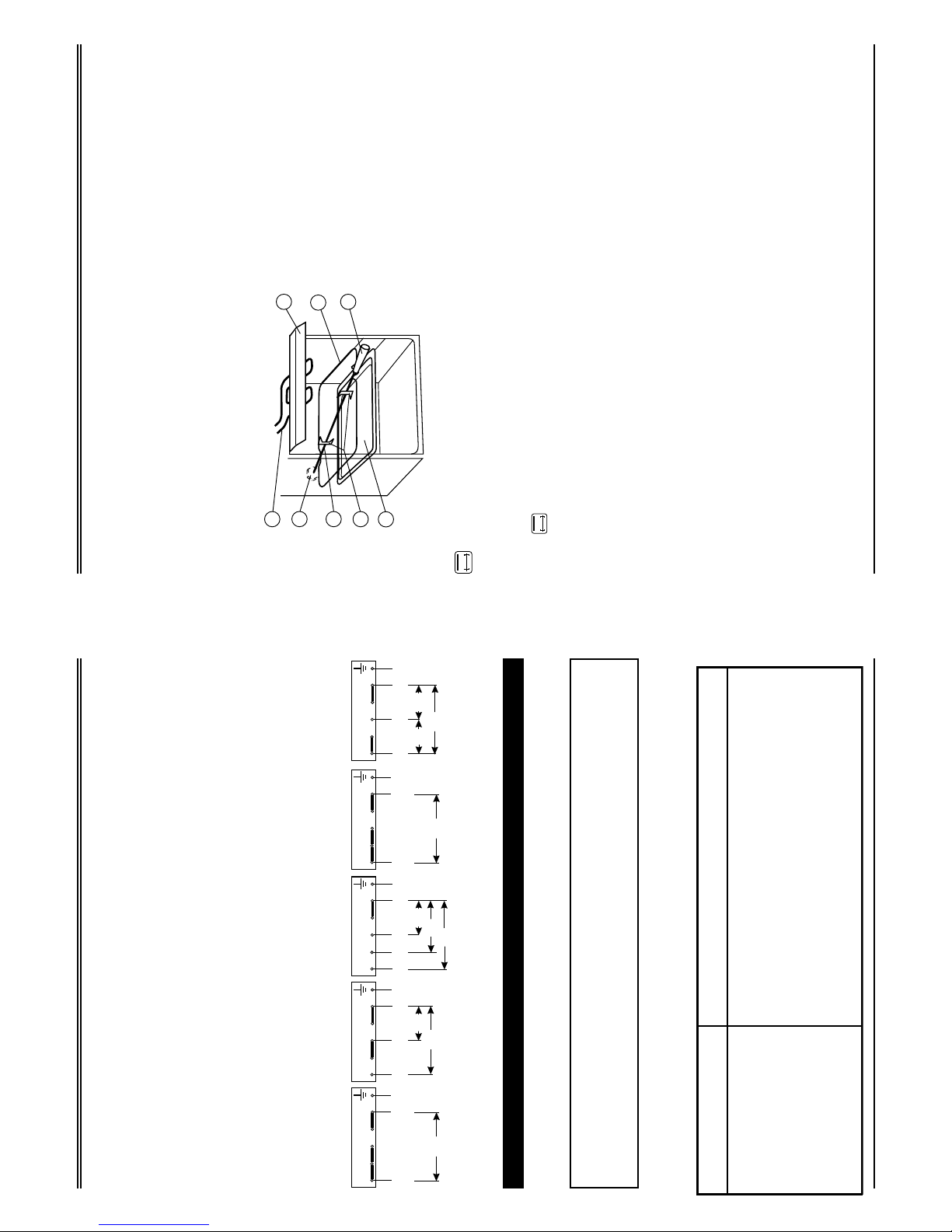
–slide one fork onto the spit and stick meat onto it while paying attention it is
symmetrical along the stick; then slide in the second fork and secure it in its
position by tightening the set screw;
–insert the pointed end of spit into the roast-spit drive connection, push it home
and rest the other end of spit on the frame;
–screw out the handle, install the knob protection screen and keep the oven door
totally open;
–turn on the oven, adjust the temperature and, possibly, set the time of grilling.
Fig. 11
1 - grill heater;
2 - roasting-spit drive;
3 - forks;
4 - spit;
5 - baking tray;
6 - roasting-spit frame;
7 - knob protection screen;
8 - handle.
THE OVEN
3
4
5
6
7
8
1
2
UPPER HEATER TURNED ON
The function enables slower roasting of the food on the rotating spit;
recommended for grilling sausages. When operating the oven accomplish the
same steps as in previous point but the function selector knob turn to position
.
4.6 GENERAL HINTS ON PREPARING DISHES
4.6.1 HINTSON OPERATING THEOVEN
• When the indicator lamp goes off, it means the oven reached the temperature
required. If along with the baking tray delivered with cooker you use other baking
tins, they shall be placed in the centre of the wire shelf.
• When selecting the temperature of baking, consider the following rules:
Dough rolled out to thin cake - high power, short baking time.
Thick and liquid dough - lower power, longer baking time.
• To check if the baking food is ready, insert a wooden stick into it a few minutes before
the oven is turned off. If the pastry does not stay stuck to the stick - the food is ready.
After the baking, leave the pastry in the oven for another 5 minutes.
4.6.2 BAKING / ROASTING IN THE OVEN
The baking should be carried out using the convectional heating after setting the required
temperature. Place the dish in the oven when the red indicator light goes out.
10
*%
GRILLINGWITHROASTING-SPIT
Roasting-spit is used to rotary grilling such dishes as poultry, sausages, etc.
How to handle the oven:
–remove all unnecessary outfit from the oven and slide in the roasting-spit frame;
UPPER HEATER TURNED ON
The function is intended for baking finish. Thanks to this function the dish can be
brownedfromthetop.Thisheating method can also be used for fast cooking (toasts,
casseroles).
TRADITIONAL GRILLING
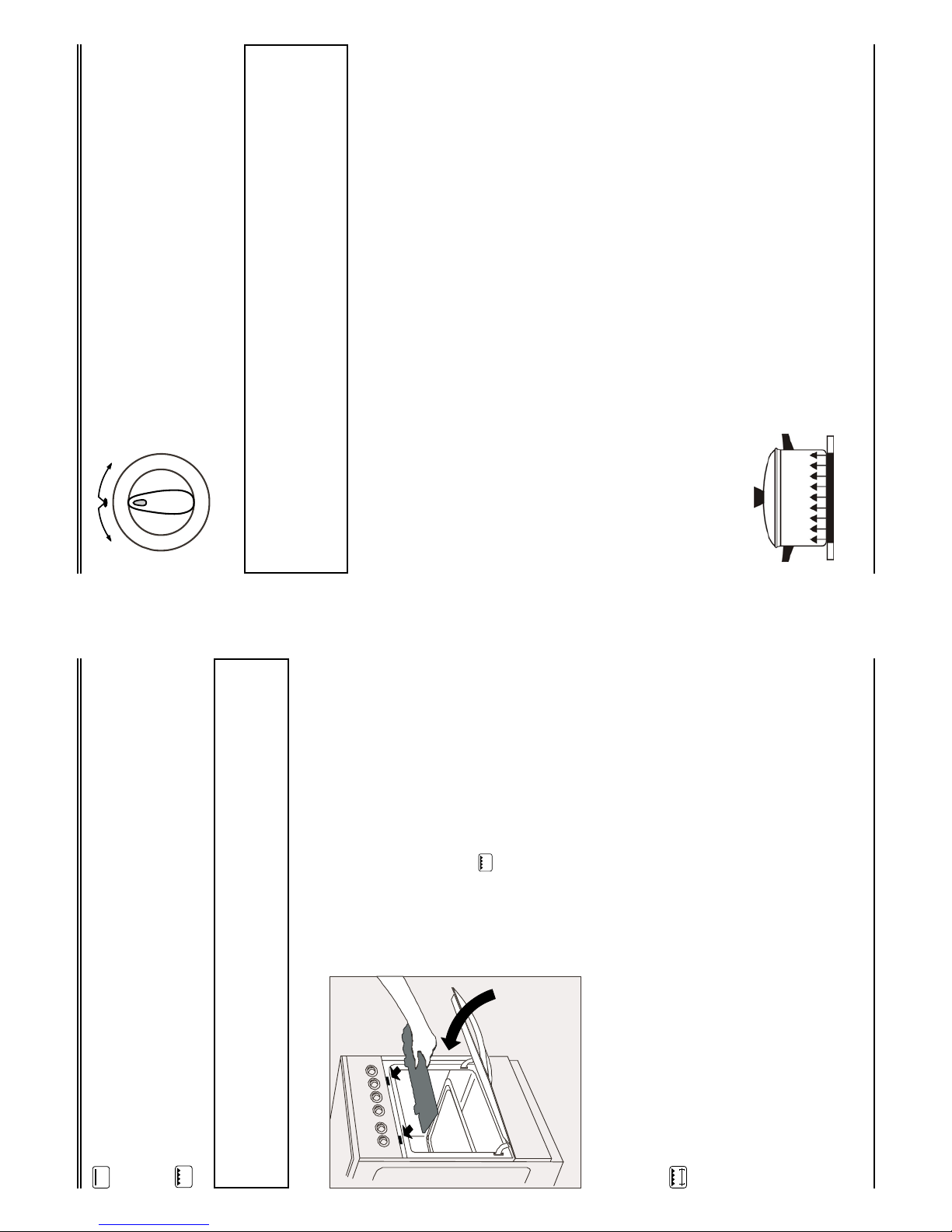
Fig. 10 Fitting the knob
protection screen
How to use the electric grill:
- put the dish in the oven,
- insert on the highest runner,
- insert the drip tray on the bottom runner,
- fit the knob protection screen and keep the
oven door totally open (Fig. 10),
- set the function change-over switch knob to
position ,
- set the required temperature,
- After half of the grilling time, turn the grilled
portions over.
When the grilling is over - turn the oven off.
THE OVEN
WARNING !
While grilling, the appliance must not be left without supervision. Accessible
parts of the cooker are very hot ! Keep children well away.
GRILLING
After selecting this function, the grill heater and turnspit drives are turned on. If the
user does not intend to use the turnspit, the dish should be placed on the grate
shelf, or directly under the grill heater and grilled in the traditional manner.
7
(6
• La potencia de la placa es regulable a través del mando
de siete posiciones. Este tipo de mando permite regular
el calor de forma económica.
• En el mando, que gira libremente en ambos sentidos,
se han indicado las posiciones de 1 a 6 (ver Fig. 3). Las
posiciones marcadas corresponden a la potencia de la
placa.
0
1
2
6
5
3
4
Fig. 3
ENCIMERA
¡Importante!
1. No dejar funcionar las placas sin ollas excepto la primera vez.
2. Si la placa va a permanecer mucho tiempo inactiva, es aconsejable
engrasar moderadamente la superficie barnizada.
3. Evitar las incrustaciones sobre la placa que luego serán difíciles de
eliminar.
Cocción
Hasta la ebullición posicionar el mando en
6yparaseguir en 2; si esnecesario,poner
en otra posición más alta o más baja.
Asado
Poner el mando en la posición 6para
calentarlagrasa.Luego colocar el alimento
en la olla y poner el mando en 4. Si es
necesario,seleccionar la potencia más alta
o más baja.
• Es aconsejable apagar la placa eléctrica unos 5-10 minutos antes de terminar la
cocción para aprovechar su potencia final.
3.2 ELECCIÓN DE LOS RECIPIENTES ADECUADOS
• Las ollas deben tener fondos gruesos, planos y secos con diámetro igual o mayor
que el de la placa eléctrica. Si el diámetro del fondo de la olla es menor que el de
la placa eléctrica, mucho calor queda sin aprovecharse.
• La superficie del fondo deformada aumenta el tiempo de cocción y el consumo de
energía eléctrica.
• Las ollas de cristal destinadas para cocción con placas eléctricas deben tener el
fondo de diámetro igual que el de la placa. La olla más grande que la placa puede
romperse a consecuencia de las tensiones producidas. No se debe añadir agua
fría a la olla caliente ni apartar la olla caliente a las superficies metálicas o de
piedra.
• La olla debe estar tapada lo que evita concentraciones excesivas de vapor en el
local.
¡Correcto!
• Poco consumo de energía
• Buena conducción de calor
- ollas planas
- diámetro del fondo igual al de la placa
- tapa bien ajustada
Fig. 4
8
(6
4.1 CONSTRUCCIÓNY EQUIPAMIENTO
4CF-564 E 4CF-644 E
Fig. 6
1 - resistencia superior, 2 - resistencia del grill; 3 - resistencia inferior; 4 - motor del
girapollos; 5 - guías; 6 - paneles laterales catalíticos; 7 - lámpara; 8 - detector de
temperatura;
• El horno está equipado con guías en cinco niveles [1], [2], [3], [4] y [5] destinadas
para colocar bandeja o rejilla con alimentos.
• En la parte superior del horno está instalada la resistencia superior 1y la resistencia
del grill 2, así como la lámpara 7que ilumina el interior del horno. Debajo del fondo
(no visible) está la resistencia inferior 3.
EQUIPAMIENTO
Bandeja esmaltada para pasteles. Se puede usar como
depósito de recogida de grasa si la cocción se realiza
directamente en la rejilla.
Rejilla sirve para depositar los recipientes que utilizamos
en el horno. En la rejilla se pueden asar directamente
algunos alimentos como biftecs, chorizos, pescados o
tostadas.
Fig. 5
¡Incorrecto!
Mucho consumo de energía
• Mala conducción de calor
• Largo tiempo de cocción
Olla demasiado pequeña Fondo de la olla deformado Tapa no ajustada
HORNO
4 HORNO
9
*%
4.3 TEMPERATURE SELECTOR
• The temperature control knob (Fig. 9) allows for setting and automatically maintaining
the oven inside temperature on the set level.
• On the knob there are following settings - 50, 100, 150, 200, and 250, which
correspond to the selected temperatures in [°C].
• When selecting the temperature - turn the knob in the clockwise direction, to switch
the control off - turn in the opposite direction.
• On selecting a temperature, the control light will come on. When reaching the set
temperature, the heaters are automatically turned off and the indicator lamp goes
out. The heaters and indicator lamp are turned on and off as a result of temperature
controller operation.
4.4 TURNING THE OVEN ON AND OFF
4.4.1 TURNING THE OVEN ON
1. Set the cooking method with the function selector.
2. Set the temperature with the temperature selector.
4.4.2 TURNING THE OVEN OFF
Always remember to set the function and temperature selector back to 0 when you finish
using the oven.
THE OVEN
The following functions can be selected:
- grill
- grillandroasting-spit
- grillandupperheater
0
- oventurnedoff
- lowerheater
- Conventional Heating
(lowerandupperheater)
- upperheater
Fig. 8 Fig. 9
Function Temperature
Selector Selector
4.5 COOKING METHODS
LOWER HEATER TURNED ON
This function allows for extra heating of the cake bottom. It is used during the last
10 - 15 minutes of the dish stay in the oven.
CONVENTIONAL SYSTEM (lower heater and upper heater turned on)
With this function, dishes are heated from the bottom and from the top. This kind of
heating is ideal for cooking cakes, meat, fish, pizza and bread. The dishes should be
placed on a single, preferably middle level of the oven.
0
50
100
150
200
250
Turn-on
direction
Turn-off
direction