We Deliver Solutions tailored to your needs
Does RF Interference affect the satellite signal?
All wireless devices, including satellite telephones, are susceptible to RF (Radio Frequency)
interference from other electronic devices. This problem is especially evident when numerous
antennas and broadcasting devices are located within close proximity to each other.
A good example would be onboard a ship. It is important that certain considerations be taken
into account for best performance when an Iridium system is installed.
Causes of RF Interference:
Some subscribers have contacted Iridium regarding the loss of signal quality when they operate
their equipment near active INMARSAT terminals. The power with which INMARSAT units transmit
can overpower the Iridium unit’s ability to properly maintain a quality connection with the Iridium
satellite constellation. INMARSAT terminals are often found in the same locations as Iridium
subscribers, such as harbors, airports and especially onboard ships.
The location of the INMARSAT unit’s antenna in relation to the Iridium unit’s antenna plays a
significant role in determining the degree of signal degradation that an Iridium subscriber can
expect to experience. All Iridium units are susceptible to this interference, regardless of the type
of antenna being used.
Generally speaking, an Iridium unit, be it a handset using its integral antenna or a fixed terminal
when attached to an externally mounted antenna and located within 15 and 45 meters (50 to 150
feet, respectively) of an operating INMARSAT Mini-M / GSPS / Fleetphone / IsatPhone link or
Standard-C terminal, will likely experience degraded performance.
Inmarsat antennas can experience interference from other Inmarsat devices as well as radar or
broadcast services and other RF transmitting devices.
Other sources of RF interference such as Globalstar units, radar devices and broadcast stations
can provide interference for Iridium units, but usually are not encountered as frequently as
INMARSAT terminals.
Refer also to Inmarsat/Iridium Antenna User Guide.
How do I know if my IsatPhone Pro is registered on the Inmarsat network?
The IsatPhone will indicate "Inmarsat" in the top left corner of the screen display and when the
handset is registered and able to make calls on the network.
What is the difference between a Passive and Active Antenna?
The exact difference is the Passive antenna is a non-powered Directional antenna that can ONLY
be used in fixed applications where the antenna will never move. This antenna does require to be
manually pointed at the Inmarsat satellite when initially installed.
The Active antenna is a Powered omni directional antenna that can be used for mobile
applications where the antenna will move like on a ship or vehicle. The antenna doesn’t require
manual pointing to the satellite. The power to the antenna is provided by the docking unit and
does not require an additional power source.
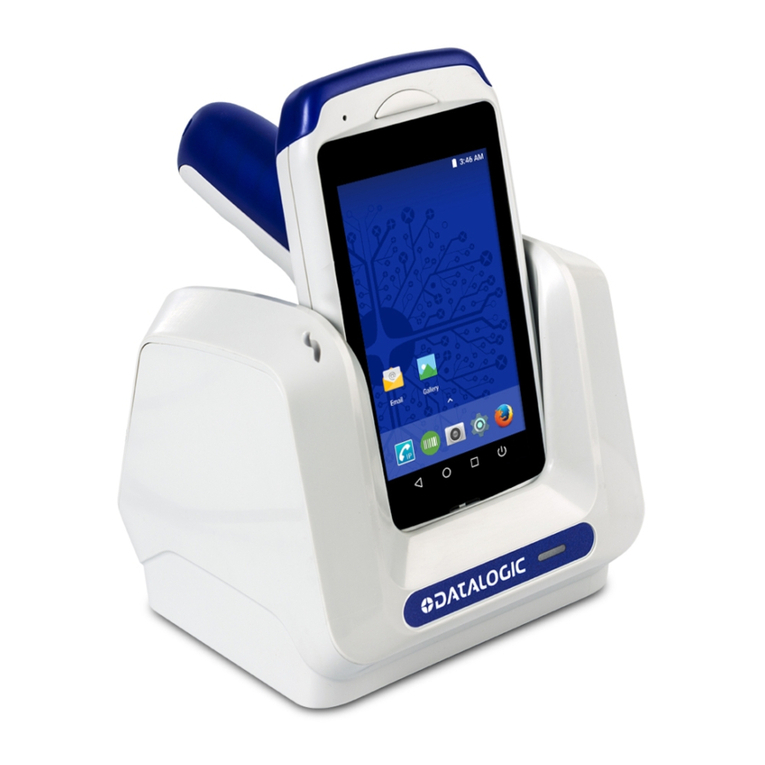
Any Beam Inmarsat Dock or Terminal can support any Active or Passive Inmarsat antenna.