3. Sensor Numbering
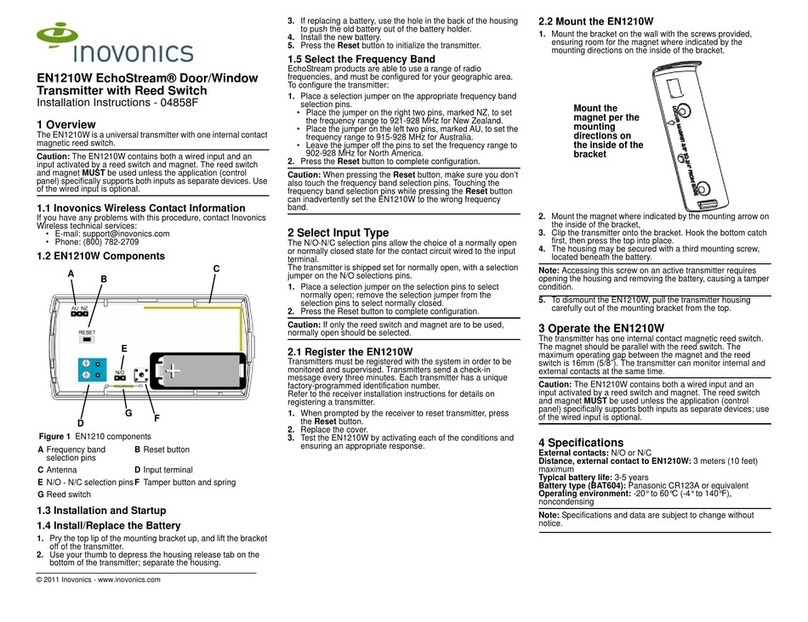
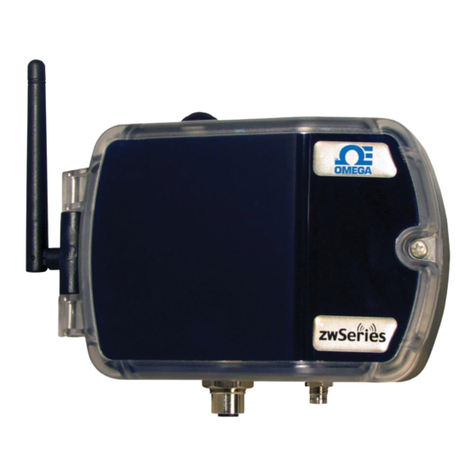
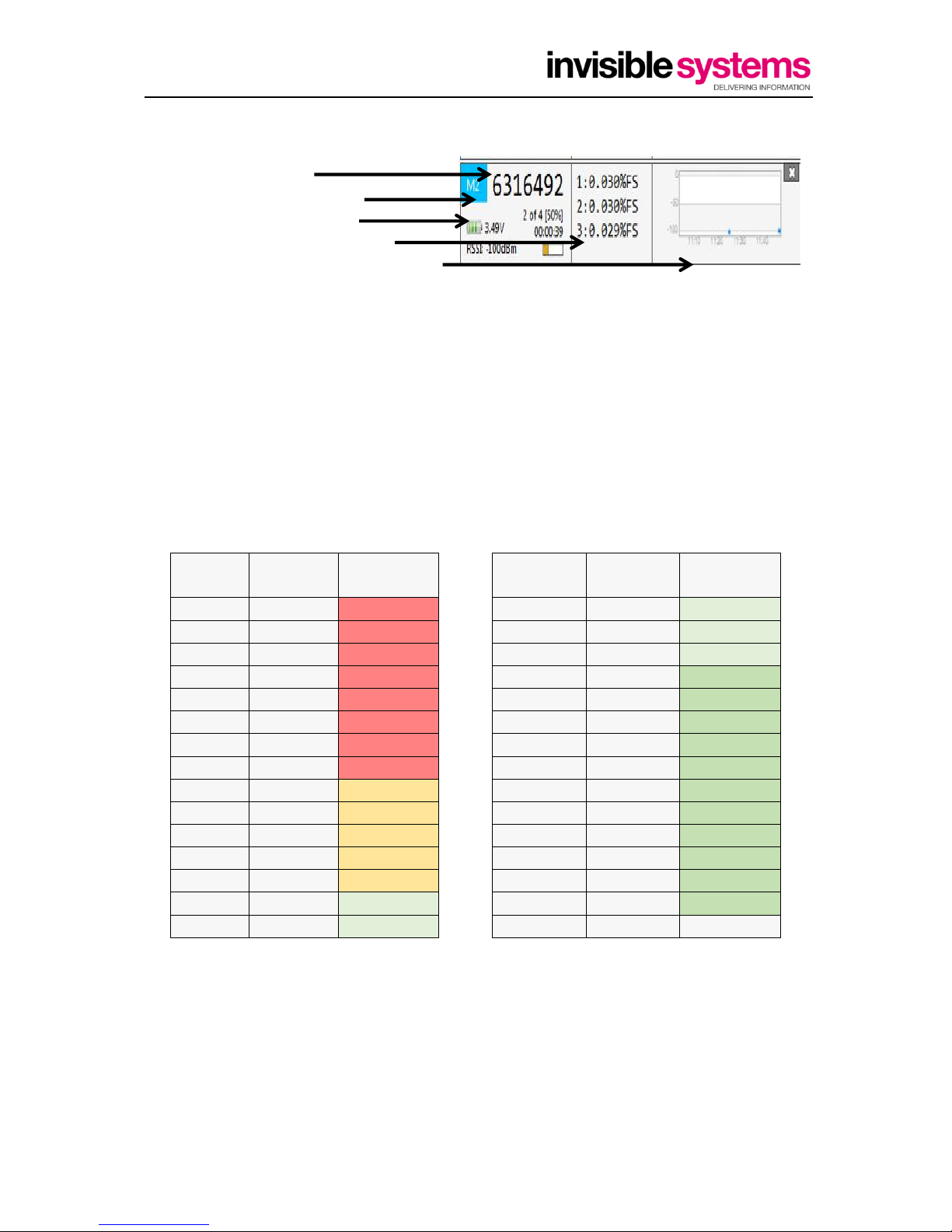
Each sensor is supplied with a unique serial number marked on the side together with a barcode
which is used to identify the sensor on the Realtime-Online dashboard.
It is vital that these numbers are accurately recorded as otherwise it will be impossible to identify
the sensor in ISL Setup or the server dashboard for the specific site.
Note that a sensor number cannot appear twice on the same site, but can appear on more than one
site dashboard.
4. Locating Sensors
Realtime-Online™ Sensors use radio frequency communication to a local gateway. The distance
between sensors and the gateway can also be very long (up to 15Km line of sight). However,
environmental factors such as walls and furniture can reduce this distance considerably so optimal
placement of sensors is important.
Note that this document does not specifically cover the installation of Gateways which are covered
in a separate document, (see index) but the following general guidance is given.
When placing sensors, avoid the following:
a. Placing the transmitter in metal enclosures (such as a distribution board, a fridge or a server
rack). In these cases, try to locate the sensor head (CT, temp probe etc) inside the enclosure
and lead the cable outside.
b. The transmitters are splashproof and are suitable for installation in outdoor areas, but are
not 100% waterproof. Do not install them in positions where they are liable to be
submerged.
c. Do not install the transmitters close to other RF sources such as alarm systems, door
openers or other radio systems. Although the amount of RF energy transmitted by the
sensors is very small indeed, there is a possibility that they could interfere with other
electrical devices, so they must not be installed close to other devices which could be
affected e.g. medical devices or wireless alarm systems.