4Copyright © 2020 LCJ CAPTEURS
1 GENERAL INFORMATION AND SAFETY GUIDELINE
1.1 GENERAL RECOMMENDATIONS
The LCJ Capteurs’sensors are ultrasonic wind vanes-
anemometers with accurate factory calibration.
Install the sensor in a location free from wind perturbation,
usually on the mast head.
Prepare the mast head for the mechanical installation. Align
the North mark of the bracket in order to have the CV7
sensor heading to the bow.
The sensor’s fine alignment will be obtained with the
calibration functions of your instrumentation. Should it be
needed, LCJ Capteurs can provide a software calibration
application upon request.
When necessary, install the interface junction boxes in a
protected and dry location.
Run the cable down to the display’s interface, avoiding
locations where other cables or equipment may produce
electromagnetic interferences (pilot’s ram, radio...) and cut
it to the right length. The cable length can be adjusted as
required, providing junctions are made in the state of the
art.
Turn the power supply off before processing to any wiring
work. You can turn power on again only once all installation
and wiring are completed.
We recommend lightly tinning the wires before connecting
them to the screw terminals.
Use only genuine accessories supplied by LCJ Capteurs.
Do not attempt any modifications to the unit.
Never paint any part of the unit or alter its surface in any
way.
Warranty is void in case of non-following the
instructions of use, repair or maintenance without
written authorisation.
1.2 MAINTENANCE AND REPAIR
The CV7 sensors do not require any maintenance. Check
the connections on a regular basis and make sure the
junction boxes are dry and protected.
If the Wind pages of your instruments do not display the
wind data correctly, refer to the manufacturer’s manual and
check the connections before asking for service to your LCJ
Capteurs dealer.
1.3 DISPOSAL
Equipments marked with the recycling symbol should be
processed via a recognized recycling agency. By
agreement, they may be returned to the manufacturer. Do
not mix electronic disposal with domestic or industrial
refuse.
1.4 USE OF THIS MANUAL
This manual serves as a guideline for the safe and effective
installation, operation and maintenance of the Ultrasonic
Wind Sensors of the CV7 range from LCJ Capteurs. It is
recommended to follow carefully the instructions contained
herein.
Keep this manual in a safe place !
1.5 VALIDITY OF THIS MANUAL
All of the specifications, provisions and instructions
contained in this manual apply solely to the following
products:
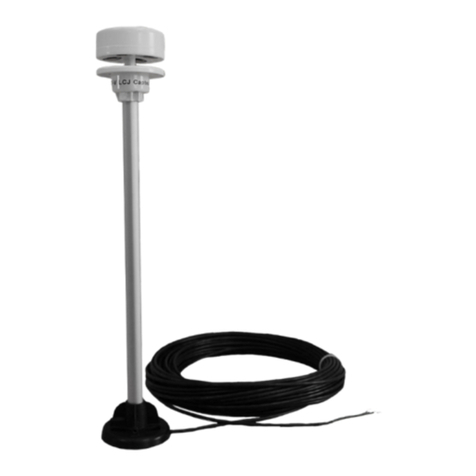
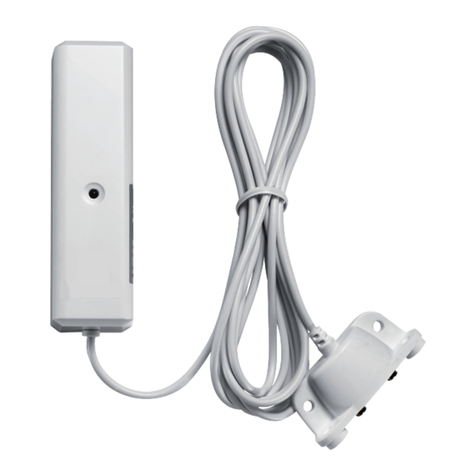
CV7 standard Ultrasonic Wind Sensor
CV7 Ultrasonic Wind Sensor / Vertical
pole
CV7 high speed Ultrasonic Wind Sensor/
long carbon vertical pole
CV7 / Wireless Ultrasonic Wind Sensor /
NMEA0183 receiver
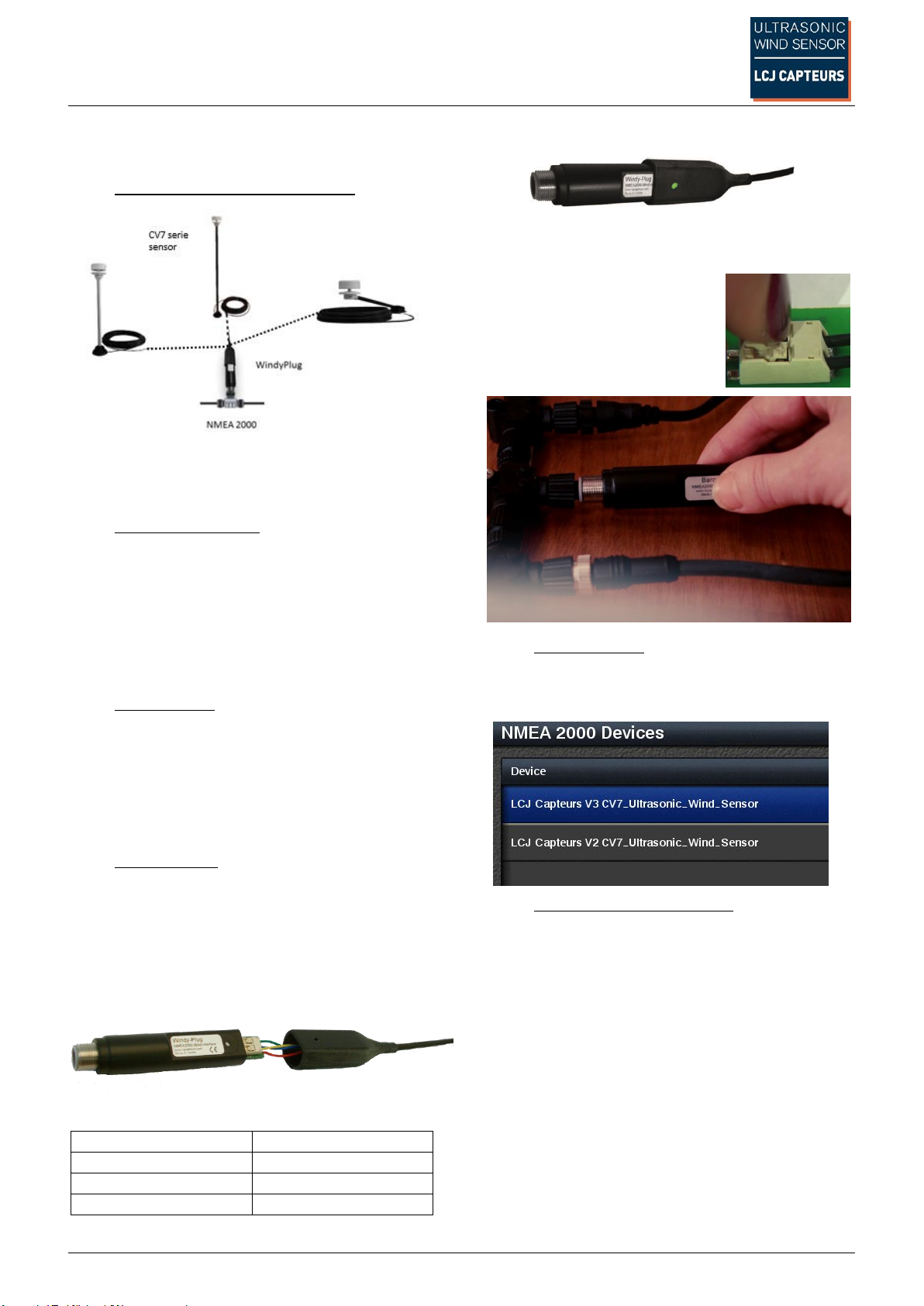
CV7 to NMEA2000 interface (integrated
barometer)
CanBus interface for rotating mast
(NMEA2000)
RM-STBG interface for rotating mast
(compatible with all Raymarine and B&G
equipment)
Configuration for replacement of Nexus
NX2, SILVA or FI30 sensors
Interface for compatibility with all
Raymarine and B&G equipment
Junction box with integrated barometer
Junction box with USB connector
1’’standard adapter ( VHF or GPS type)
1.6 LIMITED WARRANTY
The LCJ Capteurs’ products are guaranteed against
manufacturing defects for a period of two years from the
date of purchase. It is limited to the repair and/or
replacement of the product. It does not cover installation
costs and shipping costs of faulty units. A proof of purchase
may be asked when filling the warranty request which must
be received by writing. Once the warranty request is
accepted by LCJ Capteurs, the unit must be sent to the LCJ
Capteurs’ address in France. LCJ Capteurs guarantees that
each of their ultrasonic wind sensors are tested and
calibrated before despatch. Operations not in compliance
with the instructions described in the present manual may
result to damage the unit or alter its performances. In such
cases, the warranty is void.
1.7 RESPONSABILITY
LCJ Capteurs does not accept responsibility for:
Consequential damages to the use of a CV7 sensor
Possible errors in the manual and their results