EnglishDeutsch
 logo
Brands
  1. Home
  2. •
  3. Brands
  4. •
  5. Lincoln Electric
  6. •
  7. Welding System
  8. •
  9. Lincoln Electric POWER WAVE IM713-B User manual

Lincoln Electric POWER WAVE IM713-B User manual

This manual suits for next models

1

Other Lincoln Electric Welding System manuals

Lincoln Electric FLEXCUT 200 CE User manual

Lincoln Electric

Lincoln Electric FLEXCUT 200 CE User manual

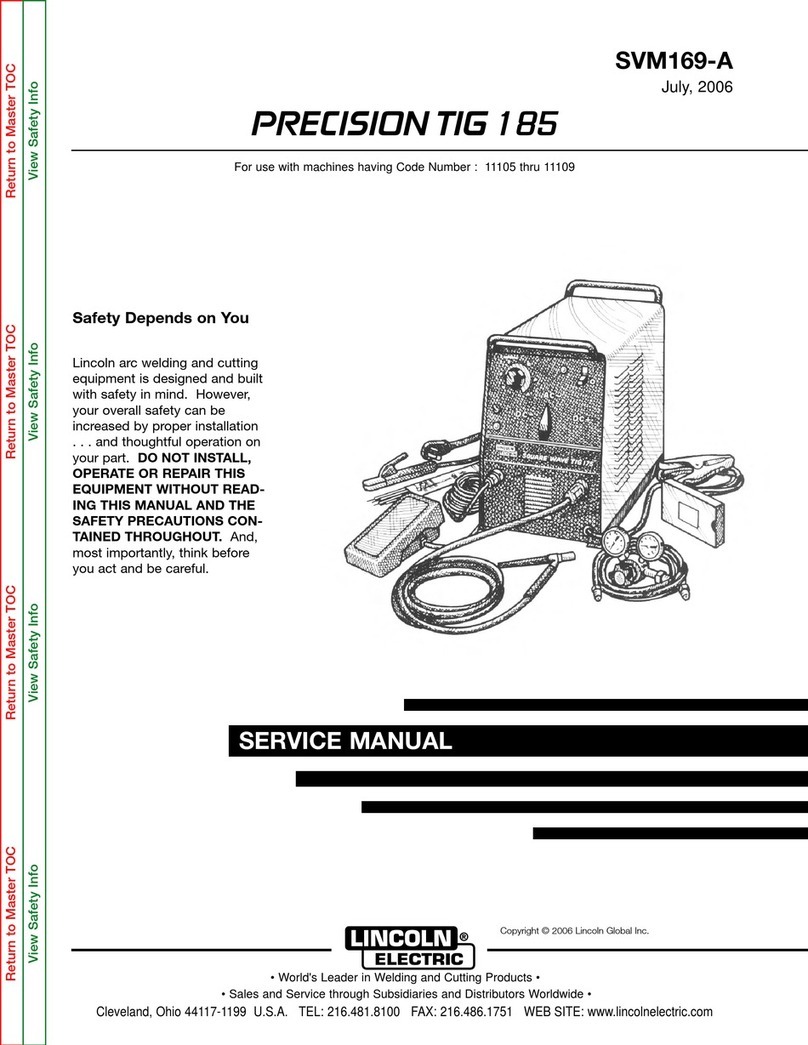
Lincoln Electric PRECISION TIG 185 SVM169-A User manual

Lincoln Electric

Lincoln Electric PRECISION TIG 185 SVM169-A User manual

Lincoln Electric CV 425 User manual

Lincoln Electric

Lincoln Electric CV 425 User manual

Lincoln Electric COOLARC 35 K2630-1 User manual

Lincoln Electric

Lincoln Electric COOLARC 35 K2630-1 User manual

Lincoln Electric IDEALARC CV-250 User manual

Lincoln Electric

Lincoln Electric IDEALARC CV-250 User manual

Lincoln Electric PRO-CUT IM595-A User manual

Lincoln Electric

Lincoln Electric PRO-CUT IM595-A User manual

Lincoln Electric IDEALARC DC-1000 User manual

Lincoln Electric

Lincoln Electric IDEALARC DC-1000 User manual

Lincoln Electric AIR VANTAGE IM10065 User manual

Lincoln Electric

Lincoln Electric AIR VANTAGE IM10065 User manual

Lincoln Electric 180i MP User manual

Lincoln Electric

Lincoln Electric 180i MP User manual

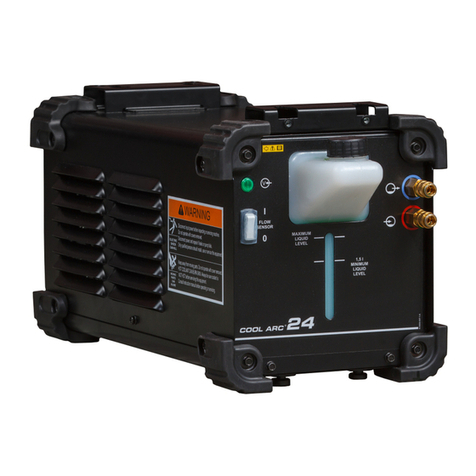
Lincoln Electric COOL ARC 24 User manual

Lincoln Electric

Lincoln Electric COOL ARC 24 User manual

Lincoln Electric UWW-170 User manual

Lincoln Electric

Lincoln Electric UWW-170 User manual

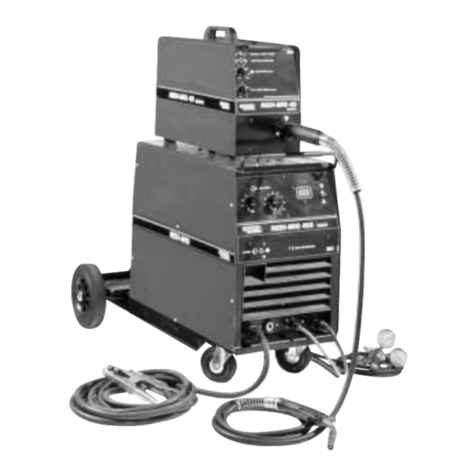
Lincoln Electric REDI-MIG 455 Remote User manual

Lincoln Electric

Lincoln Electric REDI-MIG 455 Remote User manual

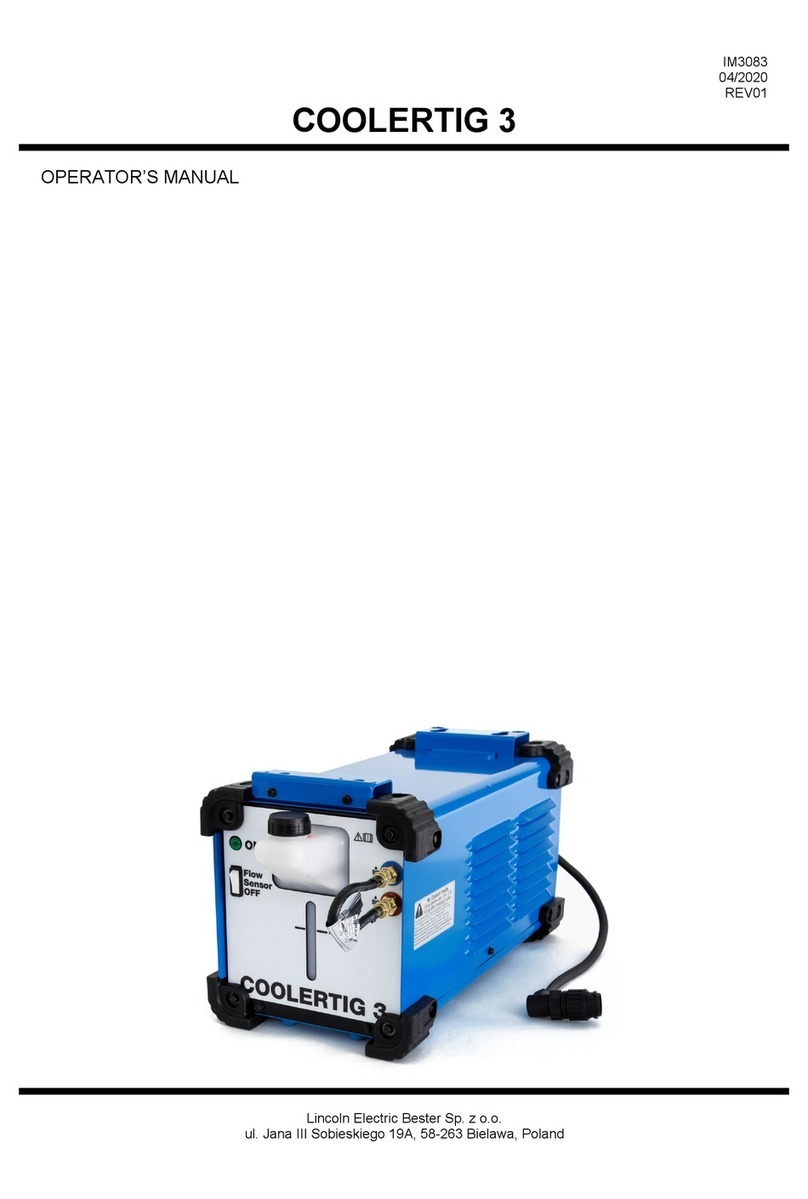
Lincoln Electric COOLERTIG 3 User manual

Lincoln Electric

Lincoln Electric COOLERTIG 3 User manual

Lincoln Electric SAE-500 User manual

Lincoln Electric

Lincoln Electric SAE-500 User manual

Lincoln Electric IDEALARC AC/DC 250 User manual

Lincoln Electric

Lincoln Electric IDEALARC AC/DC 250 User manual

Lincoln Electric SAE-300 User manual

Lincoln Electric

Lincoln Electric SAE-300 User manual

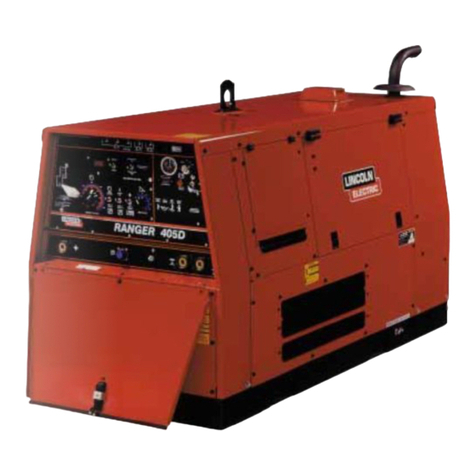
Lincoln Electric RANGER 405D User manual

Lincoln Electric

Lincoln Electric RANGER 405D User manual

Lincoln Electric POWERFEED 10S IM850-A User manual

Lincoln Electric

Lincoln Electric POWERFEED 10S IM850-A User manual

Lincoln Electric INVERTEC SVM161-A User manual

Lincoln Electric

Lincoln Electric INVERTEC SVM161-A User manual

Lincoln Electric Square Wave TIG 275 User manual

Lincoln Electric

Lincoln Electric Square Wave TIG 275 User manual

Lincoln Electric SVM143-A User manual

Lincoln Electric

Lincoln Electric SVM143-A User manual

Lincoln Electric SP-135 PLUS IM725 User manual

Lincoln Electric

Lincoln Electric SP-135 PLUS IM725 User manual

Lincoln Electric Weld-Pak 140HD User manual

Lincoln Electric

Lincoln Electric Weld-Pak 140HD User manual

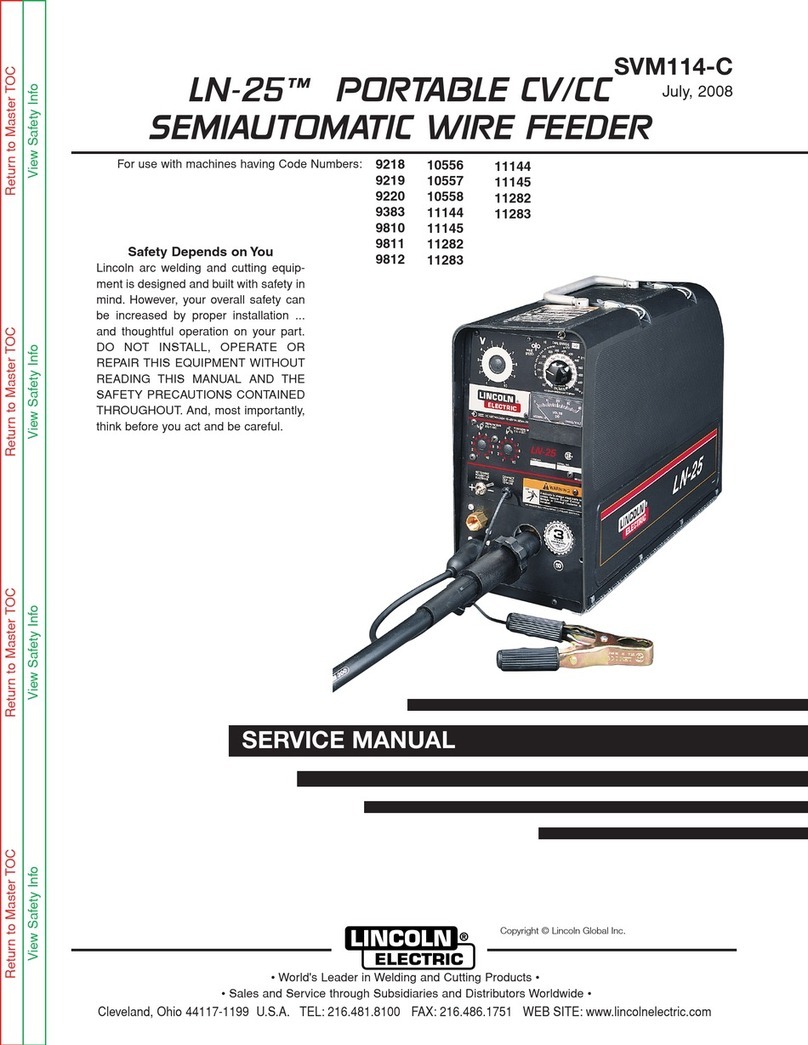
Lincoln Electric LN-25 SVM114-C User manual

Lincoln Electric

Lincoln Electric LN-25 SVM114-C User manual

Popular Welding System manuals by other brands

Berner PLASMACUT 54 instruction manual

Berner

Berner PLASMACUT 54 instruction manual

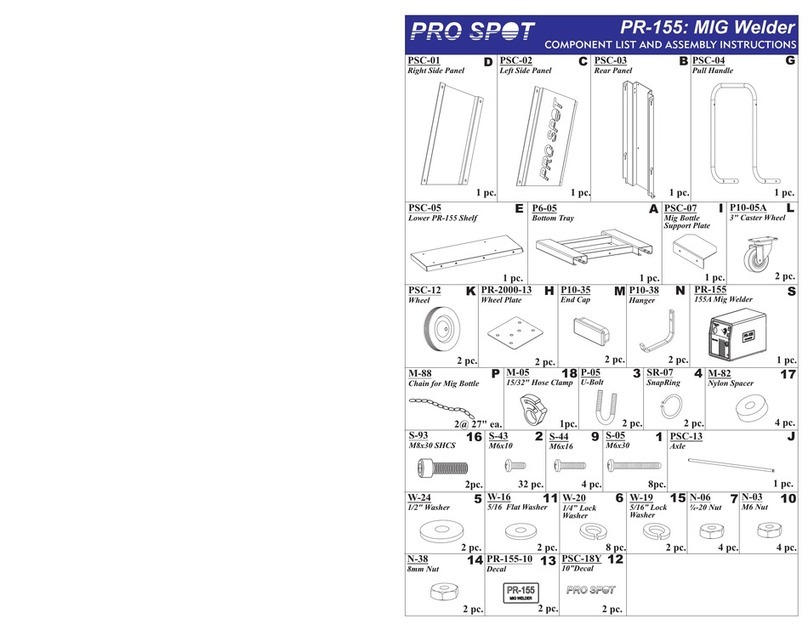
Pro Spot PR-155 Assembly instructions

Pro Spot

Pro Spot PR-155 Assembly instructions

Forney 210 operating manual

Forney

Forney 210 operating manual

Thermal Arc 400S operating manual

Thermal Arc

Thermal Arc 400S operating manual

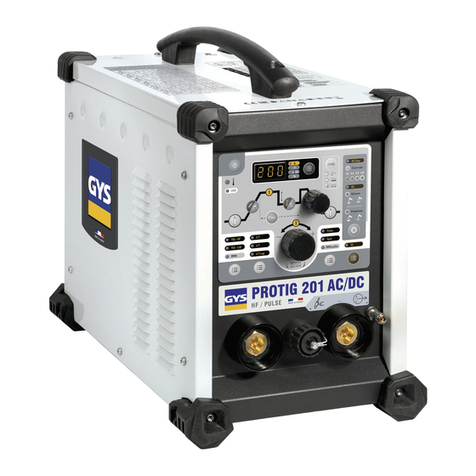
GYS PROTIG 201 AC/DC Original instructions

GYS

GYS PROTIG 201 AC/DC Original instructions

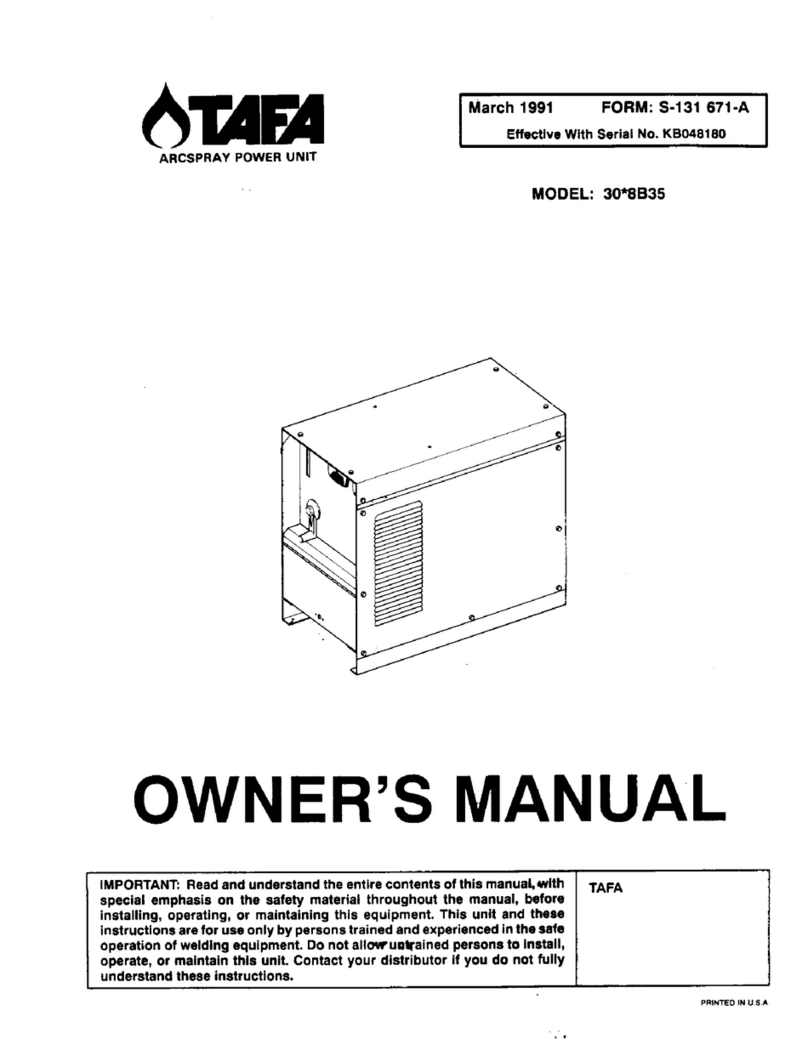
TAFA 30*8B35 owner's manual

TAFA

TAFA 30*8B35 owner's manual

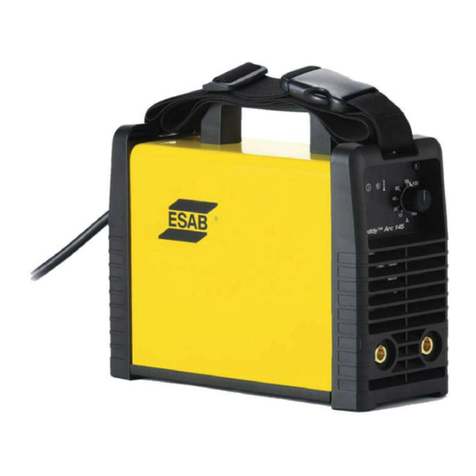
ESAB Buddy Arc 145 instruction manual

ESAB

ESAB Buddy Arc 145 instruction manual

CIGWELD 636804 use instructions

CIGWELD

CIGWELD 636804 use instructions

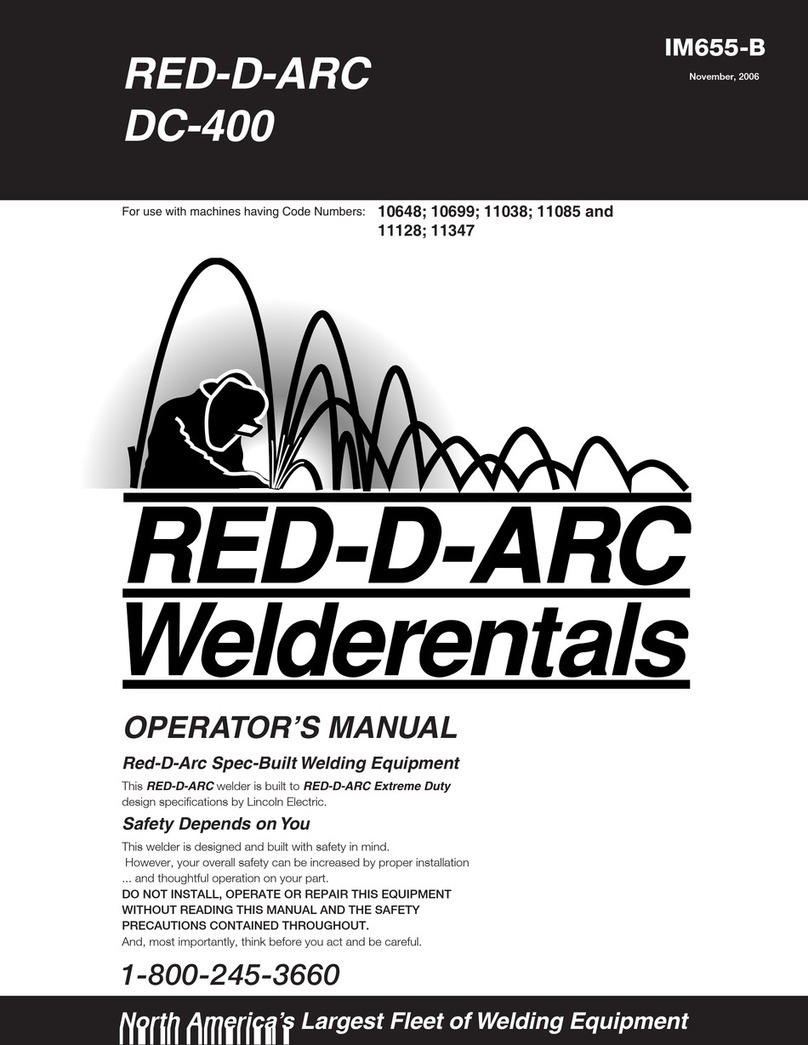
Red-D-Arc DC-400 Operator's manual

Red-D-Arc

Red-D-Arc DC-400 Operator's manual

Hobart Welding Products Spool Gun DP 3035-10 owner's manual

Hobart Welding Products

Hobart Welding Products Spool Gun DP 3035-10 owner's manual

Elettro HI-MIG 3000 SYNERGIC instruction manual

Elettro

Elettro HI-MIG 3000 SYNERGIC instruction manual

Sonics H520T instruction manual

Sonics

Sonics H520T instruction manual

Miller Big Blue 400D owner's manual

Miller

Miller Big Blue 400D owner's manual

NewArc RT2000 Operational manual

NewArc

NewArc RT2000 Operational manual

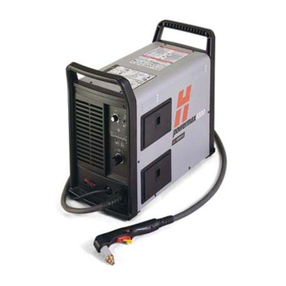
Hypertherm powermax1000 Operator's manual

Hypertherm

Hypertherm powermax1000 Operator's manual

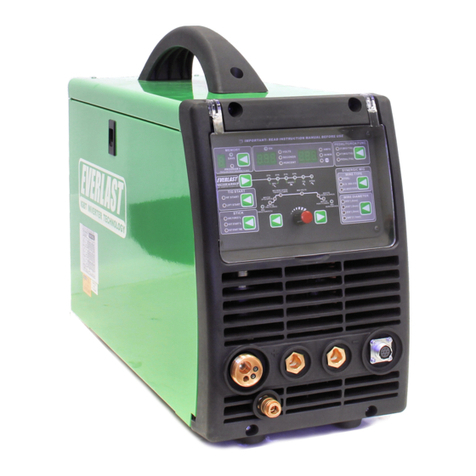
Everlast POWER MTS 221STi Operator's manual

Everlast

Everlast POWER MTS 221STi Operator's manual

Kipor KDE180XW Operator's manual

Kipor

Kipor KDE180XW Operator's manual

OrienTek T40 user manual

OrienTek

OrienTek T40 user manual

https://manuals.online logo
https://manuals.online logoBrands
  • About & Mission
  • Contact us
  • Privacy Policy
  • Terms and Conditions

Copyright 2026 Manuals.Online. All Rights Reserved.

Power Wave 655/R
®
OPERATOR’S MANUAL
M713-B
ecember, 2009
Safety Depends on You
Lincoln arc welding and cutting
equipment is designed and built
with safet in mind. However,
our overall safet can be
increased b proper installation ...
and thoughtful operation on our
part. DO NOT INSTALL, OPER-
ATE OR REPAIR THIS EQUIP-
MENT WITHOUT READING
THIS MANUAL AND THE SAFE-
TY PRECAUTIONS CONTAINED
THROUGHOUT. And, most
importantl , think before ou act
and be careful.
For use with machines having Code Numbers: 10630; 10863; 11410
EN 60974-1
• Sales and Service through Subsidiaries and istributors Worldwide •
Cleveland, Ohio 44117-1199 U.S.A. TEL: 216.481.8100 FAX: 216.486.1751 WEB SITE: www. lincolnelectric. com
• World's Leader in Welding and Cutting Products •
Cop right © Lincoln Global Inc.
FOR ENG NE
powered equipment.
1.a. Turn the engine off before troubleshooting and maintenance
work unless the maintenance work requires it to be running.
____________________________________________________
1.b. Operate engines in open, well-ventilated
areas or vent the engine exhaust fumes
outdoors.
____________________________________________________
1.c. o not add the fuel near an open flame
welding arc or when the engine is running.
Stop the engine and allow it to cool before
refueling to prevent spilled fuel from vaporiz-
ing on contact with hot engine parts and
igniting. o not spill fuel when filling tank. If
fuel is spilled, wipe it up and do not start
engine until fumes have been eliminated.
____________________________________________________
1.d. Keep all equipment safety guards, covers and devices in
position and in good repair.Keep hands, hair, clothing and
tools away from V-belts, gears, fans and all other moving
parts when starting, operating or repairing equipment.
____________________________________________________
1.e. In some cases it may be necessary to remove safety
guards to perform required maintenance. Remove
guards only when necessary and replace them when the
maintenance requiring their removal is complete.
Always use the greatest care when working near moving
parts.
___________________________________________________
1.f. o not put your hands near the engine fan.
o not attempt to override the governor or
idler by pushing on the throttle control rods
while the engine is running.
___________________________________________________
1.g. To prevent accidentally starting gasoline engines while
turning the engine or welding generator during maintenance
work, disconnect the spark plug wires, distributor cap or
magneto wire as appropriate.
i
SAFETY
i
ARC WELD NG CAN BE HAZARDOUS. PROTECT YOURSELF AND OTHERS FROM POSS BLE SER OUS NJURY OR DEATH.
KEEP CH LDREN AWAY. PACEMAKER WEARERS SHOULD CONSULT W TH THE R DOCTOR BEFORE OPERAT NG.
Read and understand the following safety highlights. For additional safety information, it is strongly recommended that you
purchase a copy of “Safety in Welding & Cutting - ANSI Standard Z49.1” from the American Welding Society, P.O. Box
351040, Miami, Florida 33135 or CSA Standard W117.2-1974. A Free copy of “Arc Welding Safety” booklet E205 is available
from the Lincoln Electric Company, 22801 St. Clair Avenue, Cleveland, Ohio 44117-1199.
BE SURE THAT ALL NSTALLAT ON, OPERAT ON, MA NTENANCE AND REPA R PROCEDURES ARE
PERFORMED ONLY BY QUAL F ED ND V DUALS.
WARN NG
Mar ‘95
ELECTR C AND
MAGNET C F ELDS
may be dangerous
2.a. Electric current flowing through any conductor causes
localized Electric and Magnetic Fields (EMF). Welding
current creates EMF fields around welding cables and
welding machines
2.b. EMF fields may interfere with some pacemakers, and
welders having a pacemaker should consult their physician
before welding.
2.c. Exposure to EMF fields in welding may have other health
effects which are now not known.
2.d. All welders should use the following procedures in order to
minimize exposure to EMF fields from the welding circuit:
2.d.1.
Route the electrode and work cables together - Secure
them with tape when possible.
2.d.2. Never coil the electrode lead around your body.
2.d.3. o not place your body between the electrode and
work cables. If the electrode cable is on your right
side, the work cable should also be on your right side.
2.d.4. Connect the work cable to the workpiece as close as
possible to the area being welded.
2.d.5. o not work next to welding power source.
1.h. To avoid scalding, do not remove the
radiator pressure cap when the engine is
hot.
CAL FORN A PROPOS T ON 65 WARN NGS
iesel engine exhaust and some of its constituents
are known to the State of California to cause can-
cer, birth defects, and other reproductive harm.
The engine exhaust from this product contains
chemicals known to the State of California to cause
cancer, birth defects, or other reproductive harm.
The Above For iesel Engines The Above For Gasoline Engines
ii
SAFETY
ii
ARC RAYS can urn.
4.a. Use a shield with the proper filter and cover
plates to protect your eyes from sparks and
the rays of the arc when welding or observing
open arc welding. Headshield and filter lens
should conform to ANSI Z87. I standards.
4.b. Use suitable clothing made from durable flame-resistant
material to protect your skin and that of your helpers from
the arc rays.
4.c. Protect other nearby personnel with suitable, non-flammable
screening and/or warn them not to watch the arc nor expose
themselves to the arc rays or to hot spatter or metal.
ELECTRIC SHOCK can
kill.
3.a. The electrode and work (or ground) circuits
are electrically “hot” when the welder is on.
Do not touch these “hot” parts with your bare
skin or wet clothing. Wear dry, hole-free
gloves to insulate hands.
3.b. Insulate yourself from work and ground using dry insulation.
ake certain the insulation is large enough to cover your full
area of physical contact with work and ground.
In addition to the normal safety precautions, if welding
must e performed under electrically hazardous
conditions (in damp locations or while wearing wet
clothing; on metal structures such as floors, gratings or
scaffolds; when in cramped positions such as sitting,
kneeling or lying, if there is a high risk of unavoida le or
accidental contact with the workpiece or ground) use
the following equipment:
• Semiautomatic DC Constant Voltage (Wire) Welder.
• DC Manual (Stick) Welder.
• AC Welder with Reduced Voltage Control.
3.c. In semiautomatic or automatic wire welding, the electrode,
electrode reel, welding head, nozzle or semiautomatic
welding gun are also electrically “hot”.
3.d. Always be sure the work cable makes a good electrical
connection with the metal being welded. The connection
should be as close as possible to the area being welded.
3.e. Ground the work or metal to be welded to a good electrical
(earth) ground.
3.f.
aintain the electrode holder, work clamp, welding cable and
welding machine in good, safe operating condition. Replace
damaged insulation.
3.g. Never dip the electrode in water for cooling.
3.h. Never simultaneously touch electrically “hot” parts of
electrode holders connected to two welders because voltage
between the two can be the total of the open circuit voltage
of both welders.
3.i. When working above floor level, use a safety belt to protect
yourself from a fall should you get a shock.
3.j. Also see Items 6.c. and 8.
FUMES AND GASES
can e dangerous.
5.a. Welding may produce fumes and gases
hazardous to health. Avoid breathing these
fumes and gases. When welding, keep
your head out of the fume. Use enough
ventilation and/or exhaust at the arc to keep
fumes and gases away from the breathing zone. When
welding with electrodes which require special
ventilation such as stainless or hard facing (see
instructions on container or MSDS) or on lead or
cadmium plated steel and other metals or coatings
which produce highly toxic fumes, keep exposure as
low as possi le and within applica le OSHA PEL and
ACGIH TLV limits using local exhaust or mechanical
ventilation. In confined spaces or in some circum-
stances, outdoors, a respirator may e required.
Additional precautions are also required when welding
on galvanized steel.
5. b. The operation of welding fume control equipment is affected
by various factors including proper use and positioning of
the equipment, maintenance of the equipment and the spe-
cific welding procedure and application involved. Worker
exposure level should be checked upon installation and
periodically thereafter to be certain it is within applicable
OSHA PEL and ACGIH TLV limits.
5.c.
Do not weld in locations near chlorinated hydrocarbon
vapors
coming from degreasing, cleaning or spraying operations.
The heat and rays of the arc can react with solvent vapors
to
form phosgene, a highly toxic gas, and other irritating prod-
ucts.
5.d. Shielding gases used for arc welding can displace air and
cause injury or death. Always use enough ventilation,
especially in confined areas, to insure breathing air is safe.
5.e. Read and understand the manufacturer’s instructions for this
equipment and the consumables to be used, including the
material safety data sheet ( SDS) and follow your
employer’s safety practices. SDS forms are available from
your welding distributor or from the manufacturer.
5.f. Also see item 1.b.
Jan ‘09

iii
SAFETY
iii
FOR ELECTRICALLY
powered equipment.
8.a. Turn off input power using the disconnect
switch at the fuse box before working on
the equipment.
8.b. Install equipment in accordance with the U.S. National
Electrical Code, all local codes and the manufacturer’s
recommendations.
8.c. Ground the equipment in accordance with the U.S. National
Electrical Code and the manufacturer’s recommendations.
CYLINDER may explode
if damaged.
7.a. Use only compressed gas cylinders
containing the correct shielding gas for the
process used and properly operating
regulators designed for the gas and
pressure used. All hoses, fittings, etc. should be suitable for
the application and maintained in good condition.
7.b. Always keep cylinders in an upright position securely
chained to an undercarriage or fixed support.
7.c. Cylinders should be located:
• Away from areas where they may be struck or subjected to
physical damage.
• A safe distance from arc welding or cutting operations and
any other source of heat, sparks, or flame.
7.d. Never allow the electrode, electrode holder or any other
electrically “hot” parts to touch a cylinder.
7.e. Keep your head and face away from the cylinder valve outlet
when opening the cylinder valve.
7.f. Valve protection caps should always be in place and hand
tight except when the cylinder is in use or connected for
use.
7.g. Read and follow the instructions on compressed gas
cylinders, associated equipment, and CGA publication P-l,
“Precautions for Safe Handling of Compressed Gases in
Cylinders,” available from the Compressed Gas Association
1235 Jefferson Davis Highway, Arlington, VA 22202.
WELDING and CUTTING
SPARKS can
cause fire or explosion.
6.a.
Remove fire hazards from the welding area.
If this is not possible, cover them to prevent
the welding sparks from starting a fire.
Remember that welding sparks and hot
materials from welding can easily go through small cracks
and openings to adjacent areas. Avoid welding near
hydraulic lines. Have a fire extinguisher readily available.
6.b. Where compressed gases are to be used at the job site,
special precautions should be used to prevent hazardous
situations. Refer to “Safety in Welding and Cutting” (ANSI
Standard Z49.1) and the operating information for the
equipment being used.
6.c. When not welding, make certain no part of the electrode
circuit is touching the work or ground. Accidental contact
can cause overheating and create a fire hazard.
6.d. Do not heat, cut or weld tanks, drums or containers until the
proper steps have been taken to insure that such procedures
will not cause flammable or toxic vapors from substances
inside. They can cause an explosion even
though
they have
been “cleaned”. For information, purchase “Recommended
Safe Practices for the
Preparation
for Welding and Cutting of
Containers and Piping That Have Held Hazardous
Substances”, AWS F4.1 from the American Welding Society
(see address above).
6.e. Vent hollow castings or containers before heating, cutting or
welding. They may explode.
6.f.
Sparks and spatter are thrown from the welding arc. Wear oil
free protective garments such as leather gloves, heavy shirt,
cuffless trousers, high shoes and a cap over your hair. Wear
ear plugs when welding out of position or in confined places.
Always wear safety glasses with side shields when in a
welding area.
6.g. Connect the work cable to the work as close to the welding
area as practical. Work cables connected to the building
framework or other locations away from the welding area
increase the possibility of the welding current passing
through lifting chains, crane cables or other alternate cir-
cuits. This can create fire hazards or overheat lifting chains
or cables until they fail.
6.h. Also see item 1.c.
6.I. Read and follow NFPA 51B “ Standard for Fire Prevention
During Welding, Cutting and Other Hot Work”, available
from NFPA,1 Batterymarch Park, PO box 9101, Quincy, a
022690-9101.
6.j. Do not use a welding power source for pipe thawing.
Jan ‘09
Refer to http://www.lincolnelectric.com/safety for additional safety information.
iv
SAFETY
iv
PRÉCAUT ONS DE SÛRETÉ
Pour votre propre protection lire et observer toutes les instructions
et les précautions de sûreté specifiques qui parraissent dans ce
manuel aussi bien que les précautions de sûreté générales suiv-
antes:
Sûreté Pour Soudage A L’Arc
1. Protegez-vous contre la secousse électrique:
a. Les circuits à l’électrode et à la piéce sont sous tension
quand la machine à souder est en marche. Eviter toujours
tout contact entre les parties sous tension et la peau nue
ou les vétements mouillés. Porter des gants secs et sans
trous pour isoler les mains.
b. Faire trés attention de bien s’isoler de la masse quand on
soude dans des endroits humides, ou sur un plancher
metallique ou des grilles metalliques, principalement dans
les positions assis ou couché pour lesquelles une grande
partie du corps peut être en contact avec la masse.
c. Maintenir le porte-électrode, la pince de masse, le câble
de soudage et la machine à souder en bon et sûr état
defonctionnement.
d.Ne jamais plonger le porte-électrode dans l’eau pour le
refroidir.
e. Ne jamais toucher simultanément les parties sous tension
des porte-électrodes connectés à deux machines à souder
parce que la tension entre les deux pinces peut être le
total de la tension à vide des deux machines.
f. Si on utilise la machine à souder comme une source de
courant pour soudage semi-automatique, ces precautions
pour le porte-électrode s’applicuent aussi au pistolet de
soudage.
2. ans le cas de travail au dessus du niveau du sol, se protéger
contre les chutes dans le cas ou on recoit un choc. Ne jamais
enrouler le câble-électrode autour de n’importe quelle partie
du corps.
3. Un coup d’arc peut être plus sévère qu’un coup de soliel,
donc:
a. Utiliser un bon masque avec un verre filtrant approprié
ainsi qu’un verre blanc afin de se protéger les yeux du ray-
onnement de l’arc et des projections quand on soude ou
quand on regarde l’arc.
b. Porter des vêtements convenables afin de protéger la
peau de soudeur et des aides contre le rayonnement de
l‘arc.
c. Protéger l’autre personnel travaillant à proximité au
soudage à l’aide d’écrans appropriés et non-inflammables.
4. es gouttes de laitier en fusion sont émises de l’arc de
soudage. Se protéger avec des vêtements de protection libres
de l’huile, tels que les gants en cuir, chemise épaisse, pan-
talons sans revers, et chaussures montantes.
5. Toujours porter des lunettes de sécurité dans la zone de
soudage. Utiliser des lunettes avec écrans lateraux dans les
zones où l’on pique le laitier.
6. Eloigner les matériaux inflammables ou les recouvrir afin de
prévenir tout risque d’incendie dû aux étincelles.
7. Quand on ne soude pas, poser la pince à une endroit isolé de
la masse. Un court-circuit accidental peut provoquer un
échauffement et un risque d’incendie.
8. S’assurer que la masse est connectée le plus prés possible
de la zone de travail qu’il est pratique de le faire. Si on place
la masse sur la charpente de la construction ou d’autres
endroits éloignés de la zone de travail, on augmente le risque
de voir passer le courant de soudage par les chaines de lev-
age, câbles de grue, ou autres circuits. Cela peut provoquer
des risques d’incendie ou d’echauffement des chaines et des
câbles jusqu’à ce qu’ils se rompent.
9. Assurer une ventilation suffisante dans la zone de soudage.
Ceci est particuliérement important pour le soudage de tôles
galvanisées plombées, ou cadmiées ou tout autre métal qui
produit des fumeés toxiques.
10. Ne pas souder en présence de vapeurs de chlore provenant
d’opérations de dégraissage, nettoyage ou pistolage. La
chaleur ou les rayons de l’arc peuvent réagir avec les vapeurs
du solvant pour produire du phosgéne (gas fortement toxique)
ou autres produits irritants.
11. Pour obtenir de plus amples renseignements sur la sûreté,
voir le code “Code for safety in welding and cutting” CSA
Standard W 117.2-1974.
PRÉCAUT ONS DE SÛRETÉ POUR
LES MACH NES À SOUDER À
TRANSFORMATEUR ET À
REDRESSEUR
1. Relier à la terre le chassis du poste conformement au code de
l’électricité et aux recommendations du fabricant. Le dispositif
de montage ou la piece à souder doit être branché à une
bonne mise à la terre.
2. Autant que possible, I’installation et l’entretien du poste seront
effectués par un électricien qualifié.
3. Avant de faires des travaux à l’interieur de poste, la debranch-
er à l’interrupteur à la boite de fusibles.
4. Garder tous les couvercles et dispositifs de sûreté à leur
place.
Mar. ‘93
VV
TThhaannkk YYoouuFor selecting a QUAL TY product by Lincoln Electric. We want
you to take pride in operating this Lincoln Electric Company prod-
uct ••• as much pride as we have in bringing this product to you!
Read this Operators Manual completely before attempting to use this equipment. Save this manual and keep it
handy for quick reference. Pay particular attention to the safety instructions we have provided for your protection.
The level of seriousness to be applied to each is explained below:
WARN NG
This statement appears where the information must be followed exactly to avoid serious personal injury or loss of life.
This statement appears where the information must be followed to avoid minor personal injury or damage to this equipment.
CAUT ON
Please Examine Carton and Equipment For Damage mmediately
When this equipment is shipped, title passes to the purchaser upon receipt by the carrier. Consequently, Claims
for material damaged in shipment must be made by the purchaser against the transportation company at the
time the shipment is received.
Please record your equipment identification information below for future reference. This information can be
found on your machine nameplate.
Product _________________________________________________________________________________
Model Number ___________________________________________________________________________
Code Number or ate Code_________________________________________________________________
Serial Number____________________________________________________________________________
ate Purchased___________________________________________________________________________
Where Purchased_________________________________________________________________________
Whenever you request replacement parts or information on this equipment, always supply the information you
have recorded above. The code number is especially important when identifying the correct replacement parts.
On-Line Product Registration
- Register your machine with Lincoln Electric either via fax or over the Internet.
• For fazing: Complete the form on the back of the warranty statement included in the literature packet
Accompanying this machine and fax the form per the instructions printed on it.
• For On-Line Registration: Go to our
WEB S TE at www. lincolnelectric.Com. Choose “Quick Links” and then
“Product Registration”. Please complete the form and submit your registration.
CUSTOMER ASS STANCE POL CY
The business of The Lincoln Electric Company is manufacturing and selling high quality welding equipment, consumables, and cutting equip-
ment. Our challenge is to meet the needs of our customers and to exceed their expectations. On occasion, purchasers may ask Lincoln
Electric for advice or information about their use of our products. We respond to our customers based on the best information in our posses-
sion at that time. Lincoln Electric is not in a position to warrant or guarantee such advice, and assumes no liability, with respect to such infor-
mation or advice. We expressly disclaim any warranty of any kind, including any warranty of fitness for any customer’s particular purpose,
with respect to such information or advice. As a matter of practical consideration, we also cannot assume any responsibility for updating or
correcting any such information or advice once it has been given, nor does the provision of information or advice create, expand or alter any
warranty with respect to the sale of our products.
Lincoln Electric is a responsive manufacturer, but the selection and use of specific products sold by Lincoln Electric is solely within the control
of, and remains the sole responsibility of the customer. Many variables beyond the control of Lincoln Electric affect the results obtained in
applying these types of fabrication methods and service requirements.
Subject to Change – This information is accurate to the best of our knowledge at the time of printing. Please refer to www. lincolnelectric.
com for any updated information.
Vi
Vi TABLE OF CONTENTS
Page
nstallation .......................................................................................................Section A
Technical Specifications - Power Wave® 655/r ....................................................A-1
Safety Precautions.................................................................................................A-2
Select Suitable Location ........................................................................................A-2
Lifting...............................................................................................................A-2
Stacking ..........................................................................................................A-2
Machine Grounding ...............................................................................................A-2
High Frequency Protection ....................................................................................A-2
Input Connection....................................................................................................A-3
Input Fuse and Supply Wire Considerations .........................................................A-3
Input Voltage Changeover Procedure ...................................................................A-3
Welding with Multiple Power Wave® s ..................................................................A-4
Electrode and Work Cable Connections................................................................A-5
Cable Inductance and its Effects on Pulse Welding........................................A-5
Negative Electrode Polarity ..................................................................................A-6
Voltage Sensing ....................................................................................................A-6
Power Wave® / Power Feed Wire Feeder Interconnections .................................A-7
Control Cable Specifications ...........................................................................A-7
External I/O Connector....................................................................................A-8
High Speed Gear Box .....................................................................................A-8
ip Switch Settings and Locations.................................................................A-9
Control Board ip Switch ................................................................................A-9
Feed Head Board ip Switch..........................................................................A-9
eviceNET/Gateway Board ip Switch, Bank (S1) ........................................A-9
Bank (S2) ......................................................................................................A-10
________________________________________________________________________
Operation .........................................................................................................Section B
Safety Precautions.................................................................................................B-1
Graphic Symbols that appear on this machine or in this manual...........................B-2
General escription ...............................................................................................B-3
Recommended Processes and Equipment ...........................................................B-3
Required Equipment..............................................................................................B-3
Limitations..............................................................................................................B-3
uty Cycle and Time Period ...........................................................................B-3
Case Front Controls ........................................................................................B-4
Constant Voltage Welding...............................................................................B-5
Pulse Welding .................................................................................................B-6
________________________________________________________________________
Accessories.....................................................................................................Section C
Optional Equipment...............................................................................................C-1
Factory Installed..............................................................................................C-1
Field Installed..................................................................................................C-1
________________________________________________________________________
Maintenance ....................................................................................................Section D
Safety Precautions ................................................................................................ -1
Routine, Periodic, Calibration Specification........................................................... -1
________________________________________________________________________
Troubleshooting..............................................................................................Section E
How to use Troubleshooting Guide .......................................................................E-1
Troubleshooting the Power Wave® / Power Feed System using the Status LE .E-2
Troubleshooting Guide.............................................................................E-3 thru E-6
Error Codes for the Power Wave® ................................................................E-7, E-8
________________________________________________________________________
Diagrams ..........................................................................................................Section F
Wiring iagram’s.....................................................................................F-1, F-2, F-3
Pin, Lead Connector, Connection iagrams, and imension Print..........F-4 thru F-7
________________________________________________________________________
Parts Lists...................................................................................................P-392 Series
________________________________________________________________________
A-1
NSTALLAT ON
POWER WAVE® 655/R
A-1
TECHN CAL SPEC F CAT ONS - Power Wave® 655/r (K1519-1, K1519-2)
OUTPUT
RECOMMENDED NPUT W RE AND FUSE S ZES
PHYS CAL D MENS ONS
TEMPERATURE RANGES
NPUT AT RATED OUTPUT - THREE PHASE ONLY
NPUT VOLTS
460/575V - 60HZ.
400V - 50HZ.
460/575V - 60HZ.
CODE NUMBERS
10630
10863
11410
OPEN
C RCU T
VOLTAGE
75 V C
NPUT
VOLTAGE /
FREQUENCY
460V - 60HZ.
575V - 60HZ.
HE GHT
26.10 in
663 mm
W DTH
19.86 in
505 mm
DEPTH
32.88 in
835 mm
WE GHT
306 lbs.
139 kg.
TYPE 75°C
(SUPER LAG)
OR BREAKER
S ZE (AMPS)
70
60
TYPE 75°C
GROUND W RE N
CONDU T AWG[MM2]
S ZES
8 (10)
10 (6)
TYPE 75°C
COPPER W RE N
CONDU T AWG[MM2]
S ZES
6 (16)
6(16)
PROCESS CURRENT RANGES (DC)
MIG/MAG
FCAW
SMAW
Pulse
CURRENT
50-815 Average Amps
40-815 Average Amps
30-600 Average Amps
15-880 Peak Amps
PULSE
VOLTAGE
RANGE
5 - 55 V C
AUX L ARY POWER
(C RCU T BREAKER
PROTECTED)
40 V C AT
10 AMPS
110 VAC AT
10 AMPS
PULSE AND
BACKGROUND
T ME RANGE
100 MICRO SEC. -
3.3 SEC.
CURRENT
RANGE
20-815
PULSE
FREQUENCY
0.15 - 1000 Hz
NPUT
CURRENT
AMPS
43/34
53/42
40
51
41/33
53/42
DLE
POWER
400 Watts
Max.
POWER FACTOR
@ RATED OUT-
PUT
.95 MIN.
EFF C ENCY
@ RATED
OUTPUT
84%
OUTPUT
COND T ONS
[email protected]%
815A@44V. 60%
[email protected]%
675A@44V. 60%
[email protected]%
815A@44V. 60%
OPERAT NG TEMPERATURE RANGE
-20°C to +40°C
STORAGE TEMPERATURE RANGE
-40°C to +40°C
L FT NG
Lift the machine by the lift bail only. The lift bail is
designed to lift the power source only. o not attempt
to lift the Power Wave® with accessories attached to
it.
STACK NG
Power Wave® machines can be stacked to a maxi-
mum of 3 high.
The bottom machine must always be placed on a
firm, secure, level surface. There is a danger of
machines toppling over if this precaution is not
taken.
-------------------------------------------------------------
MACH NE GROUND NG
The frame of the welder must be grounded. A ground
terminal marked with the symbol is located inside
the reconnect/input access door for this purpose. See
your local and national electrical codes for proper
grounding methods.
H GH FREQUENCY PROTECT ON
Locate the Power Wave® away from radio controlled
machinery.
The normal operation of the Power Wave® may
adversely affect the operation of RF controlled
equipment, which may result in bodily injury or
damage to the equipment.
-------------------------------------------------------------
A-2
NSTALLAT ON
POWER WAVE® 655/R
A-2
SAFETY PRECAUT ONS
Read this entire installation section before you
start installation.
ELECTR C SHOCK can kill.
• O ly qualified perso el
should perform this i stalla-
tio .
• Tur the i put power OFF at
the disco ect switch or fuse
box before worki g o this
equipme t. Tur off the i put
power to a y other equipme t
co ected to the weldi g sys-
tem at the disco ect switch
or fuse box before worki g o
the equipme t.
• Do ot touch electrically hot parts.
• Always co ect the Power Wave® grou di g lug
(located i side the reco ect i put access door)
to a proper safety (Earth) grou d.
-------------------------------------------------------------
SELECT SU TABLE LOCAT ON
o not use Power Waves® in outdoor environments. The
Power Wave® power source should not be subjected to
falling water, nor should any parts of it be submerged in
water. oing so may cause improper operation as well
as pose a safety hazard. The best practice is to keep the
machine in a dry, sheltered area.
o not mount the Power Wave® over combustible
surfaces. Where there is a combustible surface direct-
ly under stationary or fixed electrical equipment, that
surface shall be covered with a steel plate at least
.060" (1.6mm) thick, which shall extend not less than
5.90" (150mm) beyond the equipment on all sides.
Place the welder where clean cooling air can freely
circulate in through the rear louvers and out through
the case sides and bottom. irt, dust, or any foreign
material that can be drawn into the welder should be
kept at a minimum. o not use air filters on the air
intake because the air flow will be restricted. Failure to
observe these precautions can result in excessive
operating temperatures and nuisance shutdowns.
Machines above code 10500 are equipped with F.A.N.
(fan as needed) circuitry. The fan runs whenever the
output is enabled, whether under loaded or open cir-
cuit conditions. The fan also runs for a period of time
(approximately 5 minutes) after the output is disabled,
to ensure all components are properly cooled.
If desired, the F.A.N. feature can be disabled (causing the
fan to run whenever the power source is on). To disable
F.A.N., connect leads 444 and X3A together at the output of
the solid state fan control relay, located on the back of the
Control PC board enclosure.
WARNING
CAUTION
CAUTION
A-3
NSTALLAT ON
POWER WAVE® 655/R
A-3
NPUT CONNECT ON
O ly a qualified electricia should co ect the
i put leads to the Power Wave®. Co ectio s
should be made i accorda ce with all local a d
atio al electrical codes a d the co ectio dia-
gram located o the i side of the reco ect/i put
access door of the machi e. Failure to do so may
result i bodily i jury or death.
-------------------------------------------------------------
Use a three-phase supply line. A 1.75 inch (45 mm)
diameter access hole for the input supply is located on
the upper left case back next to the input access door.
Connect L1, L2, L3 and ground according to the Input
Supply Connection iagram decal located on the
inside of the input access door or refer to Figure A.1 .
NPUT FUSE AND SUPPLY W RE
CONS DERAT ONS
Refer to the Technical Specifications at the beginning
of this Installation section for recommended f se and
wire sizes. Fuse the input circuit with the recommend-
ed super lag fuse or delay type breakers (also called
“inverse time” or “thermal/magnetic” circuit breakers).
Choose an input and grounding wire size according to
local or national electrical codes. Using fuses or circuit
breakers smaller than recommended may result in
“nuisance” shut-offs from welder inrush currents, even
if the machine is not being used at high currents.
NPUT VOLTAGE CHANGE OVER
(FOR MULT PLE NPUT VOLTAGE
MACH NES ONLY)
Welders are shipped connected for the highest input
voltage listed on the rating plate. To move this con-
nection to a different input voltage, see the diagram
located on the inside of the input access door. If the
main reconnect switch or link position is placed in the
wrong position, the welder will not produce output
power.
If the Auxiliary (A) lead is placed in the wrong position,
there are two possible results. If the lead is placed in a
position higher than the applied line voltage, the
welder may not come on at all. If the Auxiliary (A) lead
is placed in a position lower than the applied line volt-
age, the welder will not come on, and the two circuit
breakers in the reconnect area will open. If this
occurs, turn off the input voltage, properly connect the
(A) lead, reset the breakers, and try again.
FIGURE A.1 - CONNECTION DIAGRAM ON CONNECTION/INPUT ACCESS DOOR
W / L3
V/ L2
U / L1
THE LINCOLN ELECTRIC CO. CLEVELAND, OHIO U.S.A.
XA
S24190
use or service this equipment.
Do not touch electrically live parts.
removed.
Only qualified persons should install,
Do not operate with covers
inspecting or servicing machine.
Disconnect input power before
.
.
.
.
CR1
INPUT SUPPLY CONNECTION DIAGRAM
NOTE: Tur mai i put power to the machi e OFF before performi g co ectio procedure. Failure to
do so will result i damage to the machi e.
WARN NG