Drying Instructions #1
P/7
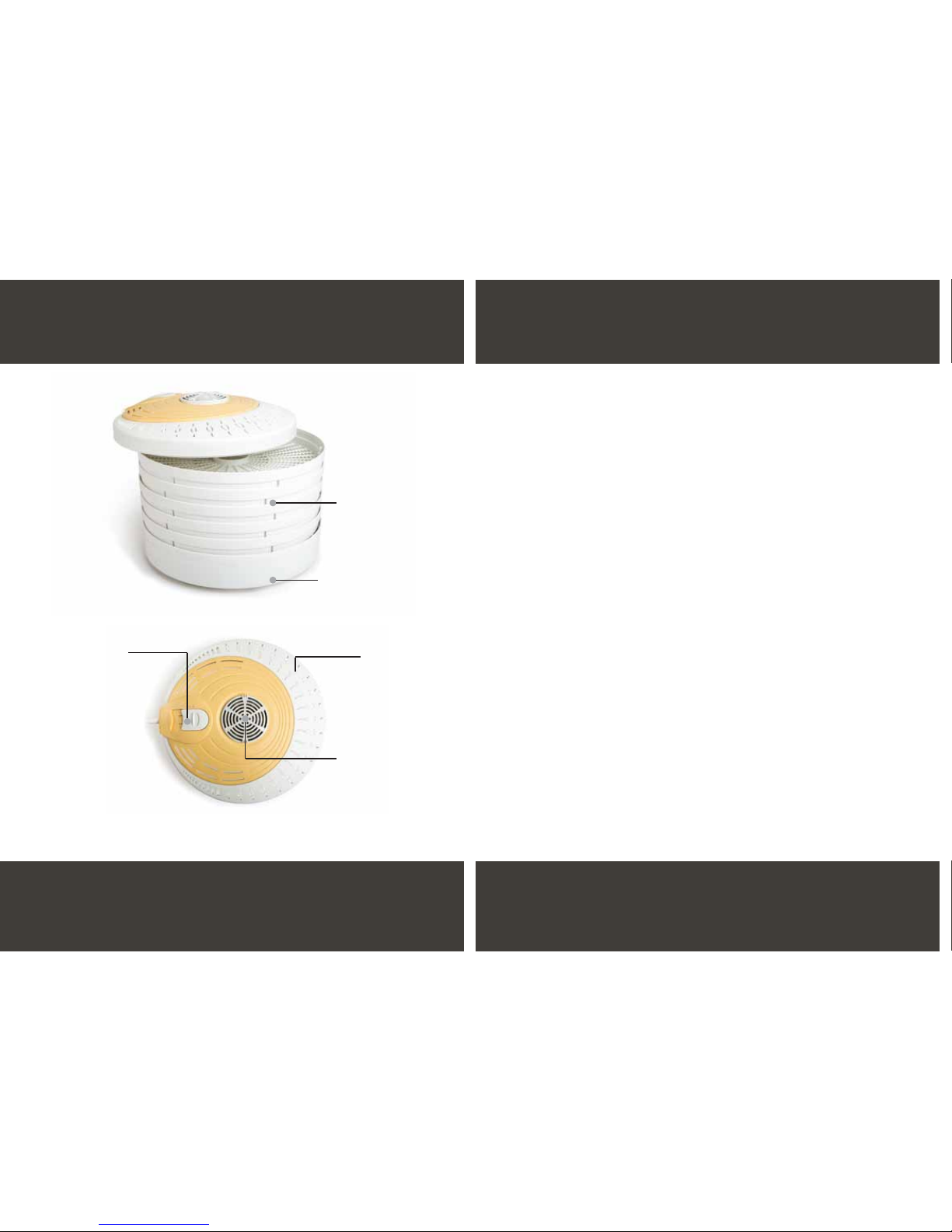
Selecting Food & Loading Tray
Select high quality produce that is ripe and full of flavour for the best results.
Wash all fruits and vegetables to remove any debris, dust or insects. Cut away
any bruised or damaged sections. Lay food pieces evenly onto the trays. Do not
overlap the food pieces as this may inhibit drying. As each tray is loaded, stack it
on the dehydrator to begin the drying process.
Drying Time
Drying times will vary, depending on the type and amount of food, the thickness
of the slices, the percentage of water in the food and the weather when using the
Dehydrator.
Fan Speed control (heat setting)
There are three fan speed settings that can be used when dehydrating produce.
This gives you control over the intensity of the heat the dehydrator will produce.
Setting 1 (Low)
This is for produce with a low water content like mushrooms, spinach, onions etc.
It is also for delicate items like herbs and flowers.
Setting 2 (Medium)
This is for produce with a moderate water content, it is suitbale for most types of
Fruits and Vegetables.
Setting 3 (High)
This is for produce with a high water content like meat jerky, tomatoes, citrus, etc.
IMPORTANT: Before each use remove the White Mesh Filter Cover
by turning it clock-wise. Once this has been remove lift the Stainless Steel
Mesh Filter out and check that the mesh filter is clear of any dust build-up.
Wash under warm water if required and dry thoroughly before placing back
into position. Then reattaching the White Mesh Filter Cover.
P/8
Drying Instructions #2
Storage
The storage area should be cool, dry, and dark. The darker and cooler the storage
area, the longer the dried foods will last. The ideal storage temperature for
dehydrated food is 15°C to below freezing. The ideal storage place is a freezer or
refrigerator, particularly for storing low acid foods such as meats, fish and veg.
Rehydrating Dried Food
Enjoy dehydrated foods when dry or rehydrate foods to use in recipes.
Rehydrating can be done by placing dried foods in enough water to cover
food and then soaking for approximately one hour. Boiling water will
rehydrates foods much faster than cold water. Fruits or vegetables may also
be rehydrated in liquids other than water, including fruit juices, cider,
vegetable juices, milk etc. Adding salt or sugar during rehydration will slow
the rehydration process down.
Cooking Dried Food
After rehydrating food, cook it as you would normally. Most fruits and
vegetables will rehydrate to about 70-90% of their fresh state. Keep in mind
they will be more chewy than fresh or frozen fruit and vegetable. Dried food
used in cooking will absorb additional liquid, so adjust the recipe accordingly
by adding more water.
Packaging
Dried foods should be packaged straight after drying to prevent stickiness and
rehydration caused by humidity. Store dried foods in airtight, moisture proof
containers. If foods are insufficiently dried, or are exposed to moisture from faulty
packaging, they can lose quality and nutrition, and can even form mould during
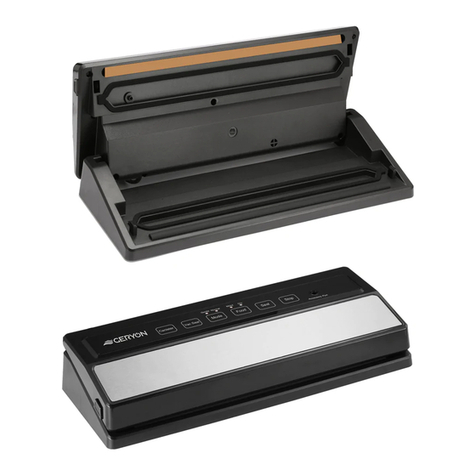
storage. The Luvelo Vacuum Sealer is ideal for packaging dried foods. It can
extend the shelf life of dried foods 3 to 4 times. The Luvelo Vacuum Sealer can
be purchased from our website www.luvelo.com.
Plastic freezer bags can be used. Plastic storage bags that are not labelled for use
in the freezer generally are not airtight nor moisture-proof and should not be used
to store dried foods. Since most packaging materials are transparent, store
packaged dried foods in a plastic or metal container which will not allow the light
to penetrate. Store all foods separately so flavours do not mix. Fruit roll-ups are
best if removed while still warm. Wrap in plastic wrap and place in airtight
moisture-proof containers for storage.