manuals.online logo
Brands
  1. Home
  2. •
  3. Brands
  4. •
  5. MARTINDALE
  6. •
  7. Test Equipment
  8. •
  9. MARTINDALE PD690 User manual

MARTINDALE PD690 User manual

Other MARTINDALE Test Equipment manuals
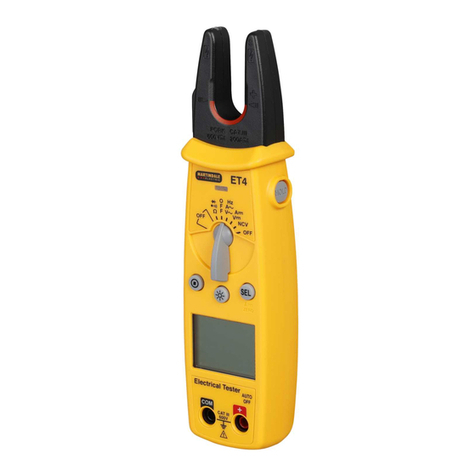
MARTINDALE ET4 User manual

MARTINDALE

MARTINDALE ET4 User manual
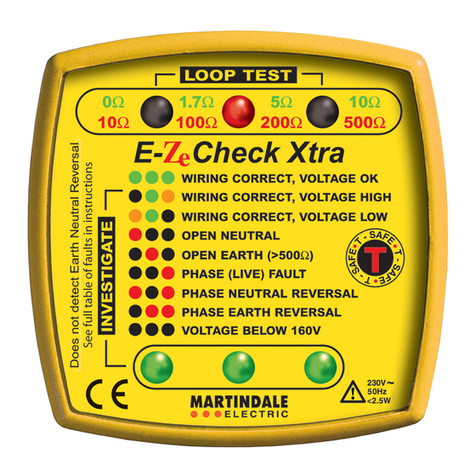
MARTINDALE EZ150:EZ650 User manual

MARTINDALE

MARTINDALE EZ150:EZ650 User manual
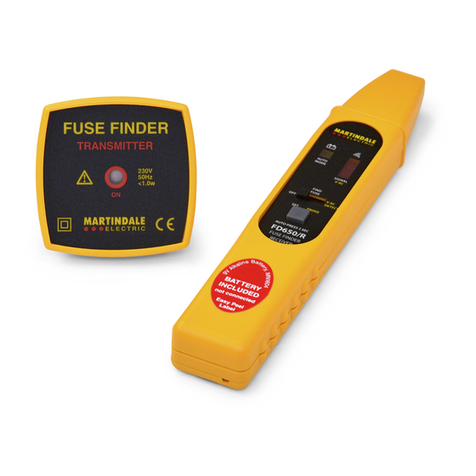
MARTINDALE FD550 User manual

MARTINDALE

MARTINDALE FD550 User manual
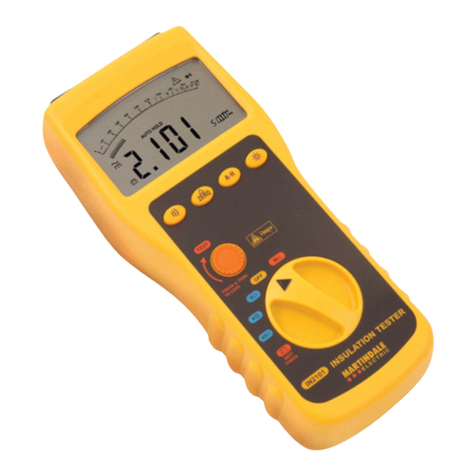
MARTINDALE IN2101 User manual

MARTINDALE

MARTINDALE IN2101 User manual
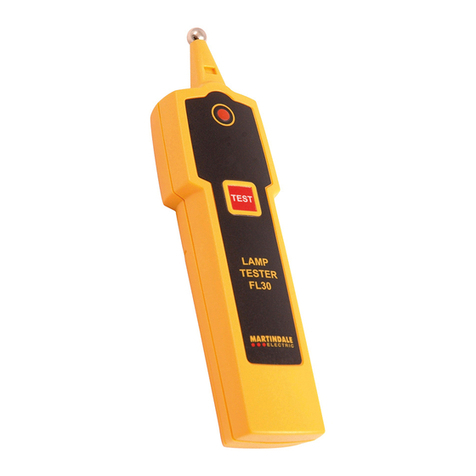
MARTINDALE FL30 User manual

MARTINDALE

MARTINDALE FL30 User manual

MARTINDALE VT25 User manual

MARTINDALE

MARTINDALE VT25 User manual
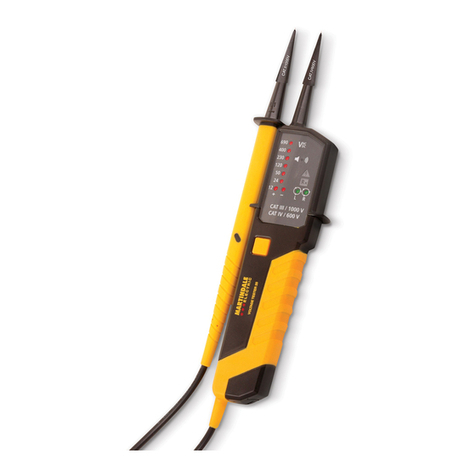
MARTINDALE VT25 User manual

MARTINDALE

MARTINDALE VT25 User manual

MARTINDALE 101 User manual

MARTINDALE

MARTINDALE 101 User manual
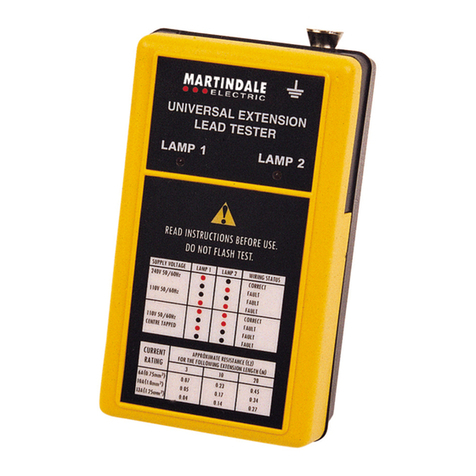
MARTINDALE LTDV User manual

MARTINDALE

MARTINDALE LTDV User manual

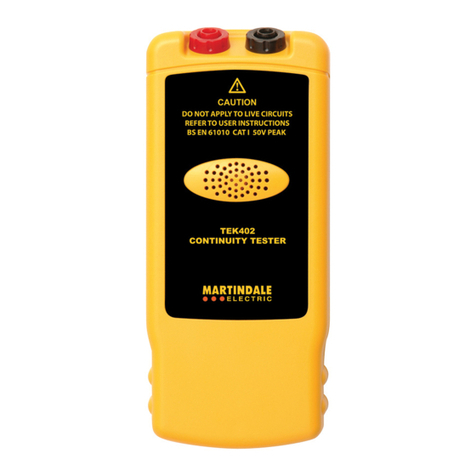
MARTINDALE TEK402 User manual

MARTINDALE

MARTINDALE TEK402 User manual
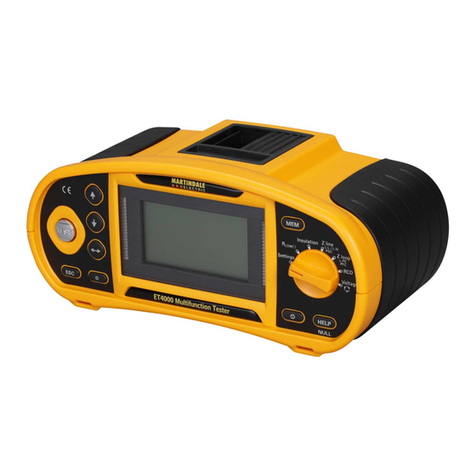
MARTINDALE ET4000 User manual

MARTINDALE

MARTINDALE ET4000 User manual
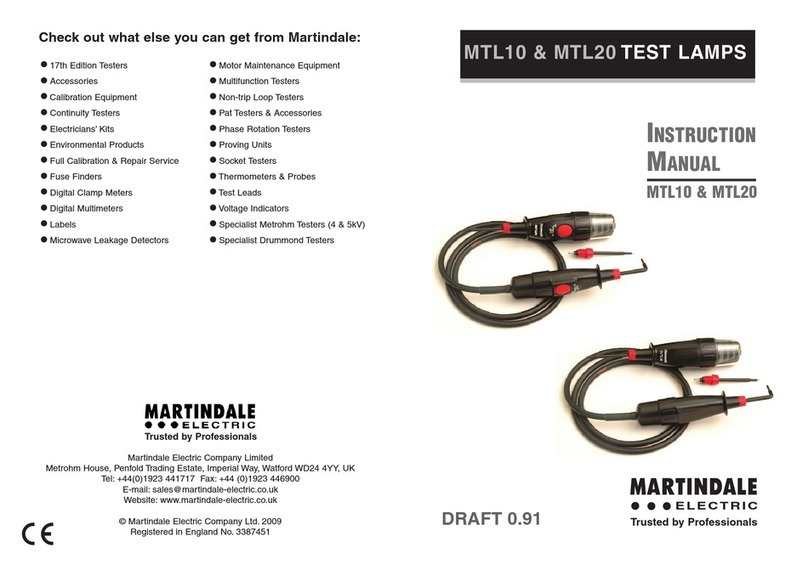
MARTINDALE MTL10 User manual

MARTINDALE

MARTINDALE MTL10 User manual

MARTINDALE IN2103 User manual

MARTINDALE

MARTINDALE IN2103 User manual
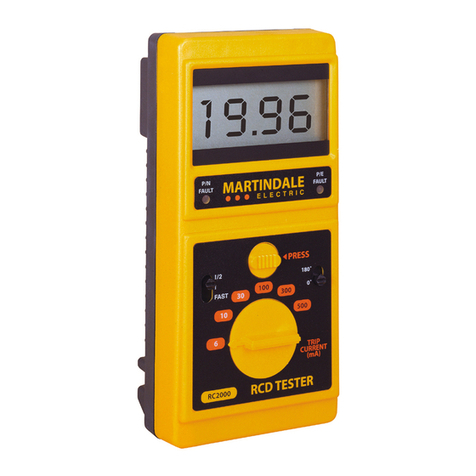
MARTINDALE RC2000 User manual

MARTINDALE

MARTINDALE RC2000 User manual
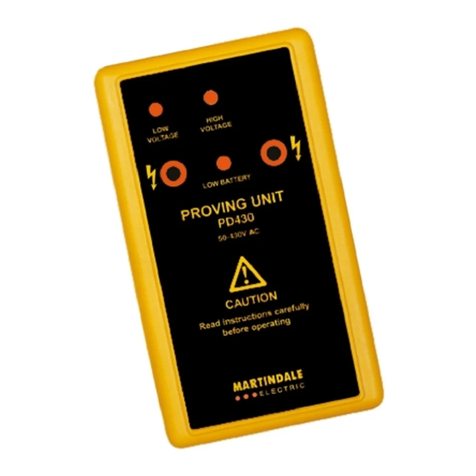
MARTINDALE PD430 User manual

MARTINDALE

MARTINDALE PD430 User manual
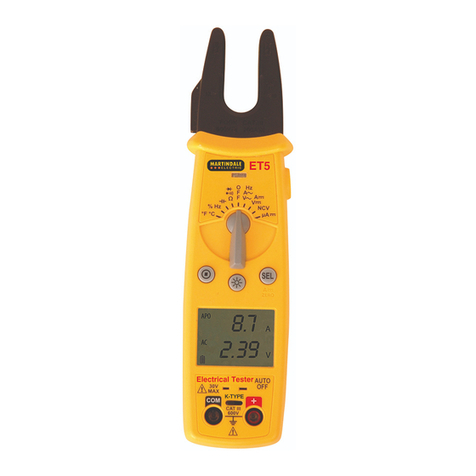
MARTINDALE ET5 User manual

MARTINDALE

MARTINDALE ET5 User manual
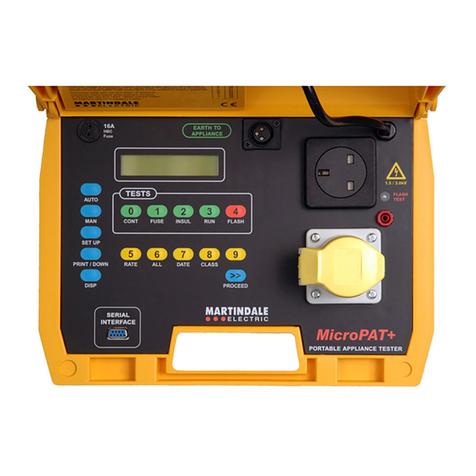
MARTINDALE MICROPAT+ User manual

MARTINDALE

MARTINDALE MICROPAT+ User manual

MARTINDALE EASYPAT 1600 User manual

MARTINDALE

MARTINDALE EASYPAT 1600 User manual
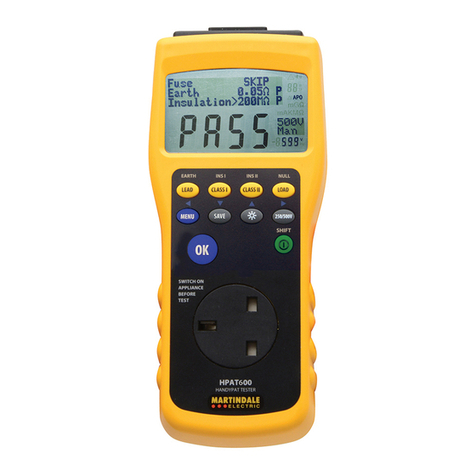
MARTINDALE HPAT600 User manual

MARTINDALE

MARTINDALE HPAT600 User manual
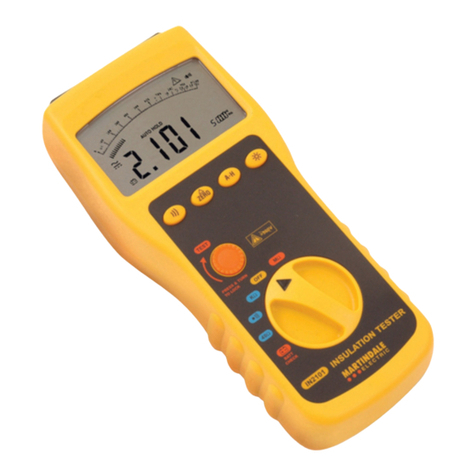
MARTINDALE IN2101 User manual

MARTINDALE

MARTINDALE IN2101 User manual
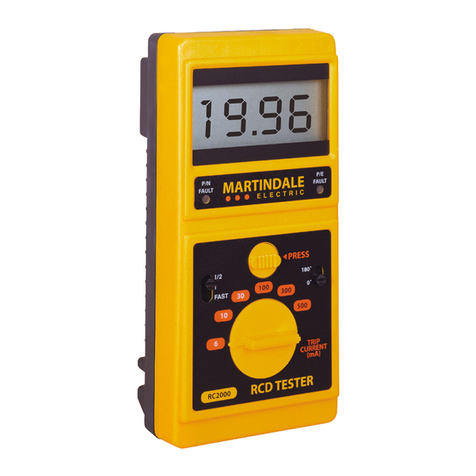
MARTINDALE RC2000 User manual

MARTINDALE

MARTINDALE RC2000 User manual

MARTINDALE HANDYPAT HPAT400 User manual

MARTINDALE

MARTINDALE HANDYPAT HPAT400 User manual

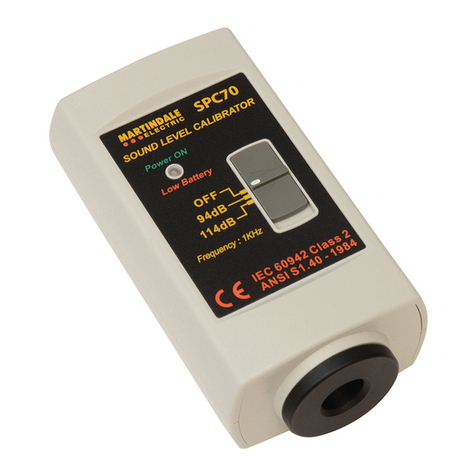
MARTINDALE SPC70 User manual

MARTINDALE

MARTINDALE SPC70 User manual

MARTINDALE TEK 402 User manual

MARTINDALE

MARTINDALE TEK 402 User manual

Popular Test Equipment manuals by other brands
Ambit P.F. Series instruction manual

Ambit

Ambit P.F. Series instruction manual

Megger BMM500 Series user guide

Megger

Megger BMM500 Series user guide

RJG Lynx Sensor Tester operating instructions

RJG

RJG Lynx Sensor Tester operating instructions

Mark-10 TT02 Series user guide

Mark-10

Mark-10 TT02 Series user guide

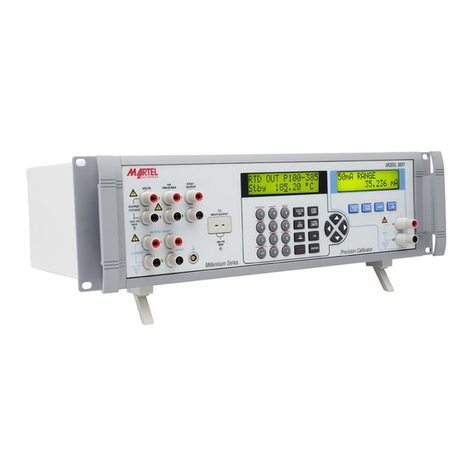
Martel 3001 Operator's manual

Martel

Martel 3001 Operator's manual

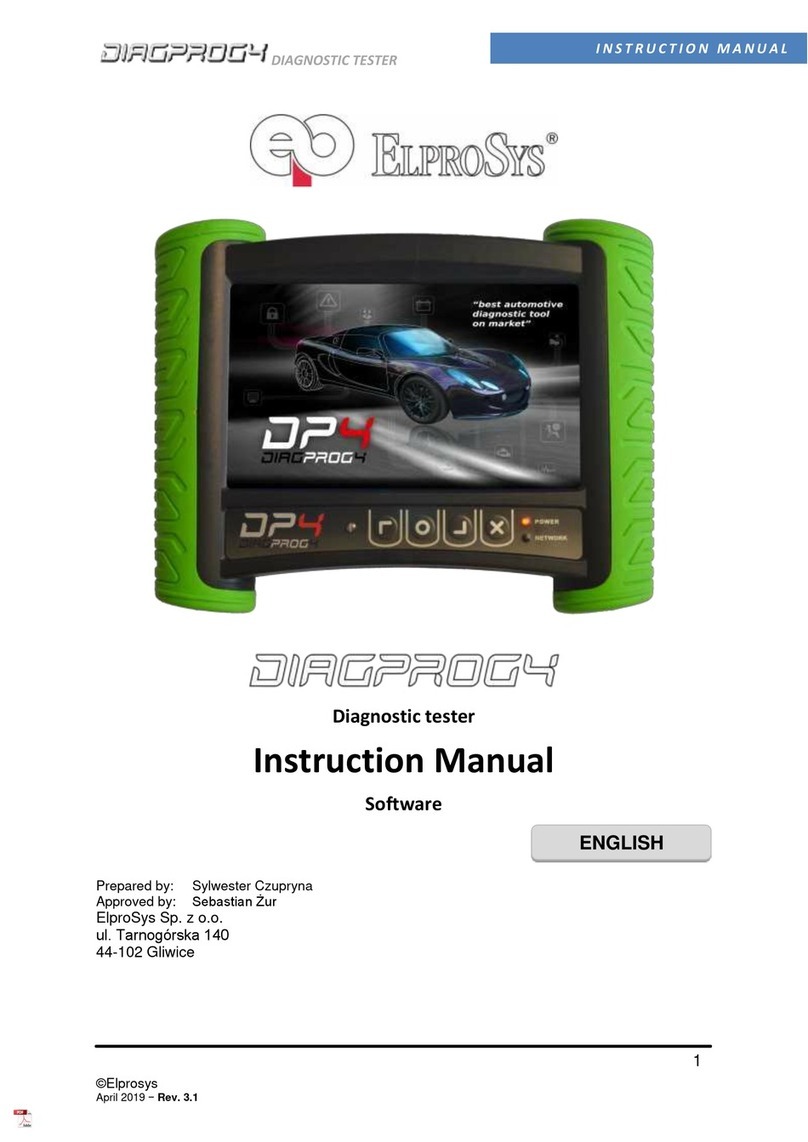
ElproSys DiagProg4 instruction manual

ElproSys

ElproSys DiagProg4 instruction manual

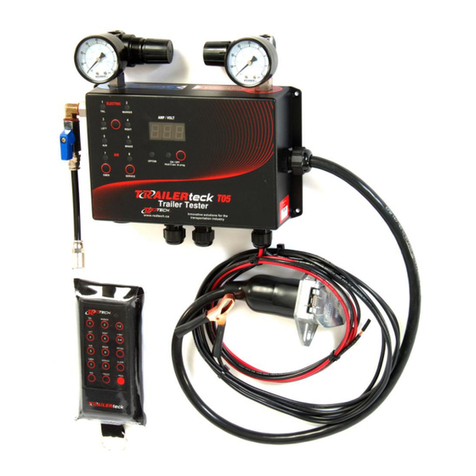
Redtech TRAILERteck T05 user manual

Redtech

Redtech TRAILERteck T05 user manual
Venmar AVS Constructo 1.0 HRV user guide

Venmar

Venmar AVS Constructo 1.0 HRV user guide

Test Instrument Solutions SafetyPAT operating manual

Test Instrument Solutions

Test Instrument Solutions SafetyPAT operating manual

Hanna Instruments HI 38078 instruction manual
Hanna Instruments

Hanna Instruments HI 38078 instruction manual

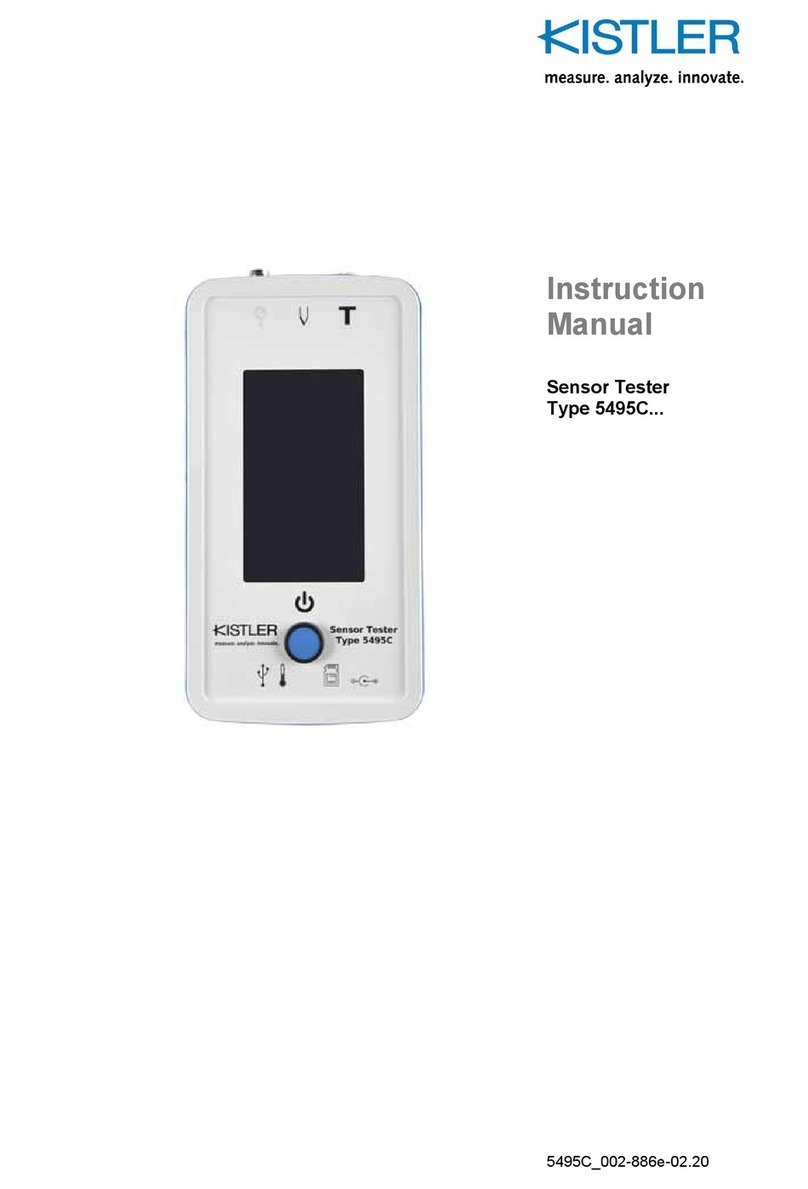
Kistler 5495C Series instruction manual
Kistler

Kistler 5495C Series instruction manual

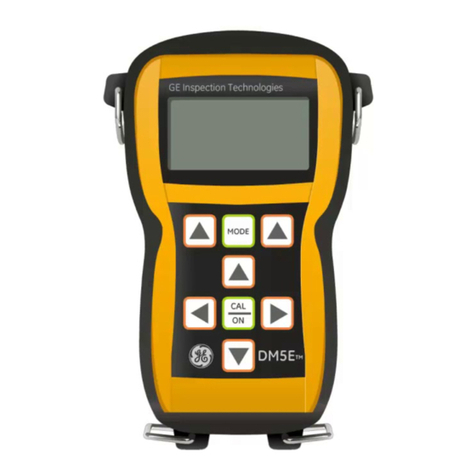
Waygate Technologies DM5E Basic quick start guide
Waygate Technologies

Waygate Technologies DM5E Basic quick start guide

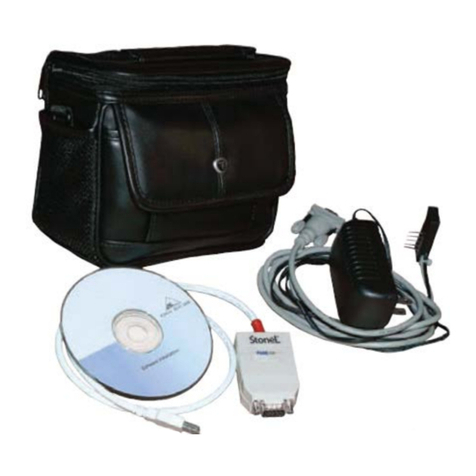
StoneL DeviceNet CK464002A manual

StoneL

StoneL DeviceNet CK464002A manual

Seica RAPID 220 Site preparation guide

Seica

Seica RAPID 220 Site preparation guide

Kingfisher KI7400 Series Training manual
Kingfisher

Kingfisher KI7400 Series Training manual

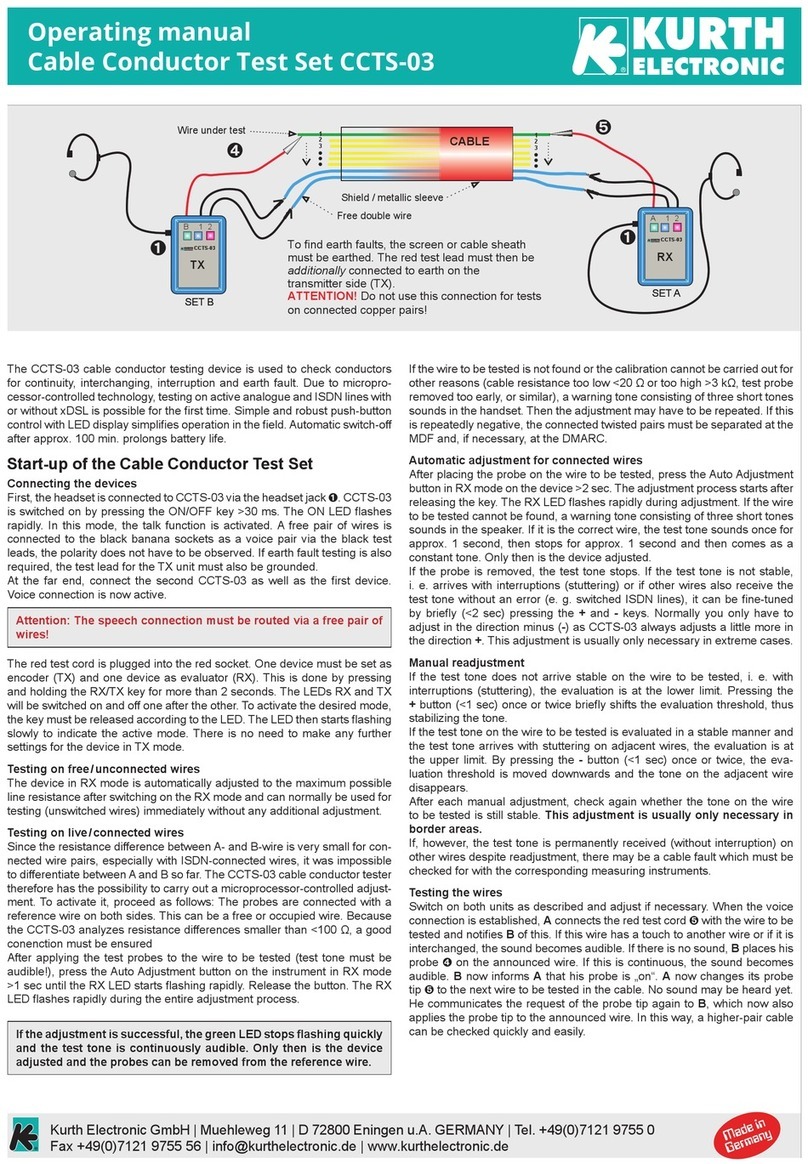
Kurth Electronic CCTS-03 operating manual
Kurth Electronic

Kurth Electronic CCTS-03 operating manual

SMART KANAAD SBT XTREME 3G Series user manual

SMART

SMART KANAAD SBT XTREME 3G Series user manual

Agilent Technologies BERT Serial Getting started

Agilent Technologies

Agilent Technologies BERT Serial Getting started

manuals.online logo
manuals.online logoBrands
  • About & Mission
  • Contact us
  • Privacy Policy
  • Terms and Conditions

Copyright 2025 Manuals.Online. All Rights Reserved.

Observe that the required indicators on the unit under test illuminate, then
withdraw the probe from the right hand terminal, then the left.
If the PD690 power on indicator fails to illuminate, check the condition of the
batteries and replace if required (see paragraph 4.1).
4. MAINTENANCE
4.1 Battery Replacement
Remove the rear battery cover by unscrewing the large plated screw at the end of
the cover. The screw is captive but once it is loose the cover can be slid
downwards beyond the bottom end of the unit and lifted clear.
Fit 6 new LR6 (MN1500) 1.5V alkaline batteries, observing correct polarity.
Replace the battery cover by positioning it into the rear casing slots and slide
upward into position, then tighten screw. Do not over-tighten.
4.2 Cleaning
After removal of the batteries the PD690 may be cleaned using a soft damp cloth
and mild detergent. Do not use abrasives or solvents.
4.3 Repair & Service
There are no user serviceable parts in this unit. Return to Martindale Electric
Company Ltd if faulty.
4.4 Storage Conditions
The PD690 should be kept in dry conditions away from direct sources of heat or
sunlight, with the batteries removed and in such a manner as to preserve the
working life of the PD690. It is strongly advised that the unit is not kept in a tool
box where other tools may damage it.
Martindale Electric Company Limited
Metrohm House, Penfold Trading Estate, Imperial Way, Watford, WD24 4YY, UK.
Tel: +44(0)1923 441717 Fax: +44(0)1923 446900
E-mail: [email protected]
Website: martindale-electric.co.uk
Martindale Electric Company Ltd. Registered in England No. 3387451. Rev 1.
Proving Unit
INSTRUCTIONS
MARTINDALE
ELECTRIC
PD690
SAFETY INFORMATION
Always read before proceeding.
These instructions contain both information and warnings that are
necessary for the safe operation and maintenance of the PD690. It is
recommended that you read the instructions carefully and ensure that the
contents are fully understood. Failure to understand the instructions and to
comply with the warnings and instructions contained herein can result in
serious injury, damage or even death.
In order to avoid the danger of electrical shock, it is important that proper
safety measures are taken when working with voltages exceeding 30V AC
rms, 42V AC peak or 60V DC.
The PD690 must only be used under the conditions and for the purposes for
which it has been constructed. Particular attention should be paid to the
safety instructions, the technical specifications and the use of the PD690 in
a dry environment.
Always check the PD690 is in good working order before use and that there
are no signs of damage to the unit. Do not use if damaged.
CONTENTS
1. Introduction 1.1 Description
1.2 Unpacking And Inspection
2. Technical Specification
3. Operation 3.1 Precautions
3.2 Using the PD690
4. Maintenance 4.1 Battery Replacement
4.2 Cleaning
4.3 Repair & Service
4.4 Storage Conditions
1. INTRODUCTION
1.1 Description
The PD690 is a portable, battery powered proving unit for the testing of contact
type voltage detectors up to 690V.
1.2 Unpacking and Inspection
Before unpacking the PD690, examine the shipping carton for any sign of
damage. Unpack and inspect the PD690 for any damage. If there is any damage
then consult your distributor immediately.
2. TECHNICAL SPECIFICATION
Output Voltage: approx 230V at 5kΩ load.
approx 700V at 700kΩ load.
Output Loading: > 4kΩ.
Batteries: 6 x LR6 (MN1500) 1.5V Alkaline
batteries or equivalent (not included).
Operating Temperature Range: -10 to 40C at max. 70% RH.
Dimensions: 143 x 84 x 50mm.
Weight: 270g (batteries not included).
3. OPERATION
3.1 Precautions
Before use check the PD690 for cracks or any other damage, and make sure
the PD690 is free from dust, grease and moisture.
Do not use if the battery cover is not fitted.
Limit the test time to less than 10 seconds to avoid excessive drain on the
batteries.
Do not short the output terminals, input resistance of the device under test
should be >4kΩ.
Avoid severe mechanical shock or vibration and extreme temperature.
Remove the batteries when not in use for an extended period to avoid
corrosion from leaking batteries.
3.2 Using the PD690
Always make sure the precautions applicable to the unit being tested are
observed.
Place one probe of the unit under test into the left hand socket until it makes
contact with the terminal. Place the other probe into the right hand terminal and
gently press down until the PD690 power on indicator illuminates and the probe
makes contact with the terminal.