5
WARNINGS, DISINFECTING & STERILIZATION - LIGHTS
Infection control in the dental ofce continues to be a
high priority for our customers and end users. OSHA,
the ADA and the CDC are also involved in this complex
issue. The Manufacturer will not attempt to specify the
required intervals for disinfection nor can it recommend
the overall best surface disinfectant. Please refer to
the:
Infection Control
Recommendations published by the American Dental
Association for further information. The question is often
asked, “What should I use to disinfect my dental unit,
chair and light?” This question is more complex than it
seems because of the wide variety of products on the
market as well as formulations of the products changing
to meet the needs of increased asepsis.
Barrier Technique
The Manufacturer strongly advocates the barrier technique
be used whenever possible to preserve the nish and
appearance of the equipment. Wherever possible disposable
barriers should be used and changed between patients. The
barrier technique will ensure maximum long term durability of the
surfaces and nishes of the equipment.
Chemical Disinfection
Regardless of the chemical disinfectant used, it is imperative
that the equipment be thoroughly washed with mild soap and
warm water at least once per day. This wash down will minimize
the harmful effects of chemical disinfectant residues being
allowed to accumulate on the equipment. When using chemical
disinfectants, always pay strict attention to the manufacturer’s
disinfectant directions. When using concentrated disinfectants,
measure the concentrate carefully and mix according to package
directions. Disinfectant solutions that are relatively harmless to
surfaces at their recommended strengths can be corrosive at
higher than recommended dilution ratios.
Only disinfect by wiping, no spray disinfection. Please
be aware that the manufacturer expressly rejects any
claims for warranty or damages when using other
cleaning and disinfections solutions.
*The Manufacturer makes no representation as to the
disinfectant efcacy of these products. We make no
warranty expressed or implied that these disinfectants
will not damage the surface nishes. Damage and
discoloration of the surface nishes are not covered
under the warranty.
**Iodophor-based disinfectants will cause yellow staining
on many surfaces.
Unacceptable Disinfectants
These disinfectants will harm the surface nishes of
dental equipment and are not recommended. Use of
these products will void your warranty.
Conditionally Acceptable Disinfectants*
These disinfectants have been found to be the least
harmful to the equipment surfaces by our test methods.
Chemical Composition
Strong Phenols/Phenol Alcohol combinations
Sodium Hypochlorite/Household Bleach
Sodium Bromide
Strong Alcohol
Household Cleaners (Dental Equipment Only)
Citric Acids
Iodophors**
Ammonium Chloride
Accelerated Hydrogen Peroxide (0.5%)
Chemical Composition
Phthalaldehyde
Quaternary Ammonium
Glutaraldehyde
CAUTION
The equipment can be cleaned with a solution of mild detergent and warm water. A variety of surface disinfectants are available for use
in dental treatment rooms. Some of these can cause discoloration of painted, plated or anodized surfaces with repeated use. This can
be minimized by careful adherence to the disinfectant manufacturer’s instructions and by frequent washing with soap and water.
If you use an iodophor, it is especially important that you follow up with an iodophor neutralizer.
IMPORTANT: Do not use powdered cleansers, scouring pads or abrasive scrubbers on any of the
painted, plastic or metal surfaces of this light. To remove dried-on material, use a soft bristled brush
and a solution of mild detergent.
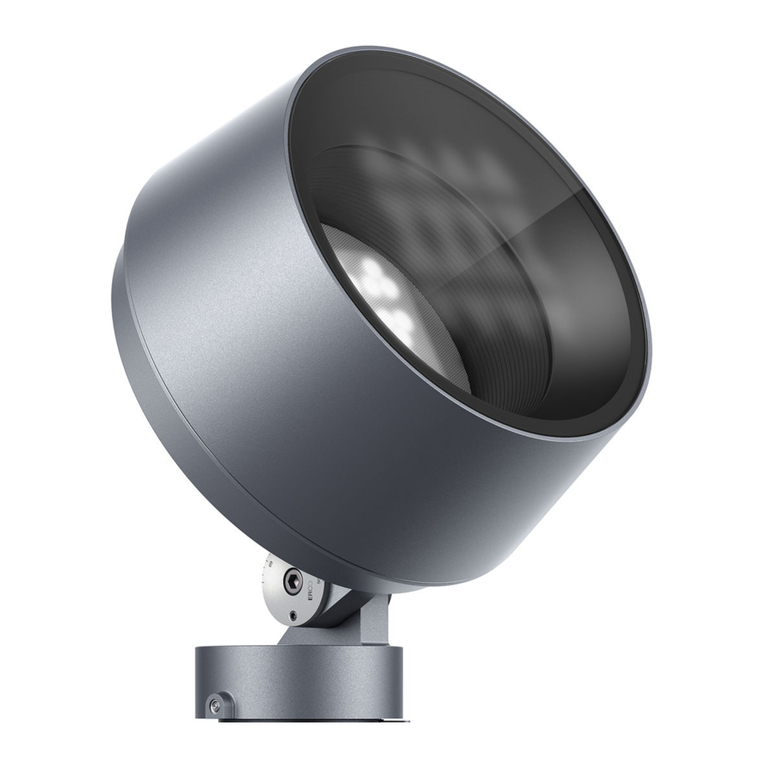
Cleaning the Light