FG059 Aztec plc RevB18 12-12-18
Page 2 of 4
■■Use more than one fryer and clean them in rotation.
■■Use an automated filtering system or a semiautomated portable filtering unit that removes the
hot oil directly from the fryer, filters the oil and holds it safely.
Automated and semi-automated filtering
Automated filtering systems
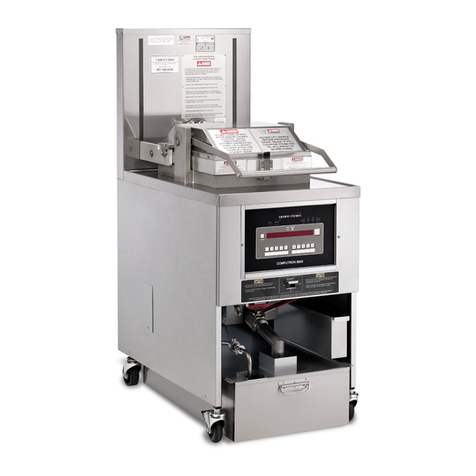
An automated system consists of an inbuilt oil filtration system. The oil is drained into an enclosed reservoir
and an electric pump circulates it through a filter system and internal pipework back into the fryer.
Since this process is enclosed within the equipment, the operator does not come into contact with hot oil,
greatly reducing any risk.
Portable oil filtering units (semi-automated)
These units are not part of the fryer, but sit alongside it. The operator attaches an extension pipe to the
fryer and the hot oil is drained into an enclosed container within the portable unit. The oil is then filtered
and returned to the fryer.
If you have a fryer with automated oil draining system or a portable oil filtering unit, refer to the
manufacturer’s guidelines for draining/filtering temperatures and safe operational requirements.
These, together with your own risk assessment, will determine the need for suitable protective equipment.
If there is still a risk from contact with hot surfaces or oil splashing, you may need to provide staff with eye
protection, a protective apron and/or heat-resistant gloves/gauntlets.
Manual oil filtering
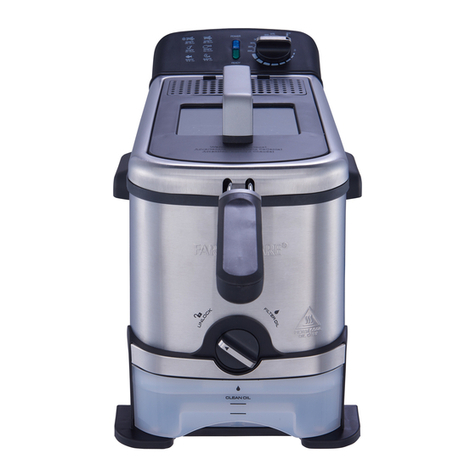
This involves the operator draining the oil from the fryer through a filter into a suitable metal-holding or
heat-resistant hard, plastic container and manually lifting it back into the fryer (fryer oil is often supplied in
hard, plastic, rigid containers). Serious accidents have occurred where oil that has not sufficiently cooled
has been drained back into an empty plastic container and the base of the container has given way.
To drain oil safely and in the correct sequence, follow these guidelines:
■■Turn off the appliance and the power supply at the wall socket for electric appliances, and the on/off
control for gas appliances.
■■Allow the oil to cool, ideally for at least six hours, and check the temperature using a suitable probe
thermometer before draining. Do not drain if the temperature is above 40 °C.
■■Follow the manufacturer’s instructions and use the correct equipment (eg a detachable spout for the
type of fryer you are emptying), making sure to bring any equipment you need to the fryer before you start.
■■Depending on the type of fryer, drain the oil by drain valve, removable spout, lifting container or by
tilting.
■■If the oil is too cold to drain easily, reheat it briefly and agitate with the fryer basket for no more than
one minute. Switch the appliance off and check the temperature again before emptying.
■■Using a filter, run the oil into a suitable metal holding or heat-resistant hard, plastic container.
These containers will generally need carrying handles and a cover or lid. Before moving, make sure that
the lid or cover is secure.
■■Make sure the container is empty and big enough to take the volume of oil being drained at any time.
■■When you are draining large volumes of oil it is safer to drain off in smaller amounts. This avoids
overfilling the container and will reduce the chance of spillages when you move it. Smaller amounts
will also be easier to carry.
■■Place the container in a safe place where it cannot be contaminated with chemicals, water or foreign
bodies. Place the container on top of a drip tray to avoid any floor contamination.
■■Do not dispose of waste oil down the drain – disposal must comply with environmental legislation.
■■Clean up any spillages immediately.
■■Make sure floor areas around equipment are completely clean and dry to avoid slip risks (see also
Preventing slips and trips in kitchens and food service).
Other precautions
Make sure the design of the drain-off tap prevents it being turned on accidentally:
Health and Safety
Executive
Page 3 of 4
■■Mark clearly on it that the tap should not be touched.
■■Place warning signs near the tap.
■■If possible, remove the tap handle when the fryer is switched on.