6
1. About your Security System
Introduction
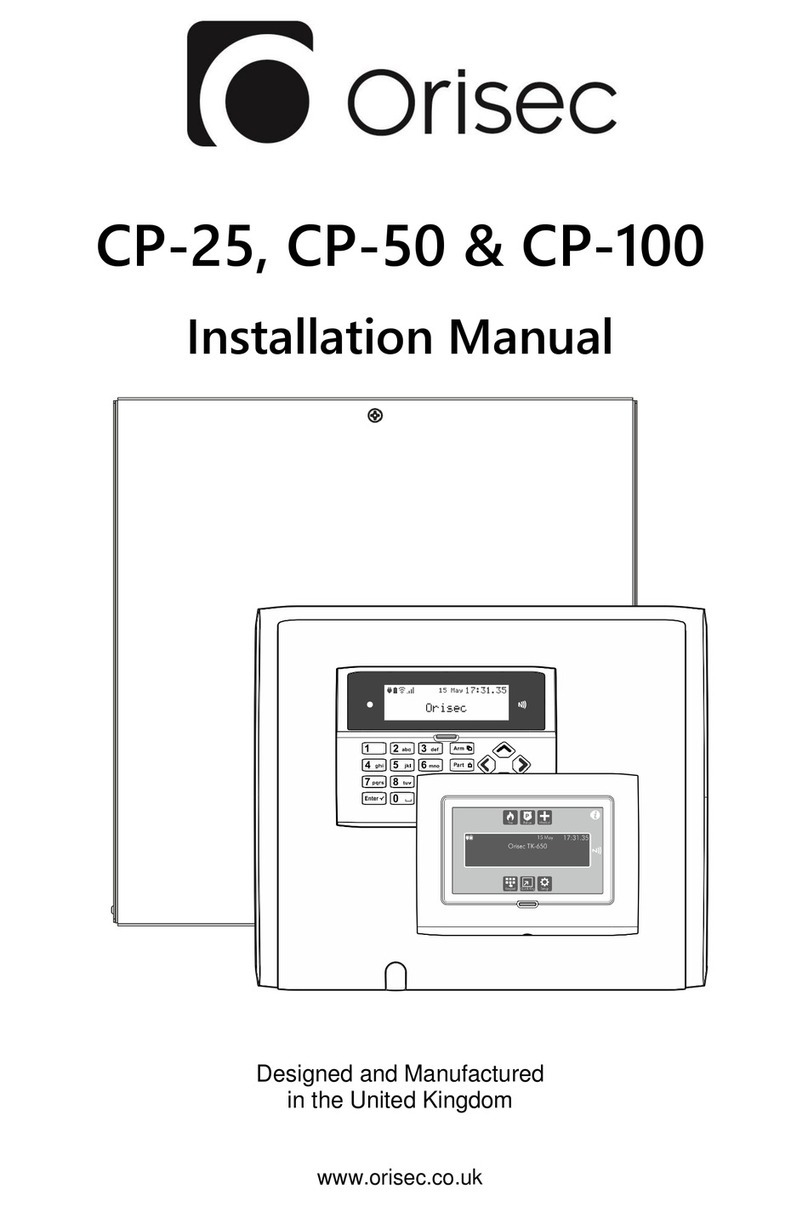
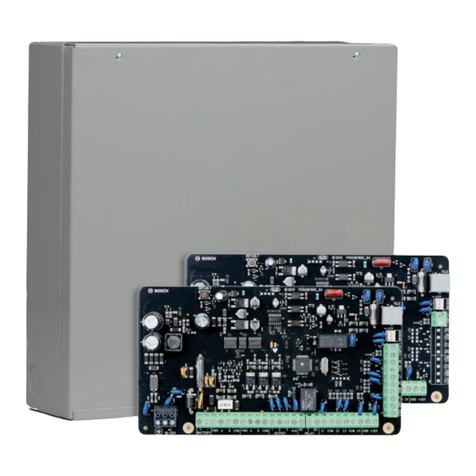
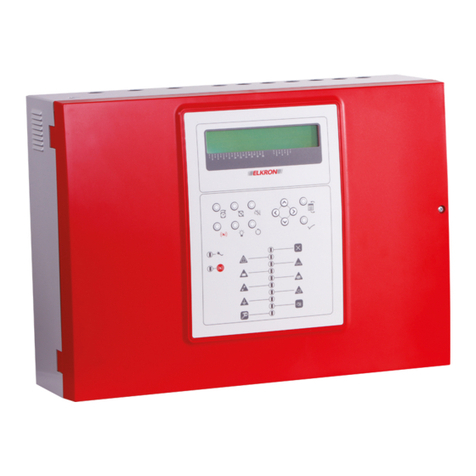
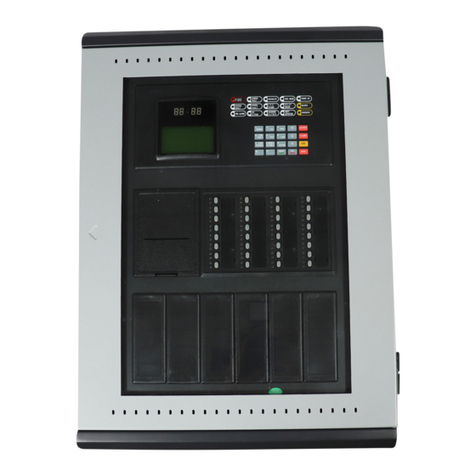
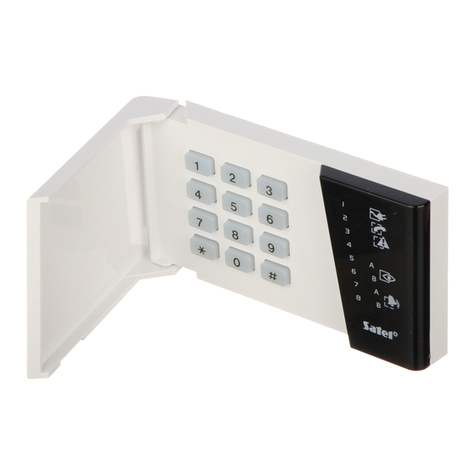
Your security system is made up of several component parts comprising of a control panel with
integrated keypad, optional additional remote keypads, external sounder and various detection
devices that are connected to either the control panel or zone expansion modules.
The control panel houses the system’s electronics and stand-by battery and has an integrated
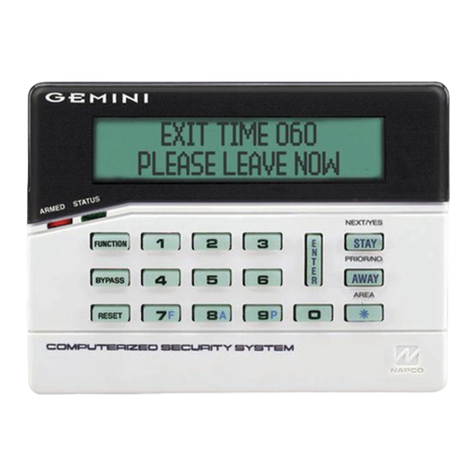
keypad to provide the user interface for the system and is used to send commands to the
system and to display the current system status via a graphic display. This keypad also provides
audible feedback annunciation of fault and alarm tones. Control panels with integrated keypads
are normally mounted in convenient locations inside the protected premises, near to the points
of entry and exit.
Please read this manual carefully and have your installer instruct you on your system’s
operation. Become familiar with the features that have been implemented on your system. All
users of this system should be equally instructed in its use.
About this Manual
This manual provides a thorough explanation of all system functions that are available to the
master user, including basic system operation, user code programming, remote control and
troubleshooting.
Alarm Transmission System
Your security system maybe fitted with an automatic alarm transmission system, which will
communicate alarms, faults and other events to a 24hr manned Alarm Receiving Centre (ARC).
If you accidently cause a false alarm activation, immediately call the ARC to prevent an
unnecessary emergency response.
Zones and Areas
A zone is an input that is normally used to monitor a single detection device like a motion
detector, glass-break detector, door contact or shock sensor etc. An area is one or more zones
grouped together to allow independent arming and disarming of areas.
Access code
As a user of the security system, you will be assigned a 4, 5 or 6 digit access code. Access codes
are used to arm and disarm the system. Some access codes can perform additional system
functions, such as programming system options, omitting zones and performing system tests.
Your access code may not allow you to access certain system functions. For instance, if your
code is only allowed to arm the system you will not be able to disarm the system, once the
system is armed.