manuals.online logo
Brands
  1. Home
  2. •
  3. Brands
  4. •
  5. Posnet
  6. •
  7. Printer
  8. •
  9. Posnet THERMAL HD online Instruction manual

Posnet THERMAL HD online Instruction manual

Other Posnet Printer manuals

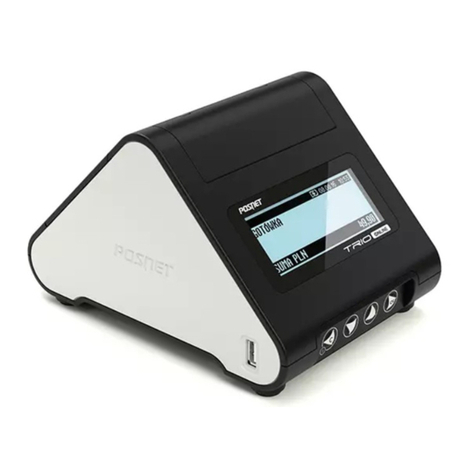
Posnet TRIO ONLINE Instruction manual

Posnet

Posnet TRIO ONLINE Instruction manual

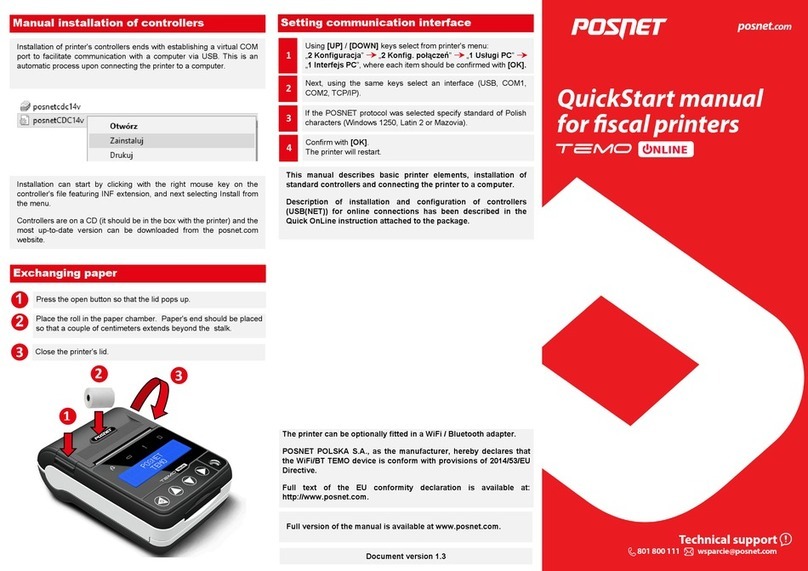
Posnet TEMO ONLINE Instruction manual

Posnet

Posnet TEMO ONLINE Instruction manual

Popular Printer manuals by other brands

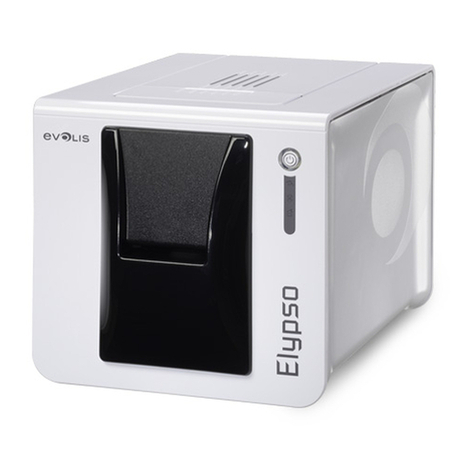
Evolis Elypso user guide

Evolis

Evolis Elypso user guide

Lexmark 522n - C Color Laser Printer Service manual

Lexmark

Lexmark 522n - C Color Laser Printer Service manual

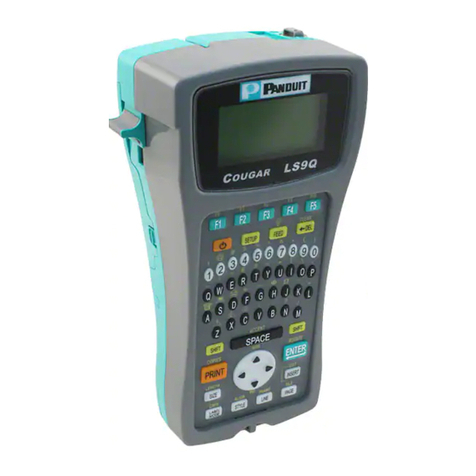
Panduit COUGAR LS9Q Operator's manual

Panduit

Panduit COUGAR LS9Q Operator's manual

Olivetti PG L2140 Operation guide

Olivetti

Olivetti PG L2140 Operation guide

Samsung SL-M2820DW user manual

Samsung

Samsung SL-M2820DW user manual

Kyocera FS-9530DN specification

Kyocera

Kyocera FS-9530DN specification

Canon LASER SHOT LBP-1210 Specifications

Canon

Canon LASER SHOT LBP-1210 Specifications

Canon PIXMA PRO-1 Series Getting started

Canon

Canon PIXMA PRO-1 Series Getting started

Canon LBP113w Getting started

Canon

Canon LBP113w Getting started

Lexmark Infoprint 1332 user manual

Lexmark

Lexmark Infoprint 1332 user manual

Epson M1120 user guide

Epson

Epson M1120 user guide

TransAct POSJET 1500 Spare parts

TransAct

TransAct POSJET 1500 Spare parts

Telpar MTP-1500 user manual

Telpar

Telpar MTP-1500 user manual

Star DP8340 SERIES user manual

Star

Star DP8340 SERIES user manual

MGI JETVARNISH 3DS user manual

MGI

MGI JETVARNISH 3DS user manual

Kyocera TASKalfa PA4500ci Operation guide

Kyocera

Kyocera TASKalfa PA4500ci Operation guide

Emaar EP-360 user manual

Emaar

Emaar EP-360 user manual

Fujitsu DL7400 user manual

Fujitsu

Fujitsu DL7400 user manual

manuals.online logo
manuals.online logoBrands
  • About & Mission
  • Contact us
  • Privacy Policy
  • Terms and Conditions

Copyright 2025 Manuals.Online. All Rights Reserved.

Full version of the manual is available at www.posnet.com.
This manual describes basic printer elements, installation of
standard controllers and connecting the printer to a computer.
Description of installation and configuration of controllers
(USB(NET)) for online connections has been described in the
Quick OnLine instruction attached to the package.
Exchanging paper
1
Press the open button so that the lid pops up.
2
Place the roll in the paper chamber. Paper's end should be
placed so that a couple of centimeters extends beyond the stalk.
3
Close the printer's lid.
Manual installation of controllers
Installation of printer's controllers ends with establishing a virtual COM
port to facilitate communication with a computer via USB. This is an
automatic process upon connecting the printer to a computer.
Installation can start by clicking with the right mouse key on the
controller's file featuring INF extension, and next selecting Install from
the menu.
Controllers are on a CD (it should be in the box with the printer) and
the most up-to-date version can be downloaded from the posnet.com
website.
Setting communication interface
Using [UP] / [DOWN] keys select from printer's menu:
„2 Konfiguracja” „2 Konfig. połączeń” „1 Usługi PC”
„1 Interfejs PC”, where each item should be confirmed with [OK].
1
2
Next, using the same keys select an interface (USB, COM1,
COM2, TCP/IP).
3
If the POSNET protocol was selected specify standard of Polish
characters (Windows 1250, Latin 2 or Mazovia).
4
Confirm with [OK].
The printer will restart.
1
2
3
Document version 1.1
`
Posnet Thermal
HD Online printer
Signal
cable
Power
supply CD
Paper roll Service
Record
Quick
OnLine
manual
Guarantee
certificate
Package content
Ports
POSNET THERMAL HD ONLINE printer is equipped in:
 Power ports,
 COM (1, 2) – computer connection,
 USB – power feeding, computer connection, online
connection,
 Ethernet – online connection,
 Drawers.
LEDS
Control panel
POSNET THERMAL HD ONLINE printer is equipped with operator's
panel allowing to perform basic operations such as device's
configuration, reports, and tests.
 Confirming the function chosen.
 Confirming data entered.
 When entering dates or numbers of daily reports to a
periodic/monthly report and when changing the time in a
printer, it is possible to change the entering position (to
the right).
 Starting/Shutting down the device.
 Cancelling a function choice and moving up the menu.
 Deleting errors.
 When entering dates or numbers of daily reports to a
periodic/monthly report and when changing the time in a
printer, it is possible to change the entering position (to
the left).
 It helps to choose a respective menu function - scrolling
up.
 Change of content in an item (zooming in).
 Paper sliding out.
 It helps to choose a respective menu function - scrolling
down.
 Change of content in an item (zooming out).
USB controllers installation
Installation of printer's controllers ends with establishing a virtual
COM port to facilitate communication with a computer via USB. This
is an automatic process upon connecting the printer to a computer.
The following is an example of typical controllers' installation in
Windows 7 - this process can differ depending on configuration
options and operating system version.
Upon connecting the printer using the USB cable to a computer, the
operational system automatically detects new devices and starts to
install controllers.
By clicking on the installer's icon on the taskbar, progress is visible.
As a result of a properly finished installation of USB controllers, virtual
COM port will be developed.
Information about the port features also in the Manager of system's
devices, in the Port (COM and LPT) position.
 lights with a continuous light when there is input voltage
"Feeder";
 blinks every second when there is no external power supply
(the printer is fed only from internal batteries).
lights with a continuous light when no paper is detected.
 dark when the printer is ready to take new computer
commands (the device is in on-line mode);
 lights with a continuous light when entering the printer's
menu (offline mode);

lights with a continuous light when the device reported a
message requiring user's reaction (as long as the message
is displayed).
 lights continuously when there is no communication with a
repository - i.e. when the printer has no connection to the
repository, according to schedule, the LED starts to
illuminate and stops only when it connects to a repository;

flashes when updates are downloaded from the update
server.