9
The basic resetting procedures as shown in the following trouble shooting section are the
only repairs or adjustments that can be done by the user and these should be carried out by a
Compex qualified electrician. Carrying out work beyond this without permission and instruction
from SA Equip will invalidate any warranty and could compromise the safety and functionality of
the equipment
Only original spares from SA Equip must be used. The use of any other parts will invalidate any
warranty and could compromise the safety and functionality of the equipment. SA Equip offer a
full repairs service. Contact the SA Service Centre on 0845 844 4000 or service@saequip.com
for more details.
The following tasks should be carried out on a periodic basis (3 -6 months depending on usage and
site requirements):
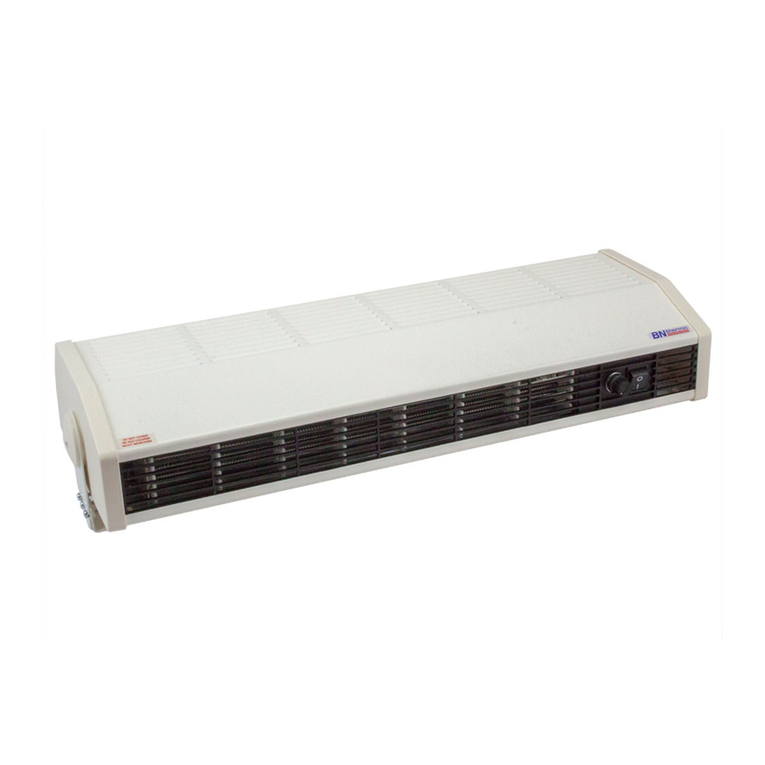
External - Visually inspect all external parts and ensure no deformation has taken place due
to mechanical loading or impact. Check all information and warning labels are present and
legible. Do not allow dirt and/or dust to accumulate on the external surfaces of the equipment
and pay particular attention that the finger guards are not damaged and are free from dust and
dirt and any debris should be removed. The heater should be cleaned when necessary using a
damp cloth. If necessary use neutral soap. Do not spray or immerse in water and no abrasives,
detergents or solvents should be used. Check for any loose bolts or nuts.
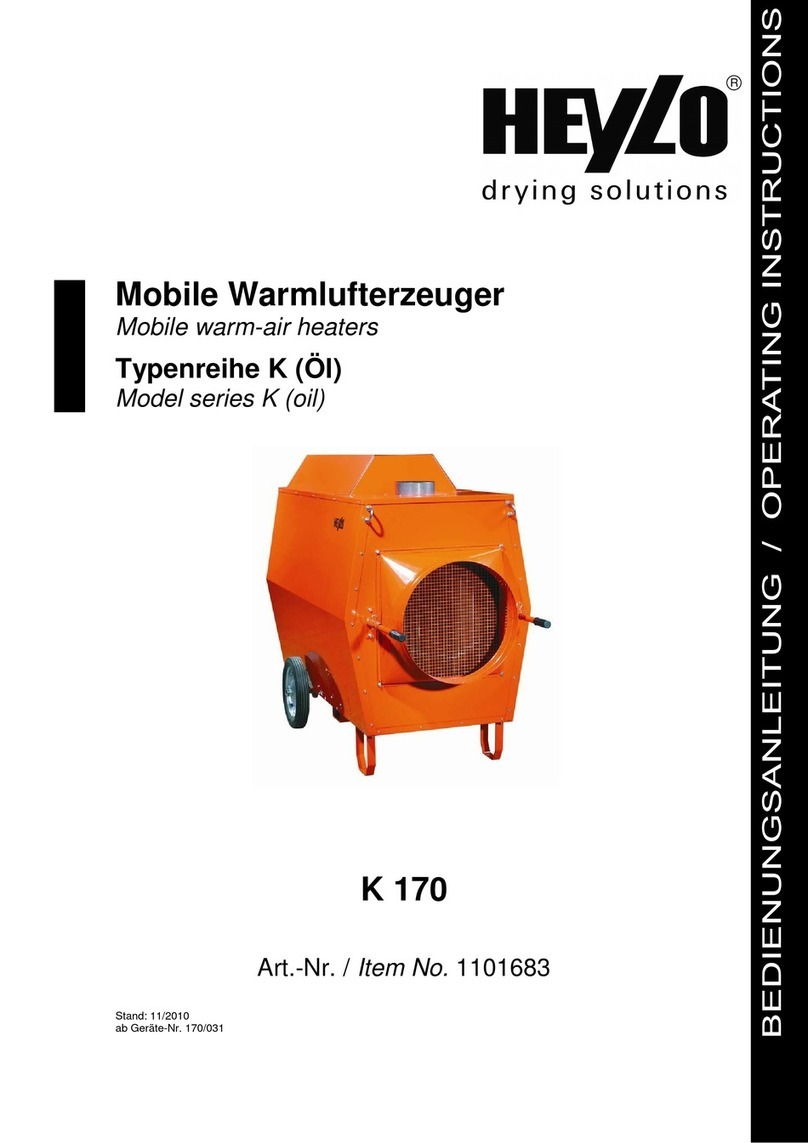
Drum Internal –Visually inspect components inside drum for damage, excessive build-up of
dust, dirt and oil, paying particular attention to the heating elements, heat sink, motor casing
and impeller. Check that bolts in the underside of the enclosure are not loose.
Enclosures – Check that supply cable gland is tight, both on the enclosure and on the cable.
Inspect the mains supply cable for damage. Verify that electrical enclosures are clean, dry and
free of foreign materials and free of corrosion. Check lid gasket for damage. Check all bolts and
nuts are tight.
Electrical Enclosures- Check the all conductors are free of damage. Check the tightness of
all terminal connections. Tighten loose connections. Check that the correct fuses are present
in the fuse holders – fuse rating and type are printed on label mounted to inside of enclosure.
Ensure enclosure lids are in place with all fasteners present and tight (3Nm).
Temperature Controls -Check the thermostat settings have not been tampered with – the red
paint seal on the temperature setting indicator should be unbroken.
Run Test - To verify operation, turn on heater and run for a minimum of five minutes and check
the air exiting the outlet warms up and then the controls cut in and the air cools down as in the
normal cycle pattern of the heater. Check unit runs with normal amount of vibration and there is
absence of anomalous noises.
Electrical Test - Check continuity across each pole of the contactor by testing between
terminals S1-H1, S2-H2 and S3-H3 with the power supply isolated – there should be no
continuity. Conduct electrical earth bond, insulation resistance and phase tests or other tests
as required by site regulations.