manuals.online logo
Brands
  1. Home
  2. •
  3. Brands
  4. •
  5. Samsung
  6. •
  7. TV Receiver
  8. •
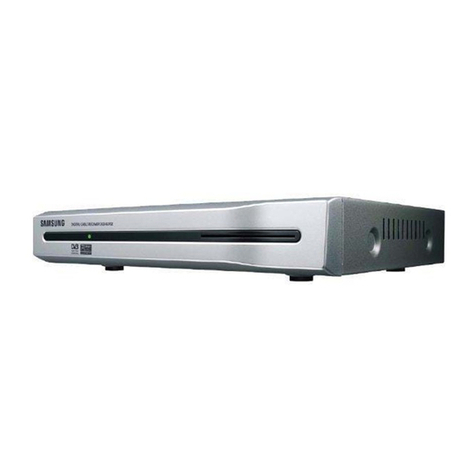
  9. Samsung CS721APF/SEAUX User manual

Samsung CS721APF/SEAUX User manual

This manual suits for next models

4

Other Samsung TV Receiver manuals

Samsung CXD1334 User manual

Samsung

Samsung CXD1334 User manual

Samsung CB21N112TZXXEC User manual

Samsung

Samsung CB21N112TZXXEC User manual

Samsung CS29K5MHUX/AAG User manual

Samsung

Samsung CS29K5MHUX/AAG User manual

Samsung TXM2790FX User manual

Samsung

Samsung TXM2790FX User manual

Samsung CT20F3FNT User manual

Samsung

Samsung CT20F3FNT User manual

Samsung CT2088BL6X/XAP User manual

Samsung

Samsung CT2088BL6X/XAP User manual

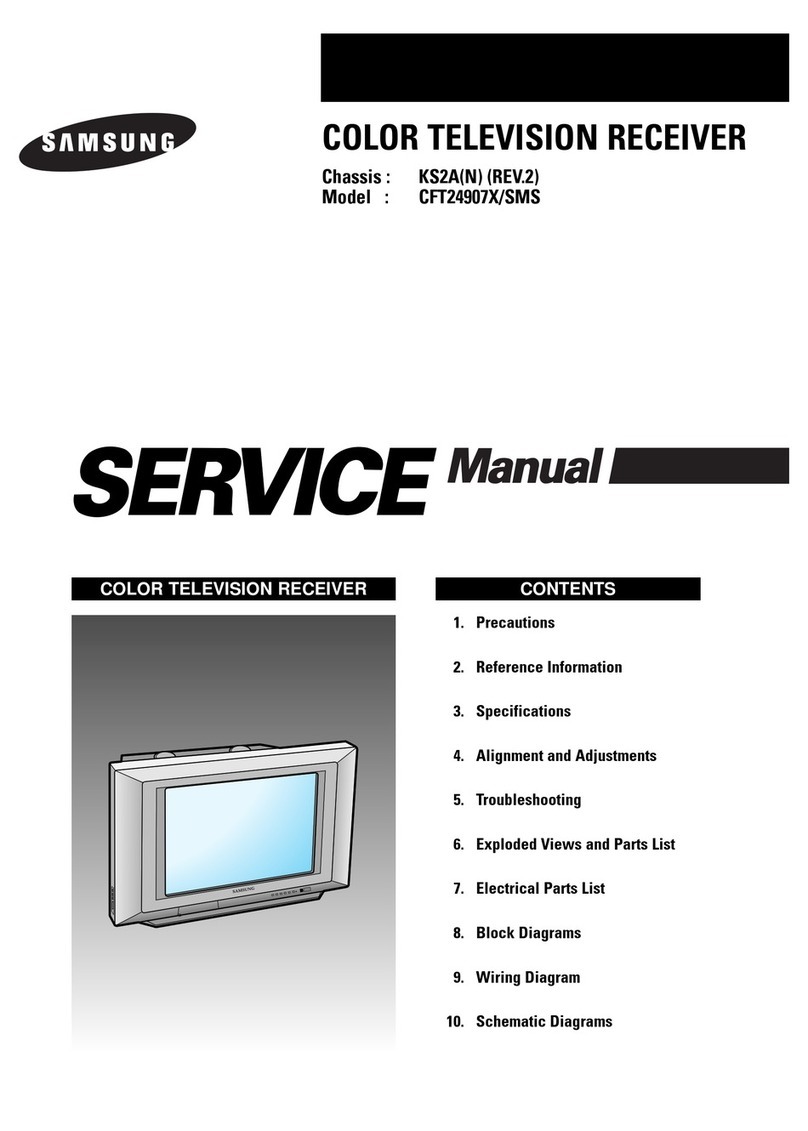
Samsung CFT24907X/SMS User manual

Samsung

Samsung CFT24907X/SMS User manual

Samsung HCP4241WX/XAA Installation guide

Samsung

Samsung HCP4241WX/XAA Installation guide

Samsung CFT27918X/SMS User manual

Samsung

Samsung CFT27918X/SMS User manual

Samsung SP42W5HFX/XTT User manual

Samsung

Samsung SP42W5HFX/XTT User manual

Samsung SIR-S310W User manual

Samsung

Samsung SIR-S310W User manual

Samsung CL21K5MN6X/RCL User manual

Samsung

Samsung CL21K5MN6X/RCL User manual

Samsung HCP4752WX/XAA User manual

Samsung

Samsung HCP4752WX/XAA User manual

Samsung DRX100 User manual

Samsung

Samsung DRX100 User manual

Samsung CW28C75VS8XXEC User manual

Samsung

Samsung CW28C75VS8XXEC User manual

Samsung CZ20F12TSXVXEH User manual

Samsung

Samsung CZ20F12TSXVXEH User manual

Samsung HCP4252WX/XAA User manual

Samsung

Samsung HCP4252WX/XAA User manual

Samsung CI5913W User manual

Samsung

Samsung CI5913W User manual

Samsung TXE2045 User manual

Samsung

Samsung TXE2045 User manual

Samsung SIR-TS160 User manual

Samsung

Samsung SIR-TS160 User manual

Samsung CS29D4V3X/AAG User manual

Samsung

Samsung CS29D4V3X/AAG User manual

Samsung TV User manual

Samsung

Samsung TV User manual

Samsung CB-21N30G7 User manual

Samsung

Samsung CB-21N30G7 User manual

Samsung CB5012A/SGX User manual

Samsung

Samsung CB5012A/SGX User manual

Popular TV Receiver manuals by other brands

AXIL RT 0401 HD user manual

AXIL

AXIL RT 0401 HD user manual

Motorola DCT700 installation manual

Motorola

Motorola DCT700 installation manual

Edision Piccollino user guide

Edision

Edision Piccollino user guide

Strong SRT 2401 Troubleshooting

Strong

Strong SRT 2401 Troubleshooting

TerraTec CINERGY DT USB XS DIVERSITY Technical data

TerraTec

TerraTec CINERGY DT USB XS DIVERSITY Technical data

Haier 34F9K owner's manual

Haier

Haier 34F9K owner's manual

TechniSat DigiCom 1 operating instructions

TechniSat

TechniSat DigiCom 1 operating instructions

Haier LT19A1 user manual

Haier

Haier LT19A1 user manual

Triax CR 317 user manual

Triax

Triax CR 317 user manual

DirecTV D10-300 user guide

DirecTV

DirecTV D10-300 user guide

Motorola VIP2502W installation guide

Motorola

Motorola VIP2502W installation guide

Micro Prose MPI-500 user manual

Micro Prose

Micro Prose MPI-500 user manual

TechniSat DIGIT ISIO S Quick start manual

TechniSat

TechniSat DIGIT ISIO S Quick start manual

Rextor 3488 user manual

Rextor

Rextor 3488 user manual

Matsui DTR1 user manual

Matsui

Matsui DTR1 user manual

Sky Sat Royal HD PVR Ready user manual

Sky Sat

Sky Sat Royal HD PVR Ready user manual

Dyon Raptor Specifications

Dyon

Dyon Raptor Specifications

Best Buy Easy Home DVB-T Flip HD user manual

Best Buy

Best Buy Easy Home DVB-T Flip HD user manual

manuals.online logo
manuals.online logoBrands
  • About & Mission
  • Contact us
  • Privacy Policy
  • Terms and Conditions

Copyright 2025 Manuals.Online. All Rights Reserved.

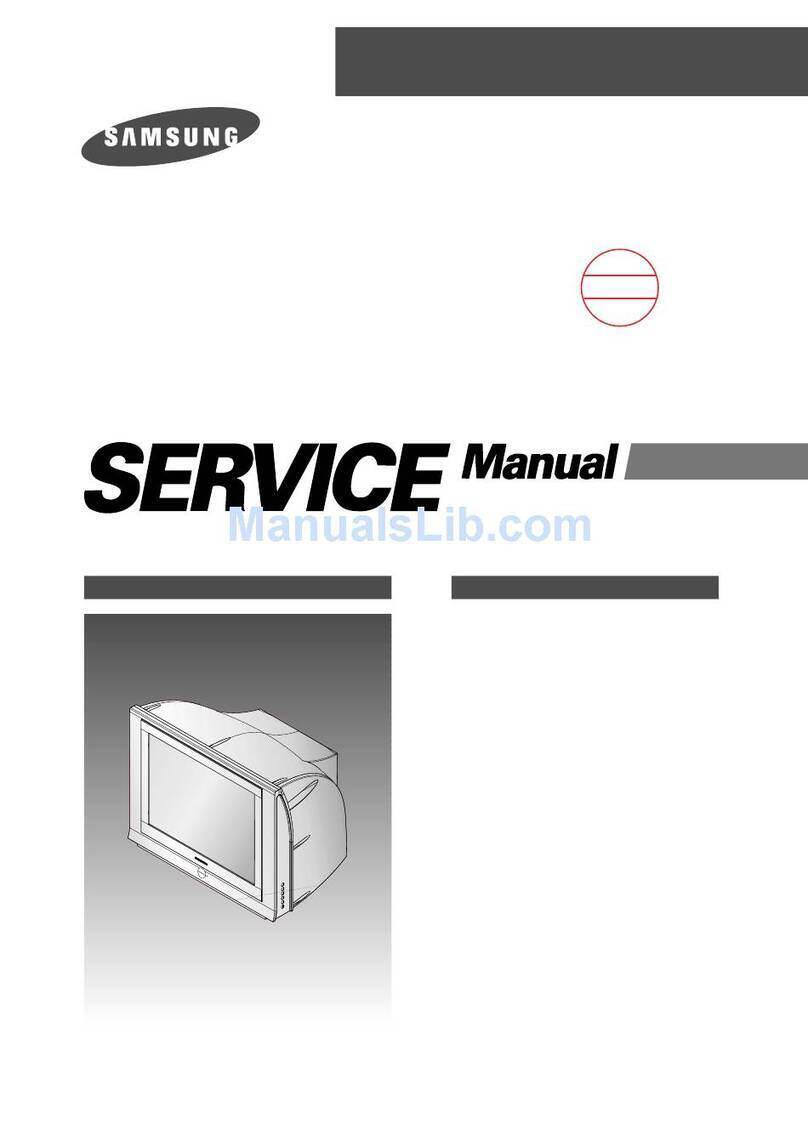
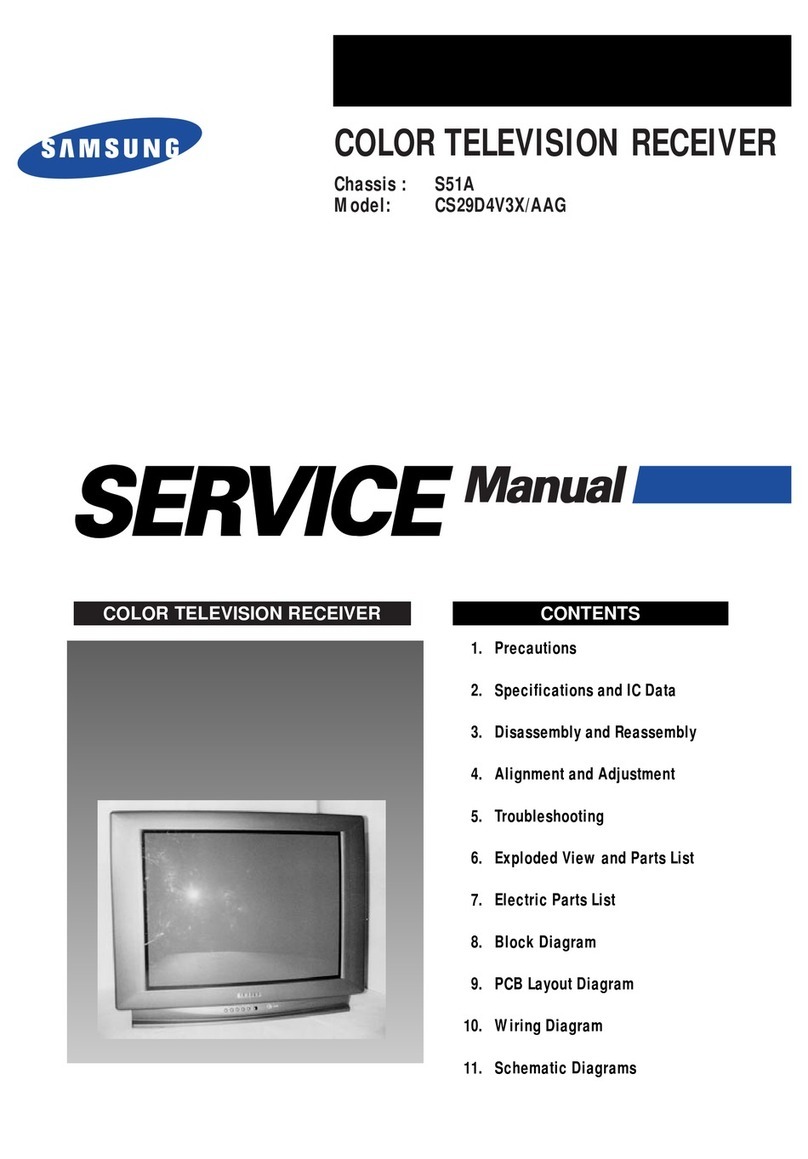
COLOR
TELEVISION
RECEIVER
CHASSIS:
SCT52A
MODEL:
CS721APF/SEAUX
CS721APF/SAPX
CS721APT/POLX
CS721APT/BOLIX
CS721APT/EUROX
"COLOR
TELEVISION
RECEIVER
11.
12.
10.
Manual
==!
.
Precautions
.
Reference
Information
.
Specifications
.
Disassembly
and
Reassembly
.
Alignment
and
Adjustment
.
Troubleshooting
Exploded
Views
and
Parts
List
.
Electric
Parts
List
Block
Diagrams
PCB
Layout
Wiring
Diagram
Schematic
Diagrams
Precautions
1.
Precautions
Follow
these
safety,
servicing
and
ESD
precautions
to
prevent
damage
and
protect
against
potential
hazards
such
as
electrical
shock
and
X-rays.
1-1
Safety
Precautions
Be
sure
that
all
of
the
built-in
protective
devices
are
replaced.
Restore
any
missing
protective
shields.
When
reinstalling
the
chassis
and
its
assemblies,
be
sure
to
restore
all
protective
devices,
including:
nonmetallic
control
knobs
and
compartment
covers.
Make
sure
that
there
are
no
cabinet
openings
through
which
people--
particularly
children--might
insert
fingers
and
contact
dangerous
voltages.
Such
openings
include
the
spacing
between
the
picture
tube
and
the
cabinet
mask,
excessively
wide
cabinet
ventilation
slots,
and
improperly
fitted
back
covers.
If
the
measured
resistance
is
less
than
1.0
megohm
or
greater
than
5.2
megohms,
an
abnormality
exists
that
must
be
corrected
before
the
unit
is
returned
to
the
customer.
Leakage
Current
Hot
Check
(Figure
1-1):
Warning:
Do
not
use
an
isolation
transformer
during
this
test.
Use
a
leakage-
current
tester
or
a
metering
system
that
complies
with
American
National
Standards
Institute
(ANSI
C101.1,
Leakage
Current
for
Appliances),
and
Underwriters
Laboratories
(UL
Publication
UL1410,
59.7).
With
the
unit
completely
reassembled,
plug
the
AC
line
cord
directly
into
the
power
outlet.
With
the
unit's
AC
switch
first
in
the
ON
position
and
then
OFF,
measure
the
current
between
a
known
earth
ground
(metal
water
pipe,
conduit,
etc.)
and
all
exposed
metal
parts,
including:
antennas,
handle
brackets,
metal
cabinets,
screwheads
and
control
shafts.
The
current
measured
should
not
exceed
0.5
milliamp.
Reverse
the
power-plug
prongs
in
the
AC
outlet
and
repeat
the
test.
Samsung
Electronics
ALSO
TEST
WITH
PuuG
REVERSED
(USING
AC
ADAPTER
PLUG
AS
REQUIRED)
Fig.
1-1
AC
Leakage
Test
Antenna
Cold
Check:
With
the
unit's
AC
plug
disconnected
from
the
AC
source,
connect
an
electrical
jumper
across
the
two
AC
prongs.
Connect
one
lead
of
the
ohmmeter
to
an
AC
prong.
Connect
the
other
lead
to
the
coaxial
connector.
X-ray
Limits:
The
picture
tube
is
especially
designed
to
prohibit
X-ray
emissions.
To
ensure
continued
X-ray
protection,
replace
the
picture
tube
only
with
one
that
is
the
same
type
as
the
original.
Carefully
reinstall
the
picture
tube
shields
and
mounting
hardware;
these
also
provide
X-ray
protection.
High
Voltage
Limits:
High
voltage
must
be
measured
each
time
servicing
is
done
on
the
B+,
horizontal
deflection
or
high
voltage
circuits.
Correct
operation
of
the
X-ray
protection
circuits
must
be
reconfirmed
whenever
they
are
serviced.
(X-ray
protection
circuits
also
may
be
called
“horizontal
disable"
or
“hold-
down")
Heed
the
high
voltage
limits.
These
include
the
X-ray
Protection
Specifications
Label,
and
the
Product
Safety
and
X-ray
Warning
Note
on
the
service
data
schematic.
1-1
Precautions
1-1
Safety
Precautions
(Continued)
9.
High
voltage
is
maintained
within
specified
limits
by
close-tolerance,
safety-related
components
and
adjustments.
If
the
high
voltage
exceeds
the
specified
limits,
check
each
of
the
special
components.
10.
Design
Alteration
Warning:
Never
alter
or
add
to
the
mechanical
or
electrical
design
of
this
unit.
Example:
Do
not
add
auxiliary
audio
or
video
connectors.
Such
alterations
might
create
a
safety
hazard.
Also,
any
design
changes
or
additions
will
void
the
manufacturer's
warranty.
11.
Hot
Chassis
Warning:
Some
TV
receiver
chassis
are
electrically
connected
directly
to
one
conductor
of
the
AC
power
cord.
If
an
isolation
transformer
is
not
used,
these
units
may
be
safely
serviced
only
if
the
AC
power
plug
is
inserted
so
that
the
chassis
is
connected
to
the
ground
side
of
the
AC
source.
To
confirm
that
the
AC
power
plug
is
inserted
correctly,
do
the
following:
Using
an
AC
voltmeter,
measure
the
voltage
between
the
chassis
and
a
known
earth
ground.
If
the
reading
is
greater
than
1.0V,
remove
the
AC
power
plug,
reverse
its
polarity
and
reinsert.
Re-measure
the
voltage
between
the
chassis
and
ground.
12.
Some
TV
chassis
are
designed
to
operate
with
85
volts
AC
between
chassis
and
ground,
regardless
of
the
AC
plug
polarity.
These
units
can
be
safely
serviced
only
if
an
isolation
transformer
inserted
between
the
receiver
and
the
power
source.
13.
Some
TV
chassis
have
a
secondary
ground
system
in
addition
to
the
main
chassis
ground.
This
secondary
ground
system
is
not
isolated
from
the
AC
power
line.
The
two
ground
systems
are
electrically
separated
by
insulating
material
that
must
not
be
defeated
or
altered.
14.
Components,
parts
and
wiring
that
appear
to
have
overheated
or
that
are
otherwise
damaged
should
be
replaced
with
parts
that
meet
the
original
specifications.
Always
determine
the
cause
of
damage
or
overheating,
and
correct
any
potential
hazards.
a
LL
TS
15.
16.
17;
18.
Observe
the
original
lead
dress,
especially
near
the
following
areas:
Antenna
wiring,
sharp
edges,
and
especially
the
AC
and
high
voltage
power
supplies.
Always
inspect
for
pinched,
out-of-place,
or
frayed
wiring.
Do
not
change
the
spacing
between
components
and
the
printed
circuit
board.
Check
the
AC
power
cord
for
damage.
Make
sure
that
leads
and
components
do
not
touch
thermally
hot
parts.
Picture
Tube
Implosion
Warning:
The
picture
tube
in
this
receiver
employs
“integral
implosion"
protection.
To
ensure
continued
implosion
protection,
make
sure
that
the
replacement
picture
tube
is
the
same
as
the
original.
Do
not
remove,
install
or
handle
the
picture
tube
without
first
putting
on
shatterproof
goggles
equipped
with
side
shields.
Never
handle
the
picture
tube
by
its
neck.
Some
“in-line”
picture
tubes
are
equipped
with
a
permanently
attached
deflection
yoke;
do
not
try
to
remove
such
“permanently
attached"
yokes
from
the
picture
tube.
Product
Safety
Notice:
Some
electrical
and
mechanical
parts
have
special
safety-related
characteristics
which
might
not
be
obvious
from
visual
inspection.
These
safety
features
and
the
protection
they
give
might
be
lost
if
the
replacement
component
differs
from
the
original--even
if
the
replacement
is
rated
for
higher
voltage,
wattage,
etc.
Components
that
are
critical
for
safety
are
indicated
in
the
circuit
diagram
by
shading,
(/\)
or
(/\).
Use
replacement
components
that
have
the
same
ratings,
especially
for
flame
resistance
and
dielectric
strength
specifications.
A
replacement
part
that
does
not
have
the
same
safety
characteristics
as
the
original
might
create
shock,
fire
or
other
hazards.
Samsung
Electronics
1-2
Servicing
Precautions
Precautions
WARNING!:
First
read
the
"Safety
Precautions”
section
of
this
manual.
If
some
unforeseen
circumstance
creates
a
conflict
between
the
servicing
and
safety
precautions,
always
follow
the
safety
precautions.
WARNING2:
An
electrolytic
capacitor
installed
with
the
wrong
polarity
might
explode.
1.
Servicing
precautions
are
printed
on
the
cabinet.
Follow
them.
Always
unplug
the
unit's
AC
power
cord
from
the
AC
power
source
before
attempting
to:
(a)
Remove
or
reinstall
any
component
or
assembly,
(b)
Disconnect
an
electrical
plug
or
connector,
(c)
Connect
a
test
component
in
parallel
with
an
electrolytic
capacitor.
Some
components
are
raised
above
the
printed
circuit
board
for
safety.
An
insulation
tube
or
tape
is
sometimes
used.
The
internal
wiring
is
sometimes
clamped
to
prevent
contact
with
thermally
hot
components.
Reinstall
all
such
elements
to
their
original
position.
After
servicing,
always
check
that
the
screws,
components
and
wiring
have
been
correctly
reinstalled.
Make
sure
that
the
portion
around
the
serviced
part
has
not
been
damaged.
5.
Check
the
insulation
between
the
blades
of
the
AC
plug
and
accessible
conductive
parts
(examples:
metal
panels,
input
terminals
and
earphone
jacks).
Insulation
Checking
Procedure:
Disconnect
the
power
cord
from
the
AC
source
and
turn
the
power
switch
ON.
Connect
an
insulation
resistance
meter
(500V)
to
the
blades
of
the
AC
plug.
The
insulation
resistance
between
each
blade
of
the
AC
plug
and
accessible
conductive
parts
(see
above)
should
be
greater
than
I
megohm.
Never
defeat
any
of
the
B+
voltage
interlocks.
Do
not
apply
AC
power
to
the
unit
(or
any
of
its
assemblies)
unless
all
solid-state
heat
sinks
are
correctly
installed.
Always
connect
a
test
instrument's
ground
lead
to
the
instrument
chassis
ground
before
connecting
the
positive
lead;
always
remove
the
instrument's
ground
lead
last.
1-3
Precautions
for
Electrostatically
Sensitive
Devices
(ESDs)
1.
Some
semiconductor
(“solid
state")
devices
are
easily
damaged
by
static
electricity.
Such
components
are
called
Electrostatically
Sensitive
Devices
(ESDs);
examples
include
integrated
circuits
and
some
field-effect
transistors.
The
following
techniques
will
reduce
the
occurrence
of
component
damage
caused
by
static
electricity.
Immediately
before
handling
any
semiconductor
components
or
assemblies,
drain
the
electrostatic
charge
from your
body
by
touching
a
known
earth
ground.
Alternatively,
wear
a
discharging
wrist-strap
device.
(Be
sure
to
remove
it
prior
to
applying
power--this
is
an
electric
shock
precaution.)
After
removing
an
ESD-equipped
assembly,
place
it
on
a
conductive
surface
such
as
aluminum
foil
to
prevent
accumulation
of
electrostatic
charge.
Do
not
use
freon-propelled
chemicals.
These
can
generate
electrical
charges
that
damage
ESDs.
5.
Use
only
a
grounded-tip
soldering
iron
when
soldering
or
unsoldering
ESDs.
Use
only
an
anti-static
solder
removal
device.
Many
solder
removal
devices
are
not
rated
as
“anti-static”;
these
can
accumulate
sufficient
electrical
charge
to
damage
ESDs.
Do
not
remove
a
replacement
ESD
from
its
protective
package
until
you
are
ready
to
install
it.
Most
replacement
ESDs
are
packaged
with
leads
that
are
electrically
shorted
together
by
conductive
foam,
aluminum
foil
or
other
conductive
materials.
Immediately
before
removing
the
protective
material
from
the
leads
of
a
replacement
ESD,
touch
the
protective
material
to
the
chassis
or
circuit
assembly
into
which
the
device
will
be
installed.
Minimize
body
motions
when
handling
unpackaged
replacement
ESDs.
Motions
such
as
brushing
clothes
together,
or
lifting
a
foot
from
a
carpeted
floor
can
generate
enough
static
electricity
to
damage
an
ESD.
Samsung
Electronics
43
Reference
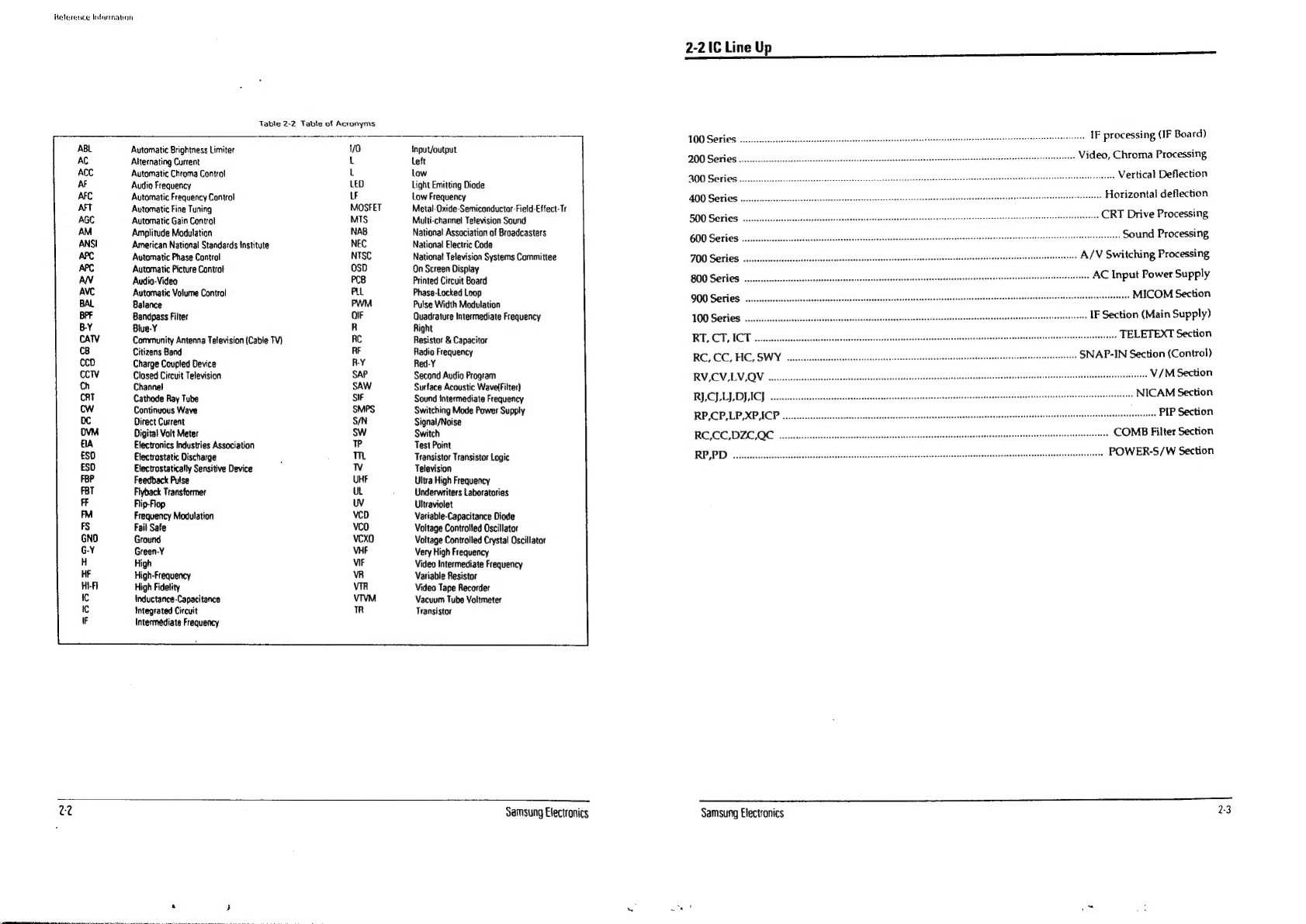
Information
MEMO
2.
Reference
Information
2-1
Tables
of
Abbreviations
and
Acronyms
Table
2-1
Abbreviations
Ampere
Megavoit
Ampere-hour
Megawatt
Angstrom
Megohm
Decibel
Meter
Decibel
Referenced
to
Microampere
One
Milliwatt
Microfarad
Degree
Celsius
Microhenry
Degree
Fahrenheit
Micrometer
degree
Kelvin
Microsecond
Farad
Microwatt
Gauss
Milliampere
Gigahertz
Milligram
Gram
Millhenry
Henry
Millititer
Hertz
Millimeter
Hour
Millisecond
inches
Per
Second
Millivolt
Kilowatt-hour
Nanofarad
Kilogram
Ohm
Kilohertz
Picotarad
Kilohm
Pound
Kilometer
Revolutions
Per
Minute
Kilometer
Per
Hour
Revolutions
Per
Second
Kilovolt
Second
(Time)
Kilovolt-ampere
Volt
Kilowatt
Volt-ampere
Liter
Watt
Megahertz
Watt-hour
Cee
test
se
a
i
as
se
14
Samsung
Efectronics
Samsung
Electronics
21
Heterence
Information
Table
2-2
Table
of
Acronyms
Automatic
Brightness
Limiter
70
Alternating
Current
L
Automatic
Chroma
Control
L
Audio
Frequency
LED
Automatic
Frequency
Control
LF
Automatic
Fine
Tuning
MOSFET
Automatic
Gain
Control
MIS
Amplitude
Modulation
NAB
American
National
Standards
Institute
NEC
Automatic
Phase
Control
NTSC
Automatic
Picture
Control
OsD
Audio-Video
PCB
Automatic
Volume
Control
PLL
Balance
PWM
Bandpass
Filter
OIF
Blue-Y
R
Community
Antenna
Television
(Cable
TV)
RC
Citizens
Band
RF
Charge
Coupted
Device
R-Y
Closed
Circuit
Television
Channet
Cathode
Ray
Tube
Continuous
Wave
Direct
Current
Digital
Volt
Meter
Electronics
Industries
Association
Etectrostatic
Discharge
Electrostatically
Sensitive
Device
Feedback
Pulse
Flyback
Transformer
Flip-Flop
Frequency
Modulation
Fail
Safe
Ground
Green-Y
High
High-Frequency
High
Fidelity
Inductance-Capacitance
Integrated
Circuit
Intermediate
Frequency
22
{input/output
left
Low
Light
Emitting
Diode
Low
Frequency
Metal-Oxide-Semiconductor-Field-Effect-Tr
Multi-channel
Tetevision
Sound
National
Association
of
Broadcasters
National
Electric
Code
Nationa!
Television
Systems
Committee
On
Screen
Display
Printed
Circuit
Board
Phase-Locked
Loop
Putse
Width
Modulation
Quadrature
Intermediate
Frequency
Right
Resistor
&
Capacitor
Radio
Frequency
Red-Y
Second
Audio
Program
Surface
Acoustic
Wavelfilter)
Sound
intermediate
Frequency
Switching
Mode
Power
Supply
Signal/Noise
Switch
Test
Point
Transistor Transistor
Logic
Television
Ultra
High
Frequency
Underwriters
Laboratories
Ultraviolet
Variable-Capacitance
Diode
Voltage
Controfied
Oscillator
Voltage
Controlled
Crystal
Oscillator
Very
High
Frequency
Video
Intermediate
Frequency
Variable
Resistor
Video
Tape
Recorder
Vacuum
Tube
Voltmeter
Transistor
Samsung
Electronics
2-2
1C
Line
Up
SS
JOO
Series
coecccecceccssescsscsecscseesesesecseecesecnsacenssesesesanseesessseeneneqecneterevsrsisenensrsstisesemeeretennrarearastes
IF
processing
(IF
Board)
200
Series
.....scccescscsssscsessssesessnssesesecerescsesseseeaesesssaesacseaeseesassecessasscescaeaveseeravennansacersessnsereeses
Video,
Chroma
Processing
BOO
Series
o.ccccecccseceessesesecsesesesscseseeseenescesceceueeeensaesieitenenersimsseaceecseanseesans
addarrseestetieeehie
ss
Vertical
Deflection
400
Series
oo.
cccecessecsssecsscesseesssececeveneescnsevesecseseanenssesnensacnnacsucssneensacanenanenncaaes
...
Horizontal
deflection
SOO
Series
ooececsssccesesseecsesesssessesseconseseneesesscensssesacssssnersanececnessersessesnesseesssesesseesstassnenavenaesctaneaeeess
CRT
Drive
Processing
600
Series
o..ceeccccsccsssesssessessecneestcnveneensssesstsaneseesessssaeanssesesonsevenaesneersaucaensaneancqneesanecnisancareeratesestecaeesstss
Sound
Processing
JOO
Series
..cscecssssesseessecseeeeeeesessrsneescsscsacsseesesseanensessenscssenssenssscaresnseacaneneenseneenecgtenagerensnents
A/V
Switching
Processing
BOO
Series
oovceeccescsesssssssccsecesecceeesuceneecsscsnsscsessesesecneesecsnessseussasecanecaesaveesecssessseasseneeanensenareastenes
AC
Input
Power
Supply
QOO
Series
coeccsssscsscsesseessecssessncesncsessescccssceveeneesessessessassnsssssnecsscssuecueesucsnrasecesosessasssnecananseeseennennesseeasennes
MICOM
Section
WOO
Series
...ceccsecccsssscseesssecsseesssessnscsssssssuessanecnssessessacesnsessesansecunessansessosessnnecsaseesnserensgnanstensy
IF
Section
(Main
Supply)
RT,
CT,
ICT
eessecsessssesssesescoucssssconesuceveeseesstssscasvecncsussnseneeaccnsecanecuseanecuessnesosesneanecanesssenecsanseaseaeeansnnees
TELETEXT
Section
RC,
CO,
HC,
SWY
cesesssssssscssessesceresseesessnssscesssvseseasensesaneenecanetaeccnceunssuecsscanssavanseenscoassens
SNAP-IN
Section
(Control)
RV,
CV,
LV
OV.
eecssesssesssscsnessecsssesneessccasssseenuessssuesscanscarsneessessneenscanecananussncsneasenssscavecnnensscevenveenseaenaarasnne
tine
V/M
Section
RY
CI
LJ
DY
ACI
oesseseessssessssssccsessesesnscsessssenesnsecssnsccsnscssnsesnasscsssusesssersenssceenncassncereeneetensansnrcssicasiansaseses
NICAM
Section
RP,CP,LP,XPACP
...ceessesssscseeecsessesessscuscsesssvcsscsecersceusencescssucsusenscanscascenensccassssensecsnecnscesesassensransnsenecnoganens
ness
PIP
Section
RCE,CO,DZC,QC
creeccsecssssssscsesnnessessnessesssensnsesesssecsscaneseensssnessncansssnsnsanvecersencenscanacanerncsaveqnesancnnets
COMB
Filter
Section
RP,PD
oocccsseccsssescsseessesensesesseccsscsscssssssssessssessvecsnecescceseeasesnanersnsssavonevecencesnensnasaressansennenonsetnrteaee
POWER-S/W
Section
i
Samsung
Electronics
2:3

Reference
Information
2-3
IC
Line
Up
Table
2-1
iC
Line
Up
Loc
No
No
Specification
Description
|
Remarks
C14
|
1
]
TDA9815
|
VIF-PLL/DUAL
FM-PLL/AM
DEMODULATOR
1201
2
ie
TOA4566
COLOUR
TRANSIENT
IMPROVEMENT
e202
]
3
|
TDAS162
EOEATSC/EECAMT
DECODER
AND
SYNC
PROCESSOR
ic203
4
|
ToAs7e0
AGB
VIDEO
PROCESSOR
ie
ea
ADJUST
if
5
TDA4665
BASE
BAND
DELAY
LINE
6
|
TDA9170
YUV
PICTURE
IMPROVEMENT
PROCESSOR
MC14577
OP-AMPLIFIER
|
VERTICAL
DEFLECTION
TOAG1010
VIDEO
OUTPUT
AMPLIFIER
MC4588C
OP-AMPLIFIER
era
TA8216H
AUDIO
AMPLIFIER
UPC1853
MATRIX
SURROUND
IC
IC603
16
TDAS840
STEREQ/DUAL
SOUND
PROCESSOR
(C01
7
|
SAA7283
NICAM
DECODER
I1CJ02
18
MC4558C
OP-AMPLIFIER
NICAM
PART
1C170
19
TC4053BP
AN
SWITCHING
IC
NICAM
PART
1C702
i
ae
2-4
Samsung
Electronics
Reference
information
Table
2-1
IC
Line
Up
(Continued)
Speicaion
|
Description
i
Remarks
KA2192
AN
SWITCHING
IC
1€703
10704
{C801
STR-S6709
|
SMPS
CONTROL
+.
1C901
RM118
zl
MICOM
[
1902
XLS24CO8P
FEPROM
|
TELETEXT
PART
+
(CTO)
SAAS281
TELETEXT
TELETEXT
PART
§CT02
TEAS114A
|
RGB
SWITCHING
ICP101
TDAS160A
PIP
PART
maz)
AL/NTSC/SECAM
DECODER
AND
SYNC
PROCESSOR
<
|
1CP102
TDA9815
F-PLL
PIP
PART
es
b=
oe
ome
fe
fics
|
30
|
soasies
|
PIP
PROCESSOR
PIP
PART
=
PHOTO-COUPLER
:
oo
|
[wns
[ewer
baal
Option:
OSD
Language
Table
2-2
Specification
Description
Remarks
RM118
CIS
SSOM-118CIS
ENG/RUS/HUN/POL/CZE/CRO/ROM/BUL/TUR
RM118
ASIA
SSOM-118ASIA
ENG/TAI/MALAND/VIET
RM118
CHINA
SSOM-118CHINA
ENG/CHINA
RM118
ARAB
SSOM-118ARAB
ENG/ARAB/IRAN
eee
et
Samsung
Electronics
25
MEMO
i
vn
oa
a
26
Samsung
Electronics
Specificatons
ne
NT
EE
OLS
3.
Specifications
MODEL
T21A/2901A
TUNING
Frequency
Synthesizer
SYSTEM
COLOUR
PAL,
SECAM,
NTSC3.58,
NTSC4.43
SOUND
B/G,
D/K.
LM
NICAM
B/G!
ANTENNA
IMPEDANCE
75
ohm
unbalanced
coaxial
SCREEN
SIZE
70.8.
cm
POWER
CONSUMPTION
140watts
REQUIREMENTS
Main
voltage
:
220V/230V/240V
co
Cover
range
:
100
-
260Vco
FREQUENCY
50/60Hz
PROGRAMME
CHANNEL
100
channels
SOUND
OUTPUT
15
watts/ch.
x2
DIMENSIONS
SET
781
x
495
x
556
(mm)
(WxDxH)
TRANSMITTER
With
TTX
:60
x
18
x
244
Without
TTX
:
60
x
19
x
210
WEIGHT
SET
52
Kg
TRANSMITTER
140g
(Including
Batteries)
Specifications
are
subject
to
change.
ee
Samsung
Electronics
3-1
Disassembly
and
Reassembly
4.
Disassembly
and
Reassembly
4-1
Cabinet
a
NLS
1.
Remove
9
screws
located
on
the
side
of
the
cabinet.
2.
Pull
the
Main
Assembly
backwards
to
remove.
3.
To
reassemble,
place
the
receiver
on
a
flat
surface
and
repeat
the
sequence
in
reverse
order.
4.
To
check
that
the
Chassis
Assembly
is
installed
correctly,
attempt
to
pull
it
from
the
front
cabinet.
TTT
©
HTIMIT.§
C
Fig.
4-1
ne
ee
Ae
:
en
rn
i
ne
ee
ee
ae
Samsung
Flectronics
Samsung
Electronics
4-1
Disassembly
and
Reassembly
Disassembly
and
Reassembly
4-2
Speaker
4-3
Chassis
Assembly
1.
Separate
Connectors
@,
®.
°
4-3-1
Removal
from
Front
Cabinet
2.
Spearate
wires
from
twist-lock.
1.
Lift
and
pull
back
the
chassis
mounting.
3.
Remove
2
screws,
©.
4.
To
reassemble,
repeat
the
sequence
in
reverse
order.
i
Fig.
4-2
ns
4-
¢
Samsung
Electronics
Samsung
Electronics
43
Disassembly
and
Reassembly
4-3-2
Terminal
Board
Removal
1.
Pull
the
power
cord
to
the
left
and
remove
it.
2.
Remove
2
screws
®.
3.
Lift
up
the
2
brackets
®).
Separate
the
terminal
board
from
the
chassis
mount.
4.
To
reassemble,
refer
to
Fig.
4-6.
TERMINAL-BOARD
HOLDER-CHASSIS
$
Cort
Jack
S-VHS
Jack
Fig.
4-5
Insert
“L
stuff
on
the
left
and
right
bottom
of
the
terminal
board
to
"hole
on
the
holder
chassis.
Fig.
4-6
4-4
Samsung
Electronics
Disassembly
and
Reassembly
4-3-3
PCB
Removal
Pe
No
Refer
to
the
Fig.
4-4
Remove
the
wire
(1P)
from
the
chassis
mounting.
Pull
the
PCB
guides
backwards.
Lift
both
edges
of
the
PCB
and
pull
it
out.
Disassembly
1.
2.
Ensure
that
the
PCB
is
well
positioned
in
the
PCB
guides.
The
power
cord
must
not
touch
the
heat-sink,
D73.
Insert
the
PCB
guide
in
the
direction
shown
so
that
the
two
yrs
meet
each
other.
The
PCB
guide
is
part
of
the
chassis
mounting;
if
a
new
PCB
guide
is
needed,
the
complete
chassis
mounting
must
be
replaced.
4-3-4
SNAPIN
Removal
SNAPIN-CONTROL
Fig.
4-7
Press
the
SNAPIN
(b)
with
thumb;
pull
the
left
holder-bracket
(a)
with
index
finger.
nc
Samsung
Electronics
45