EN EN
Introduction
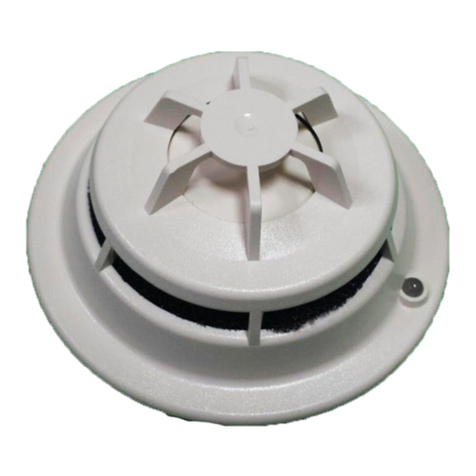
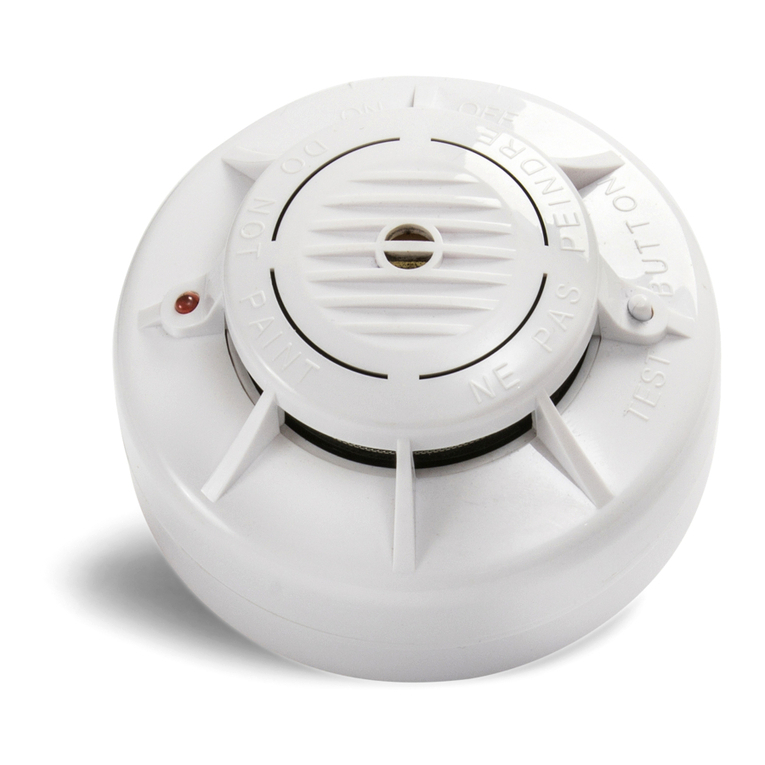
Our photoelectric smoke detector is designed to sense smoke that
comes into the detector chamber. It does not sense gas, heat, or
ame. This smoke detector is designed to give early warning of
developing res by giving off the alarm sounds from its built-in
alarm horn. It can provide precious time for you and your family
to escape before re spreads. However, the smoke detector makes
such pre-warning of re accident possible, only if the detector is
located, installed, and maintained properly as described in this
User's Manual.
WARNING: This smoke detector is designed for use in a single residential
unit only, which means that it should be used inside a single family home
or apartment. It is not meant to be used in lobbies, hallways, basements, or
another apartment in multi-family buildings, unless there are already working
detectors in each family unit. Smoke detectors, placed in common areas
outside the individual living unit, such as on porches or in hallways, may not
provide early warning to residents. In multi-family buildings, each family living
unit should set up its own detectors.
WARNING: This detector is not meant to be used in non-residential buildings,
warehouses, industrial or commercial buildings, and special purpose non-
residential buildings require special re detection and alarm systems. This
detector alone is not a suitable substitute for complete re detection systems
for places where many people live or work, such as hotels or
motels. The same is true of dormitories, hospitals,
nursing homes or group homes of any kind, even
if they were once single family homes. Please
refer NFPA 101, the Life Safety Code, NFPA71,
72A, 72B, 72C, 72D, and 72E for smoke detector
requirements for re protection in buildings not
dened as “households”.
Locations to Install Your Smoke Detectors
Smoke detectors should be installed in accordance with the NFPA
Standard 74 (National Fire Protection Association, Battery march
Park, Quincy, MA 02169). For complete coverage in residential units,
smoke detectors should be installed in all rooms, halls, storage
areas, basements, and attics in each family living unit. Minimum
coverage is one detector on each oor and one in each sleeping
area and attics in each family living unit.