©Copyright Task Force Tips LLC 1999-2019 LIA-025 May 20, 2019 Rev17
3
SAFETY
WARNING Lack of foam can place nozzle operator at risk of injury or death. Establish foam fl ow before
advancing into hazardous situations. Assure against running out of foam. Check concentrate
level periodically and keep an adequate supply on hand.
WARNING Improper use of foam can result in injury or damage to the environment. Follow foam concentrate
manufacturer’s instructions and fi re service training to avoid:
• Using wrong type of foam on a fi re, i.e. Class A foam on a Class B fi re.
• Mishandling of concentrates, some of which are fl ammable.
• Plunging foam into pools of burning liquid fuels.
• Causing environmental damage.
• Directing foam into face.
CAUTION Each model FoamJet, MX-FoamJet and FoamJet-LX is designed for a specifi c nozzle. Do not
use with other than the intended nozzle. Use with other than the intended nozzle can result in
improper latching, poor foam performance, injury or loss of property.
CAUTION Any alterations to the FoamJet, MX-Foamjet or FoamJet-LX or their markings constitutes a
misuse of these products and could diminish safety.
INTRODUCTION
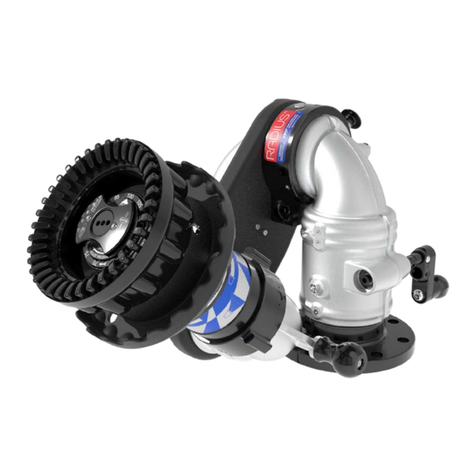
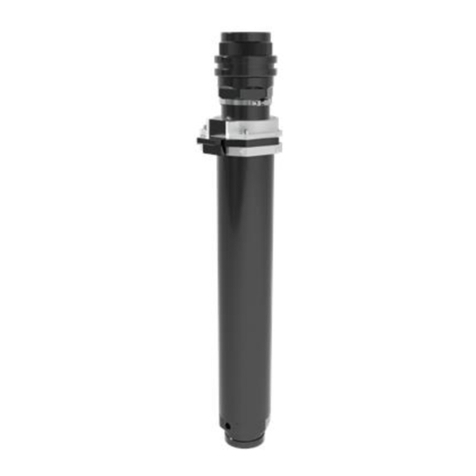
In order to produce the best quality low and medium expansion foam for fi re fi ghting, the foam solution must be aerated by some
means. The FoamJet, MX-FoamJet and FoamJet-LX series of nozzle attachments and foam nozzles provide a simple and lightweight
means to aerate the foam as it exits the nozzle. The foam attachments are quickly attached or removed from the nozzle as the
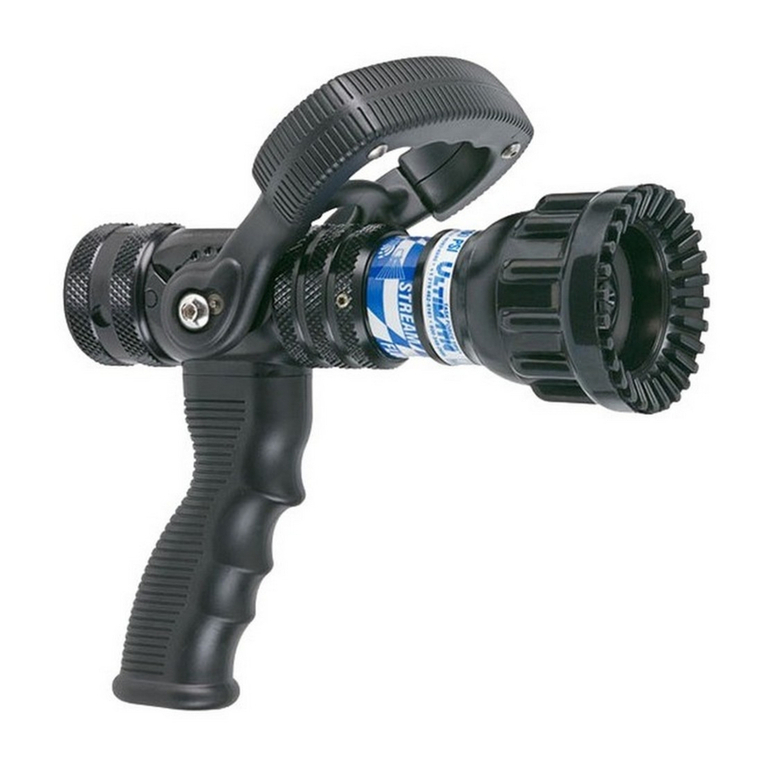
situation demands. The attachments are available for a variety of TFT handheld & master stream nozzles. See the following pages
for a listing of available models and compatible nozzles. The label on each attachment also lists compatible nozzles.
FOAM TYPE, CONCENTRATION AND PROPORTIONING
The FoamJet, MX-Foamjet, Foamjet-LX and Foam Nozzle can be used with most types of concentrate including protein, fl uoroprotein,
AFFF and AR-AFFF (alcohol resistant foam). See page 11 for a summary of typical uses for various foam types. The foam concentrate
must be proportioned into the water before the nozzle by some means, such as batch mixing, eductors or direct injection systems.
The nature of the fi re hazard will determine the type of foam used, the concentration, and the desired expansion ratio. Refer to page
11 for basic guidelines. Finished foam expansion and longevity (life) are largely dependent on the type and quality of foaming agents
used in foam chemical formulations. Some foams will perform better than others when used with these devices.
ATTACHMENT TO NOZZLE
The FoamJet, MX-FoamJet and FoamJet-LX Series are attached to the nozzle by fi ve diff erent methods. Each of the fi ve methods is
shown in the following pages. Each method clamps onto the bumper of the nozzle. Assure that bumper of nozzle is in good condition
(no nicks or abrasions) to positively latch and seal to FoamJet attachment.
USE OF FOAMJET, MX-FOAMJET AND FOAMJET-LX ATTACHMENTS
Refer to fi re service training and foam concentrate manufacturer’s recommendations for the proper use of foam. Use of foam
aspirators are intended to be used with the nozzle in the straight stream position only. Failure to do so will cause blowback through
the air intakes of the foam attachment.
Foam expansion ratios from the MX-Foamjet series may be adjusted by changing the bumper position of the nozzle. As the nozzle
bumper is rotated back to the wide fog position, higher expansion ratios will be produced, but with reduced stream reach. Rotating
the nozzle bumper into straight stream will produce lower expansion ratios, but with longer reach.
MEANING OF SAFETY SIGNAL WORDS
A safety related message is identifi ed by a safety alert symbol and a signal word to indicate the level of risk involved with a particular
hazard. Per ANSI standard Z535.6-2011, the defi nitions of the four signal words are as follows:
DANGER DANGER indicates a hazardous situation which, if not avoided, will result in death or serious
injury.
WARNING WARNING indicates a hazardous situation which, if not avoided, could result in death or serious
injury.
CAUTION CAUTION indicates a potentially hazardous situation which, if not avoided, could result in minor
or moderate injury.
NOTICE NOTICE is used to address practices not related to physical injury.