manuals.online logo
Brands
  1. Home
  2. •
  3. Brands
  4. •
  5. Titan
  6. •
  7. Sander
  8. •
  9. Titan TTB891SDR User manual

Titan TTB891SDR User manual

Other Titan Sander manuals

Titan TTB290SDR Installation manual

Titan

Titan TTB290SDR Installation manual

Titan TTB595SDR Installation manual

Titan

Titan TTB595SDR Installation manual

Titan TTB546BTS User manual

Titan

Titan TTB546BTS User manual

Titan TTB887SDR User manual

Titan

Titan TTB887SDR User manual

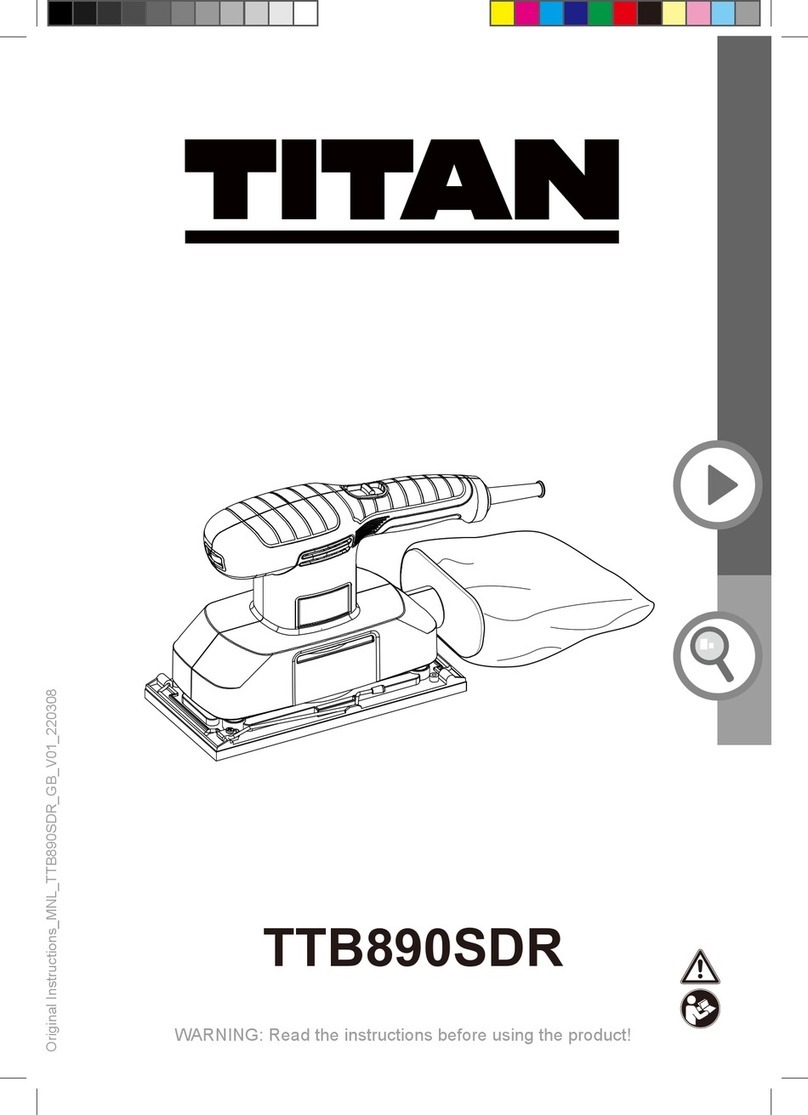
Titan TTB890SDR User manual

Titan

Titan TTB890SDR User manual

Titan TTB288SDR Installation manual

Titan

Titan TTB288SDR Installation manual

Titan SF280E Installation manual

Titan

Titan SF280E Installation manual

Titan SF290E Installation manual

Titan

Titan SF290E Installation manual

Titan TTBI36SDR Installation manual

Titan

Titan TTBI36SDR Installation manual

Titan TTB873SDR User manual

Titan

Titan TTB873SDR User manual

Titan TTB910SDR User manual

Titan

Titan TTB910SDR User manual

Titan TTB888SDR User manual

Titan

Titan TTB888SDR User manual

Popular Sander manuals by other brands

Dynabrade 51830 user manual

Dynabrade

Dynabrade 51830 user manual

FXA FXAJD2523 instruction manual

FXA

FXA FXAJD2523 instruction manual

Grizzly T33256 owner's manual

Grizzly

Grizzly T33256 owner's manual

Silverline 631320 User instructions

Silverline

Silverline 631320 User instructions

Black & Decker 7041 instruction manual

Black & Decker

Black & Decker 7041 instruction manual

DeWalt D26441 instruction manual

DeWalt

DeWalt D26441 instruction manual

OMCA SMR 930 Handbook

OMCA

OMCA SMR 930 Handbook

Schleifhexe BS 200 Original instructions

Schleifhexe

Schleifhexe BS 200 Original instructions

Ryobi RPS80 Original instructions

Ryobi

Ryobi RPS80 Original instructions

Oliver 6305 owner's manual

Oliver

Oliver 6305 owner's manual

Jet 22-44 Pro-3 Operating instructions and parts manual

Jet

Jet 22-44 Pro-3 Operating instructions and parts manual

Workzone 47561 user guide

Workzone

Workzone 47561 user guide

Makita M9204 technical information

Makita

Makita M9204 technical information

Makita M9204 instruction manual

Makita

Makita M9204 instruction manual

Clarke Woodworker CBS1-5B Operation & maintenance instructions

Clarke

Clarke Woodworker CBS1-5B Operation & maintenance instructions

Chicago Pneumatic CP9778 Operator's manual

Chicago Pneumatic

Chicago Pneumatic CP9778 Operator's manual

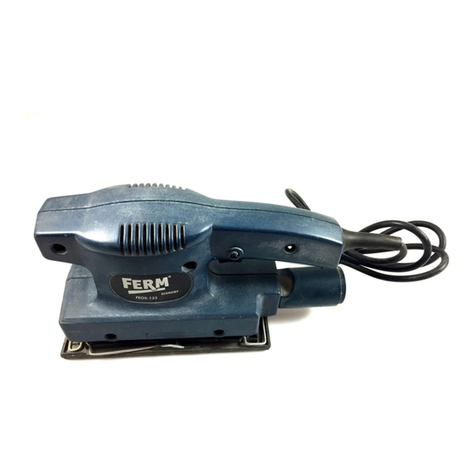
Ferm FEOS-135 user manual

Ferm

Ferm FEOS-135 user manual

Unior 1510 Operating	 instruction

Unior

Unior 1510 Operating instruction

manuals.online logo
manuals.online logoBrands
  • About & Mission
  • Contact us
  • Privacy Policy
  • Terms and Conditions

Copyright 2025 Manuals.Online. All Rights Reserved.

Original Instructions _ MNL_TTB891SDR_GB_V01_220308
TTB891SDR
WARNING: Read the instructions before using the product!
02
EN
32
33
34
31
27
28
26
In more detail...
Product functions
Operation
Care and maintenance
Troubleshooting
Recycling and disposal
Guarantee
Declaration of conformity
25
02
03
15
17
Getting started...
Safety information
Your product
Before you start
These instructions are for your safety. Please read through them
thoroughly before use and retain them for future reference.
Let’s
get started...
03
Getting started...
EN
TTB891SDR Safety information
Safety warnings
General power tool safety warnings
Work area safety
>Keep work area clean and well lit. Cluttered or dark
areas invite accidents.
>Do not operate power tools in explosive atmospheres,
or dust. Power tools create sparks which may ignite the
dust or fumes.
>Keep children and bystanders away while operating
a power tool. Distractions can cause you to lose control.
Electrical safety
>Power tool plugs must match the outlet. Never modify
the plug in any way. Do not use any adaptor plugs
with earthed (grounded) power tools.
plugs and matching outlets will reduce risk of electric
shock.
>Avoid body contact with earthed or grounded
surfaces, such as pipes, radiators, ranges and
refrigerators. There is an increased risk of electric
shock if your body is earthed or grounded.
WARNING!Read all safety warnings, instructions,
illustrations and specifications provided with this
power tool. Failure to follow all instructions listed
below may result in electric shock, fire and/or
serious injury.
The term “power tool” in the warnings refers to
your mains-operated (corded) power tool or
battery-operated (cordless) power tool.
Save all warnings and instructions for future
reference.
04
Getting started...
EN TTB891SDR
Safety information
Safety warnings
>Do not expose power tools to rain or wet conditions.
Water entering a power tool will increase the risk of
electric shock.
>Do not abuse the cord. Never use the cord for
carrying, pulling or unplugging the power tool. Keep
cord away from heat, oil, sharp edges or moving
parts. Damaged or entangled cords increase the risk of
electric shock.
>When operating a power tool outdoors, use an
extension cord suitable for outdoor use. Use of a
cord suitable for outdoor use reduces the risk of electric
shock.
>If operating a power tool in a damp location is
unavoidable, use a residual current device (RCD)
protected supply. Use of an RCD reduces the risk of
electric shock.
Personal safety
>Stay alert, watch what you are doing and use
common sense when operating a power tool. Do not
use a power tool while you are tired or under the
A moment
of inattention while operating power tools may result in
serious personal injury.
>Use personal protective equipment. Always wear eye
protection. Protective equipment such as a dust
mask, non-skid safety shoes, hard hat, or hearing
protection used for appropriate conditions will reduce
personal injuries.
>Prevent unintentional starting. Ensure the switch
is in the off-position before connecting to power
source and/or battery pack, picking up or carrying
05
Getting started...
EN
TTB891SDR Safety information
the tool.
switch or energising power tools that have the switch on
invites accidents.
>Remove any adjusting key or wrench before turning
the power tool on. A wrench or a key left attached to
a rotating part of the power tool may result in personal
injury.
>Do not overreach. Keep proper footing and balance
at all times. This enables better control of the power tool
in unexpected situations.
>Dress properly. Do not wear loose clothing or
jewellery. Keep your hair, clothing and gloves away
from moving parts. Loose clothes, jewellery or long
hair can be caught in moving parts.
>If devices are provided for the connection of dust
extraction and collection facilities, ensure these are
connected and properly used. Use of dust collection
can reduce dust-related hazards.
Power tool use and care
>Do not force the power tool. Use the correct power
tool for your application. The correct power tool will
do the job better and safer at the rate for which it was
designed.
>Do not use the power tool if the switch does not turn
it on and off. Any power tool that cannot be controlled
with the switch is dangerous and must be repaired.
>Disconnect the plug from the power source and/or
the battery pack from the power tool before making
any adjustments, changing accessories, or storing
power tools. Such preventive safety measures reduce
the risk of starting the power tool accidentally.
>Do not let familiarity gained from frequent use of
tools allow you to become complacent and ignore
tool safety principles. A careless action can cause
severe injury within a fraction of a second.

06
Getting
started...
EN TTB891SDR
Safety information
Safety warnings
>Store idle power tools out of the reach of children
and do not allow persons unfamiliar with the power
tool or these instructions to operate the power tool.
Power tools are dangerous in the hands of untrained
users.
>Maintain power tools. Check for misalignment or
binding of moving parts, breakage of parts and any
other condition that may affect the power tool’s
operation. If damaged, have the power tool repaired
before use. Many accidents are caused by poorly
maintained power tools.
>Keep cutting tools sharp and clean. Properly
maintained cutting tools with sharp cutting edges are
less likely to bind and are easier to control.
>Use the power tool, accessories and tool bits etc.
in accordance with these instructions, taking into
account the working conditions and the work to be
performed. Use of the power tool for operations different
from those intended could result in a hazardous situation.
Service
>
person using only identical replacement parts. This
will ensure that safety of the power tool is maintained.
Sander safety warnings
WARNING! Contact with or inhalation of harmful /
toxic dusts arising from sanding lead-based
painted surfaces, woods and metals can endanger
the health of operator and bystanders!
>Keep handles and grasping surfaces dry, clean and
free from oil and grease. Slippery handles and grasping
surfaces do not allow for safe handling and control of
the tool in unexpected situations.
07
Getting started...
EN
TTB891SDR Safety information
>Take special care to guard against these dusts, including
the following:
• All persons entering the work area must wear an
appropriate dust mask specially designed for protection
against harmful / toxic dusts, in addition to using the
dust extraction facility, and keeping work area well
ventilated.
• Children and pregnant women must not enter the work
area.
• Do not eat, drink or smoke in the work area.
• Any pre 1960 building may have paint containing lead
on wood or metal surfaces. If you suspect workpiece
contains lead seek professional advice.
>Some wood and wood type products especially MDF
(Medium Density Fibreboard) can produce dust that can
be hazardous to your health. We recommend the use
product in addition to using the dust extraction facility.
Vibration and noise reduction
To reduce the impact of noise and vibration emission,
limit the time of operation, use low-vibration and
low-noise operating modes as well as wear personal
protective equipment.
Take the following points into account to minimise the
vibration and noise exposure risks:
>Only use the product as intended by its design and these
instructions.
>Ensure that the product is in good condition and well
maintained.
>Use correct attachments for the product and ensure they
are in good condition.
>Keep tight grip on the handles/grip surface.
08
Getting started...
EN TTB891SDR
Safety information
Safety warnings
>Maintainthisproductinaccordancewiththeseinstructions
and keep it well lubricated (where appropriate).
>Plan your work schedule to spread any high vibration
tool use across a longer period of time.
Emergency
Familiarise yourself with the use of this product by
means of this instruction manual. Memorise the
safety directions and follow them to the letter. This
will help to prevent risks and hazards.
>Always be alert when using this product, so that you
can recognise and handle risks early. Fast intervention
can prevent serious injury and damage to property.
>Switch off and disconnect from the power supply if
there are malfunctions. Have the product checked by a
you operate it again.
Residual risks
Even if you are operating this product in accordance
with all the safety requirements, potential risks of
injury and damage remain. The following dangers
can arise in connection with the structure and design
of this product:
>Health defects resulting from vibration emission if the
product is being used over long periods of time or not
adequately managed and properly maintained.
>Injuries and damage to property due to broken cutting
attachments or the sudden impact of hidden objects
during use.
>
objects.
09
Getting started...
EN
TTB891SDR Safety information
WARNING!Thisproduct produces an electromagnetic
circumstances interfere with active or passive medical
implants! To reduce the risk of serious or fatal injury, we
recommend persons with medical implants to consult
their doctor and the medical implant manufacturer
before operating this product!
WARNING! Some dust created by power sanding,
sawing, grinding, drilling and other construction
activities contains chemicals known to cause
cancer, birth defects or other reproductive harm.
Some examples of these chemicals are:
• Lead from lead-based paint
• Crystalline silica from bricks and cement and
other masonry products
• Arsenic and chromium from chemically treated
timber
Your risk from these exposures varies, depending
upon how often you do this type of work. To reduce
your exposure to these chemicals:
• Work in a well-ventilated area.
• Work with approved protective equipment,
such as those dust masks that are specially
>
ADDITIONAL SAFETY WARNING FOR CONSTRUCTION
DUST
The updated Control of Substances Hazardous to Health
Regulations 1st October 2012 now also targets to reduce
the risks associated with silica, wood and gypsum dusts.
The following information applies to professional users only
but is good practice for all users:
>Lung cancer Silicosis Chronic Obstructive Pulmonary
Disorder (Chronic obstructive pulmonary disease (COPD)
And breathing in fine particles of wood dust can lead to
the development of Asthma The risk of lung disease is
linked to people who regularly breathe construction dust
over a period of time, not on the odd occasion.
Getting
started...
EN TTB891SDR
Safety information
10
>
How to reduce the amount of dust?
Reduce the amount of cutting by using the best sizes
of building products.
These limits are not a large amount of dust: when
compared to a penny it is tiny – like a small pinch of salt:
This limit is the legal maximum; the most you can breathe
after the right controls have been used.
To protect the lung, the COSHH Regulations sets a limit
on the amount of these dusts that you can breathe (called
a Workplace Exposure Limit or WEL) when averaged over
a normal working day.
1.
Safety warnings
>
>
Construction workers are one of the at-risk groups within
this because of the dust that they breathe: silica dust is
not just a nuisance; it is a real risk to your lungs!
Silica is a natural mineral present in large amounts in
things like sand, sandstone and granite. It is also
commonly found in many construction materials such as
concrete and mortar. The silica is broken into very fine
dust (also known as Respirable Crystalline Silica or RCS)
during many common tasks such as cutting, drilling
and grinding Breathing in very fine particles of crystalline
silica can lead to the development of: