Manual v1.7 – Nov 2017 © Utilivista Ltd. 2017 6
3. Deploying your Entranet
3.1 - Before Deploying the Entranet
Read this guide before installing. If the Entranet is installed incorrectly, Utilivista’s guarantee
obligations will no longer apply. If in doubt, contact us.
The Entranet must be mounted in a suitable environment in a position that allows safe access and good
clearance for wiring, servicing, removal, and connection of all the I/O.
Environmental Considerations
• Do not operate outside the ambient temperature range (-20°C to +60°C).
• Do not cover. Allow air circulation.
• Protect from direct contact with steam or any other harmful substances.
• Where possible, protect from direct sunlight.
Where possible keep away from the following:
• Steel poles, pipes, RSJ’s, cladding and other large metal surfaces.
• Electric motors or high frequency drives.
• Other strong wireless signalling systems, dishes or antenna’s.
• High voltage electric cables or transmission lines.
• Any equipment that transmits high levels of interference (high EMC / RF).
• Areas where there is the potential for mechanical damage or obvious obstruction to
normal operational behaviour.
To maximise signal strength:
• Mount the Entranet in its upright position (though it can be mounted in any
orientation).
• Minimise the number of structural obstacles and the distance between the Entranet
and its nodes.
• Fix the Entranet as high as practically possible.
For more detailed information and advice, see Appendix A.
3.2 - Fixing the Entranet
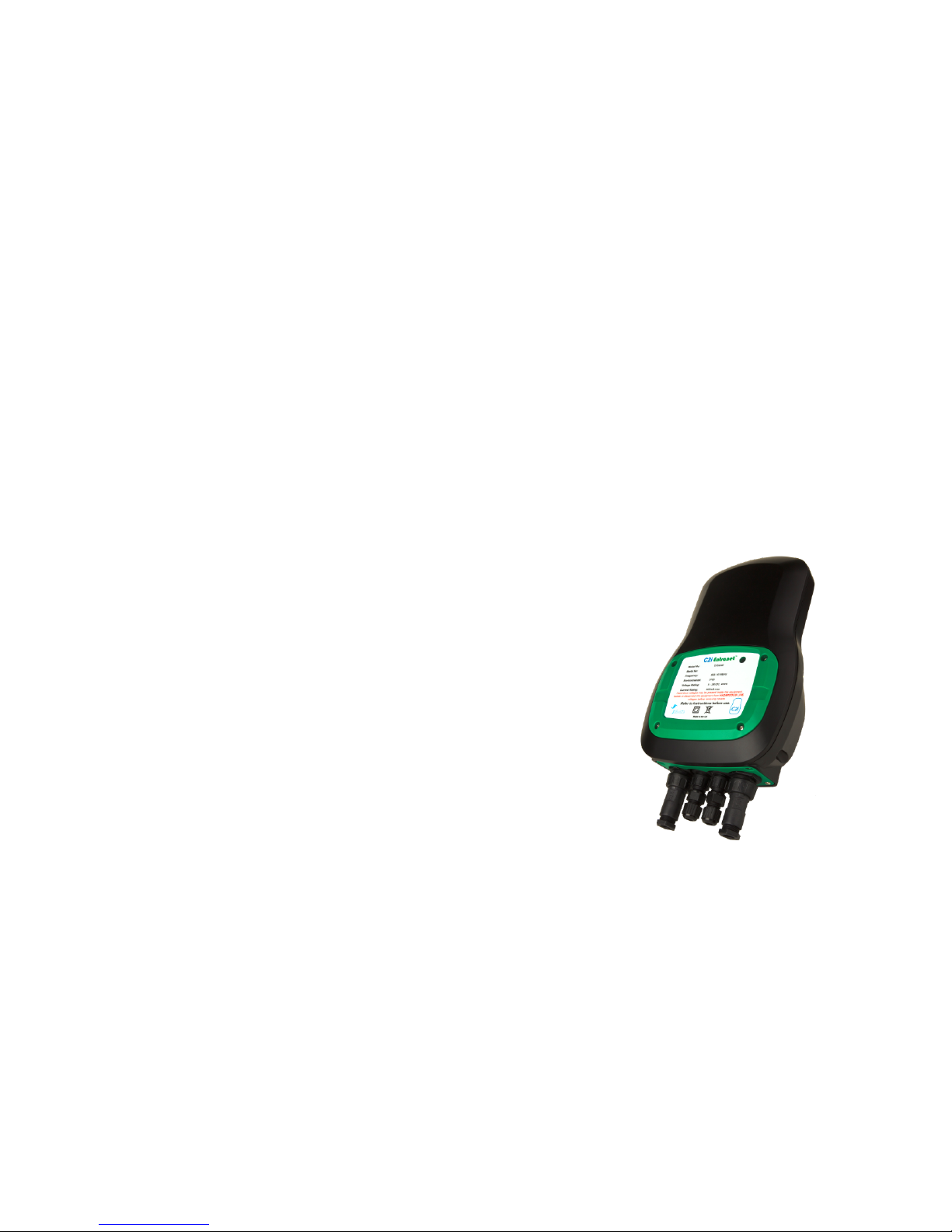
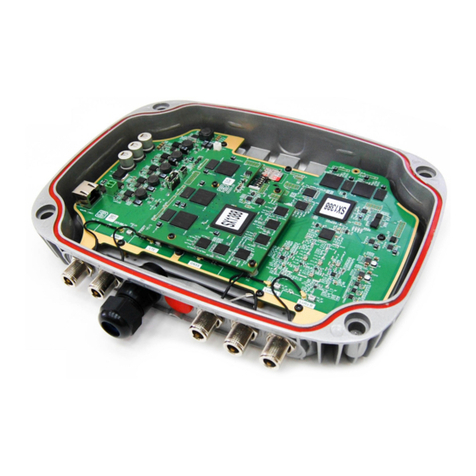
The Entranet should be fixed to a wall or other permanent structure by attaching a screw or bolt to the
building or equipment framework, and hanging the node via the keyhole fixing on the back of the unit.
Allow 300mm between the Entranet and any other fixed equipment or services that may cause
mechanical / electrical damage or interference.
Take care not to drill materials that may be harmful. Also ensure that there are no hidden
services etc. in or near the path of the drill.
To avoid any danger in fixing as described above, alternative fixings could be used such as cable strap,
Velcro, “No-Nails” or similar.