4 Electrical Installation
Precautions
Before starting work, make sure that the safety instructions in the chapter Introduction and
Safety (page 2) have been read and understood.
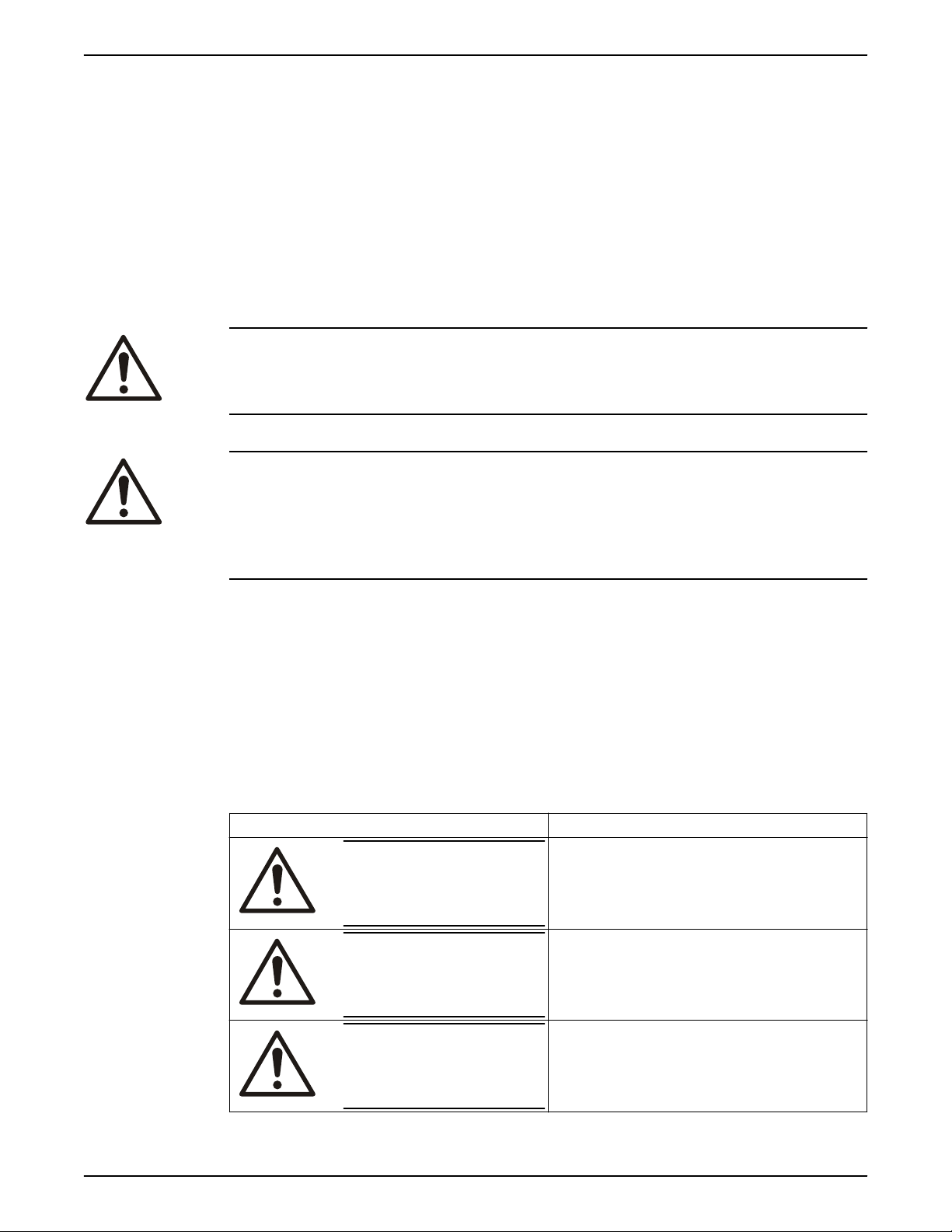
DANGER: Electrical Hazard
Before starting work on the unit, make sure that the unit and the control panel are isolated
from the power supply and cannot be energized. This applies to the control circuit as well.
DANGER: Electrical Hazard
All electrical equipment must be grounded (earthed). Test the ground (earth) lead to
verify that it is connected correctly. Frequently inspect electrical systems to ensure that the
path to ground is continuous.
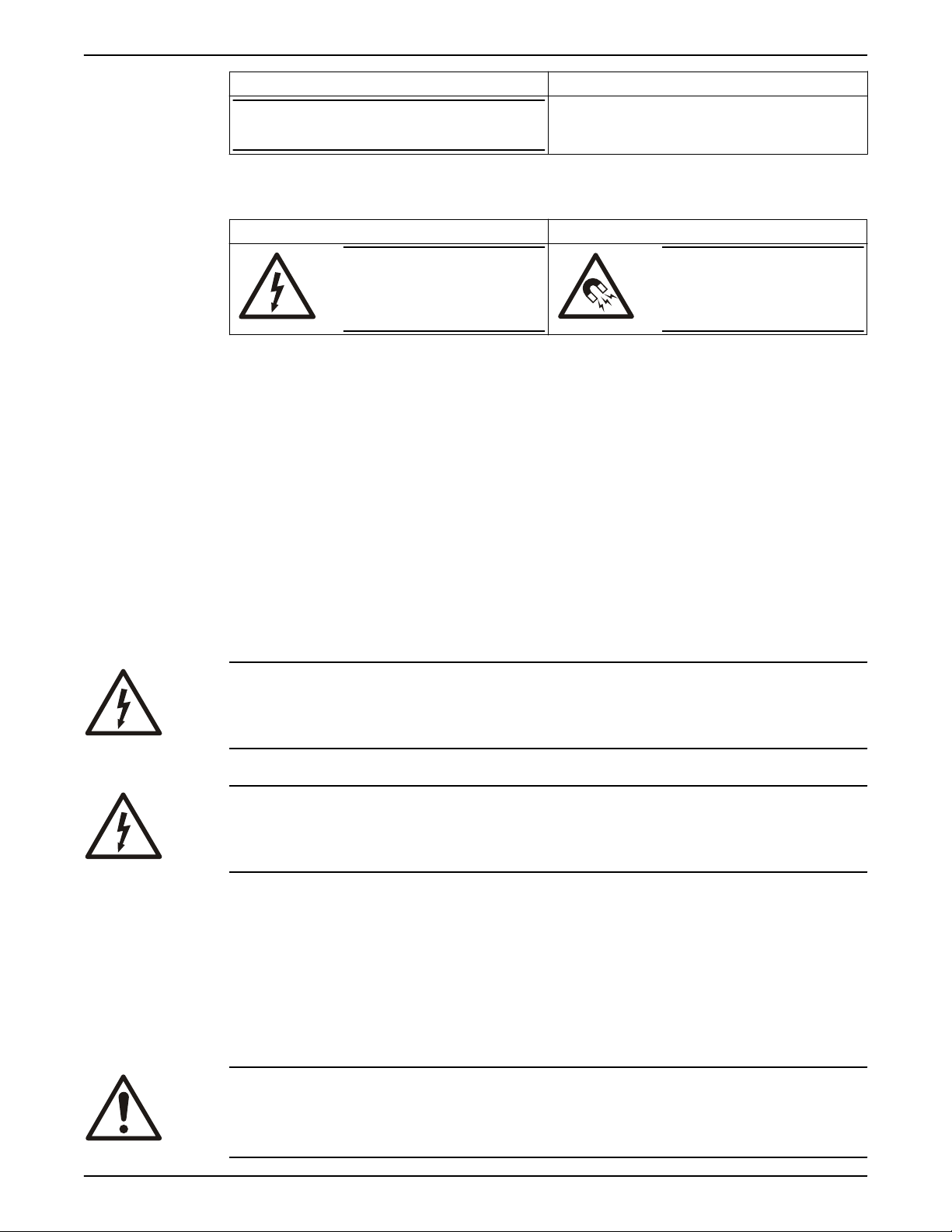
WARNING: Electrical Hazard
Risk of electrical shock or burn. A certified electrician must supervise all electrical work.
Comply with all local codes and regulations.
WARNING: Electrical Hazard
There is a risk of electrical shock or explosion if the electrical connections are not correctly
carried out, or if there is fault or damage on the product. Visually inspect equipment for
damaged cables, cracked casings or other signs of damage. Make sure that electrical
connections have been correctly made.
CAUTION: Electrical Hazard
Prevent cables from becoming sharply bent or damaged.
4.1 Connect the sensor
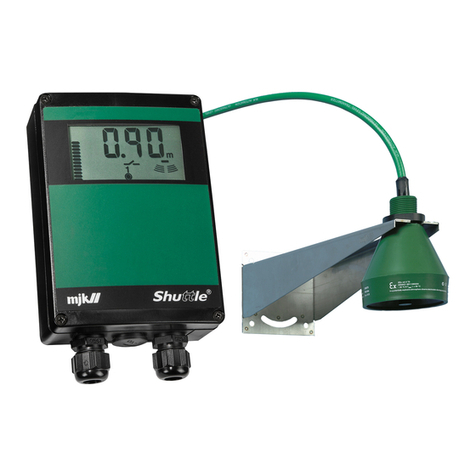
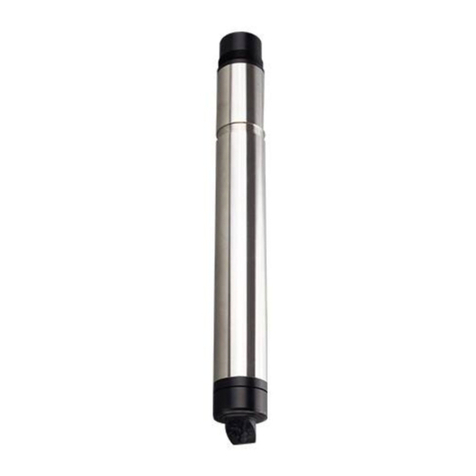
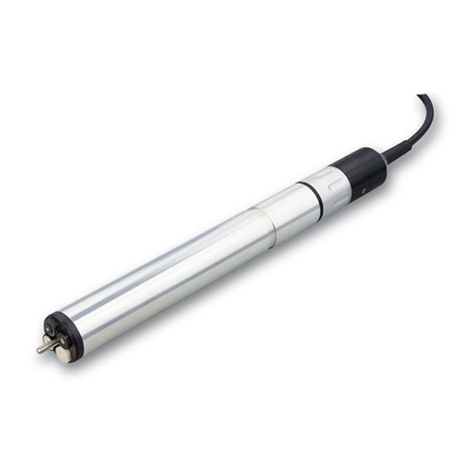
The sensor is connected to the 4–20 mA input.
1. Connect the red or white wire to the power + 10–30 V DC terminal.
2. Connect the brown wire to the signal/4– 20 mA terminal.
3. Connect the black wire to the signal ground/shield terminal (P/E connection).
4.2 Increase the cable length
When the supplied cable length is insufficient, observe the following:
• Due to the pressure equalization hose in the cable, it cannot be spliced directly to
another cable. Instead, use the junction box for this purpose (Part number 839505).
• Use a shielded cable, to safe guard against electrical disturbance. Signal cables must
never be run in the proximity of power cables.
4 Electrical Installation
8 LTU601 Installation and Operation Manual