manuals.online logo
Brands
  1. Home
  2. •
  3. Brands
  4. •
  5. YOKOGAWA
  6. •
  7. Measuring Instrument
  8. •
  9. YOKOGAWA FLXA21-P1 Specification sheet

YOKOGAWA FLXA21-P1 Specification sheet

Other YOKOGAWA Measuring Instrument manuals
YOKOGAWA AQ6151B User manual

YOKOGAWA

YOKOGAWA AQ6151B User manual

YOKOGAWA 701977 User manual

YOKOGAWA

YOKOGAWA 701977 User manual

YOKOGAWA Power Series Plus IM 2493WVP-1 User manual

YOKOGAWA

YOKOGAWA Power Series Plus IM 2493WVP-1 User manual

YOKOGAWA ZX8D User manual

YOKOGAWA

YOKOGAWA ZX8D User manual

YOKOGAWA WT3001E User manual

YOKOGAWA

YOKOGAWA WT3001E User manual

YOKOGAWA FX1000 User manual

YOKOGAWA

YOKOGAWA FX1000 User manual

YOKOGAWA Power Series Plus IM 2493VVV-1 User manual

YOKOGAWA

YOKOGAWA Power Series Plus IM 2493VVV-1 User manual

YOKOGAWA UPM100 User manual

YOKOGAWA

YOKOGAWA UPM100 User manual

YOKOGAWA TA320 User manual

YOKOGAWA

YOKOGAWA TA320 User manual

YOKOGAWA 960 32 User manual

YOKOGAWA

YOKOGAWA 960 32 User manual

YOKOGAWA ADMAG TI Series User manual

YOKOGAWA

YOKOGAWA ADMAG TI Series User manual

YOKOGAWA SC21 Series User manual

YOKOGAWA

YOKOGAWA SC21 Series User manual

YOKOGAWA AQ1000 OTDR User manual

YOKOGAWA

YOKOGAWA AQ1000 OTDR User manual

YOKOGAWA ZR802G Installation manual

YOKOGAWA

YOKOGAWA ZR802G Installation manual

YOKOGAWA ScopeCorder DL350 User manual

YOKOGAWA

YOKOGAWA ScopeCorder DL350 User manual

YOKOGAWA WT1803 User manual

YOKOGAWA

YOKOGAWA WT1803 User manual

YOKOGAWA AQ2160-01 User manual

YOKOGAWA

YOKOGAWA AQ2160-01 User manual

YOKOGAWA FX1000 Guide

YOKOGAWA

YOKOGAWA FX1000 Guide

YOKOGAWA 90020B User manual

YOKOGAWA

YOKOGAWA 90020B User manual

YOKOGAWA SL1400 ScopeCorder LITE User manual

YOKOGAWA

YOKOGAWA SL1400 ScopeCorder LITE User manual

YOKOGAWA WT210 User manual

YOKOGAWA

YOKOGAWA WT210 User manual
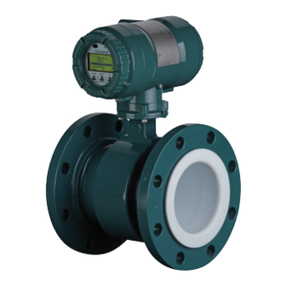
YOKOGAWA EXAxt ZR22G User manual

YOKOGAWA

YOKOGAWA EXAxt ZR22G User manual

YOKOGAWA 2768 User manual

YOKOGAWA

YOKOGAWA 2768 User manual

YOKOGAWA 960 33 User manual

YOKOGAWA

YOKOGAWA 960 33 User manual

Popular Measuring Instrument manuals by other brands

Powerfix Profi 278296 Operation and safety notes

Powerfix Profi

Powerfix Profi 278296 Operation and safety notes

Test Equipment Depot GVT-427B user manual

Test Equipment Depot

Test Equipment Depot GVT-427B user manual

Fieldpiece ACH Operator's manual

Fieldpiece

Fieldpiece ACH Operator's manual

FLYSURFER VIRON3 user manual

FLYSURFER

FLYSURFER VIRON3 user manual

GMW TG uni 1 operating manual

GMW

GMW TG uni 1 operating manual

Downeaster Wind & Weather Medallion Series instruction manual

Downeaster

Downeaster Wind & Weather Medallion Series instruction manual

Hanna Instruments HI96725C instruction manual

Hanna Instruments

Hanna Instruments HI96725C instruction manual

Nokeval KMR260 quick guide

Nokeval

Nokeval KMR260 quick guide

HOKUYO AUTOMATIC UBG-05LN instruction manual

HOKUYO AUTOMATIC

HOKUYO AUTOMATIC UBG-05LN instruction manual

Fluke 96000 Series Operator's manual

Fluke

Fluke 96000 Series Operator's manual

Test Products International SP565 user manual

Test Products International

Test Products International SP565 user manual

General Sleep Zmachine Insight+ DT-200 Service manual

General Sleep

General Sleep Zmachine Insight+ DT-200 Service manual

Sensa Core Lacto Spark user manual

Sensa Core

Sensa Core Lacto Spark user manual

VOLTCRAFT UTS-1980 operating instructions

VOLTCRAFT

VOLTCRAFT UTS-1980 operating instructions

EBCHQ 94915 Operation manual

EBCHQ

EBCHQ 94915 Operation manual

Balluff BIP LD2-T017-01-EP-S4 Series user guide

Balluff

Balluff BIP LD2-T017-01-EP-S4 Series user guide

Pulsar IMP Lite Series instruction manual

Pulsar

Pulsar IMP Lite Series instruction manual

ETCR 6800 user manual

ETCR

ETCR 6800 user manual

manuals.online logo
manuals.online logoBrands
  • About & Mission
  • Contact us
  • Privacy Policy
  • Terms and Conditions

Copyright 2025 Manuals.Online. All Rights Reserved.

Tech Note: TNA1403 Date: February 5, 2014
FLXA21-P1 Analyzers
Programming Custom Buffer Tables
FLXA21, comes with NIST Buffer tables pre-programed intot the analyzer. When using the
autocalibration mode, the system uses these preprogramed tables for reference.
However there is an option for customers to change buffer table data information.
There are three sets of NIST buffer tables, pH 4.01, pH 6.98, and pH9.18, by using the free
program options, you can choose to change whichever table and however many
tables you need to change. This document is intended to assist customers with the
steps that need to be taken inorder to to change the Buffer Tables.
1.) Click on the settings icon (wrench)
2.) Using either the the scroll key or by
clicking directly on the diamond next to
Commissioning, select it.
Tech Note: TNA1403 Date: February 5, 2014
3.) Next, selected the diamond next to
Measurement Setup
4.) Depending on what your analyzer is set up to measure, the Measurement
screen will look differently. If your anlyzer is set up to measure pH only,
continue to Setp #5. If your analyzer is set up to measure pH + ORP,
Proceed to Step #5a.
5.) Select the diamond next to Calibration
Settings, and Proceed to Step #7.
a. pH + ORP, Select the diamond next
to Calibration Settings, Proceed to
Step #6
Tech Note: TNA1403 Date: February 5, 2014
6.) Select the diamond next to pH
settings, proceed to Step #7
7.) Select the diamond next to Buffers
8.) Next, choose the text NIST/DIN19266
and a drop down menu should appear.
9.) Next, ssing either the the scroll key
and enter, or by clicking directly on the
choose the Free Programable.
Tech Note: TNA1403 Date: February 5, 2014
10.) Depending on which buffers you wil
be using in your application, click on the
diamond next to the User defined buffer
that needs to be changed.
a. User defined Buffer 1, is the buffer
table for pH 4.01;
b. user defined Buffer 2, is the the
buffer table for pH 6.87;
c. and user defined Buffer3, is the
buffer table for pH 9.18.
For this example we will choose to change the values within the User
Deinfed Buffer 2, pH 6.87, because this is the most commonly choosen
table to change values to reflect pH 7.0.
11.) Select the diamond next to Enter
Values
Tech Note: TNA1403 Date: February 5, 2014
12.) Click on each pH value next to the
temperature, in order to enter customer
pH value for the particular given
temperature value. In order to use this
feature the customer must have a pH
for each given temperature value in 5
degree increments from 0ºC-80ºC. Click
enter when finished, to return to original
Buffer Table screen.
Tech Note: TNA1403 Date: February 5, 2014
13.) Once the pH values for the
temperatures 0ºC-30ºC have been
changed, click on the diamon next the
the Next to precede to the next page
of the table. Note: You do not have to
change all of the values, only the ones
that are stated mandatory.
14.) If you choose to fill out the pH
values for 35ºC-65ºC do so in the
same manner as described above in
step #11. Once the pH values for the
temperatures 35ºC-65ºC that you wish
to change have been changed, click on
the diamond next the the Next to
precede to the next page of the table.
15.) If you choose to fill out the pH
values for 70ºC-80ºC do so in the same
manner as described above in step #11.
Once the pH values for the temperatures
70ºC-80ºC that you wish to change have
been changed, click on the diamond next
the the Finish to return to the original
User definded 2 Buffer screen.
Tech Note: TNA1403 Date: February 5, 2014
16.) Next select YES under Check
Values on the original User Definded 2
Buffer screen. This check is only looking
to make sure that the mandatory values
are completed. If NO Errors are found
the screen should reveal results.
However, if a mandatory field was
missed the screen would show the
error.
With that being siad, pay extra
attention to make sure that all values
entered are entered in correctly. Since
this is a free programable option, the
system will take any data that is
entered.
Tech Note: TNA1403 Date: February 5, 2014
17.) If you want to change another
buffer table, click the Back Arrow to
return to the User Defined Screen and
follow steps 10-16.
Otherwise click on the home icon (the house),
to remain to the main page.
18.) Now when you choose to automatic
calibrate the unit will be using user
defined pH Buffer.
Tech Note: TNA1403 Date: February 5, 2014
Appendix: If at any point you would like to reset your analyzer back to factory
default buffer tables, you can do so by following the steps below.
1.) Click on the settings icon (wrench)
2.) Using either the the scroll key or by
clicking directly on the diamond next to
Commissioning, select it.
3.) Select Advanced Set up
4.) Select the diamond next to Settings
Tech Note: TNA1403 Date: February 5, 2014
5.) Choose to Load Factory Factory Settings.
6.) A warning screen will appear. Select Yes.
On loading will appear and the unit will restart
7.) Once the system has been restored the
unit will automatticaly go back to the
main home page.