EnglishDeutsch
 logo
Brands
  1. Home
  2. •
  3. Brands
  4. •
  5. AEG
  6. •
  7. Ventilation Hood
  8. •
  9. AEG CHDF 6260 User manual

AEG CHDF 6260 User manual

Other manuals for CHDF 6260

3

This manual suits for next models

2

Other AEG Ventilation Hood manuals

AEG HD 8694 User manual

AEG

AEG HD 8694 User manual

AEG DU 3150 User manual

AEG

AEG DU 3150 User manual

AEG DM 8400 User manual

AEG

AEG DM 8400 User manual

AEG protect d. 2000 User manual

AEG

AEG protect d. 2000 User manual

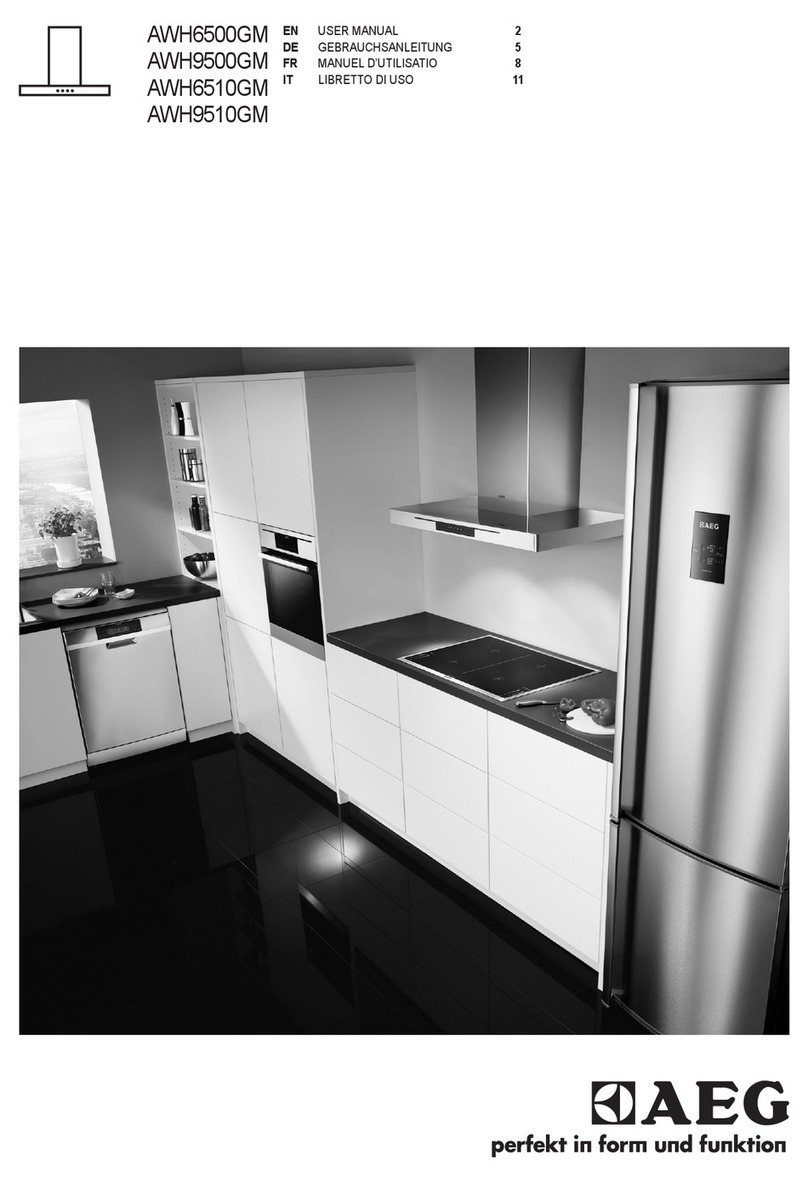
AEG AWH6500GM User manual

AEG

AEG AWH6500GM User manual

AEG DIK8190HG User manual

AEG

AEG DIK8190HG User manual

AEG DD6460-M User manual

AEG

AEG DD6460-M User manual

AEG X66453MVO User manual

AEG

AEG X66453MVO User manual

AEG D 6.03 User manual

AEG

AEG D 6.03 User manual

AEG HD 8990 User manual

AEG

AEG HD 8990 User manual

AEG 855 D User manual

AEG

AEG 855 D User manual

AEG DLE0630W User manual

AEG

AEG DLE0630W User manual

AEG X78263BV20 User manual

AEG

AEG X78263BV20 User manual

AEG DE 60 V User manual

AEG

AEG DE 60 V User manual

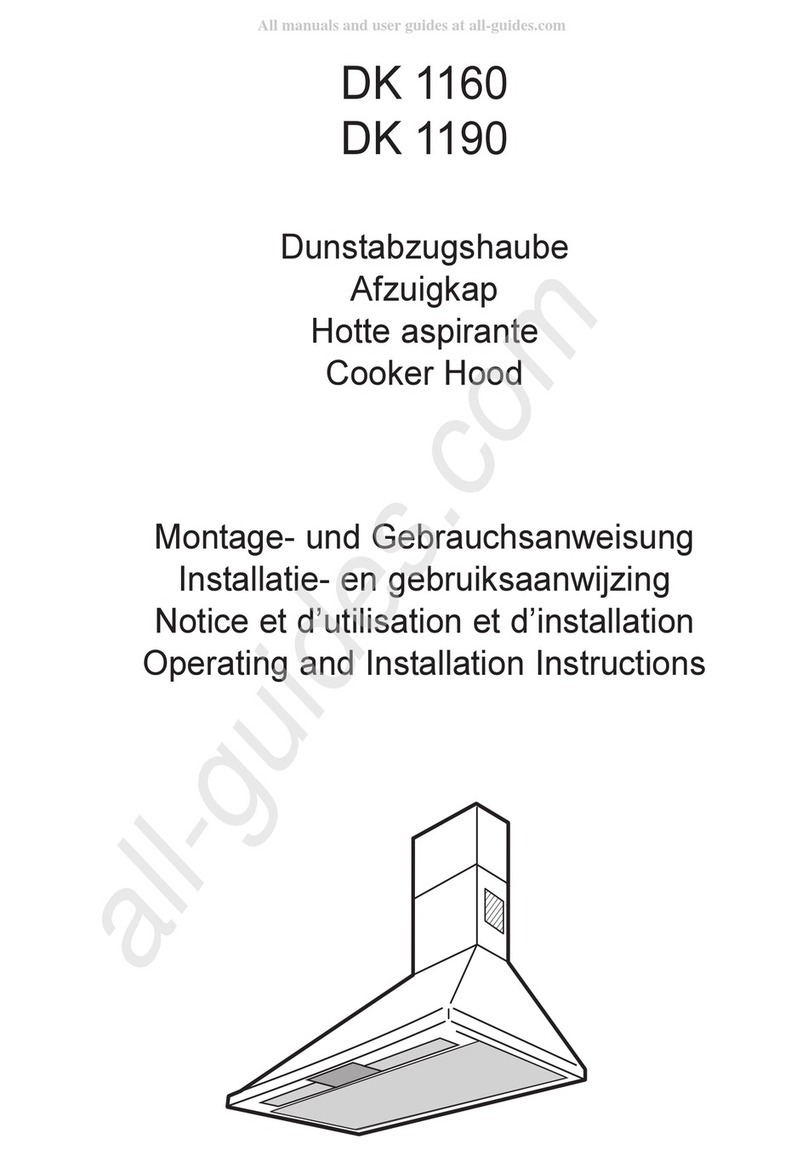
AEG DK 1190 User manual

AEG

AEG DK 1190 User manual

AEG DK 9660 User manual

AEG

AEG DK 9660 User manual

AEG X94484MV1 User manual

AEG

AEG X94484MV1 User manual

AEG DPB3622S User manual

AEG

AEG DPB3622S User manual

AEG 8290 D Specification sheet

AEG

AEG 8290 D Specification sheet

AEG DVK6980HB User manual

AEG

AEG DVK6980HB User manual

AEG 502 D User manual

AEG

AEG 502 D User manual

AEG HD 8960 User manual

AEG

AEG HD 8960 User manual

AEG DIE5960HG User manual

AEG

AEG DIE5960HG User manual

AEG DEI 60 PL 2 User manual

AEG

AEG DEI 60 PL 2 User manual

Popular Ventilation Hood manuals by other brands

Haier CXW-219-D67 null

Haier

Haier CXW-219-D67 null

emmeti RECUPA MED A-140 Installation and use manual

emmeti

emmeti RECUPA MED A-140 Installation and use manual

Nibe F135 user manual

Nibe

Nibe F135 user manual

Zephyr Spruce AK9834BS Use, care and installation guide

Zephyr

Zephyr Spruce AK9834BS Use, care and installation guide

Kuppersberg INTRO 60 Technical Passport

Kuppersberg

Kuppersberg INTRO 60 Technical Passport

Hisense MH6INBG manual

Hisense

Hisense MH6INBG manual

Miele DA 1255 Operating and installation instructions

Miele

Miele DA 1255 Operating and installation instructions

Broan 46000 Specification sheet

Broan

Broan 46000 Specification sheet

GE Profile PV977 Owner's Manual & Installation Instructions

GE

GE Profile PV977 Owner's Manual & Installation Instructions

FALMEC FFRIA24W5FS Instruction booklet

FALMEC

FALMEC FFRIA24W5FS Instruction booklet

Whirlpool RH2600XL-1 SERIES installation instructions

Whirlpool

Whirlpool RH2600XL-1 SERIES installation instructions

ETNA AV360RVS Instructions for use

ETNA

ETNA AV360RVS Instructions for use

JUNO JDF603E6 installation manual

JUNO

JUNO JDF603E6 installation manual

Miele DA 6708 D Operating and installation instructions

Miele

Miele DA 6708 D Operating and installation instructions

Tricity Bendix LE 150 Installation & operating instructions

Tricity Bendix

Tricity Bendix LE 150 Installation & operating instructions

Smeg KSEV97X instruction manual

Smeg

Smeg KSEV97X instruction manual

Nibe S Series Installer manual

Nibe

Nibe S Series Installer manual

Caple CCH100 technical information

Caple

Caple CCH100 technical information

https://manuals.online logo
https://manuals.online logoBrands
  • About & Mission
  • Contact us
  • Privacy Policy
  • Terms and Conditions

Copyright 2026 Manuals.Online. All Rights Reserved.

DF 6260
DF 6160
CHDF 6260
Dunstabzugshaube
Afzuigkap
Hotte
Cooker Hood
Montage- und Gebrauchsanweisung
Installatie- en gebruiksaanwijzing
Notice d utilisation et d installation
Operating and Installation Instructions
61
Contents
Safety warnings .............................................................................. 62
For the user ...................................................................................... 62
For the installer ................................................................................. 63
escription of the Appliance ......................................................... 65
Extraction mode ................................................................................ 65
Recirculation mode ........................................................................... 65
Control Panel .................................................................................. 66
Maintenance and Care................................................................... 67
Cleaning the hood ............................................................................. 67
Metal grease filter ............................................................................. 67
Removing the metal grease filter........................................................ 67
Charcoal filter .................................................................................... 68
Changing the light bulb(s) .................................................................. 69
Special accessories ........................................................................ 69
What to do if ................................................................................... 70
Technical assistance service ......................................................... 71
Service and Spare Parts .................................................................... 71
Customer Care epartment ........................................................... 72
Technical Specifications ................................................................ 72
Mounting accessories included ..................................................... 72
Electrical connection ..................................................................... 73
Installation ........................................................................................ 74
62
Safety warnings
For the user
 The cooker hood is designed to extract unpleasant odours from the
kitchen, it will not extract steam.
 Always cover lighted elements, to prevent excess heat from
damaging the appliance. In the case of oil, gas and coal fired
cookers it is essential to avoid open flames.
 Also, when frying, keep the deep frying pan on the cooker top/cooker
under careful control.
 The hot oil in the frying pan might ignite due to overheating.
 The risk of self-ignition increases when the oil being used is dirty.
 It is extremely important to note that overheating can cause a fire.
Never carry out any flambé cooking under the hood.
Always disconnect the unit from the power supply before
carrying out any work on the hood, including replacing the
light bulb (take the cartridge fuse out of the fuse holder or switch off
the automatic circuit breaker).
It is very important to clean the hood and replace the filter at
the recommended intervals. Failure to do so could cause
grease deposits to build up, resulting in a fire hazard.
 The appliance is not intended for use by young children or infirm
persons without supervision.
 Young children should be supervised to ensure that they do not play
with the appliance.
WARNING - Ensure that the appliance is switched off before
replacing the lamp to avoid the possibility of electric shock.
This appliance is marked according to the European directive 2002/96/
EC on Waste Electrical and Electronic Equipment (WEEE).
By ensuring this product is disposed of correctly, you will help prevent
potential negative consequences for the environment and human health,
which could otherwise be caused by inappropriate waste handling of
this product.
The symbol on the product, or on the documents accompanying
the product, indicates that this appliance may not be treated as
household waste. Instead it shall be handed over to the applicable
collection point for the recycling of electrical and electronic equipment.
Disposal must be carried out in accordance with local environmental
regulations for waste disposal.
For more detailed information about treatment, recovery and recycling
of this product, please contact your local city office, your household
waste disposal service or the shop where you purchased the product.

63
For the insta er
Only for model F6160: when used as an extractor unit, the hood
must be fitted with a 120mm diameter hose.
Only for models F 6260 - F 6260-ml/1 and CH F 6260: when
used as an extractor unit, the hood must be fitted with a 150mm
diameter hose.
Only for model F 6260 - F 6260-ml/1: should there already be a
hose of diameter 125 mm that ducts to the outside through the walls
or roof, it is possible to use the 150/125 mm reduction flange
provided. In this case the hood will be slightly more noisy.
When installing the hood, make sure you observe the
following minimum distance from the top edge of the
cooking hob/ring surfaces:
electric cookers 430 mm
gas cookers 650 mm
If the instructions for installation for the gas hob specify a greater
distance, this must be adhered to.
 The national Standard on fuel-burning systems specifies a maximum
depression of 0.04 mbar in such rooms.
 The air outlet must not be connected to chimney flues or combustion
gas ducts. The air outlet must under no circumstances be connected
to ventilation ducts for rooms in which fuel-burning appliances are
installed.
 The air outlet installation must comply with the regulations laid down
by the relevant local authorities.
 When the unit is used in its extractor version, a sufficiently large
ventilation hole must be provided, with dimensions that are approxi-
mately the same as the outlet hole.
 National and regional building regulations impose a number of
restrictions on using hoods and fuel-burning appliances connected to
a chimney, such as coal or oil room-heaters and gas fires, in the
same room.
 Hoods can only be used safely with appliances connected to a
chimney if the room and/or flat (air/environment combination) is
ventilated from outside using a suitable ventilation hole approximately
500-600 cm2 large to avoid the possibility of a depression being
created during operation of the hood.
 If you have any doubts, contact the relevant controlling authority or
building inspectors office.
 Since the rule for rooms with fuel burning appliances is outlet hole of
the same size as the ventilation hole, a hole of 500-600 cm2, which
is to say a larger hole, could reduce the performance of the extractor
hood.
64
 If the hood is used in its recirculation mode, it will operate simply
and safely in the above conditions without the need for any of the
aforementioned measures.
 The ducting must be fire retardant, 120mm in diameter and the
length should be no more than:
3 metres with one 90 degree bend
2 metres with two 90 degree bends
Bends of more than 90 degrees will reduce the efficiency of the hood
and reduce the airflow.
 Failure to observe these basic instructions will drastically reduce the
performance and increase the noise levels of the extractor hood.
65
Description of the Appliance
The cooker hood is designed to extract unpleasant odours
from the kitchen, it will not extract steam.
 The hood is supplied as an extractor unit and can also be used with
a recirculation mode by fitting a charcoal filter.
 In some models the charcoal filter is supplied. The hood, therefore,
can be used immediately in the recirculation mode. We advise
removing the charcoal filter to use the hood in the extraction mode.
Extraction mode
 In this version fumes are extracted to the outside via a hose.
 In order to obtain the best performance the hose should have a
diameter equal to the outlet hole.
Recircu ation mode
 The air is filtered through a charcoal filter and returned to the kitchen.
 You will need an original charcoal filter for the recirculation function.
(Available from your local Service Force Centre).
A = ON/OFF switches (Motor, light)
B = rease filter
C = Light
= Control panel
E = Visor (Removable)
Fig. 1
66
Control Panel
 The switches are mounted on the upper right side of the visor (Fig. 1
- E).
The numbers and symbols have the following meanings (from left to
right):
The fan is controlled by moving the sliding switch.
The extractor part (visor) of the hood is used to switch the fan on and
off when the appliance is switched on (Motor).
When the visor of the appliance is withdrawn, the fan automatically
switches on.
If the visor is pushed in without operating the switches, the fan is
switched off.
The lighting can be separately switched on and off with the slide switch.
Turn the hood on a few minutes before you start cooking then you will
get an underpressure in the kitchen. It should be left on after cooking
for about 15 minutes or until all odours have disappeared.
= fan set 4
= fan set 3
= fan set 2
= fan set 1
= Light
= Light OFF
= Light ON
1
2
3
4
= Continuously variable
fan control
= Intensive setting
= Light OFF
= Light ON
= Light
CHDF 6260 -ML/GB - PNC 942 120 679
DF 6260 -ML/AUS - PNC 942 120 712
DF 6260 -ML - PNC 942 120 645
DF 6260 -ML/1 - PNC 942 120 820
DF 6160 -ML - PNC 942 120 644
67
Maintenance and Care
The hood mus always be disconnec ed from he elec rici y supply before
beginning any main enance work.
C eaning the hood
 Clean the outside of the hood using a damp cloth and a mild washing up liquid
solution.
 Never use corrosive, abrasive or flammable cleaning products.
 Never insert pointed objects in the motors protective grid.
 Never use caustic detergents or abrasive brushes or powders.
 Only ever clean the switch panel and filter grill using a damp cloth and mild washing
up liquid solution.
 It is extremely important to clean the unit and change the filters at the recommended
intervals. Failure to do so will cause grease deposits to build up that could constitute a
fire hazard.
Meta grease fi ter
 The purpose of the grease filters is to aspirate grease particles which form during
cooking and it mus always be used, either in the extraction or internal recirculation
function. Attention: the metal grease filters must be removed and washed, either by
hand or in the dishwasher, every four weeks.
Removing the meta grease fi ter
 Pull out the visor, remove the rear grease filter pulling the handle designed for this
purpose, then proceed in the same way to remove the front grease filter. Fig. 2.
Hand washing
Soak grease filters for about one hour in hot water with a grease-loosening cleaner,
then rinse off thoroughly with hot water. Repeat the process if necessary. Refit the
grease filters when they are dry.
Dishwasher
Place grease filters in dishwasher. Select most powerful washing programme and
highest temperature, at least 65°C. Repeat the process. Refit the grease filters when
they are dry. When washing the metal grease filter in the dishwasher a slight
discolouration of the filter can occur, this does not have any impact on its performance.
 Clean the inner housing using a hot detergent solution only (never use caustic
detergents, abrasive powders or brushes).
Fig. 2
68
Charcoa fi ter
 The charcoal filter should only be used if you want to use the hood in
the recirculation function.
 To do this you will need an original charcoal filter (available from your
local Service Force Centre).
Replacing the charcoal filter Type 150
Note: this filter is already installed on model DF 6260-ml9.
This filter cannot be cleaned or reused.
As a general rule, the activated charcoal filter should be changed
once every 4 months.
Cleaning/replacing the charcoal filter Type 150 LONG LIFE
Unlike other charcoal filters, the LON LIFE charcoal filter can be
cleaned and reactivated. At normal use the filter should be cleaned
every second month (when using the hood 2,5 hours per day, on
avarage). The best way to clean the filter is in the dishwasher. Use
normal detergent and choose the highest temperature (65º C). Wash
the filter separately so that no food parts gets stuck on the filter and
later causes bad odours. To reactivate the charcoal, the filter should
be dried in an oven for 10 minutes with a maximum temperature of
100ºC.
After approximately three years of use, the charcoal filter should be
replaced with a new, as the odour reduction capacity will be reduced.
Fitting
1. Pull out the visor (Fig. 1 - E).
2. Remove first the rear then the front grease filters.
3. Insert the charcoal filter into the lugs of the frame above using the
2 red clips to retain it, press the red clips inwards, and insert the
charcoal filter in the frame. Fig. 3.
Removing:
1. Press both red lugs upwards (towards the inside of the housing)
and remove the charcoal filter downwards.
2. Clean the internal housing only with warm washing-up liquid suds
(never use any abrasive cleaners, brushes, or scouring agents).
 Always specify the hood model code number and serial number
when ordering replacement filters. This information is shown on the
registration plate located on the inside of the unit.
 The charcoal filter can be ordered from your local Service Force
Centre.
Fig. 3
69
Warning
 Failure to observe the instructions on cleaning the unit and
changing the filters will cause a fire hazard. You are therefore
strongly recommended to follow these instructions.
 The manufacturer declines all responsibility for any damage to the
motor or any fire damage linked to inappropriate maintenance or
failure to observe the above safety recommendations.
Changing the ight bu b(s)
 Disconnect the unit from the mains power supply.
 Unlock the lighting cover (D) by twisting the bolts to the left and fold
down the bulb cover. Fig. 4.
Replace the old light bulb(s) with a new light bulb of the same kind.
 Close the bulb cover and relock it by twisting the bolts to the right.
 If the light does not come on, make sure the bulb has been inserted
correctly before contacting your local Service Force Centre.
Fig. 4
Special accessories
Charcoal filter Type 150 LON LIFE Available from your
retailer as an accessory
Charcoal filter Type 150 Available from your
retailer as an accessory
Front panel M BF6060-m 942 120 646
Front panel AL BF6060-al 942 120 647
Finishing strip* ET-NR.: 502 426 420 02
Clips for finishing strip (3x)* ET-NR.: 502 302 940 06
* ET-NR. contact our Service Force Centre