·Demyelinating disease (e.g. multiple sclerosis - SM);
·Muscles diseases with weakness and paralysis (dystrophy, myasthenia gravis, myositis);
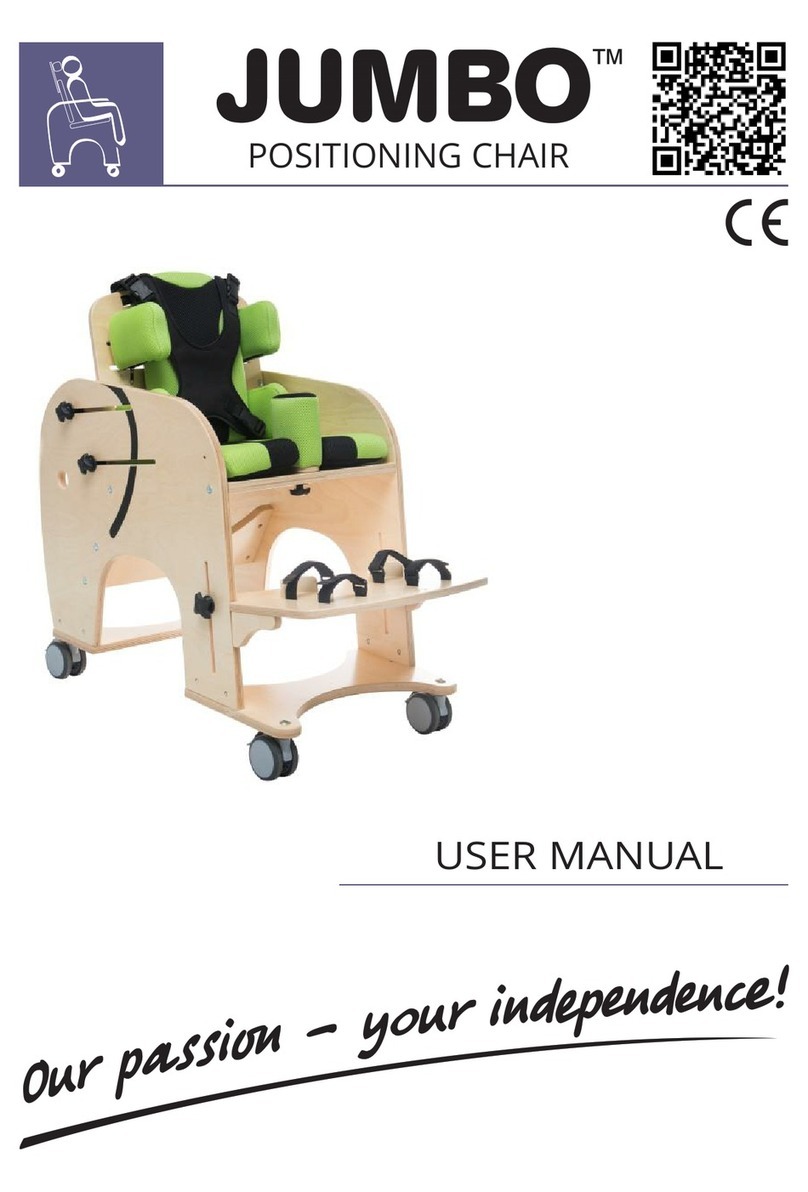
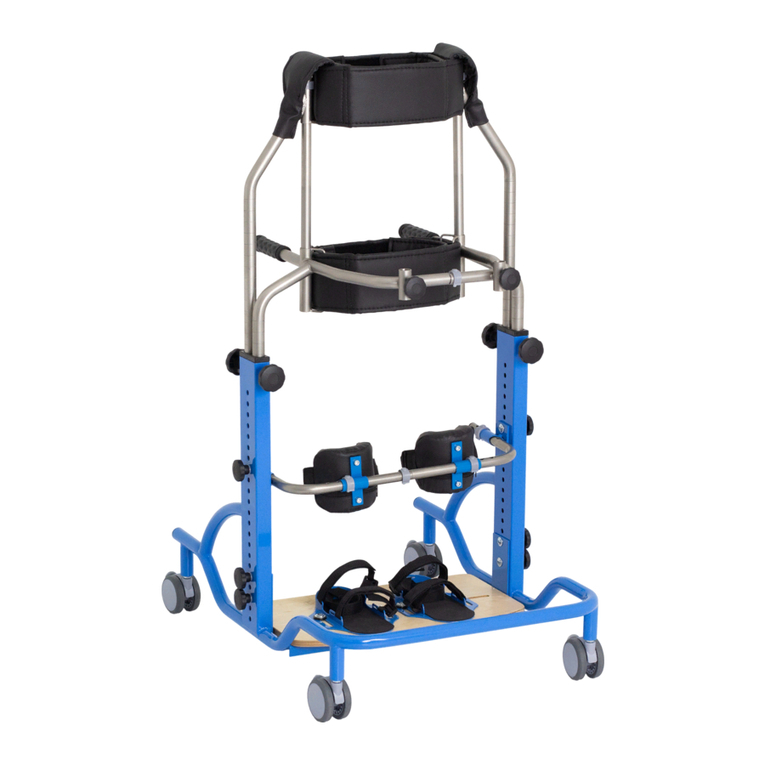
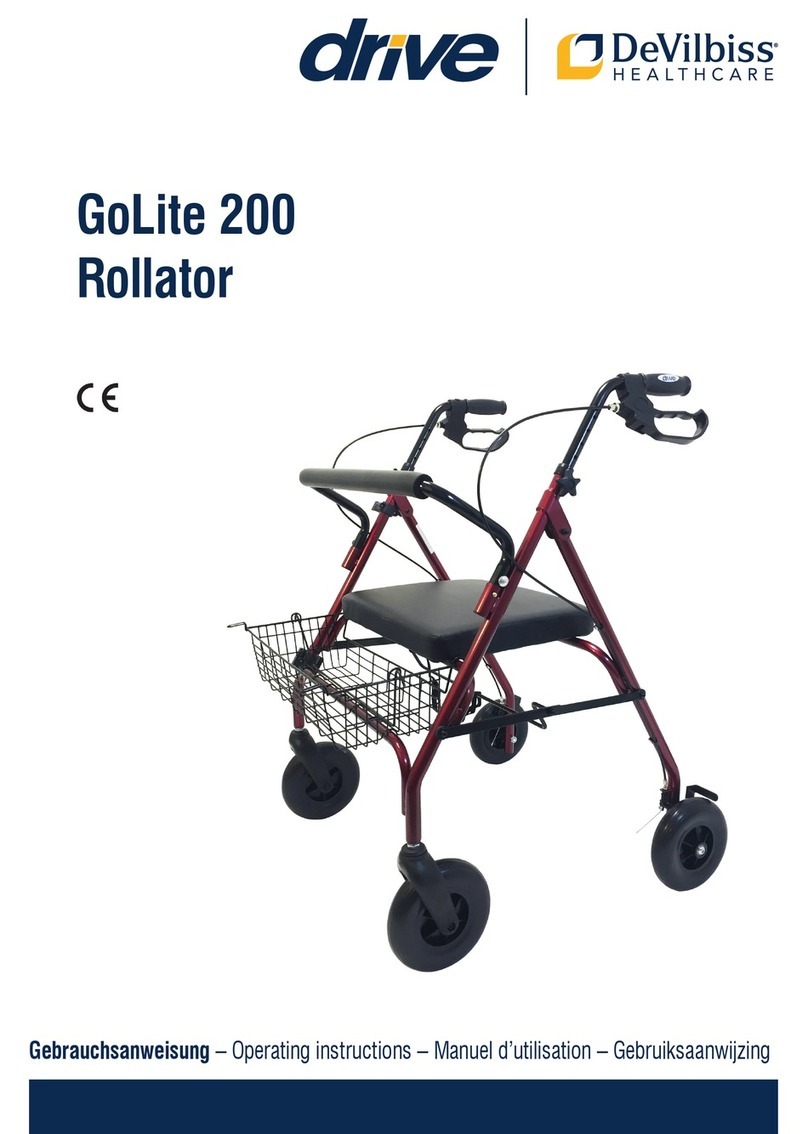
These medical devices are intended for people with orthopedic, neurological and cardiological diseases and for people
after surgery, with musculoskeletal dysfunctions, who have not acquired the ability to sit independently or who have
difficulties in adopting and maintaining the sitting position.
Both for flaccid people with reduced muscle tone and for people with spasticity. The device can also be really useful for
people who require long-term relief of one or both lower limbs. It is an irreplaceable aid in the rehabilitation process, both
in terms of movement and social integration. The device is great help during everyday activities such as rehabilitation but
also during playing, studying or having meals. The selection of the appropriate size of the device depends on medical
indications and anatomical parameters, regardless of the age of the user.
The device is recommended for people in the following cases:
·Cerebral palsy – various types and forms ;
·Brain and spinal cord injuries with lower limbs paralysis and weakness, balance and motor coordination disorders with
different etiology;
·Meningocele;
·Degeneration and neurological diseases;
·Other condition connected with muscles weakness, paralysis and musculoskeletal disorders;
·Paralysis;
·Hemodynamic instability;
·Untreated deep vein thrombosis;
·Identified brain dysfunction when sitting upright;
·Unstable fractures with specific orthopedic recommendations, including spine fractures;
·Genetic disorders;
·Severe arthritis of the cervical spine;
·Recent myocardial infarction in the last 24 hours;
·Fresh postoperative wounds or non-healing wounds in the back area, pelvic girdle area, hip joints and thighs;
Contraindications:
·After head and spinal cord injuries and spine trauma with paralysis and paresis.
·Users with mental disorders should not be left in the device without the supervision of a caregiver.
·Pulmonary embolism;
·Deep sedation;
·Critical condition of the user;
1. THE PURPOSE OF USER MANUAL
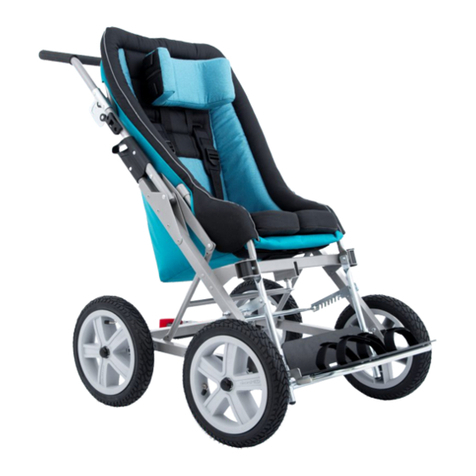
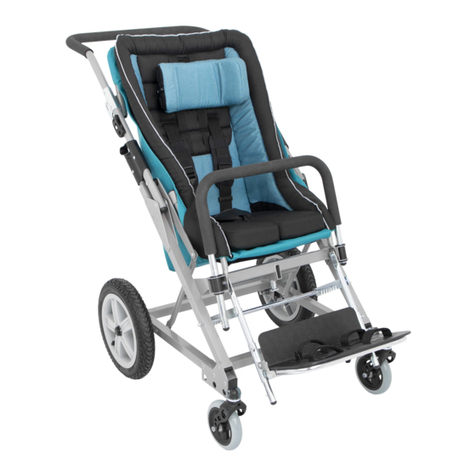
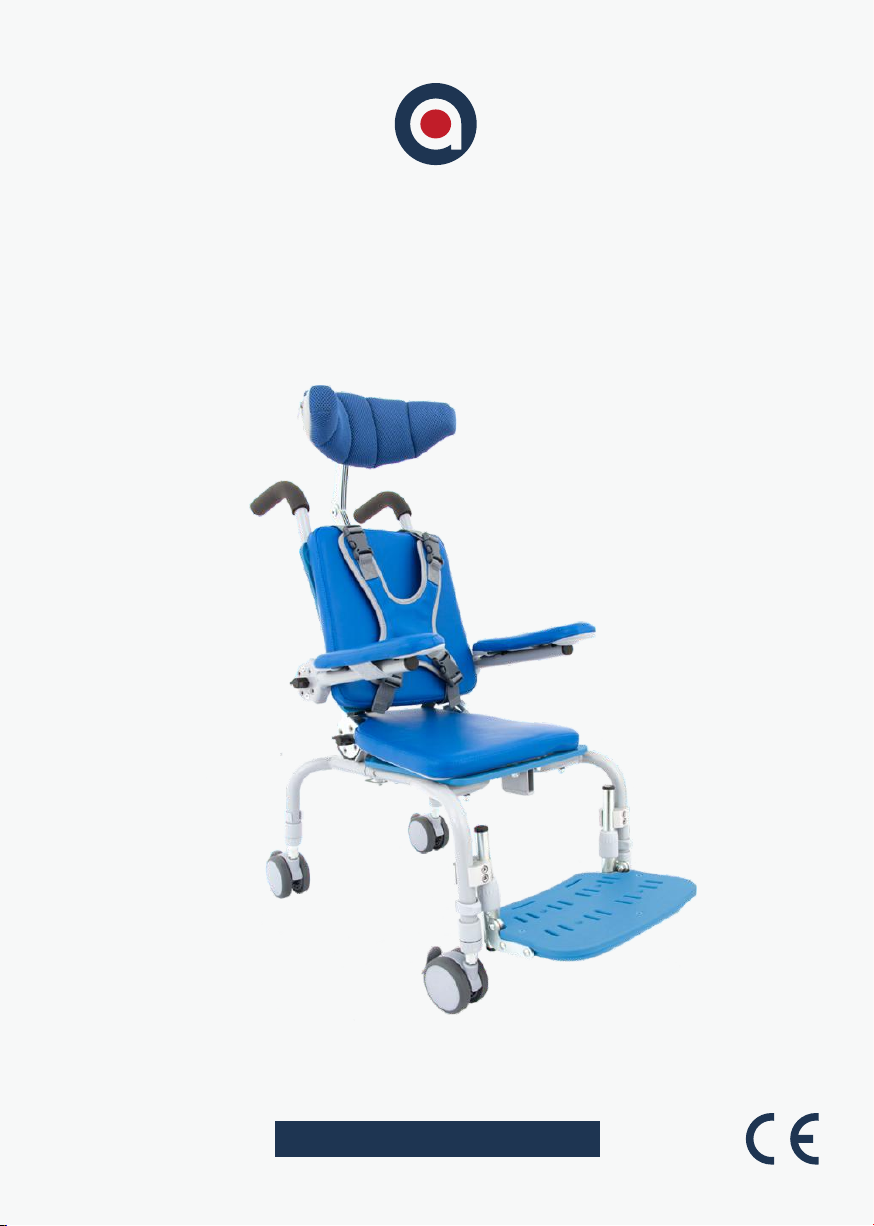
The instruction manual contains basic information necessary to properly prepare the stroller before use, use the
stroller, maintain and clean the stroller.
This user manual should be kept in an easily accessible place. The manual is intended for people who look after
disabled users, as well as for doctors and physiotherapists handling the stroller.
Before using the stroller for the first time, the user (or caregiver) is obliged to familiarize himself/herself with the user
manual.
2. INDICATION AND CONTRAINDICATIONS
FOR USE
5