PRe-OPeRATION
Ch eCk LIST
package c ontents & a ssembly
models: a uX05, a uX05a , a uX10
package contents:
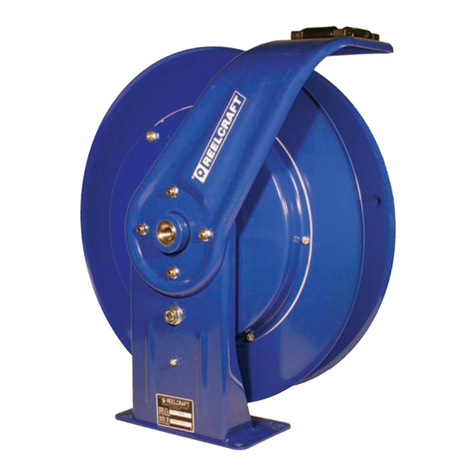
Air Tank
1/4” Female universal/Industrial Quick Connector
1/4” Male u niversal/Industrial Quick Connector
Air h ose & Air/Tire Chuck
Pressure Gauge
Air Valve & Air Valve k nob
Owner's Manual
a ssembly:
Install the 1/4” Male u niversal Quick Connector onto the Air h ose.
Take the 1/4” Male universal Quick Connector and push into the
1/4” Female Quick Connector located on the Air Valve.
Inspect for d amage
before using the air tank , make sure the air tank is not damaged,
inspect all parts for damage, and check that all pipes are firmly
connected.
d o not use the air tank if any damage is found. If damaged,
contact California Air Tools Customer Service d epartment
1-866-409-4581
Save packaging
IMPORTANT: Save all outside packaging in case you ever need to
return the product for service or repair.
o peration
This air tank is designed to contain air pressures of to 125 PSI.
This air tank is intended only for use as a portable supply of
compressed air for use in inflating tires, sports balls, inflatable and
as a source of air for air tools.
d o Not Over Inflate or Over Pressurize this tank or harm may
occur. d o not exceed 125 PSI.
Fill the air tank by connecting the 1/4” Male universal Quick
Connector (on the Air h ose) to an air compressor.
Attach the Air Chuck (on the air hose) to the Air Valve on the tank
to pressurize the air tank.
To use air, push the 1/4” Male universal Quick Connector (on the
Air h ose) into the 1/4” Female u niversal Quick Connector on the
Air Valve.
Open the air valve by turning the red air valve knob counter
clockwise pressurizing the air hose. your tank is ready for use.
MAINTeNANCe
draining the a ir t ank
The frequency at which you should drain the air tank depends on
the environmental conditions and the amount of operating time
logged. The average draining frequency is every day of use.
1. Point the safety valve AWAy FROM y Ou R bOdy when
releasing the air
2. u se the pull ring on the safety valve to release any pressure
inside the tank before draining the tank.
3. Invert the tank with the Air Valve facing downward and pull the
ring on the safety. This will allow any water to escape from the
tank..
4. d raining the air tank protects parts from rust and corrosion.
Rusty water can appear.
t esting for l eaks
Make sure all connections are tight.
To test for small leaks, spray a small amount of soapy water on
the area suspected of leaking. If the soap bubbles, replace the
broken part.
c leaning
Clean items with a soft brush, or wipe with a moistened cloth using
a biodegradable solvent.
d o not use flammable liquids such as gasoline or alcohol. Always
keep parts clean from dirt and dust for better performance.
Flying objects can cause injury to the eyes, head and
other parts of the body.
Air-powered equipment and power tools are capable
of propelling items (metal chips, fasteners and
particulates) at high speed into the air and could
result in injury.
Always wear approved head and eye protection.
Never point the air stream at any part of your body,
or at another person or animal.
When operating the air compressor, make sure all
other people and animals maintain a safe distance.
Do not move the air compressor when the air tank is
under pressure.
Never use the air hoses to pull or move the air
compressor.
Keep the air compressor on a flat surface.
WARNING
FLYING OBJECTS