manuals.online logo
Brands
  1. Home
  2. •
  3. Brands
  4. •
  5. Canon
  6. •
  7. Camera Accessories
  8. •
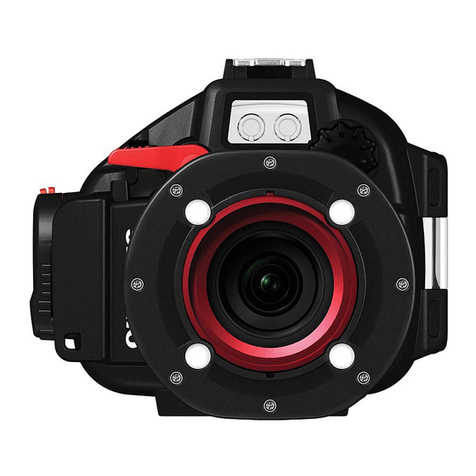
  9. Canon pz-e1 User manual

Canon pz-e1 User manual

Other manuals for pz-e1

1

Other Canon Camera Accessories manuals

Canon MA-200 User manual

Canon

Canon MA-200 User manual

Canon POWER WINDER A2 User manual

Canon

Canon POWER WINDER A2 User manual

Canon Macro ring lite MR-14EX II User manual

Canon

Canon Macro ring lite MR-14EX II User manual

Canon 540EZ - Speedlite - Hot-shoe clip-on Flash User manual

Canon

Canon 540EZ - Speedlite - Hot-shoe clip-on Flash User manual

Canon FLASH UNIT Y User manual

Canon

Canon FLASH UNIT Y User manual

Canon MA-52 User manual

Canon

Canon MA-52 User manual

Canon XF User manual

Canon

Canon XF User manual

Canon BU-47H 1AM User manual

Canon

Canon BU-47H 1AM User manual

Canon Speedlite ST-E10 Assembly instructions
Canon

Canon Speedlite ST-E10 Assembly instructions

Canon FU-1000 User manual

Canon

Canon FU-1000 User manual

Canon EOS C300 User manual

Canon

Canon EOS C300 User manual

Canon 540EZ - Speedlite - Hot-shoe clip-on Flash User manual

Canon

Canon 540EZ - Speedlite - Hot-shoe clip-on Flash User manual

Canon BG-EB User manual

Canon

Canon BG-EB User manual

Canon AUTO BELLOWS User manual

Canon

Canon AUTO BELLOWS User manual

Canon EF-S55-250mm f/4-5.6 IS II User manual

Canon

Canon EF-S55-250mm f/4-5.6 IS II User manual

Canon RC-IP100 User manual

Canon

Canon RC-IP100 User manual

Canon RF85/1.2 L USM User manual

Canon

Canon RF85/1.2 L USM User manual

Canon MACRO SPEEDLITE MR-14EX User manual

Canon

Canon MACRO SPEEDLITE MR-14EX User manual

Canon Easydive Leo3 User manual

Canon

Canon Easydive Leo3 User manual

Canon PD-82K User manual

Canon

Canon PD-82K User manual

Canon VI-L User manual

Canon

Canon VI-L User manual

Canon EXTENDER EF 2.0x Instruction Manual
Canon

Canon EXTENDER EF 2.0x Instruction Manual

Canon Plenum SR30-P-VB User manual

Canon

Canon Plenum SR30-P-VB User manual
Canon REMOTE SWITCH RS-80N3 Instruction Manual

Canon

Canon REMOTE SWITCH RS-80N3 Instruction Manual

Popular Camera Accessories manuals by other brands
CamRanger CamRanger user manual

CamRanger

CamRanger CamRanger user manual

Custom Brackets HDV CAGE KIT Instructions for use

Custom Brackets

Custom Brackets HDV CAGE KIT Instructions for use

Aegis ABL052010P user manual

Aegis

Aegis ABL052010P user manual

Saft SRA Series Installation and operating instructions

Saft

Saft SRA Series Installation and operating instructions

Kodak TIB5200 technical information

Kodak

Kodak TIB5200 technical information

Videotec HEG instruction manual

Videotec

Videotec HEG instruction manual

Ikelite 6171.11 manual

Ikelite

Ikelite 6171.11 manual

Pentax Auto Bellows Slide Copier K user manual

Pentax

Pentax Auto Bellows Slide Copier K user manual

Nikon UT-1 user manual

Nikon

Nikon UT-1 user manual

dji RONIN 4D quick start guide

dji

dji RONIN 4D quick start guide

SLIK ABLE 300DX user manual

SLIK

SLIK ABLE 300DX user manual

Rebelcell 36V70 user manual

Rebelcell

Rebelcell 36V70 user manual

Trojan GC2 48V quick start guide

Trojan

Trojan GC2 48V quick start guide

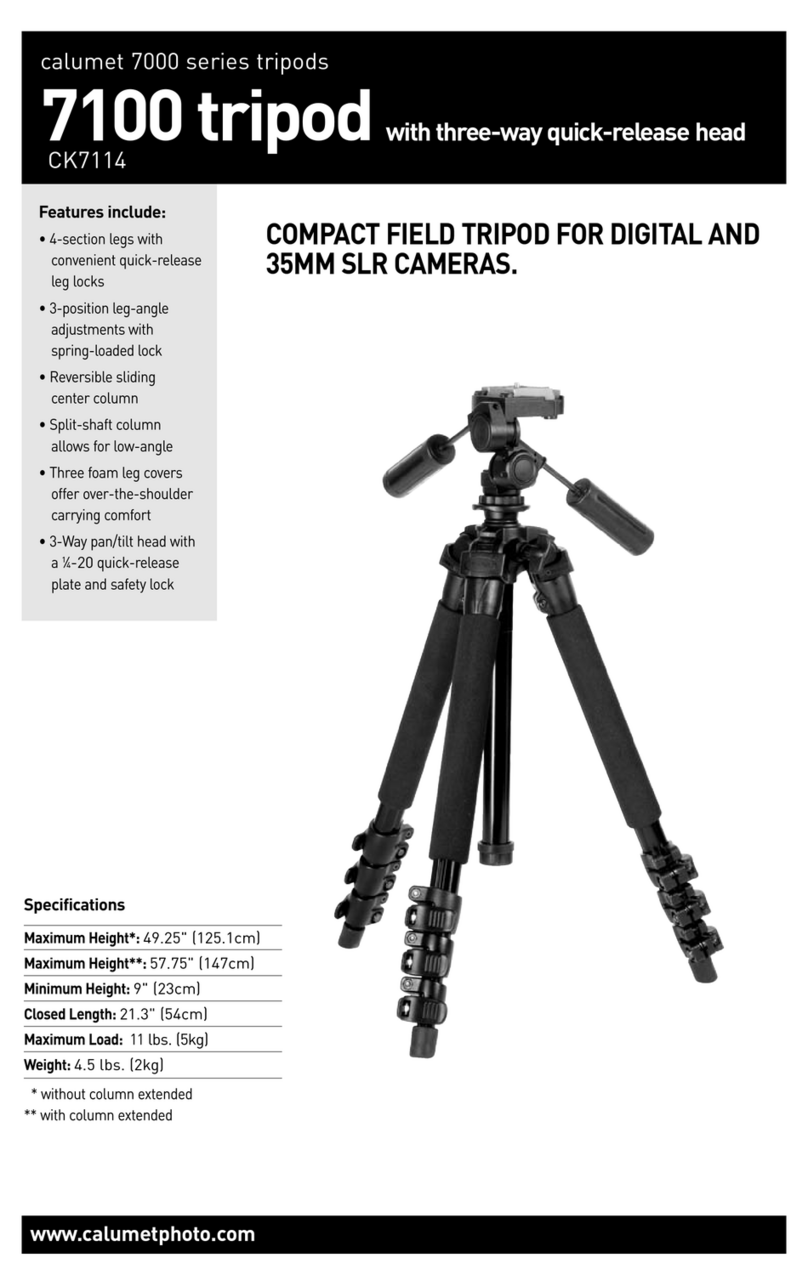
Calumet 7100 Series CK7114 operating instructions
Calumet

Calumet 7100 Series CK7114 operating instructions

Ropox 4Single Series User manual and installation instructions
Ropox

Ropox 4Single Series User manual and installation instructions

Cambo Wide DS Digital Series Main operating instructions

Cambo

Cambo Wide DS Digital Series Main operating instructions

Samsung SHG-120 Specification sheet

Samsung

Samsung SHG-120 Specification sheet
Ryobi BPL-1820 Owner's operating manual
Ryobi

Ryobi BPL-1820 Owner's operating manual
manuals.online logo
manuals.online logoBrands
  • About & Mission
  • Contact us
  • Privacy Policy
  • Terms and Conditions

Copyright 2025 Manuals.Online. All Rights Reserved.

Canon
POWER
ZOOM
ADAPTER
PZ-E1
Instructions
Mode
d'
emploi
I
nstrucciones
Thank you for purchasing a Canon product.
The Canon POWER ZOOM ADAPTER PZ-E1
is
an
accessory
that
allows
powered
zooming
when
attached
to
a
lens
for
EOS cameras*.
Before use, please read this instruction manual as well
as the instruction manual for your camera and lens.
There may be warnings regarding shooting listed
in
them.
EOS cameras
(as
of
February
.35rnm f/3.5-5.6 IS USM
Warning
to
,
Prevt:Jnf
adapter, lens, or camera
malfunction,
or
d@mage.
Supplement~Jj
notes on using the adapter.
ENG-1
Safety Precautions
Precautions to ensure that the camera
is
used safely.
Read these precautions thoroughly. Make sure all
details are observed
in
order to prevent risks and injury
to the user and other people.
~
Warning
Detail~
pertaining
to
~isks
~h_at
may
result
1n
death or serrous
InJury.
• Care must be taken with the batteries used
in
the product, as follows. They may produce heat,
smoke, flame, or leak or burst, causing fires or
injuries.
•
Do
not use batteries with a nominal voltage
in
excess
of
1.5 V or where the nominal voltage
cannot be confirmed.
•
Do
not mix battery brands or use old and new
batteries together.
• Make sure you put the batteries
in
the right way
around.
•
Do
not disassemble batteries, recharge them
(unless rechargeable), leave them
in
hot places,
apply heat to them, short out their terminals, or
throw them
in
a fire.
• When using some brands
of
AAA lithium batteries,
there may be rare cases when the battery gets
extremely hot. For safety's sake, please do not use
AAA lithium batteries.
ENG-2
• Do not allow the product to maintain contact with
the same area of skin for extended periods
of
time
during use. This may result
in
low-temperature
contact burns, including skin redness and blistering,
even if the product does not feel hot. The use
of
a
tripod or similar equipment
is
recommended when
using the product
in
hot places and for people with
circulation problems or less sensitive skin.
~Caution
Details pertaining to risks that
may result
in
injury.
• There
is
the risk
of
getting your finger or hair caught
between the lens zoom ring and the product. Take
care when using the product.
• If internal fluid such as battery leaks get
on
you,
wash it off thoroughly with water.
Do
not rub your
eyes or mouth while you have fluid on your hands.
Safety Precautions
Caution
Details pertaining to risks that may
result
in
damage to property.
• This is a precision instrument.
Do
not drop
it,
subject it to shock, or attempt to dismantle
it
yourself.
• When carrying a lens or a camera to which the
adapter
is
attached, always carry it by the lens/
camera body.
•
Do
not leave the adapter
in
excessive heat such as
in
a car
in
direct sunlight. High temperatures can
cause the adapter to malfunction.
• Remove the battery when you are not using the
adapter. Fluid leakage can cause the adapter to
malfunction.
General Precautions
Handling Precautions
• If the adapter is taken from a cold environment
into a warm one, condensation may develop
on
the outside surface and internal parts.
To
prevent
condensation
in
this case, first put the adapter into
an
airtight plastic bag before taking it from a cold
to warm environment. Then take out the adapter
after it has warmed gradually.
Do
the same when
taking the adapter from a warm environment into a
cold one.
Shooting Precautions
• When using the power zoom, the lens will stop
before the limit at both the wide and telephoto
ends. The available focal length range is limited.
The focal length range where the power zoom can
be
used differs for each lens. Refer to "Materials"
on
Page 1
0 for details.
• Attaching the camera to a tripod may cause
interference with the adapter. If this is the case,
please use the separately-sold TS-E Lens Tripod
Adapter.
ENG-3
This device complies with Part 15
of
the FCC Rules. CAN ICES-3 (B) I NMB-3 (B)
~peration
is
su~ect
to the following two conditions: (1) This
~~~~~~~~~~~~~~~~~~~~~~~
device may not cause harmful interference, and (2) this
device must accept any interference received, including
interference that may cause undesired operation.
Do not make any changes
or
modifications to the equipment
unless otherwise specified
in
the instructions.
If
such
changes or modifications should be made, you could be
required to stop operation
of
the equipment.
This equipment has been tested and found to comply with
the limits for a class B digital device, pursuant to part 15
of
the FCC Rules. These limits are designed to provide
reasonable protection against harmful interference in a
residential installation. This equipment generates, uses and
can radiate radio frequency energy and, if not installed and
used
in
accordance with the instructions, may cause harmful
interference to radio communications.
However, there is no guarantee that interference will not
occur in a particular installation. If this equipment does
cause harmful interference to radio or television reception,
which can be determined by turning the equipment off and
on, the user is encouraged to try to correct the interference
by one or more
of
the following measures:
• Reorient
or
relocate the receiving antenna.
• Increase the separation between the equipment and
receiver.
• Connect the equipment into an outlet on a circuit different
from that to which the receiver is connected.
• Consult the dealer or an experienced radio/TV technician
for help.
ENG-4
Nomenclature
Gear(~
7)
r---------
Fixed mounting catch
(~
7)
Jam detector
-.-----.
(~9,10)
r----
--
·
I
Battery compartment
cover(~
6)
Zoom
lever(~
9)
Speed level
switch(
~
8)
...-------Control
contacts(~
7)
.-----
Movable mounting catch (
~
6,
7)
Attach/Detach lever
(~
6,
7)
Indicator lamp
(~
10)
Zoom mode switch
(~
8)
• The numbers in the parentheses refers to the reference page.
I
ENG-5
Inserting and
Removing Batteries
1.
Open the battery compartment by sliding the cover
in
the direction
of
the arrows. (Fig.
0:
CD®
)
2.
Insert (or remove) the batteries, making sure that
they are
in
the correct direction (see diagram inside
cover). (Fig.
0)
3.
After closing the battery compartment, slide the
cover
in
the direction
of
the arrow until it clicks. (Fig.
8:
CD®
)
0 Non-alkaline
AAA
batteries lack unified standards
for contact point shapes, so the brand you use may
cause problems with contact.
ENG-6
Removing
and
Attaching
Protective Cover
• Removing
1. Turn the attach/detach lever
in
the direction
of
the
arrow ® while pressing down on the attach/detach
lever lock release button.
(CD®)
2. Remove the protective cover from the movable
mounting catch. (@)
• Attaching
1. Attach the protective cover to the adapter
in
the
reverse order for removing it.
2.
Turn the attach/detach lever
in
the direction
of
the
arrow
@
until it clicks to fasten the cover to the
adapter. (@)
Attaching and Removing Adapter
• Attaching
1.
Line up the fixed mounting catch and the movable
mounting catch at the sockets for attaching the
power zoom adapter on the lens and hold it against
the lens. (Fig.
8:
CD®®
)
2.
Turn the attach/detach lever
in
the direction
of
the
arrow until it clicks to fasten the adapter to the lens.
(Fig.
8)
0 * Pay attention to the orientation
of
the adapter
vis-a-vis the lens.
* This adapter will not function if the lens is not
attached to the camera body.
• Removing
1.
Hold
the
adapter firmly and turn the attach/detach lever
in
the
direction of the arrow while pressing down
on
the
attach/detach lever lock release button. (Fig. 8:
CD®
)
2.
Remove the adapter from the lens
in
the reverse
order for attaching it.
0
@I
Do not use excess force in attaching or
removing the adapter. It can cause it to break
or
malfunction.
* Take care not to damage the control contacts
or the gear when you remove the adapter. Also
remember to attach the protective cover.
@;
Any damage, dirt, fingerprints, etc. on the control
contacts can cause poor contact
or
corrosion,
leading to operational problems. Any dirt on the
contacts should be wiped off with a soft cloth.
ENG-7
Setting Zoom Mode
1. The zoom mode switch can be set to either Power
Zoom [PZ] or Manual Zoom [MZ].
2.
To
zoom using power zooming, set the switch to
Power Zoom [PZ].
3.
To
zoom by directly turning the zoom ring on the
lens, set the switch to Manual Zoom [MZ].
llJ
The indicator lamp goes off when set to Manual
Zoom [MZ].
0 Do not force the zoom ring on the lens when using
the Power Zoom [PZ] zoom mode. It can cause
damage to the lens.
ENG-8
Setting Speed Level
• Use the speed level switch to set the speed
of
the
power zoom.
• Setting this to [SLOW] provides a slow zoom, suitable
for movie photography.
Setting this to [FAST] provides a faster zoom than
[SLOW].
Using Power Zoom
Use the zoom lever to use the power zoom. Sliding it to
[W] will zoom the lens out (wide end) and sliding it to
(T]
will zoom the lens
in
(telephoto end).
The zoom speed will change depending
on
how much
the zoom lever is moved. Refer to "Materials"
on
Page
10 for details
of
the zoom speeds.
llJ
You
can use power zooms by remote control when
using this adapter. Refer to "Materials" on Page
11
for details
of
remote control.
0 ®
If a foreign object is caught between the lens's
zoom ring and the adapter while power zoom is
being used, it will stop after the motor drives it to
expel the object.
You
cannot use Power Zoom
while the jam detector is pressed.
~
When using Power Zoom from the telephoto end
to the wide end, take care that you do not get
your fingers caught between the adapter and the
tip
of
the lens
or
the lens hood.
®
The motor noise may be recorded when using
Power Zoom during video shooting. Setting the
speed level to [SLOW] will reduce the motor
noise.
® There may be some slight sounds from the
adapter when the camera is turned on or wakes
up from Auto Power Off.
®
While using the zoom lever, do not apply force
in
the direction where the adapter parts from the
lens. It can cause abnormal sounds or damage.
ENG-9