Installation and Maintenance Guide: Preparations 5
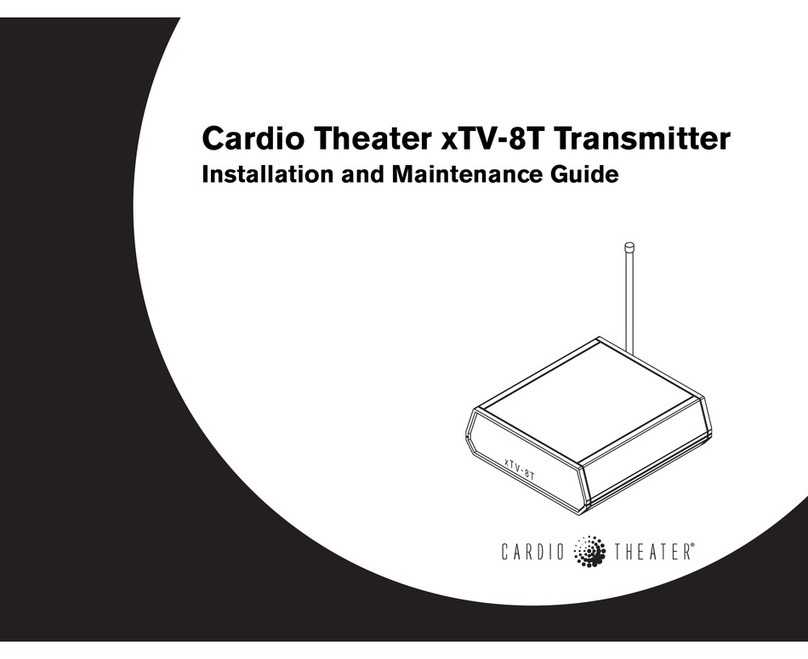
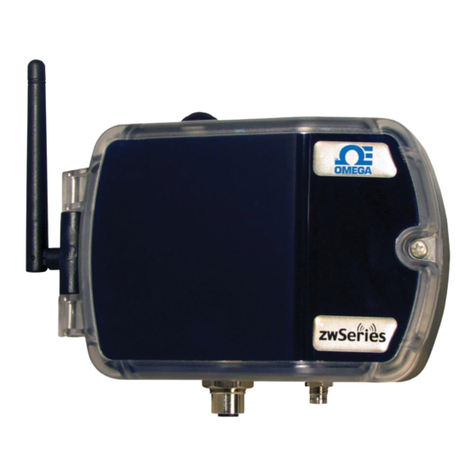
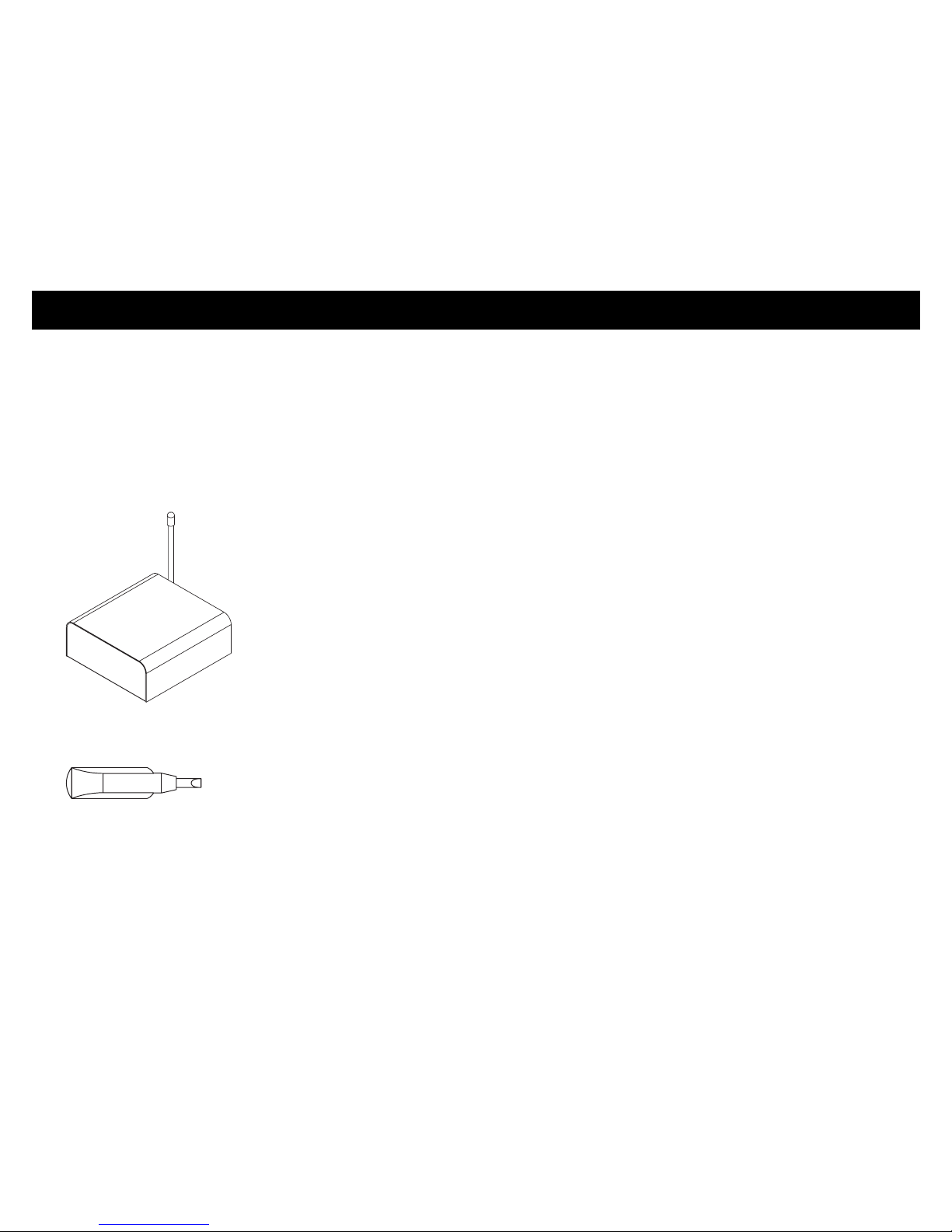
• Place the antenna on the transmitter so it is vertical. In addition,
the antenna should not touch or come near other transmitting
antennas or metal objects. Be sure to route cabling and power
cables away from the antenna, so they do not cause interference.
• Each transmitter requires a unique channel number. Channel
numbers on transmitters determine their frequencies. There is no
correlation between channel numbers on transmitters and channel
numbers shown on receivers when they are programmed.
• If you discover that some of the 900 MHz frequencies (see
Table 1) are used by outside non-controllable sources, you can set
the transmitter to avoid those frequencies. However, this will
reduce the number of channels available for you to use when
installing transmitters. If the outside non-controllable source
generates a powerful signal, it may also cause static interference
with the wireless system, reducing audio quality.
• With new xTV wireless installations, we recommend installing the
receivers on the equipment first, then installing the transmitters.
Doing so will allow installers to check the sound quality of the
transmitters throughout the room.
• The receiver automatically acquires the available channels from the
installed transmitters and assigns them to channel numbers,
starting with the lowest transmitting channel to the highest
transmitting channel, regardless of which channels are used. To
avoid confusion with people using the wireless system, you want
receivers to logically select TV and audio components based on
their placement. So, on the receiver, channel 1 would select the
first TV, channel 2 would select the second TV, and so on. To
support this logical usage, transmitters need to be installed in
channel order.
• Transmitters use Automatic Level Control (ALC) circuitry to
provide consistent sound levels to people using the receivers.
With this feature, once the sound level on TVs and other audio
components have been adjusted, the wireless system should not
experience sound fluctuations, which have been inherent in other
types of entertainment systems. To support this feature, the sound
level from the connected TV and audio components must be set to
a reasonable, median level. If the incoming sound level is set too
low, people may hear an excessive amount of background noise
while using the receivers. If the incoming sound level is set too
high, it may sound distorted through the receivers.